
A vitamin that needs activation
D₂ and D₃ are precursors, rather than the main active signal. Processing in the liver and kidneys produces calcitriol, a hormone involved in calcium regulation. Some immune cells can also activate vitamin D locally.
 Subscribe
NUTRITION & IMMUNITY
Beyond bones and sunlight: discover how vitamin D communicates with immune cells, what clinical trials show, and where the evidence on immune aging stops.
Explore the science →
D₂ and D₃ are precursors, rather than the main active signal. Processing in the liver and kidneys produces calcitriol, a hormone involved in calcium regulation. Some immune cells can also activate vitamin D locally.
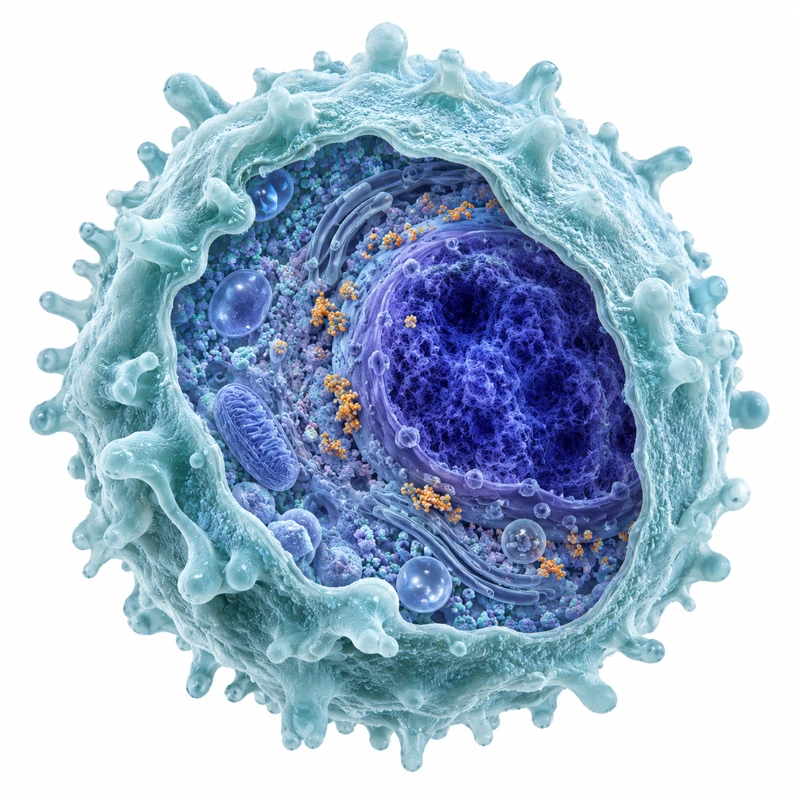
Several immune-cell types carry the vitamin D receptor, or VDR. When activated by the hormonal form, this receptor helps regulate genes that influence how cells respond to microbes and inflammatory signals.

An effective response must control microbes while limiting damage from inflammation. Vitamin D can influence both sides of this balance; it does not simply turn every immune response up.

A change in cathelicidin, a cytokine or a cell marker does not itself prove better protection. Clinical trials must test whether people actually experience fewer infections or other meaningful benefits.
Vitamin D is fat-soluble: it dissolves in fat. The forms we obtain must be processed before they become the main active hormonal signal.
 1 · Starting materialVitamin D₂ / D₃
Foods and supplements; the skin also makes D₃ under UV-B.
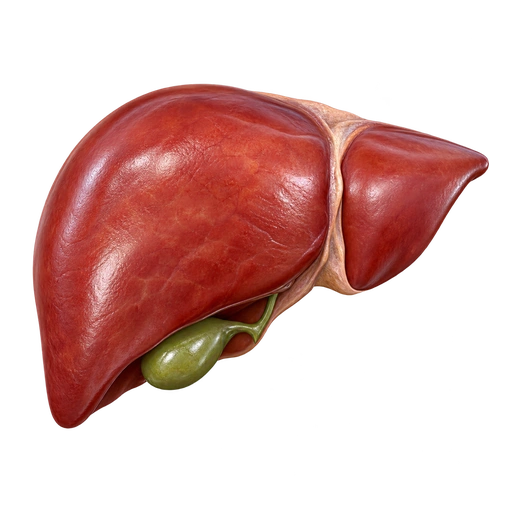 2 · Liver25(OH)D
A circulating precursor, used to assess vitamin D status.
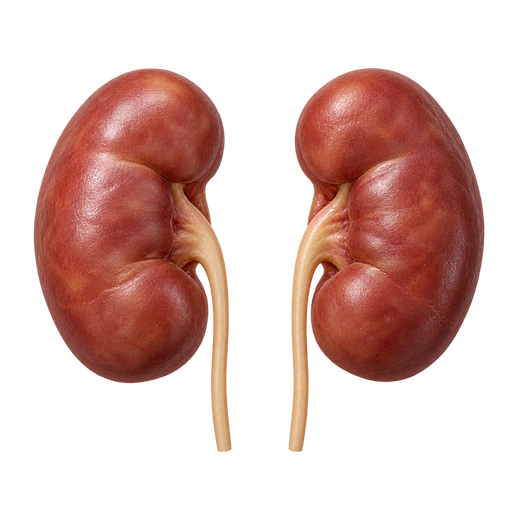 3 · Mainly kidneys1,25(OH)₂D
The active hormonal form; calcitriol is the active D₃ metabolite.
An active hormone is a chemical messenger. The liver makes 25(OH)D, which circulates as a precursor. The kidneys convert it into the active hormone for wider regulation, including calcium balance. Some immune cells can perform this last conversion locally.
How does the message reach a cell? The active hormone binds VDR, a receptor protein inside the cell. This can change how the cell uses genes involved in antimicrobial responses or inflammatory control. Such regulation is not the same as proving that supplements prevent infections.
NIH Office of Dietary Supplements · Liu et al., 2006 · Hewison, 2011
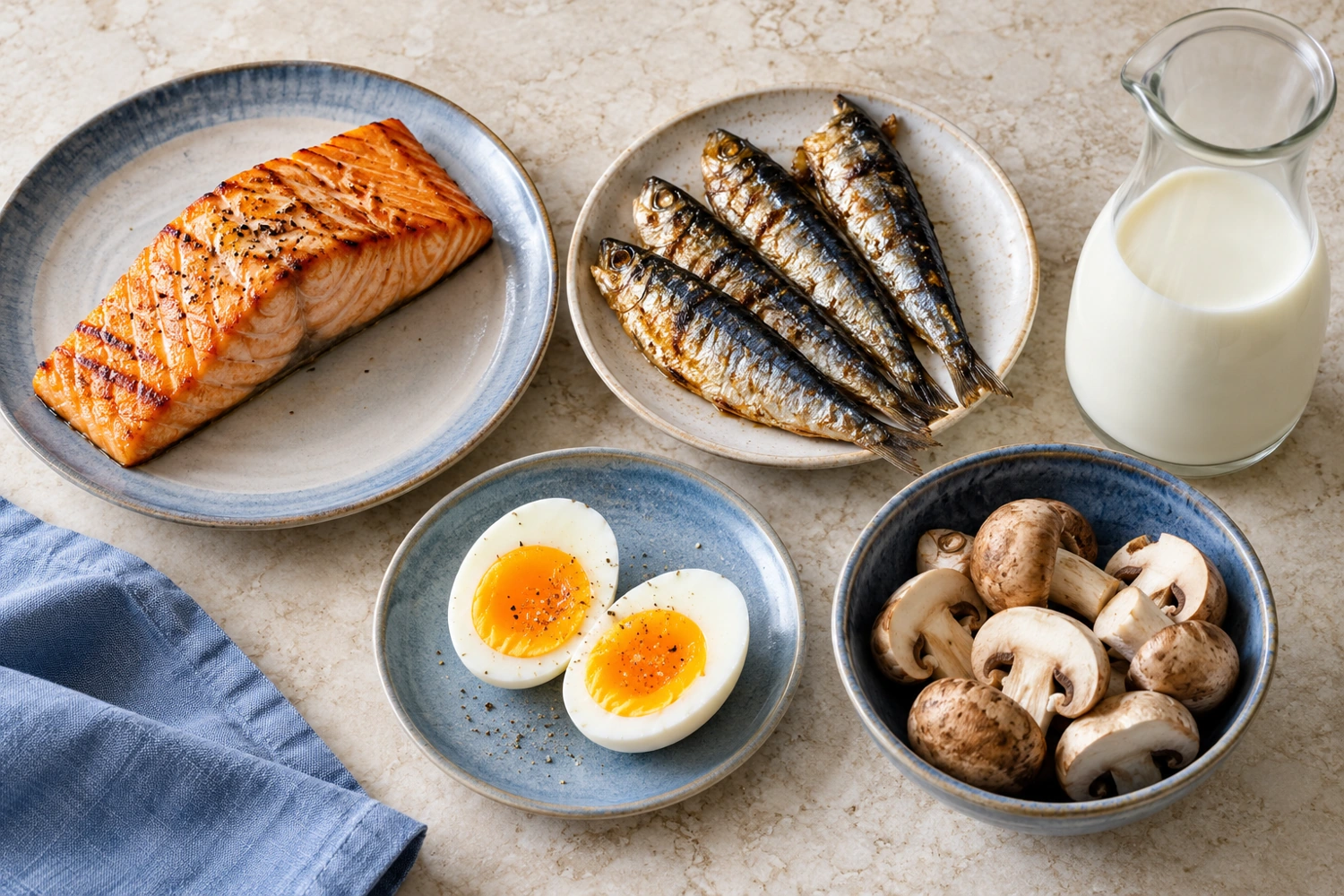
Fatty fish are useful natural sources. Other foods contribute smaller amounts or depend on fortification. The examples below refer to the specific foods listed—not every product in that category.
| Food | Serving | µg | IU |
|---|---|---|---|
| Rainbow trout, farmed, cooked | 3 oz (85 g) | 16.2 | 645 |
| Sockeye salmon, cooked | 3 oz (85 g) | 14.2 | 570 |
| White mushrooms, raw, UV-exposed | ½ U.S. cup, sliced | 9.2 | 366 |
| Milk, 2% fat, vitamin D fortified | 1 U.S. cup | 2.9 | 120 |
| Soy, almond or oat drink, vitamin D fortified | 1 U.S. cup | 2.5–3.6 | 100–144 |
| Breakfast cereal, fortified at 10% of the U.S. Daily Value | 1 labeled serving | 2.0 | 80 |
| Atlantic sardines, canned in oil, drained | 2 sardines | 1.2 | 46 |
| Egg, scrambled | 1 large egg | 1.1 | 44 |
Approximate, rounded values: NIH Office of Dietary Supplements. Amounts vary by product and preparation. 1 U.S. cup ≈ 240 mL; UV-treated mushrooms are different from untreated mushrooms.
Adults aged 19–70
15 µg/day600 IU/dayAdults aged 71 and older
20 µg/day800 IU/dayPregnancy and breastfeeding
15 µg/day600 IU/dayThese are total intake references from foods, drinks and supplements, assuming minimal sun exposure—not an extra supplement dose or an immune-boosting target. National guidance can differ. NIH / National Cancer Institute.
1 µg = 40 IU. Two units, the same amount of vitamin D.
Reading a U.S. label? 100% Daily Value is 20 µg (800 IU), a labeling reference that differs from the RDA for adults aged 19–70. FDA.
U.S. references: ages 1–18, 15 µg (600 IU)/day; birth to 12 months, an Adequate Intake of 10 µg (400 IU)/day. The adult upper limit is 100 µg (4,000 IU)/day from all intake sources. It is a ceiling, not a goal; children have age-specific limits. Treatment of deficiency follows a separate clinical plan. NIH ODS.
The skin makes D₃ under UV-B, but season, skin pigmentation and age affect production. Ordinary window glass blocks the UV-B needed for synthesis. There is no single exposure time that delivers a reliable dose.
UV exposure also carries skin-cancer risk. Increasing unprotected sun exposure is not a substitute for meeting nutritional needs.
25(OH)D is the usual blood marker of vitamin D status. A low result and poor health occurring together do not prove that extra vitamin D will improve every outcome. Routine screening is not recommended for generally healthy adults without an indication for testing.
Meeting nutritional needs and treating deficiency are different from proving protection against infections or immune aging.
PART 1 · IMMUNE BIOLOGY
Some immune cells can activate vitamin D locally and respond through VDR. The result is a change in cellular programs—not simply turning all immunity “up.”
Macrophages can couple microbial recognition to CYP27B1 and VDR signaling. In human-cell experiments, this supports cathelicidin-related antimicrobial activity.
VDR signaling can influence T-cell activation and differentiation, antigen-presenting cells and B-cell responses. These effects depend on activation state and experimental context.
A useful immune response needs both effective defense and limits on tissue-damaging inflammation. Vitamin D is an immune regulator, not a universal stimulant.
Liu et al., 2006 — human macrophages / macrophages humains · Kongsbak et al., 2013 · Aranow, 2011
HUMAN MECHANISTIC TRIAL
In 90 patients with ulcerative colitis in remission, a single intramuscular dose changed cathelicidin expression and selected inflammatory markers over 90 days.
Interpretation: Disease-specific biomarker evidence; not proof that routine supplements prevent infection. The 300,000-IU intervention is not a self-care dose.
HUMAN MECHANISTIC TRIAL
An ancillary study of 38 vitamin-D-deficient adults compared 4,000 with 400 IU/day. At two months, the higher dose reduced a stimulated CD4+ T-cell ATP-release measure.
Interpretation: This is modulation of an activation marker, not stronger immunity or a demonstrated reduction in disease.
Some trials are positive, some neutral, and some differ by endpoint. Population, baseline status and regimen matter when interpreting an individual trial. They do not justify selecting only the favorable results.
POSITIVE, SPECIFIC OUTCOME
Among 334 schoolchildren, influenza A occurred in 10.8% with 1,200 IU/day versus 18.6% with placebo; RR 0.58 (95% CI 0.34–0.99).
Interpretation: A particular pediatric season and influenza endpoint; not a general prevention claim.
POSITIVE IN MARKED DEFICIENCY
In 247 Mongolian children, vitamin-D-fortified milk reduced parent-reported respiratory infections. Baseline 25(OH)D was very low: median about 7 ng/mL.
Interpretation: A cluster-trial comparison in markedly deficient children; not directly transferable to adequate-status adults.
SELECTED HIGH-RISK ADULTS
A one-year trial of 4,000 IU/day in 140 adults with frequent respiratory infections or antibody deficiency reported favorable infection-related outcomes.
Interpretation: This clinical group does not represent the general population.
NO SIGNIFICANT BENEFIT
In 322 healthy adults followed for 18 months, a large intermittent-dose regimen did not reduce upper respiratory infection incidence or severity.
Interpretation: This is strong evidence about the tested regimen; it does not erase vitamin D biology.
DAILY DOSING IN OLDER ADULTS
In 15,804 older adults, 2,000 IU/day did not significantly reduce recent upper respiratory infection at one year: OR 0.96 (95% CI 0.86–1.06).
Interpretation: Participants were not selected for deficiency; the severely deficient subgroup was small.
NEWER, ENDPOINT-SPECIFIC BENEFIT
A Danish pediatric trial using 800 IU/day reported fewer respiratory sick days over 24 weeks: RR 0.83 (95% CI 0.76–0.90). Other outcomes did not differ.
Interpretation: Secondary analysis, parent reports, children aged 6–8; sick days are different from infection incidence.
Li-Ng 2009 found no significant benefit over 12 weeks. CORONAVIT 2022 did not establish protection with a test-and-treat strategy. In Laaksi 2024, low baseline status predicted infection risk observationally, but supplementation did not reduce infections or days absent. Ganmaa 2020 did not prevent tuberculosis infection despite correcting deficiency.
Earlier pooled analyses suggested a small protective effect. The 2025 update reported no statistically significant overall protection against having at least one acute respiratory infection.
The estimate is compatible with a modest benefit through no effect. This is not proof of exactly zero effect. Prespecified analyses did not establish differences by age, baseline status, dose size or dosing frequency.
The older 25-trial individual-participant analysis and the 2021 synthesis were more favorable. The 2024 and 2025 syntheses weakened the general prevention claim. Subgroup hypotheses should not override a neutral overall result. These reviews share many trials: their participant counts must not be added.
Martineau et al., 2019 report / rapport · Jolliffe 2021 · Wang 2024
A 2025 pediatric synthesis also found no significant overall reduction in infection incidence; subgroup signals remain questions for better targeted trials.
In CORONAVIT substudies, offering 800 or 3,200 IU/day to adults with 25(OH)D below 75 nmol/L raised vitamin D status but did not significantly improve the measured anti-Spike, neutralizing-antibody or cellular IFN-γ responses, or protection against breakthrough SARS-CoV-2 infection.
Read each claim alongside its evidence type and limitations. Orange identifies promising, mixed or preclinical findings that do not yet establish a general clinical benefit.
The evidence type and limitations in each row are essential: a strong laboratory mechanism is not a proven clinical treatment.
Explore all 48 publications in the Master Evidence Library →
| Claim | Science or Hype? | What the evidence means |
|---|---|---|
| Vitamin D participates in normal immune function | Adequacy supports normal physiology; extra intake is a separate question.NIH Office of Dietary Supplements | |
| Immune cells have functional vitamin D/VDR pathways | Human-cell research supports local activation and VDR-dependent regulation.Liu et al., 2006 | |
| Vitamin D influences innate immune biology | Macrophage and antimicrobial pathways are supported mechanistically.Hewison, 2011 | |
| Vitamin D regulates antimicrobial peptides such as cathelicidin | A genuine cellular mechanism; it does not by itself establish fewer infections.Liu et al., 2006 | |
| Vitamin D influences T-cell biology | VDR signaling influences activation and differentiation; effects depend on context.Kongsbak et al., 2013 | |
| Supplementation can modify selected human immune biomarkers | Small studies show changes in activation or inflammatory markers, not universal clinical benefit.Konijeti et al., 2016 | |
| Low vitamin D status is associated with infection risk in some populations | Association does not prove that supplementation prevents infection.A. Laaksi et al., 2024 | |
| Correcting severe deficiency may improve some infection outcomes | A trial in markedly deficient Mongolian children was positive; the latest aggregate analysis did not establish baseline status as an effect modifier.Camargo et al., 2012 · Jolliffe et al., 2025 | |
| Vitamin D reliably prevents acute respiratory infections | The major 2025 update found no statistically significant overall protection: OR 0.94, 95% CI 0.88–1.00.Jolliffe et al., 2025 | |
| Daily dosing is definitively superior to bolus dosing for infection prevention | Earlier subgroup signals do not establish a reliable dosing-frequency effect in the 2025 synthesis.Jolliffe et al., 2025 | |
| Vitamin D reliably prevents influenza | One pediatric influenza A trial was positive; this does not establish general influenza prevention.Urashima et al., 2010 | |
| Vitamin D routinely improves vaccine responses | CORONAVIT vaccine substudies found no significant improvement in the tested antibody, cellular or breakthrough-infection outcomes.Jolliffe et al., 2022 (CORONAVIT vaccine substudy) | |
| Vitamin D reverses inflammaging | Changes in selected pathways do not establish reversal of systemic inflammatory aging.Rastgoo et al., 2025 | |
| Vitamin D reverses immunosenescence | Changes in selected cell markers do not establish system-wide immune rejuvenation.Rastgoo et al., 2025 | |
| More vitamin D means stronger immunity | Adequacy and additional supplementation are different claims.NIH Office of Dietary Supplements | |
| High-dose vitamin D is harmless | Excess supplemental vitamin D can cause hypercalcemia and serious complications.NIH Office of Dietary Supplements |
PART 2 · VITAMIN D & ImmAge
The strongest connection is currently biological: VDR regulates gene programs relevant to immune-cell function. Whether supplements slow or reverse human immunosenescence is a separate, unresolved question.
Study the biology. Test the outcomes.

The transcriptome is the set of RNA messages a cell produces. VDR helps regulate which genes are read. The epigenome helps control how accessible those genes are.
Less effective responses to some new threats can coexist with persistent inflammatory signaling. “More activation” is not necessarily healthier.
Senescence markers, telomeres and inflammatory proteins offer clues. None alone measures the age or clinical competence of an entire immune system.
88 vitamin-D-deficient older adults · 8 weeks · four active-treatment groups
The trial compared 1,000 or 5,000 IU/day, with or without 600 mg/day of N-acetylcysteine (NAC). Higher-dose groups showed changes in p16 expression, SA-β-gal activity and selected inflammatory gene-expression measures in peripheral blood mononuclear cells (PBMCs).
Selected cell-associated senescence and inflammatory measurements changed relative to the 1,000-IU/day group. This is preliminary direct human biomarker evidence.
Serum IL-6, CRP and the neutrophil-to-lymphocyte ratio did not differ significantly between groups. The study did not show fewer infections, better vaccine responses or whole-system immune rejuvenation.
Rastgoo et al., 2025 · Published correction
Telomeres are protective DNA structures at chromosome ends. Leukocyte telomere length is an aging-related biomarker, not a direct test of immune rejuvenation. Two randomized-trial analyses illustrate the uncertainty.
POSITIVE BIOMARKER SIGNAL
In 1,031 participants with measurements, 2,000 IU/day reduced telomere attrition over four years versus placebo: difference 0.14 kb (95% CI 0.007–0.27).
Interpretation: An ancillary biomarker result; it does not show that immunity became younger or that infections fell.
NO SIGNIFICANT DIFFERENCE
In 1,519 older Australians, monthly vitamin D did not change relative telomere length measured after four or five years.
Interpretation: Different dosing and measurement designs prevent a simple head-to-head comparison with VITAL.
In young and old mice lacking VDR, amplified nonspecific immune responses did not produce better Listeria clearance. Another intestinal infection model found that active vitamin D increased susceptibility by suppressing protective Th17 responses. These are reasons to avoid the simplistic idea that more immune activation—or more vitamin D—is always better.
Bruce et al., 2009 — mice / souris · Ryz et al., 2012 — mice / souris
The library keeps 14 animal records separate from human trials. Knockout models and calcium disturbances introduce additional interpretation limits.
Read each claim alongside its evidence type and limitations. Orange identifies promising, mixed or preclinical findings that do not yet establish a general clinical benefit.
The evidence type and limitations in each row are essential: a strong laboratory mechanism is not a proven clinical treatment.
Explore all 48 publications in the Master Evidence Library →
| Claim | Science or Hype? | What the evidence means |
|---|---|---|
| Vitamin D/VDR signaling regulates immune-cell biology | Cellular and molecular work supports VDR-dependent immune regulation.Liu et al., 2006 | |
| Vitamin D influences immune-cell gene expression | VDR participates in transcriptional regulation; that is not itself evidence of rejuvenation.Carlberg & Velleuer, 2024 | |
| Vitamin D interacts with pathways relevant to immune aging | Mechanistic relevance does not establish that taking supplements slows the aging process.Carlberg & Velleuer, 2024 | |
| Vitamin D can influence inflammatory pathways | Disease-specific and cellular findings do not show reversal of inflammaging in the general population.Sharifi et al., 2016 | |
| Vitamin D may change senescence markers in deficient older adults | An eight-week trial found selected PBMC changes, with no significant differences in several systemic inflammatory measurements.Rastgoo et al., 2025 | |
| Higher-dose vitamin D changed p16 and SA-β-gal in one trial | 88 participants, active comparators and short follow-up; the 5,000-IU/day research dose is not a recommendation.Rastgoo et al., 2025 | |
| Vitamin D reliably preserves telomeres during aging | VITAL reported less attrition, while D-Health found no significant difference. A telomere result is not proof of younger immunity.Zhu et al., 2025 (VITAL telomere substudy) · Rahman et al., 2023 (D-Health telomere substudy) | |
| Vitamin D supplementation slows human immune aging | The cited studies do not establish a slower rate of whole-system immune aging.Carlberg & Velleuer, 2024 | |
| Vitamin D reverses inflammaging | Changes in cell-associated markers do not establish reversal of chronic systemic inflammation.Rastgoo et al., 2025 | |
| Vitamin D restores youthful immune-cell composition | The cited evidence does not show broad restoration of thymic output, naïve T cells or receptor diversity.Carlberg & Velleuer, 2024 | |
| Vitamin D reverses immunosenescence | Improving one age-related marker is not equivalent to reversing immune aging.Rastgoo et al., 2025 | |
| High-dose vitamin D makes an older immune system younger | No convincing clinical demonstration supports this claim; excess intake can also cause harm.NIH Office of Dietary Supplements |
U.S. reference intakes for adults are 600 IU (15 µg)/day through age 70 and 800 IU (20 µg)/day after 70, from all sources. The usual adult tolerable upper intake level is 4,000 IU (100 µg)/day. This upper limit is not a target; medical treatment can differ under supervision.
Excess supplemental vitamin D can cause hypercalcemia and kidney injury. Medicines and disorders that affect calcium, absorption or vitamin D metabolism can change the risk.
The 2024 Endocrine Society guideline does not recommend routine above-reference supplementation or routine 25(OH)D screening for generally healthy adults under 75. It identifies other groups, including adults 75 and older, for whom empiric supplementation may be appropriate. That is not a recommendation to treat immune aging with high doses.
If supplementation or testing is indicated, discuss dose and follow-up with a clinician. Recommendations vary by age, country and clinical situation.
Vitamin D has real immune biology. Adequate status matters. Extra supplementation has not been shown to universally strengthen immunity or reverse immune aging.
Explore all 48 evidence records →Clinical and mechanistic claims link to their supporting publications above. The full library retains the supplied 44 records and adds four studies, with corrections and extraction limits made explicit. It is a curated collection, not an exhaustive systematic review.