> The Immune System > Adaptive Immunity AdaptiveImmunity Precision. Memory. A Stronger Tomorrow. Adaptive immunity is the specialized arm of your immune system that recognizes specific pathogens, eliminates them with remarkable precision, and creates long-term memory. It is slower to respond than innate immunity, and it provides more targeted protection that can persist — the foundation of vaccines and lifelong immune health.
Explore the science → SpecificAdaptive immunity T cell B cell Overview How Adaptive Immunity Works Immune Cells Antibodies: A Powerful Tool Organs and Tissues Real-World Impact What Is Adaptive Immunity? Adaptive immunity is a highly specific defense system that recognizes unique antigens from viruses, bacteria, fungi, parasites or abnormal cells. It uses B cells and T cells to generate targeted responses and immunological memory, allowing the body to respond faster and more effectively when the same threat is encountered again.
Learn more → Key Characteristics High specificity
Immunological memory
Clonal expansion
Diverse receptors
Self-tolerance
Adaptive vs. Innate Immunity INNATE IMMUNITY Fast and broad Immediate response Recognizes common patterns Uses the same receptors in many cells Recognizes shared molecular patterns No classical antigen-specific memory; innate responses can be trained ADAPTIVE IMMUNITY Specific and long-lasting Slower response Recognizes specific antigens Uses unique receptors on each B or T cell Highly specific Creates long-term memory Two complementary arms. A stronger defense together.
How Adaptive Immunity Works From antigen recognition to immune memory.
1 Antigen presentation
Dendritic cell T cell
Antigen fragments are captured by dendritic cells and presented to T cells in lymph nodes.
2 Activation and
Specific T and B cells are activated and rapidly multiply (clonal expansion) into large numbers of effector cells.
3 Effector functions
Cytotoxic T cell B cell
T cells eliminate infected cells.
4 Contraction
After the threat is cleared, most effector cells die, and the immune response contracts.
5 Memory
A small number of memory B and T cells remain, providing faster and stronger protection upon re-exposure.
Your immune system remembers. That’s why tomorrow you can respond faster, stay protected, and live more freely.— ImmuneForward The Key Players in Adaptive Immunity Different cells, specialized roles, working as a team.
B Cells Recognize antigens Differentiate into plasma cells and memory B cells Produce antibodies Learn more →
Plasma Cells Produce large amounts of antibodies Short-lived or long-lived Key for immediate protection Learn more →
Helper T Cells (CD4+) Coordinate the immune response Activate B cells, cytotoxic T cells and macrophages Produce cytokines Learn more →
Cytotoxic T Cells (CD8+) Recognize infected cells Kill virus-infected or abnormal cells Important for viral infections and cancer Learn more →
Regulatory T Cells (Treg) Maintain immune balance Prevent excessive immune responses Help avoid autoimmunity Essential for tolerance Learn more →
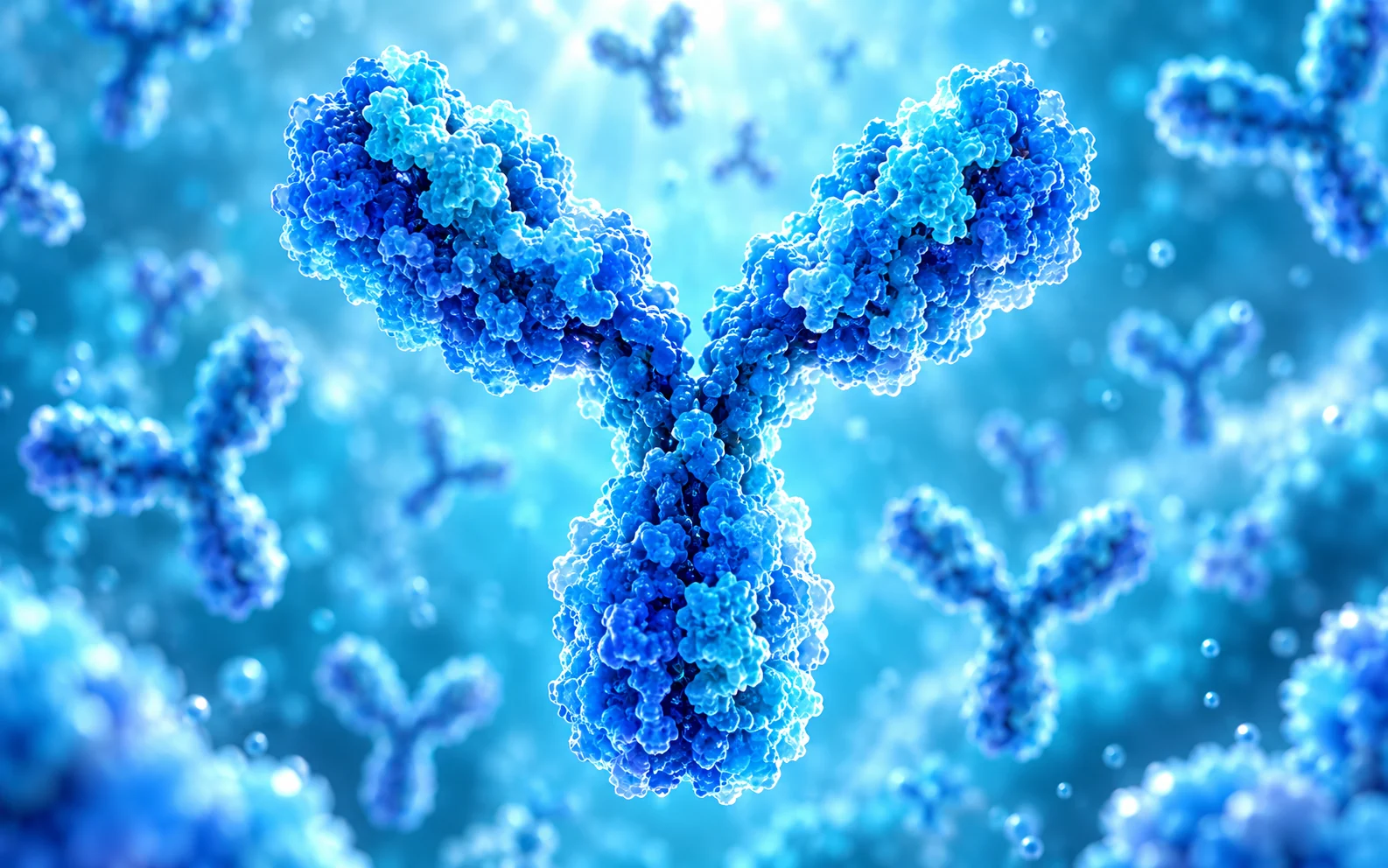
Memory B and T Cells Long-lived Respond faster and more strongly upon re-exposure Provide long-term protection Learn more → Antibodies: A Powerful Tool Bind specifically to antigens Neutralize pathogens and toxins Mark targets for destruction (opsonization) Activate complement Help recruit immune cells Provide long-term protection Learn more about antibodies → Where Adaptive Immunity Happens Specialized organs and tissues.
Real-World Impact Adaptive immunity protects you every day.
Fights infections
Helps eliminate
Provides
Selected sources and references Artwork illustrates the main mechanisms schematically; molecular sizes, colors and distances are not literal.
 Subscribe