1. B-cell activation
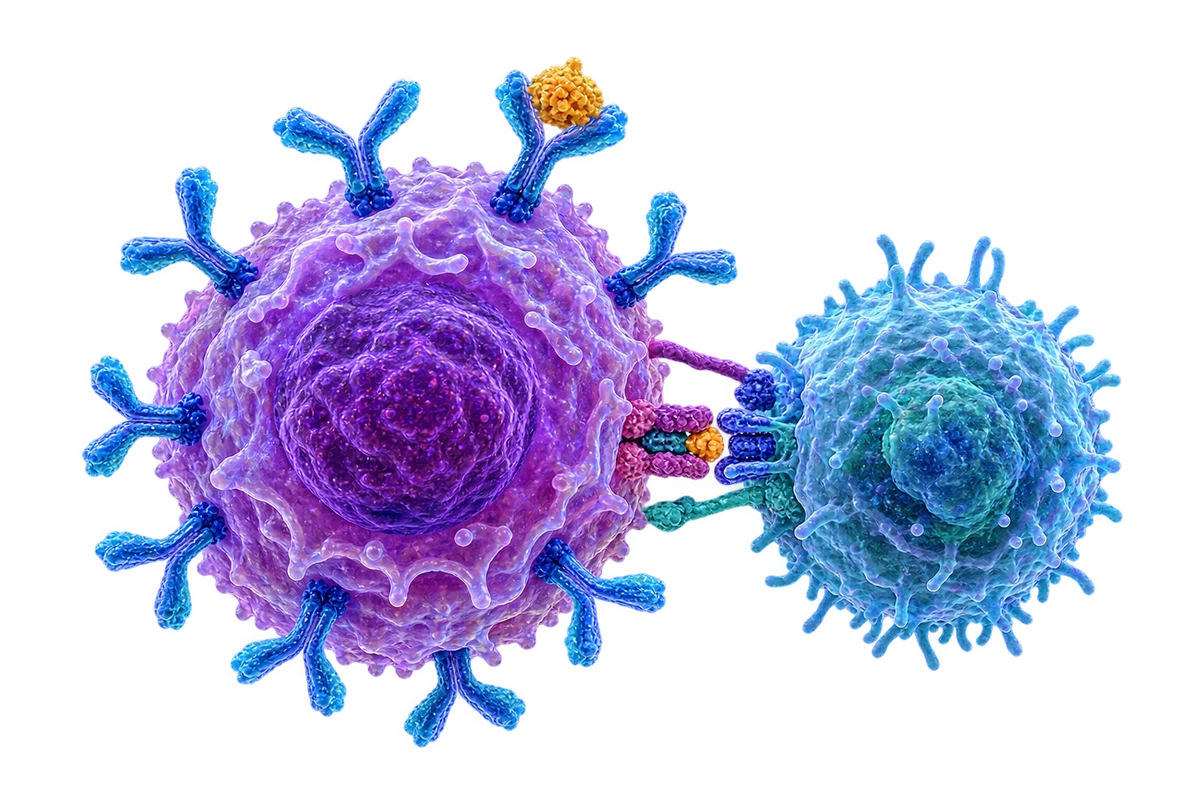
A B cell recognizes antigen. Helper signals can support its activation and differentiation.
 Subscribe
IMMUNE CELLS
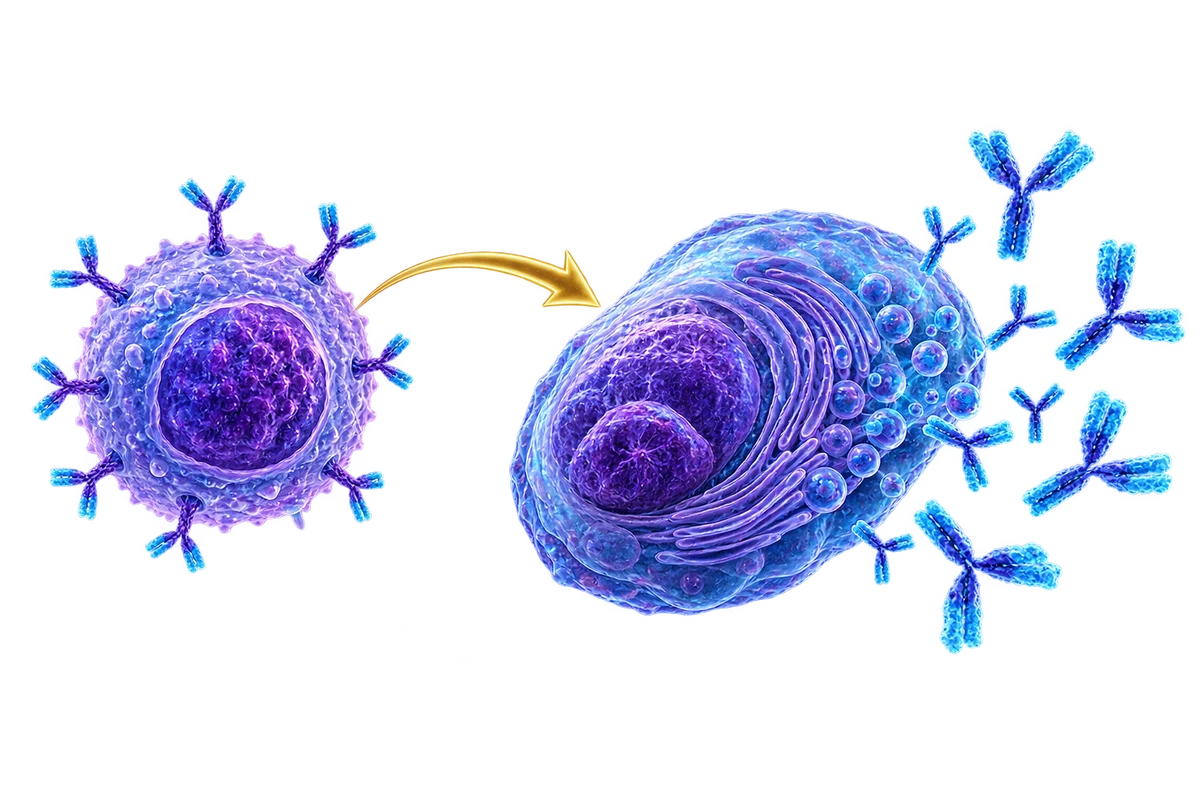
Plasma cells are specialized B-cell descendants that secrete antibodies. Their extensive protein-producing machinery supports antibody output, and some persist in survival niches to help sustain humoral protection.
Back to all immune cells →Plasma cells are differentiated B lymphocytes devoted to antibody secretion. Their eccentric nucleus, abundant rough endoplasmic reticulum and prominent Golgi apparatus reflect this specialized function.
Some antibody-secreting cells are short-lived. Others settle in supportive niches, especially in bone marrow, and maintain antibody production for long periods. Memory B cells are distinct: they respond to re-exposure by generating new effector cells.
Antigen recognition and supporting signals lead to antibody-secreting cells.
A B cell recognizes antigen. Helper signals can support its activation and differentiation.

Activated B cells proliferate and generate antibody-secreting plasmablasts.

Plasma cells expand their secretory machinery and release soluble antibodies.
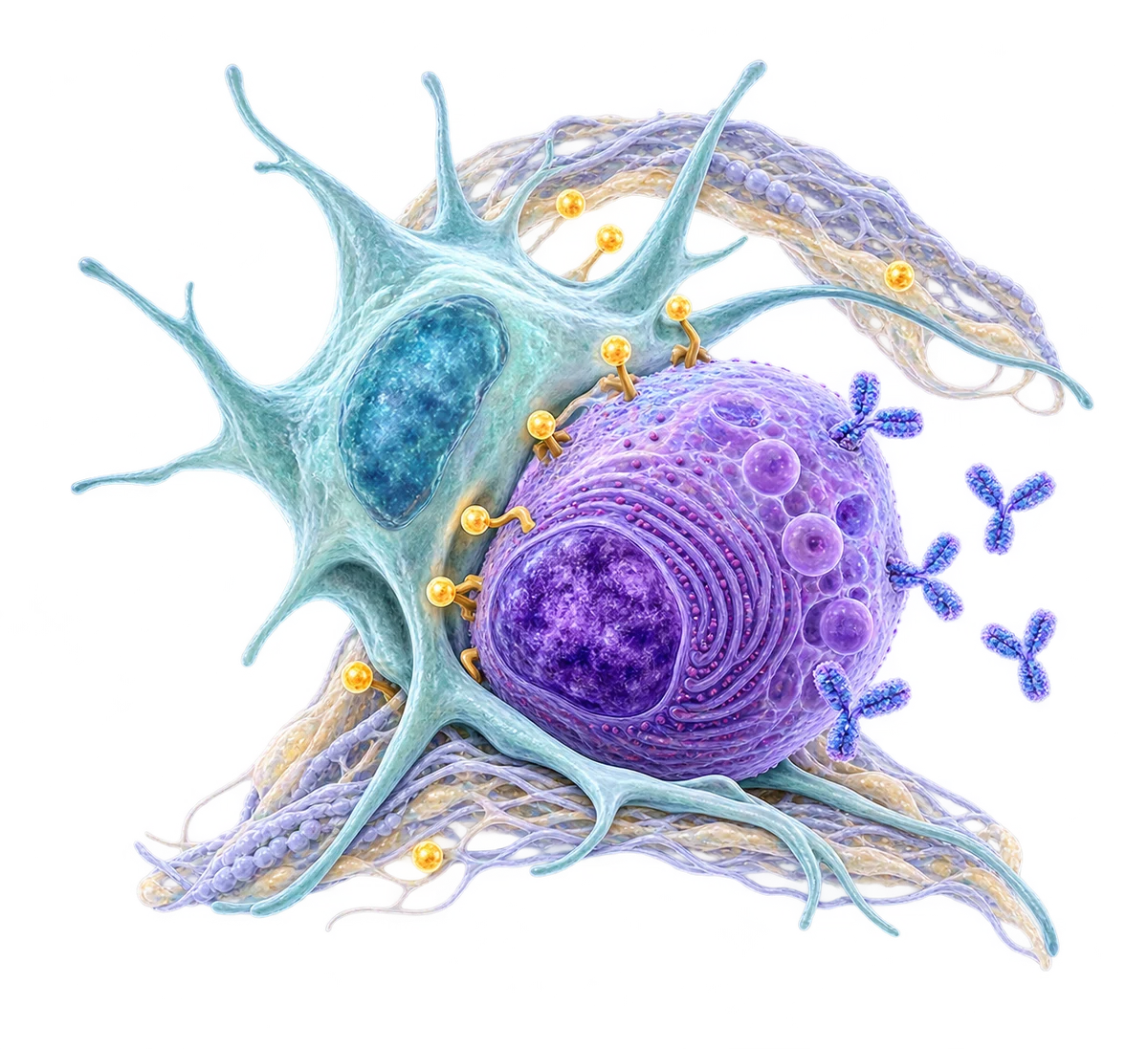
Some cells enter supportive niches and become long-lived plasma cells.
Specialized cellular functions contribute to coordinated immunity.
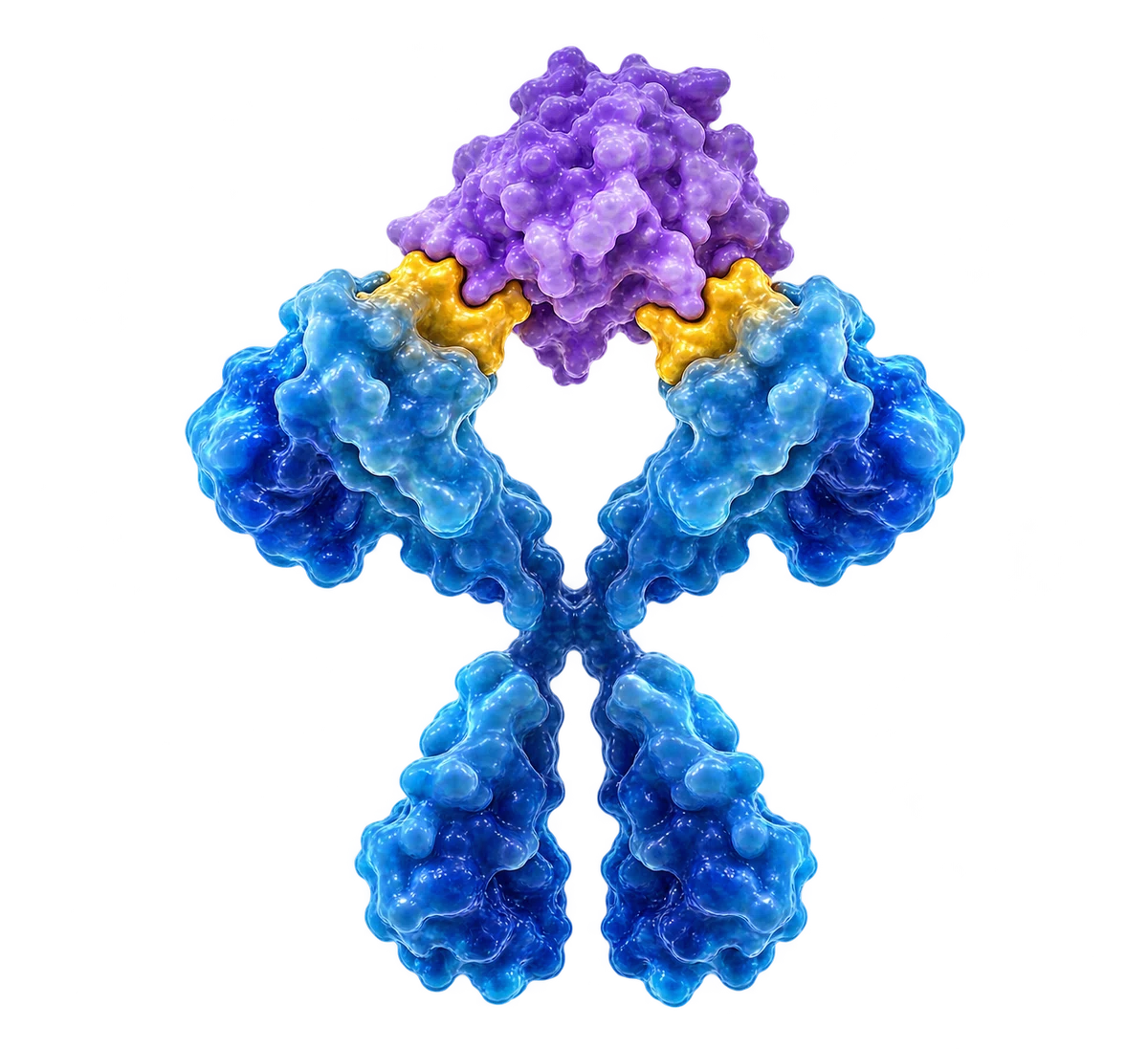
Antibodies retain the antigen specificity selected during the B-cell response.
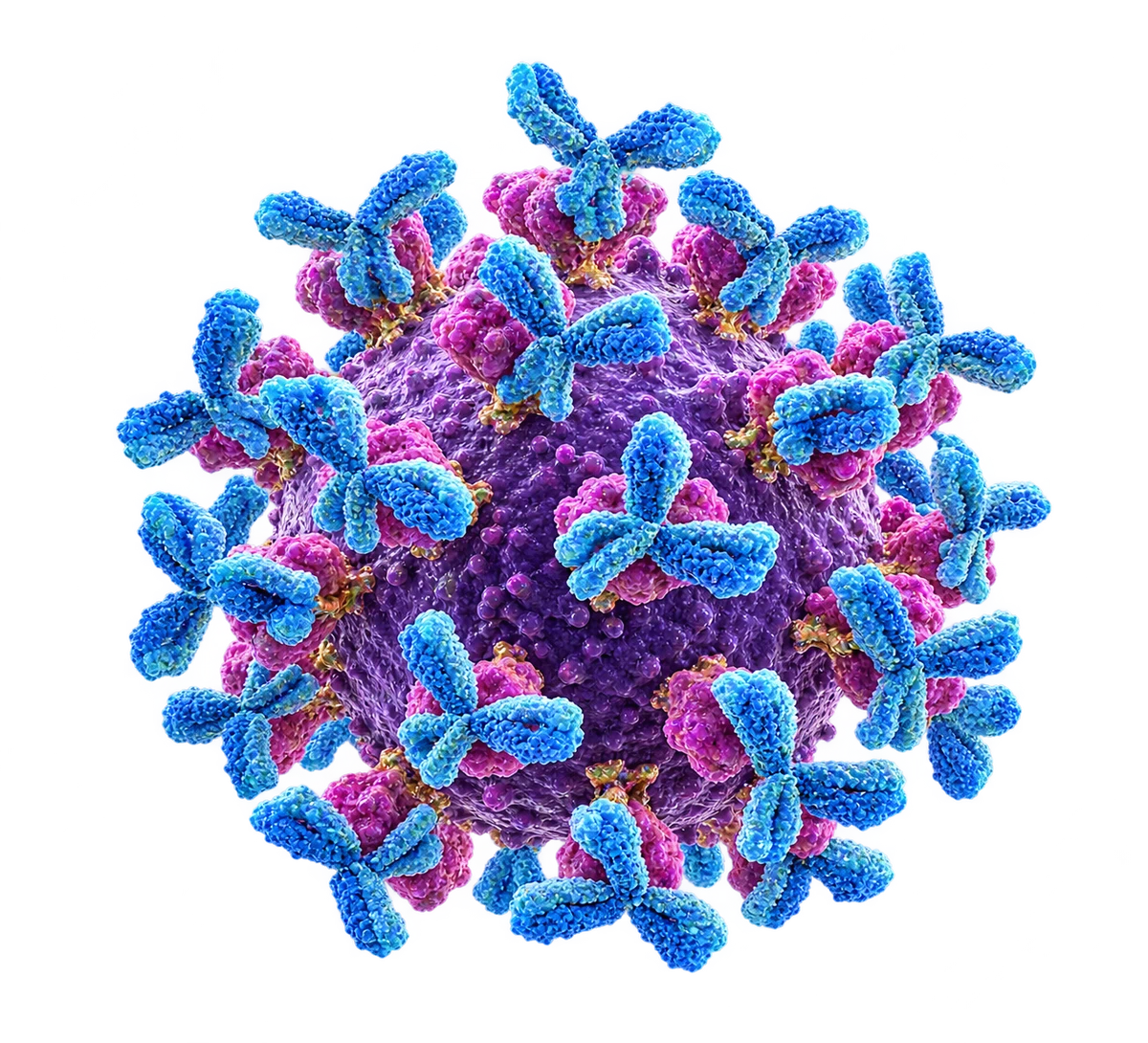
Soluble antibodies can neutralize pathogens and assist other immune mechanisms.

Long-lived plasma cells continue secretion after the original response has ended.
Persistent antibodies and memory B-cell recall provide complementary forms of protection.

Age-associated changes can affect the wider B-cell response and its supporting environments.
Artwork illustrates the main mechanisms schematically; molecular sizes, colors and distances are not literal.