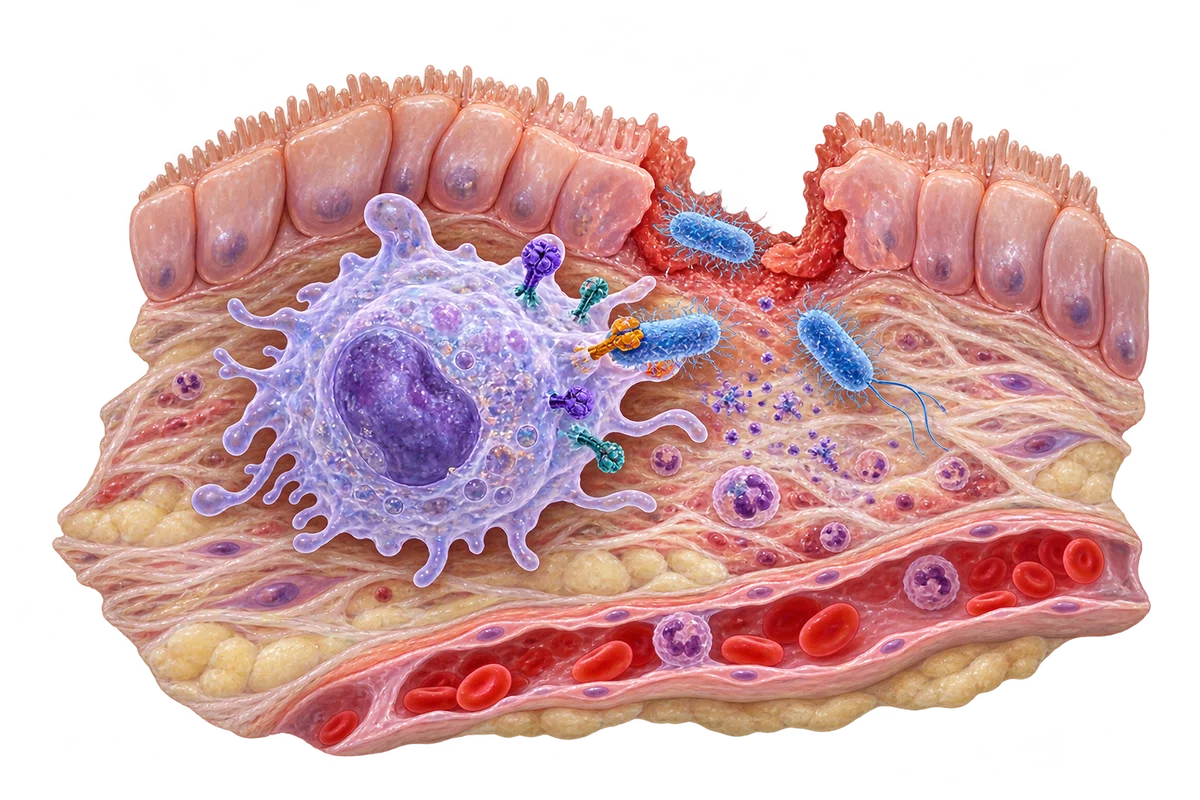
1Detection
Resident immune cells recognize microbes or signals released by damaged tissue.
 Subscribe
Inflammation is the body’s coordinated response to infection, injury and other harmful conditions. It helps recruit immune cells, remove threats and begin repair. When responses are excessive, misdirected or persistent, they can damage tissues and contribute to disease.
Explore inflammation →Inflammation is a coordinated response involving innate and adaptive immune cells, blood vessels and tissue cells. Microbial signals or tissue injury trigger mediators that change blood flow, vascular permeability and leukocyte movement.
Its purpose is to contain a threat, clear harmful material and support recovery. The response must also be controlled and resolved.
Learn the basics →Five connected processes help move a local response toward recovery.
Resident immune cells recognize microbes or signals released by damaged tissue.
Cytokines, chemokines and other mediators coordinate local responses.
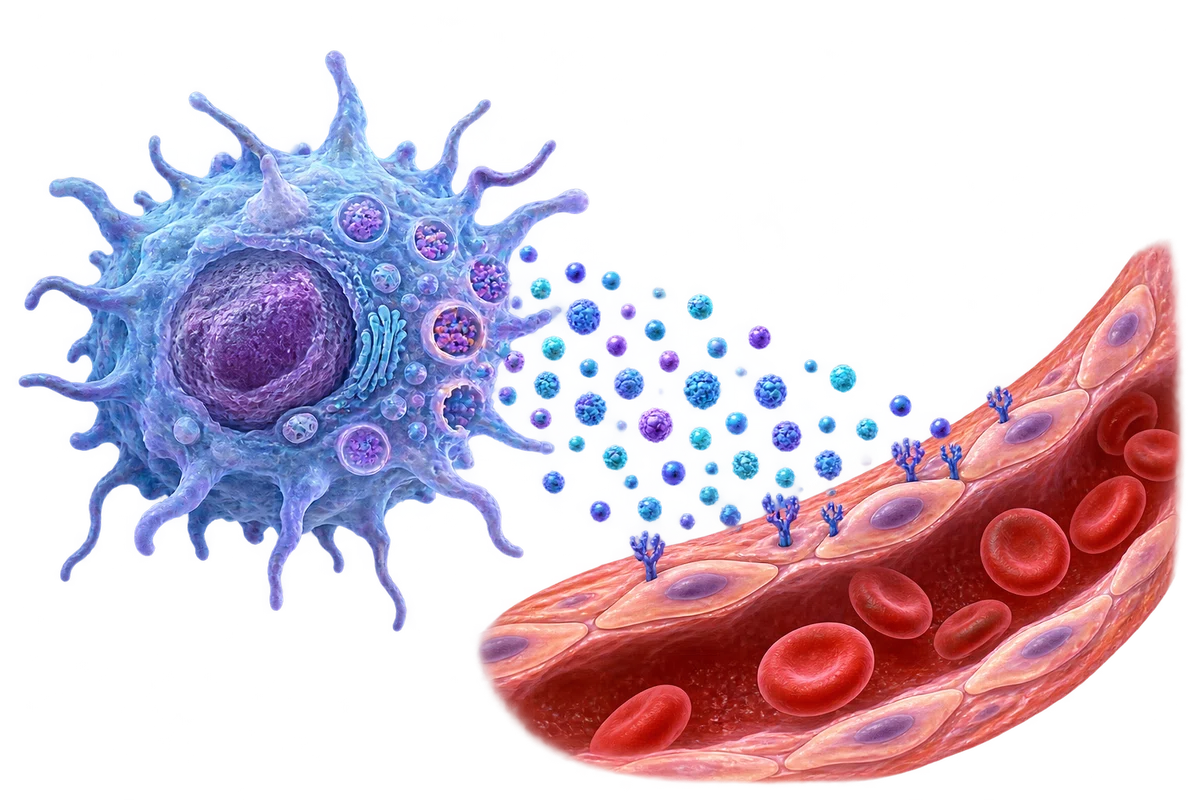
Vascular changes and adhesion signals bring leukocytes into the affected tissue.

Immune cells and proteins help remove microbes, debris and damaged cells.

Active stop signals, cellular cleanup and repair help restore tissue function.

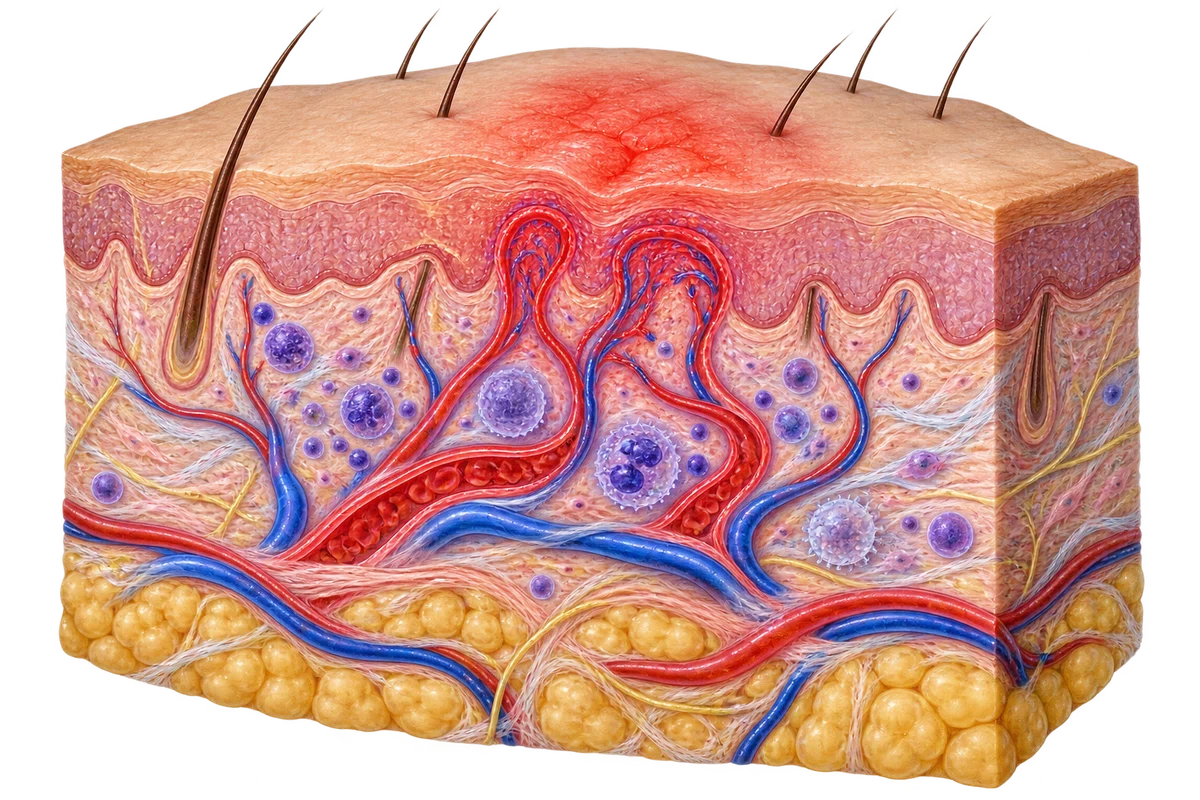
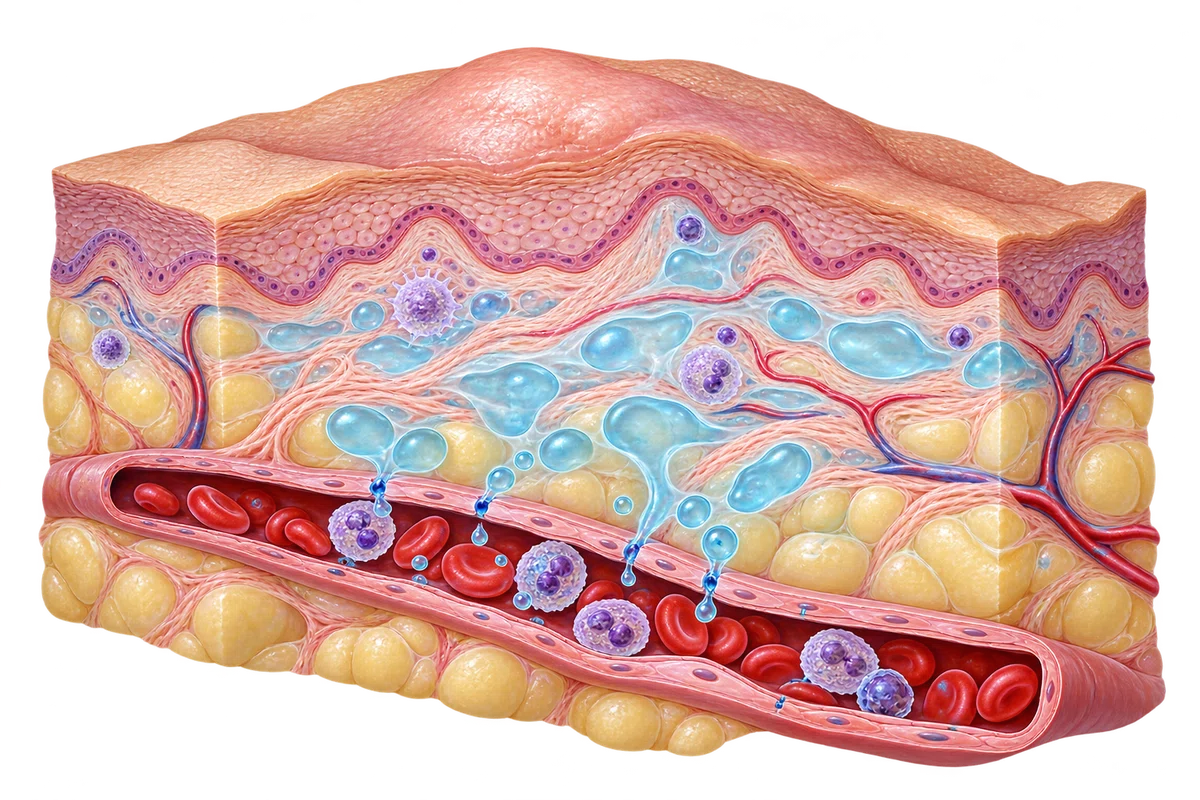
Classic local signs include redness, warmth, swelling, pain and loss of function. They reflect changes in blood flow, fluid movement and tissue signaling. Not every inflammatory process causes all five visible signs.


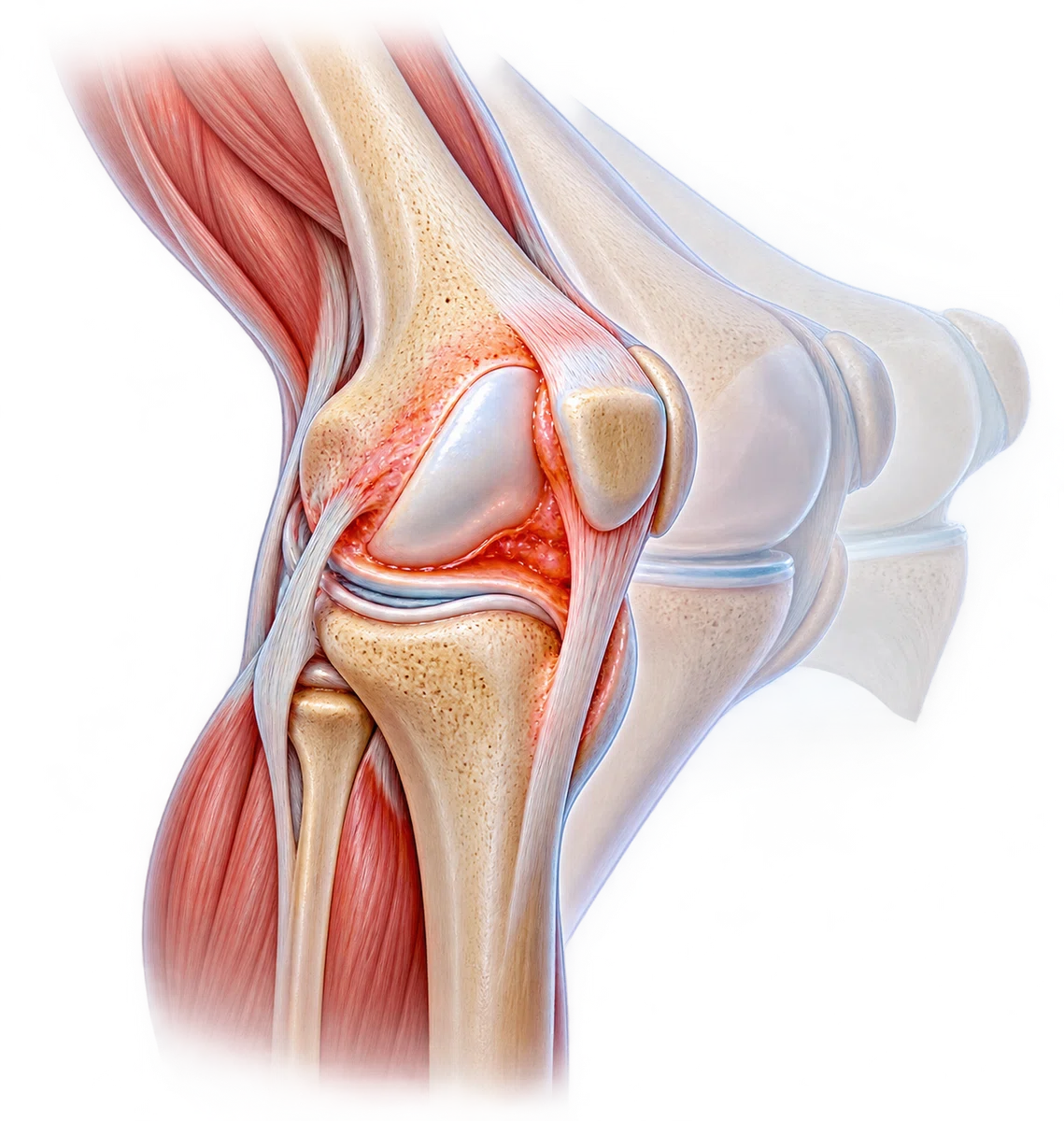
An appropriately regulated response supports protection and recovery.
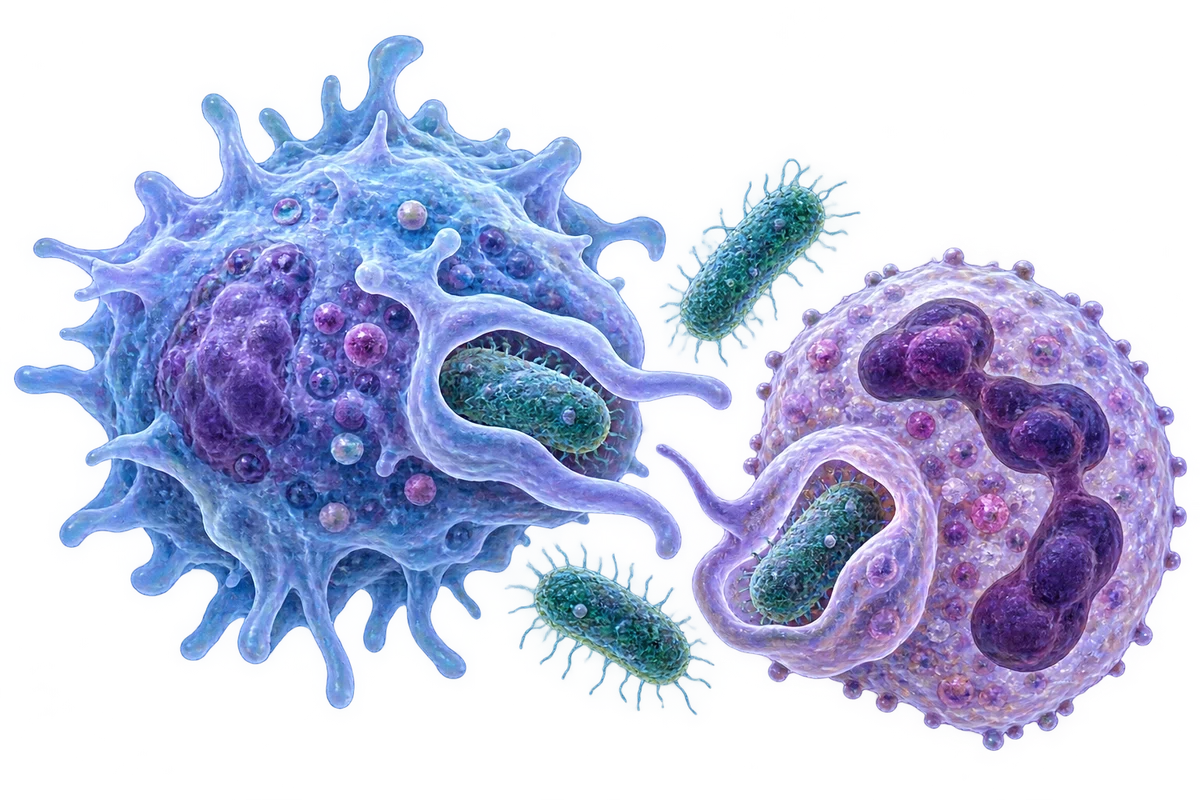
Helps eliminate viruses, bacteria and other microbes.
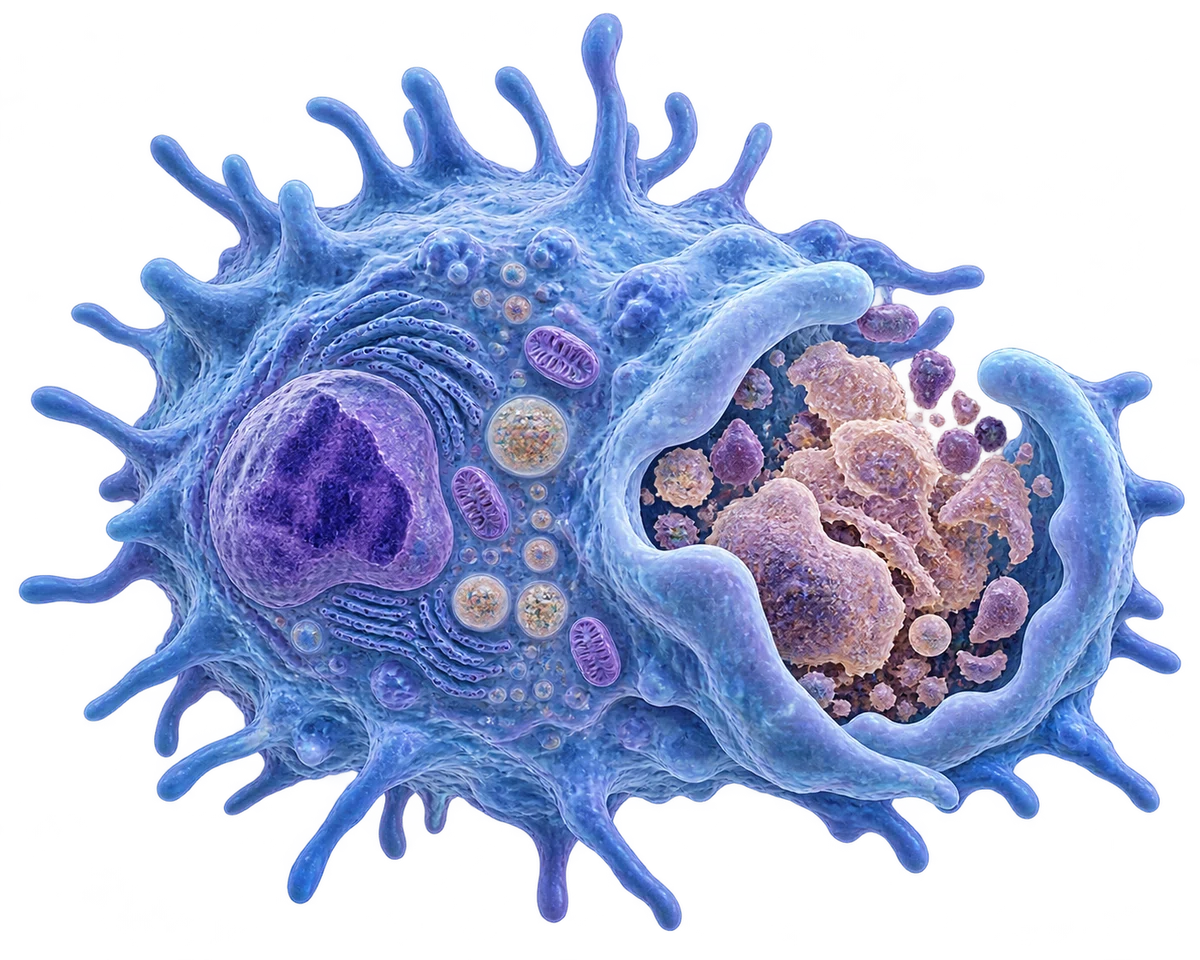
Removes dead cells and tissue debris.
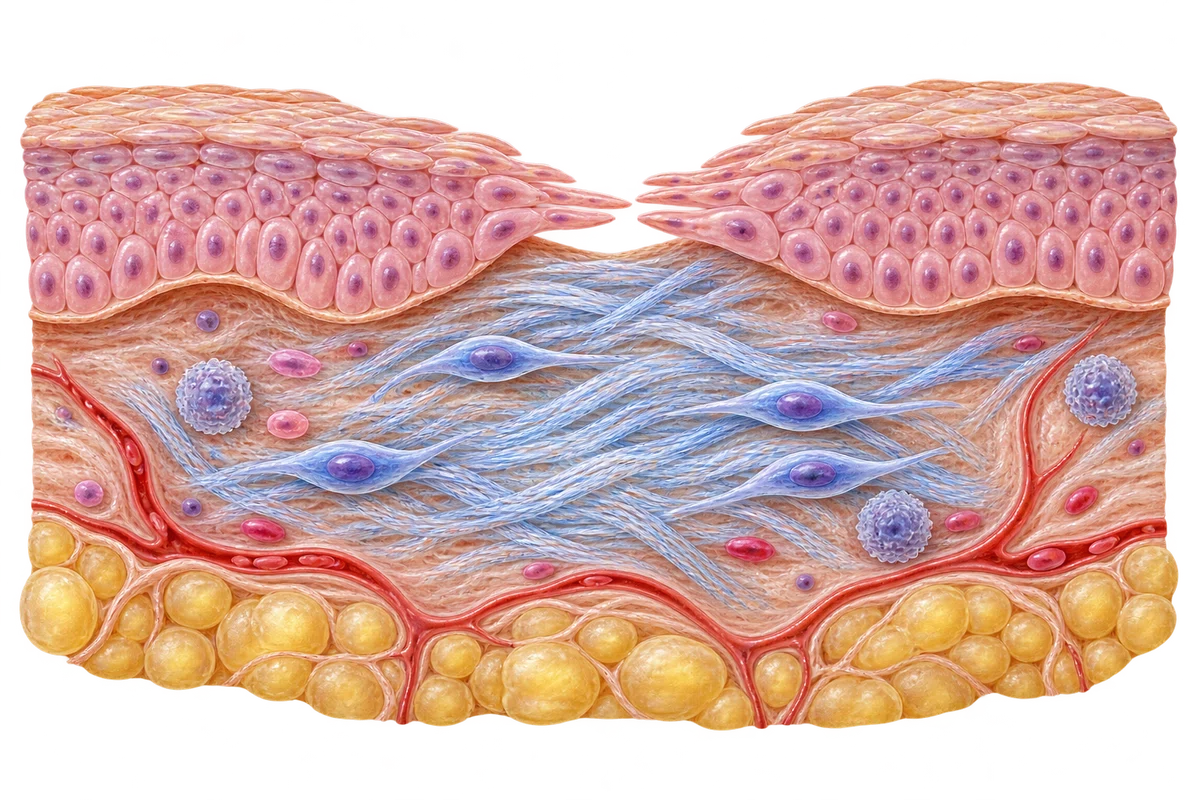
Creates signals and conditions that support tissue restoration.
Excessive, misdirected or persistent inflammation can damage healthy tissue. Chronic inflammatory processes contribute to many diseases, alongside other genetic, environmental and metabolic factors. Inflammation is not the sole cause of every condition shown here.


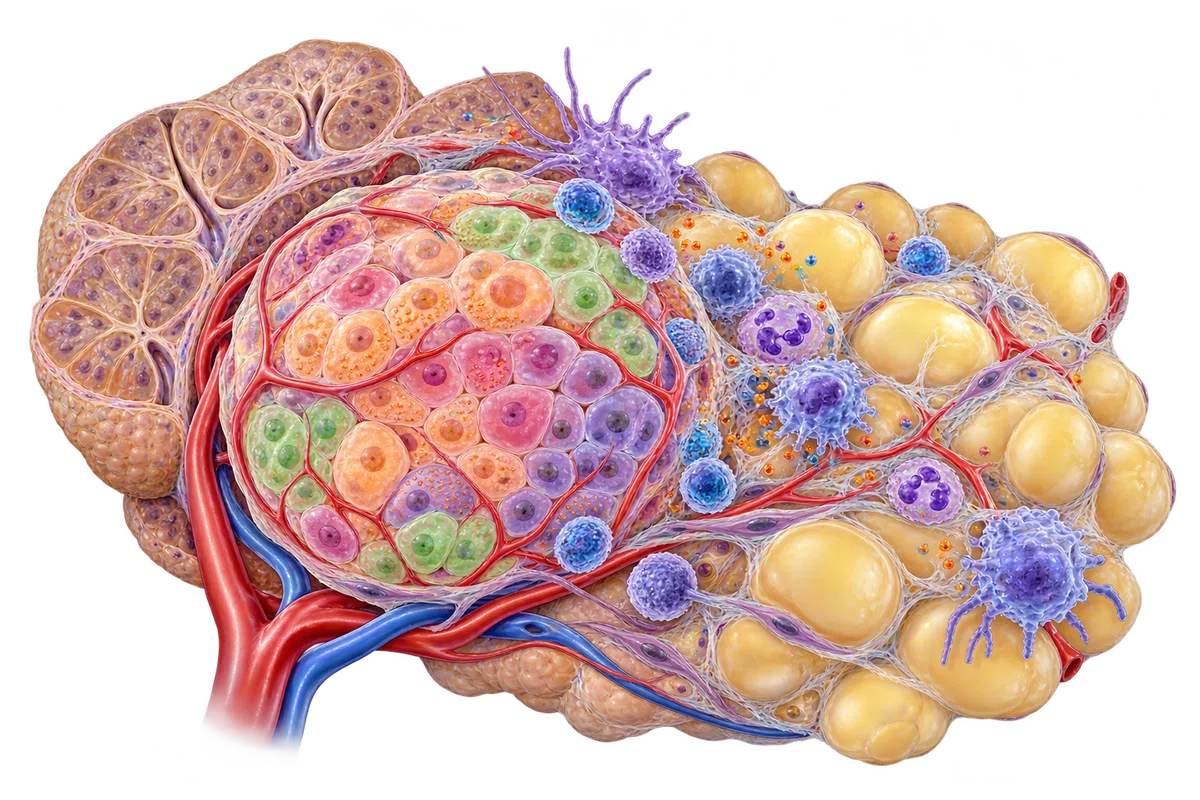
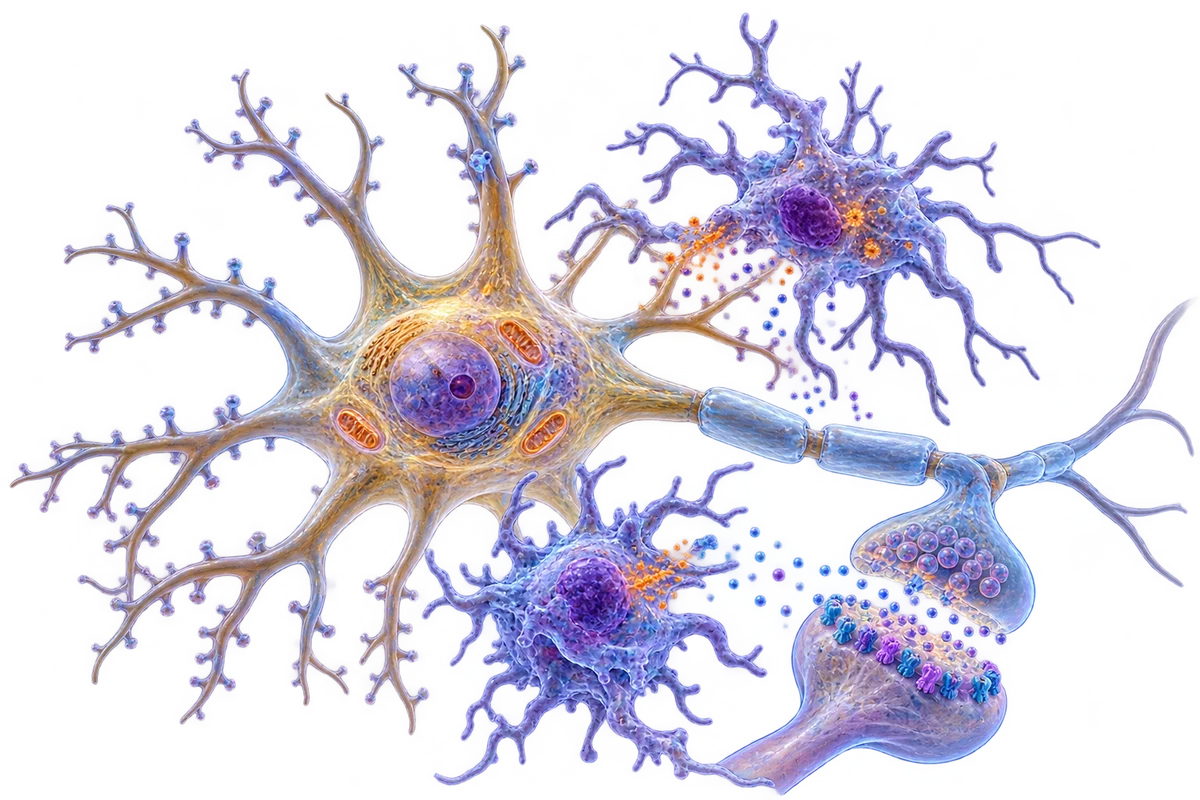
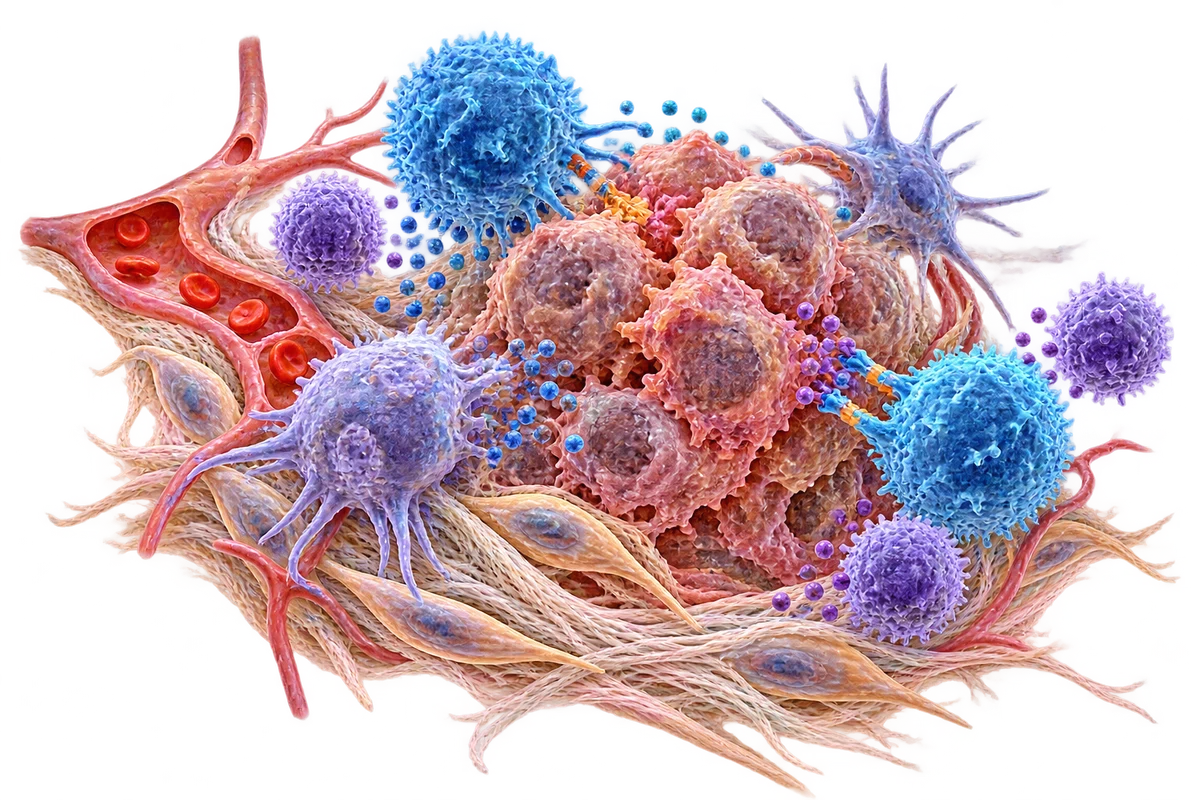
Persistent low-grade inflammation is often called inflammaging. It is associated with aging and several age-related diseases, but varies greatly between people. Changes in immune regulation, tissue damage and resolution pathways all contribute.
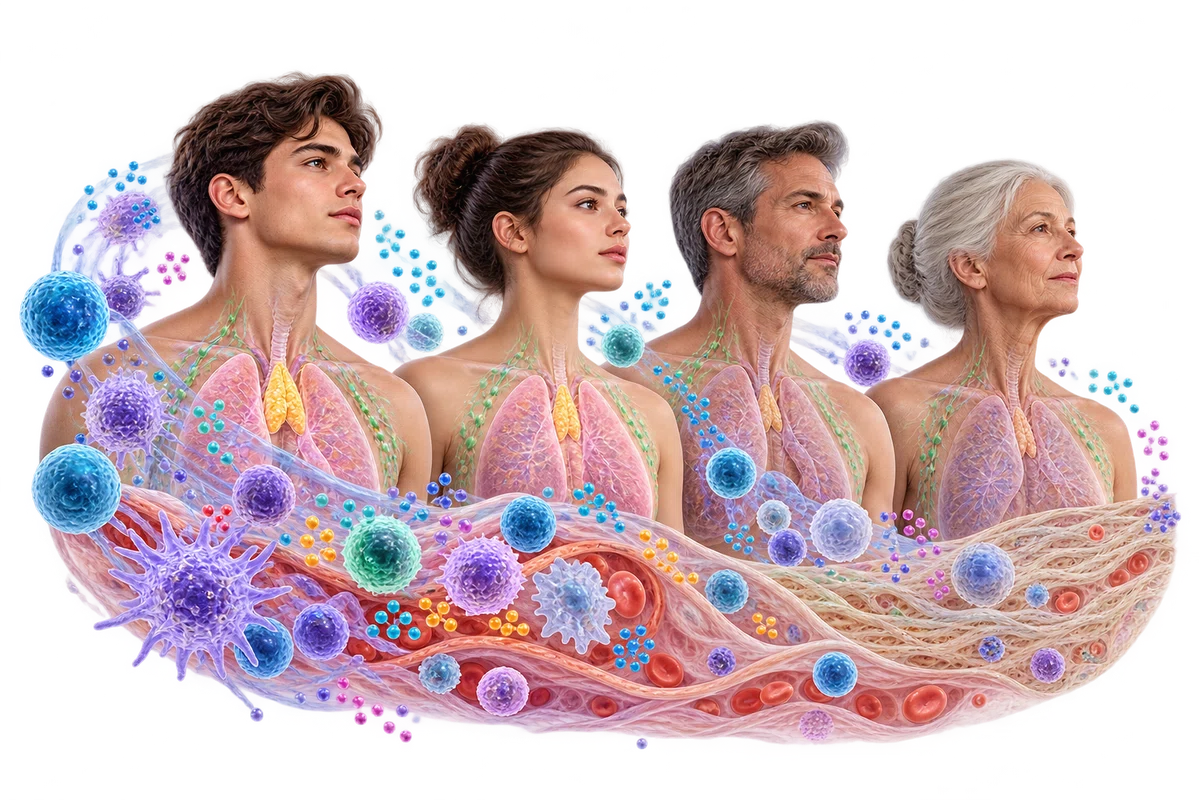 Explore inflammaging →
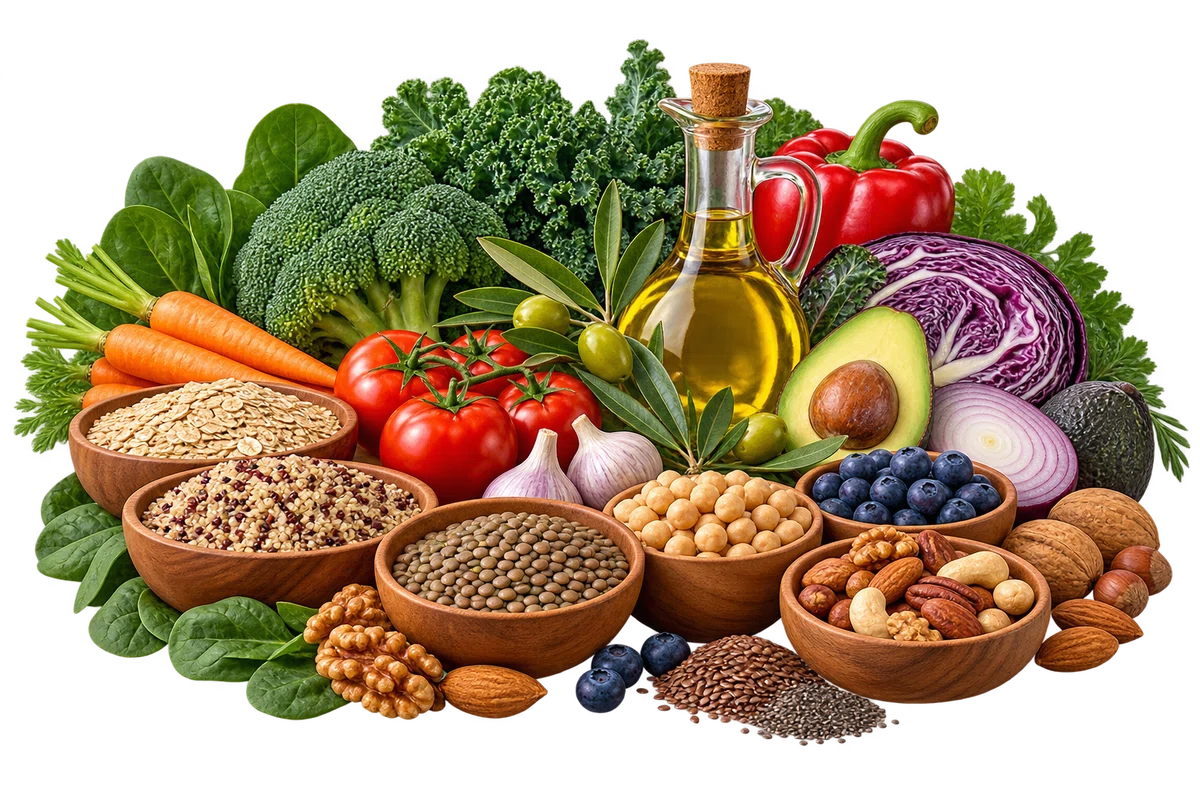
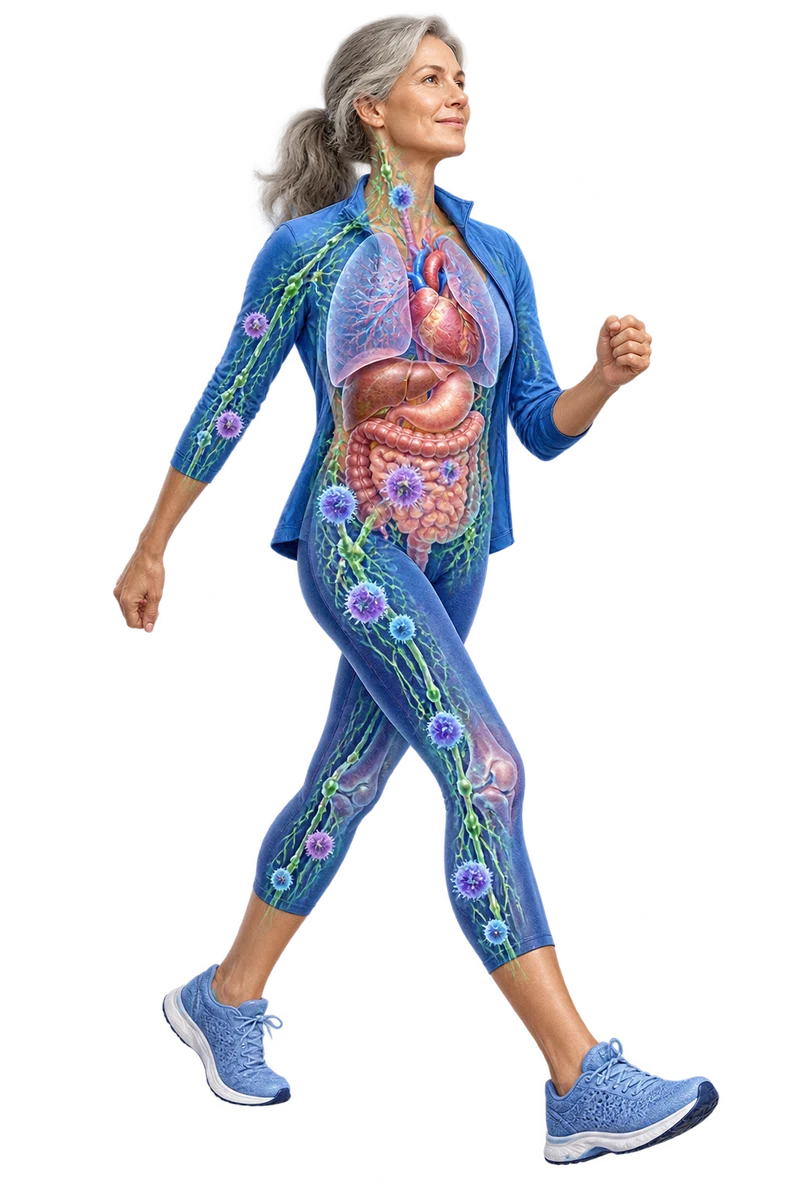
A balanced dietary pattern, regular physical activity, adequate sleep, stress management and avoiding tobacco support overall health and can influence inflammatory processes. Their effects vary; the goal is healthy regulation, not eliminating inflammation.

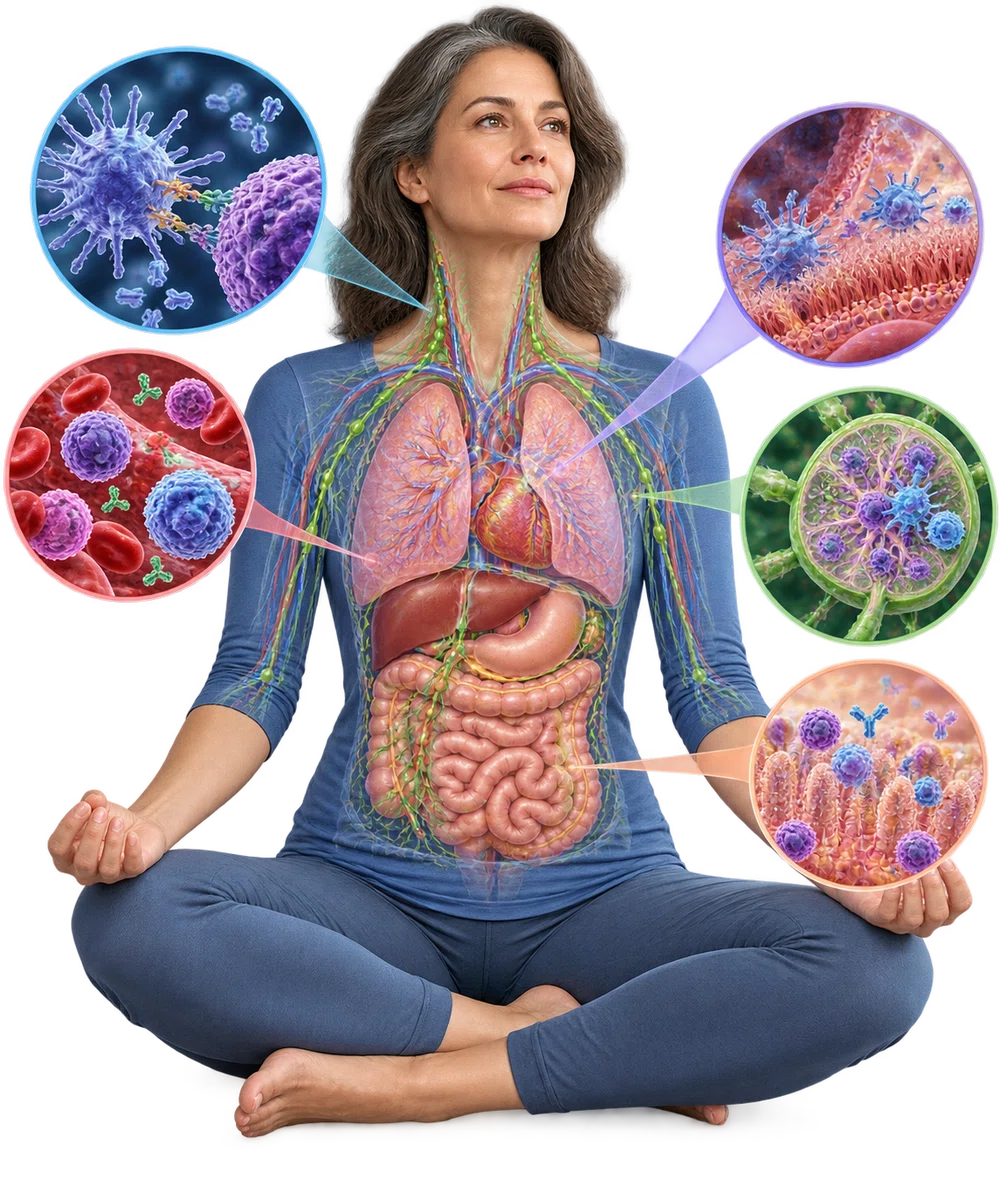

Understanding inflammation helps you understand defense, repair and long-term health.
Explore more topics →Artwork illustrates the main mechanisms schematically; molecular sizes, colors and distances are not literal.