Viruses
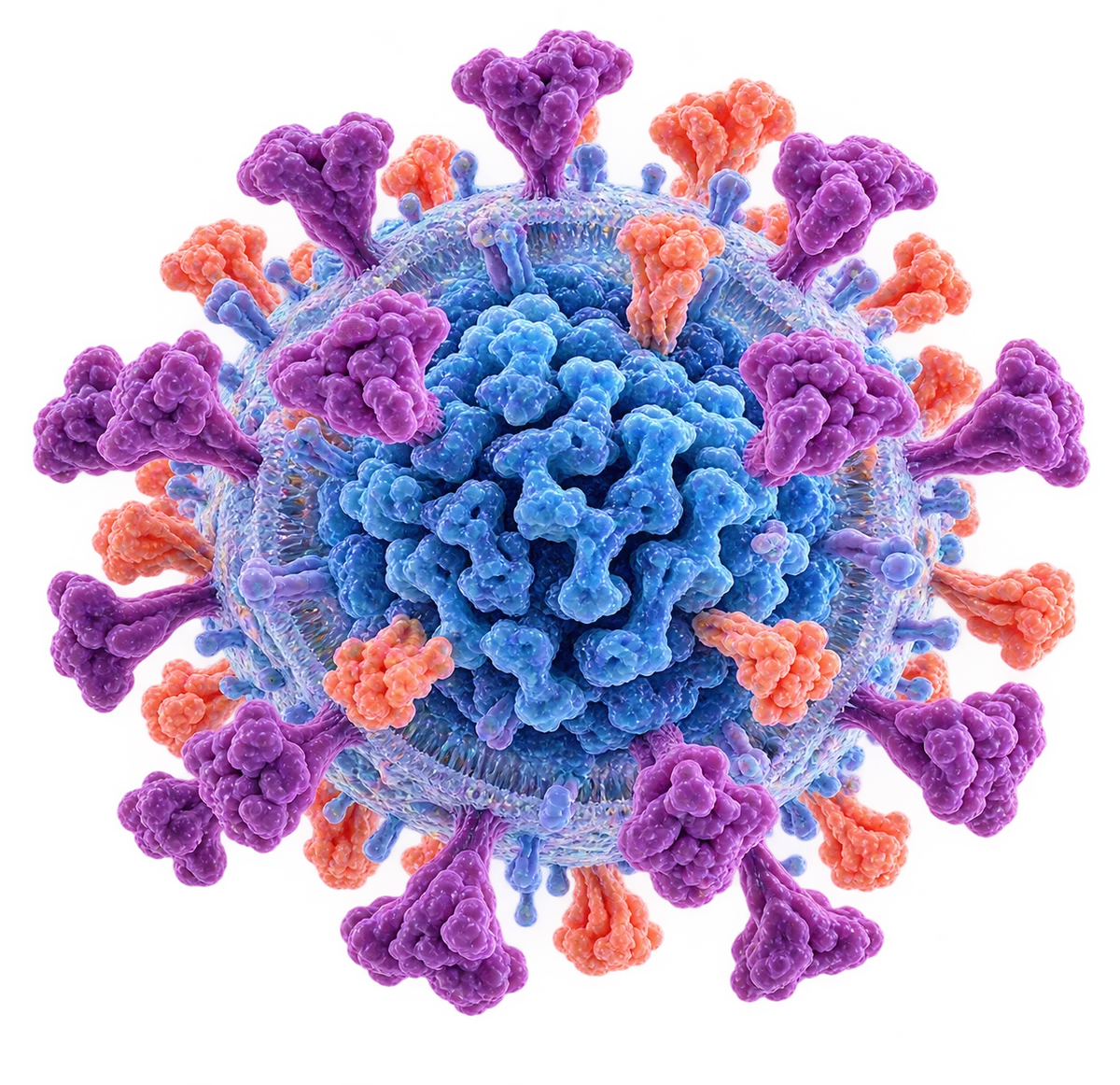
Replicate inside host cells. A protein coat surrounds their genetic material; some have an envelope. Examples: influenza and SARS-CoV-2.
 Subscribe
From common colds to serious disease, infections challenge the body’s defenses. Learn how the immune system recognizes and controls pathogens, how immune memory develops, and how prevention can reduce risk.
Explore the science →Infection occurs when a pathogen enters the body, establishes itself and multiplies. Infection can be asymptomatic or cause illness.
The outcome depends on the pathogen, the site of infection and the host response. Not all microbes are harmful, and not every exposure leads to infection.
Learn how defenses work →Replicate inside host cells. A protein coat surrounds their genetic material; some have an envelope. Examples: influenza and SARS-CoV-2.

Single-celled organisms; many are harmless or beneficial. Examples of pathogens: Streptococcus and M. tuberculosis.
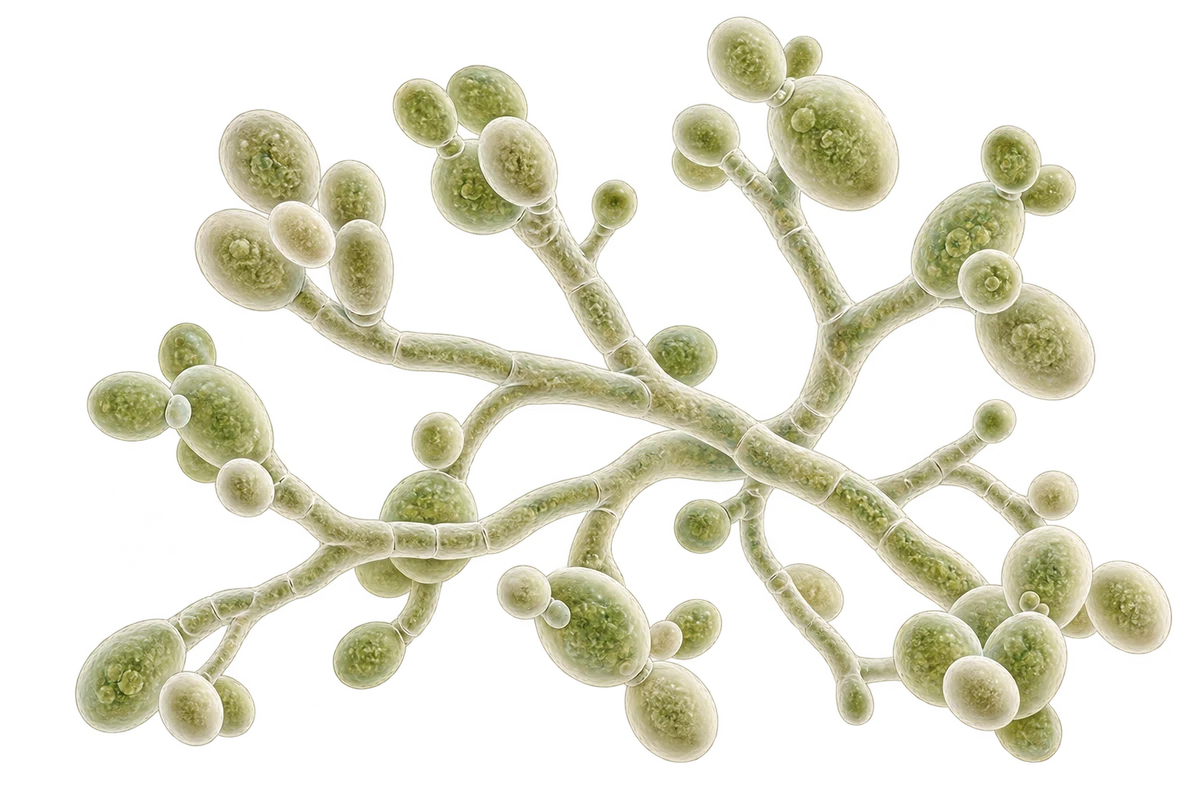
Yeasts and molds can cause superficial or invasive infections. Examples: Candida and Aspergillus.

Protozoa and helminths may have complex life cycles. Examples: Plasmodium and intestinal worms.
A coordinated, multilayered defense.
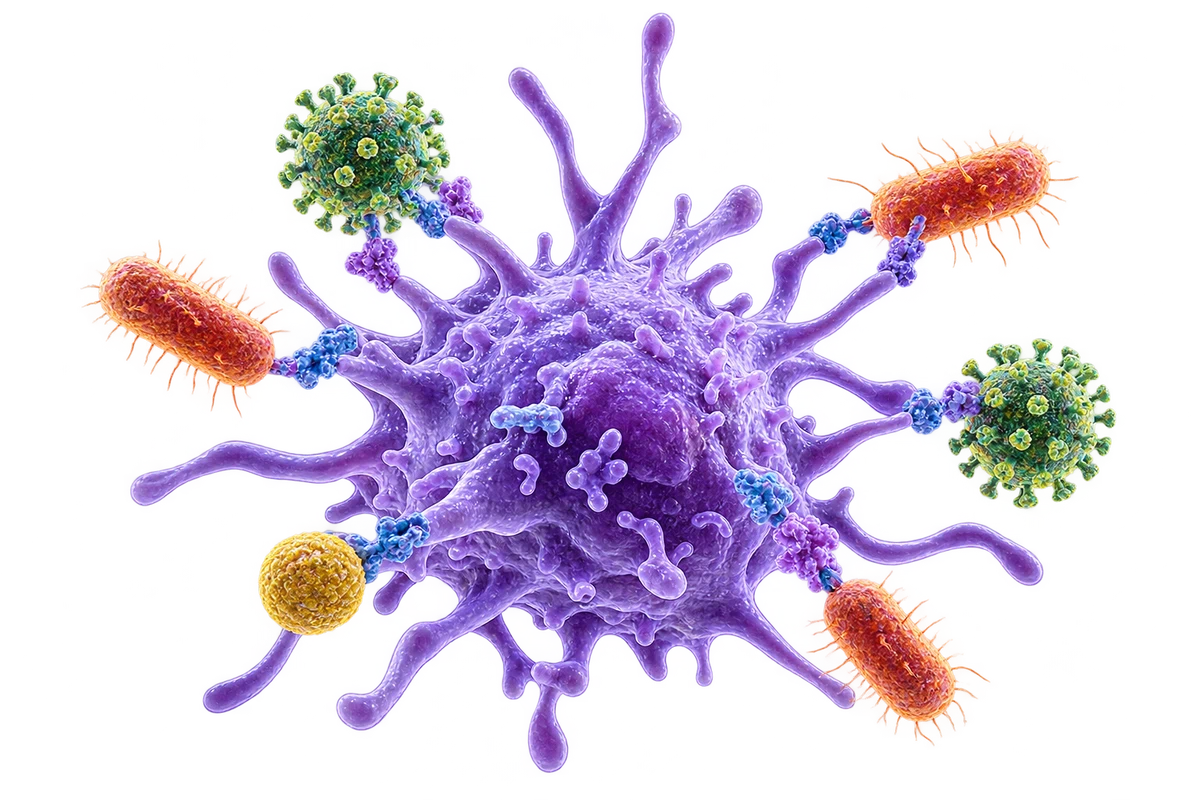
Innate receptors detect microbial patterns and tissue damage.
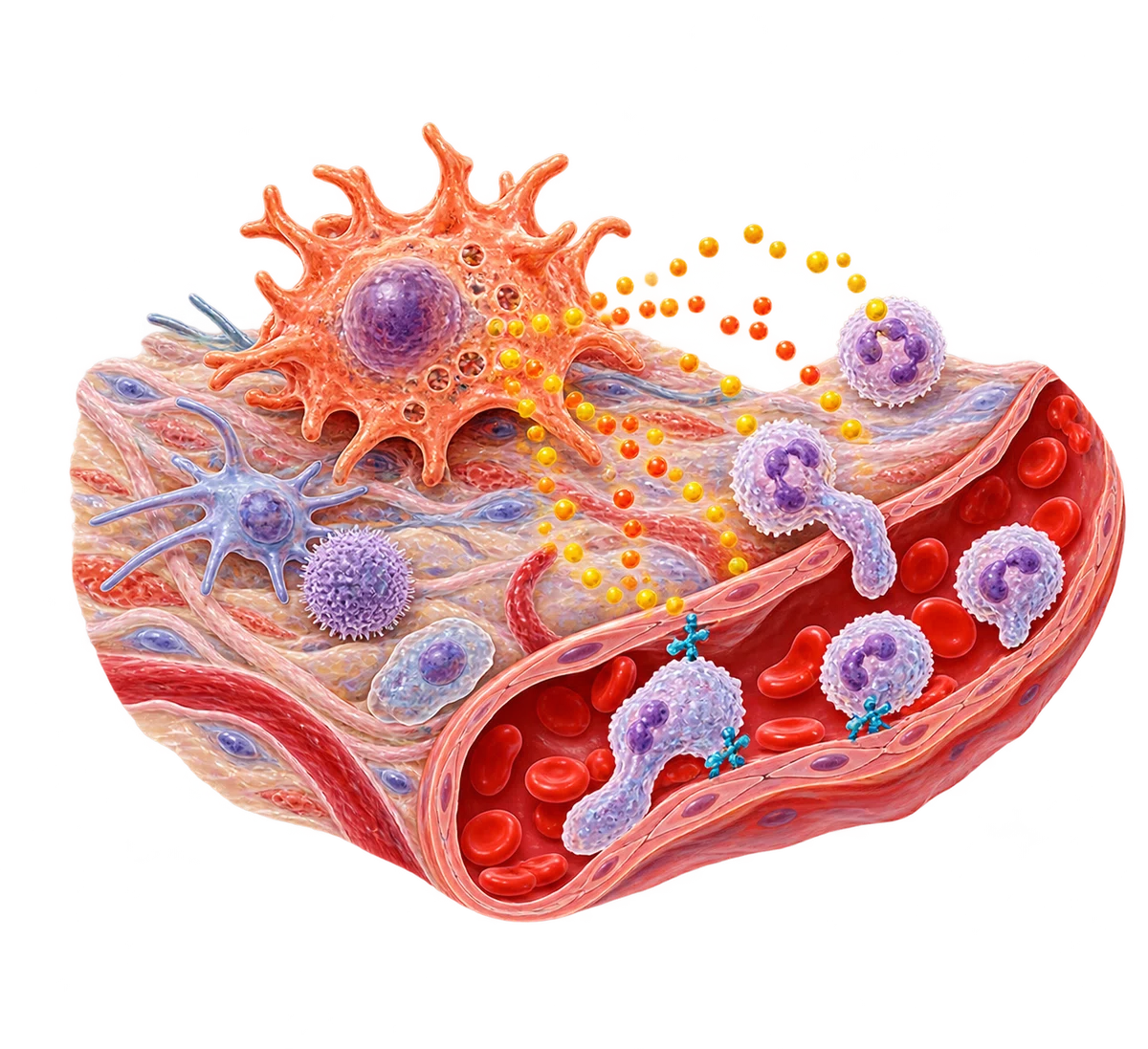
Local mediators recruit cells and coordinate an initial defense.
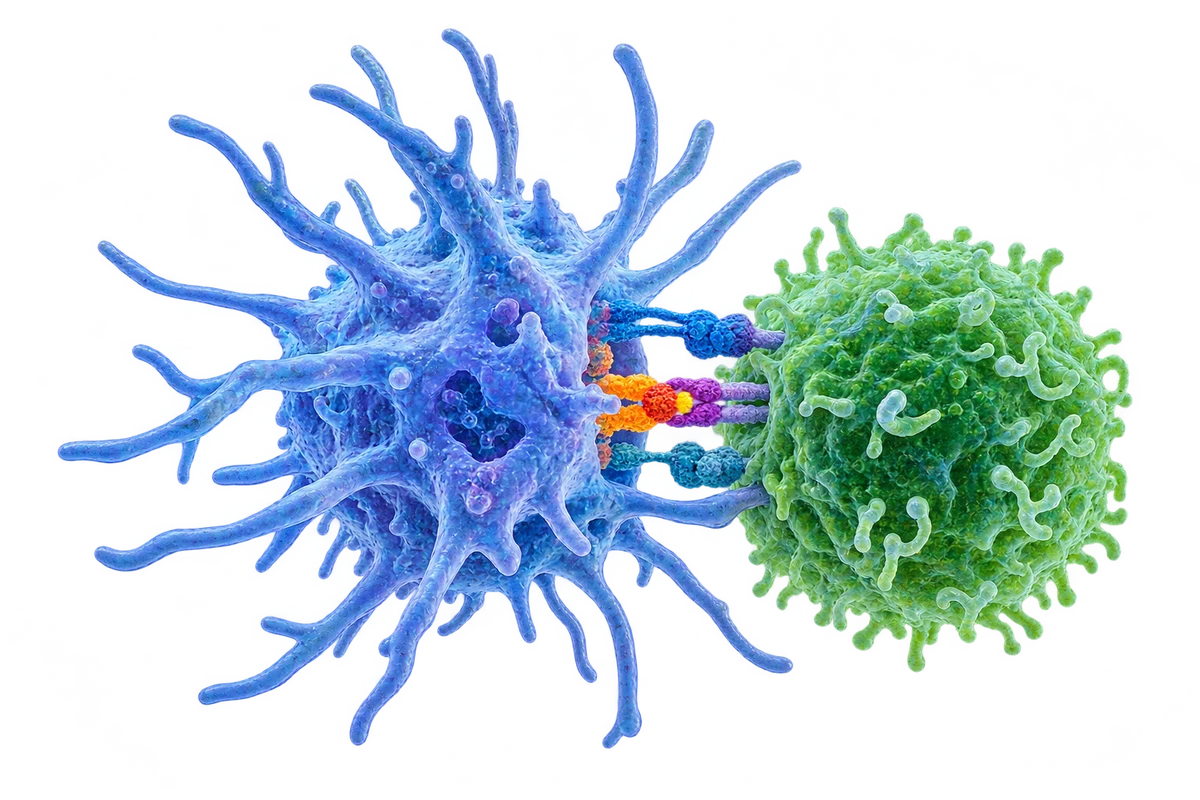
Antigen presentation and other signals activate specific T- and B-cell responses.
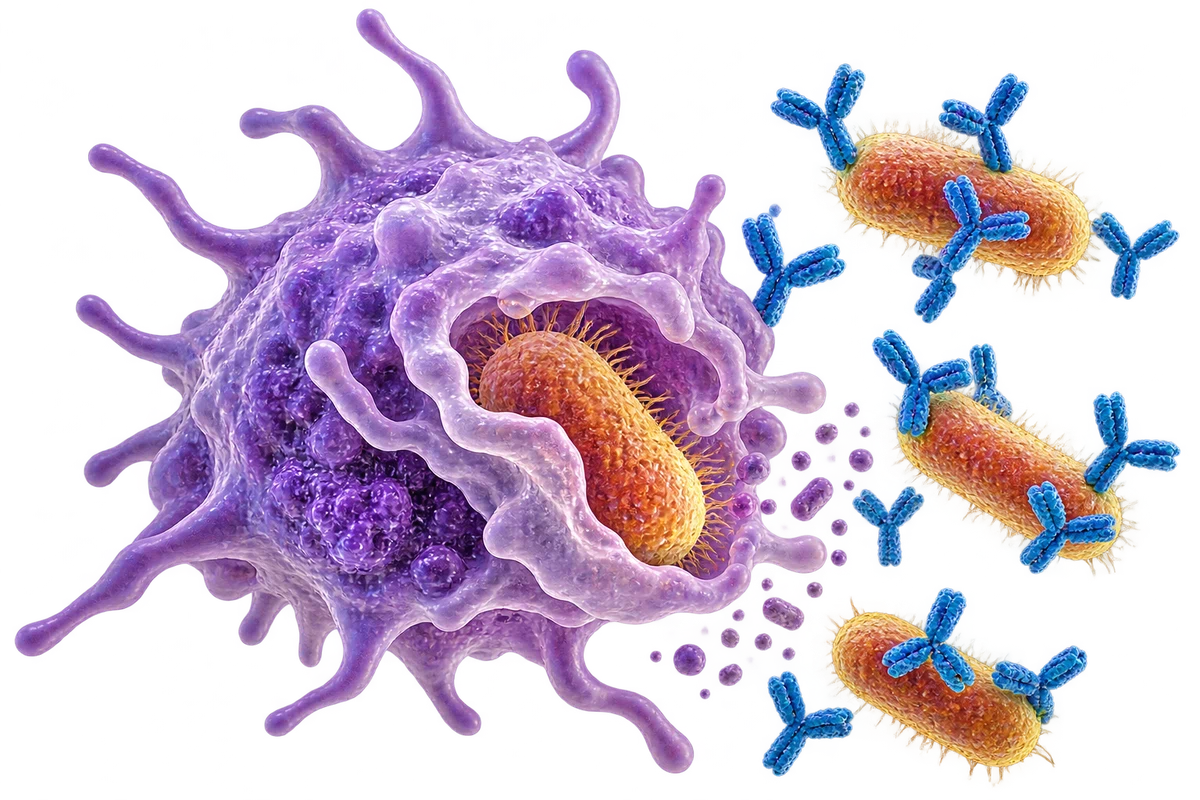
Phagocytes, antibodies and effector T cells help remove pathogens and infected cells.

Some activated lymphocytes persist and respond more efficiently upon re-exposure.
Two complementary arms, working together.
Fast and broad
Specific and long-lasting
Patterns of exposure and disease severity change with age.

Immune responses are developing. Maternal antibodies provide temporary protection, and vaccination begins early.

Respiratory and gastrointestinal infections are common. Immune experience and vaccination build specific protection.

Exposure patterns change with school, social contact and activities. Recommended vaccines remain important.

Risk varies with exposure, occupation, travel, health conditions and vaccination status.

Immune changes and chronic conditions can increase the severity of some infections.
Why some infections become more consequential.

Vaccination, timely assessment and appropriate treatment help reduce avoidable harm.
Learn about immune aging →Practical steps that reduce infection risk.
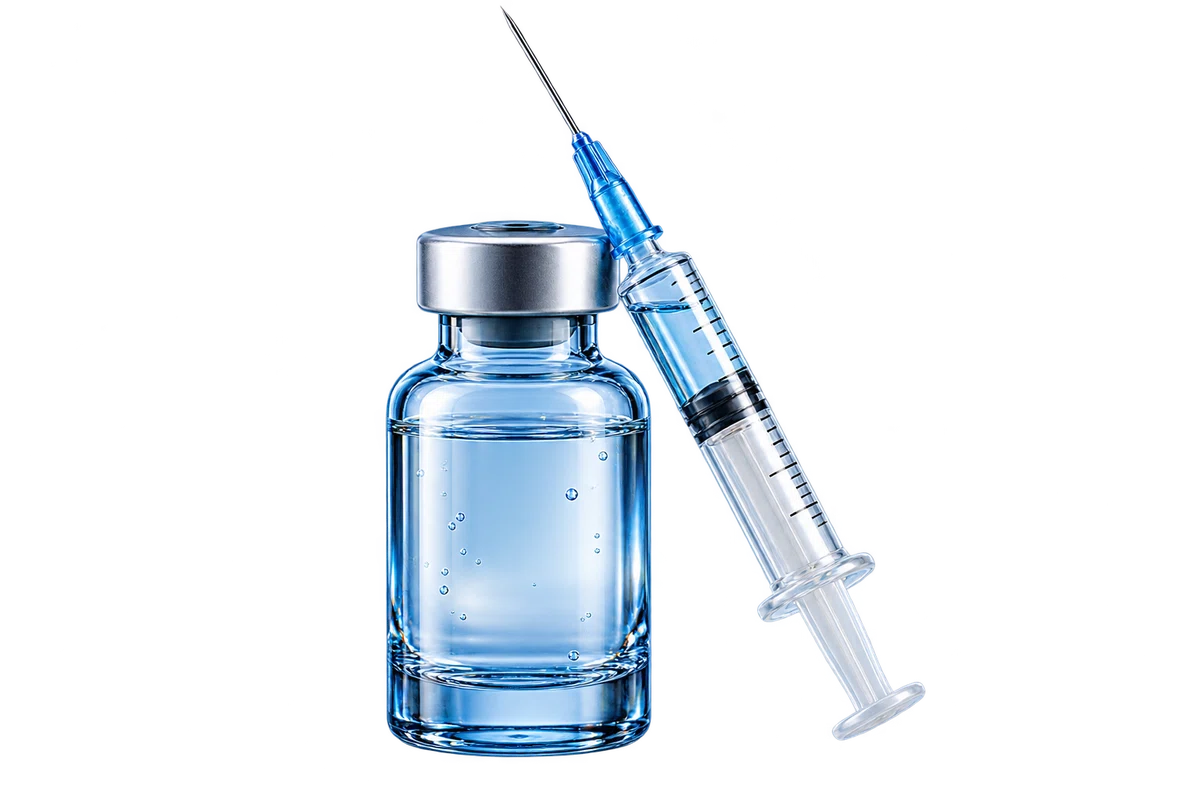
Stay up to date with recommended vaccines.

Handwashing and food safety limit transmission.

Sleep, nutrition and regular activity support overall health.

Use appropriate ventilation and protective measures.
Understanding infections helps you make informed choices for yourself and the people around you.
Explore vaccination →Artwork illustrates the main mechanisms schematically; molecular sizes, colors and distances are not literal.