> Infections & Diseases > When Immunity Goes Wrong When ImmunityGoes Wrong Too little. Too much. Or in the wrong place. The immune system protects us, but its responses must be regulated. Impaired defenses, loss of tolerance and inappropriate inflammation can contribute to disease. Understanding these mechanisms helps explain conditions ranging from immunodeficiency and allergy to autoimmunity and cancer.
Explore the science → Overview Four major mechanisms Common examples Scientific sources Overview Normal immune responses control infections, remove damaged cells and help maintain tissue integrity. Their strength, timing and location matter.
Problems arise when responses are too weak, excessive, misdirected or poorly controlled. These categories can overlap, and individual diseases are often more complex than one mechanism.
Explore the mechanisms → Key Takeaways Immune dysregulation can contribute to many diseases. Genetic, environmental and lifestyle factors can interact. Both impaired and excessive responses can be harmful. Recognition and appropriate care can improve outcomes. Research is improving targeted treatments. “ Immunity is a double-edged sword: the same mechanisms that protect us can harm us when their regulation fails. — ImmuneForward The Four Major Ways Immunity Can Go Wrong Different mechanisms. Different consequences. A shared need for precise regulation.
1. Immunodeficiency Too little immunity Some defenses are absent, reduced or impaired, increasing vulnerability to particular infections.
May be inherited or acquired. Can affect antibodies, lymphocytes, phagocytes or complement. The pattern of infection depends on the affected pathway. Common examples → 2. Autoimmunity Immunity against self Loss of immune tolerance allows responses against the body’s own tissues.
Can affect one organ or several systems. T cells, autoantibodies and inflammatory mediators may contribute. Genetic and environmental factors interact. Common examples → 3. Allergy Inappropriate responses Immune responses to normally harmless substances can cause symptoms and tissue inflammation.
Many immediate reactions involve IgE and mast cells. Other allergic conditions involve additional pathways. Reactions range from local symptoms to anaphylaxis. Common examples → 4. Cancer and Immunity Abnormal cells escape control Tumors can evade immune recognition or suppress immune responses. Cancer also has many nonimmune causes.
Immune surveillance can detect altered cells. Tumors may inhibit immune-cell activity. Immunotherapy can restore or redirect some antitumor responses. Common examples → Common Examples Representative conditions—not a diagnostic checklist.
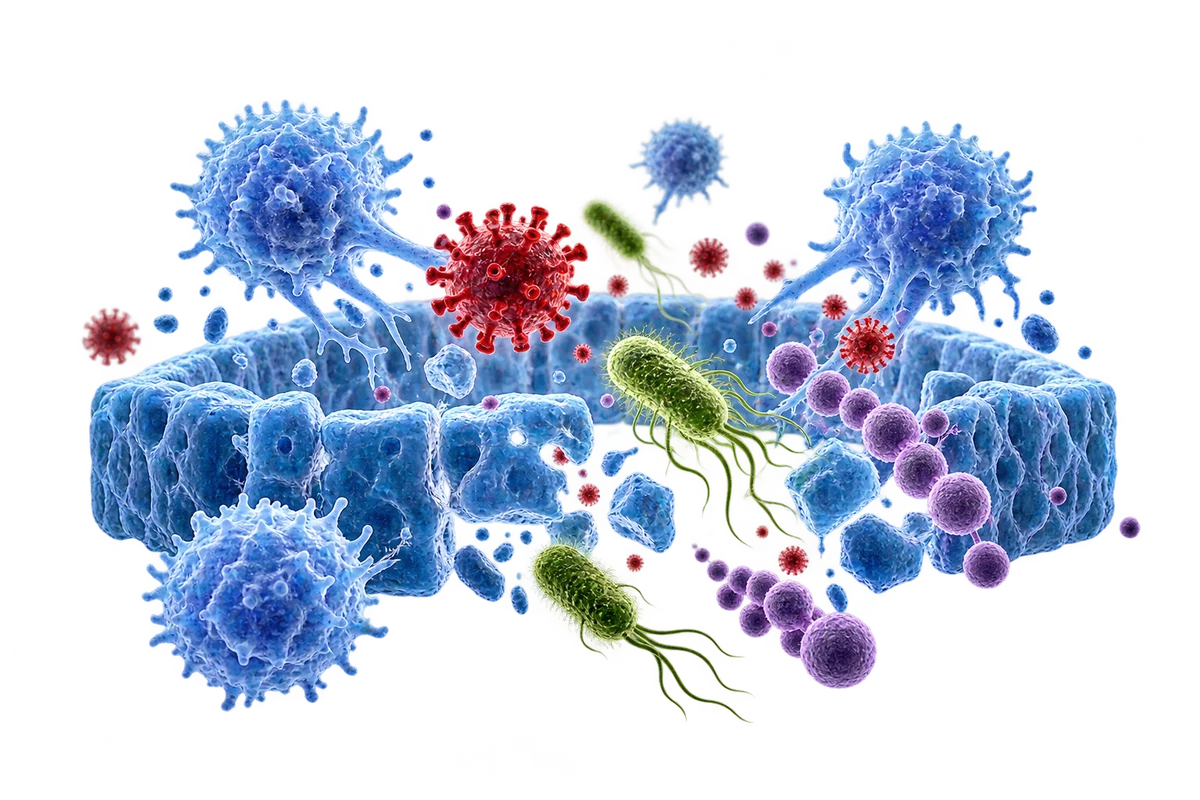
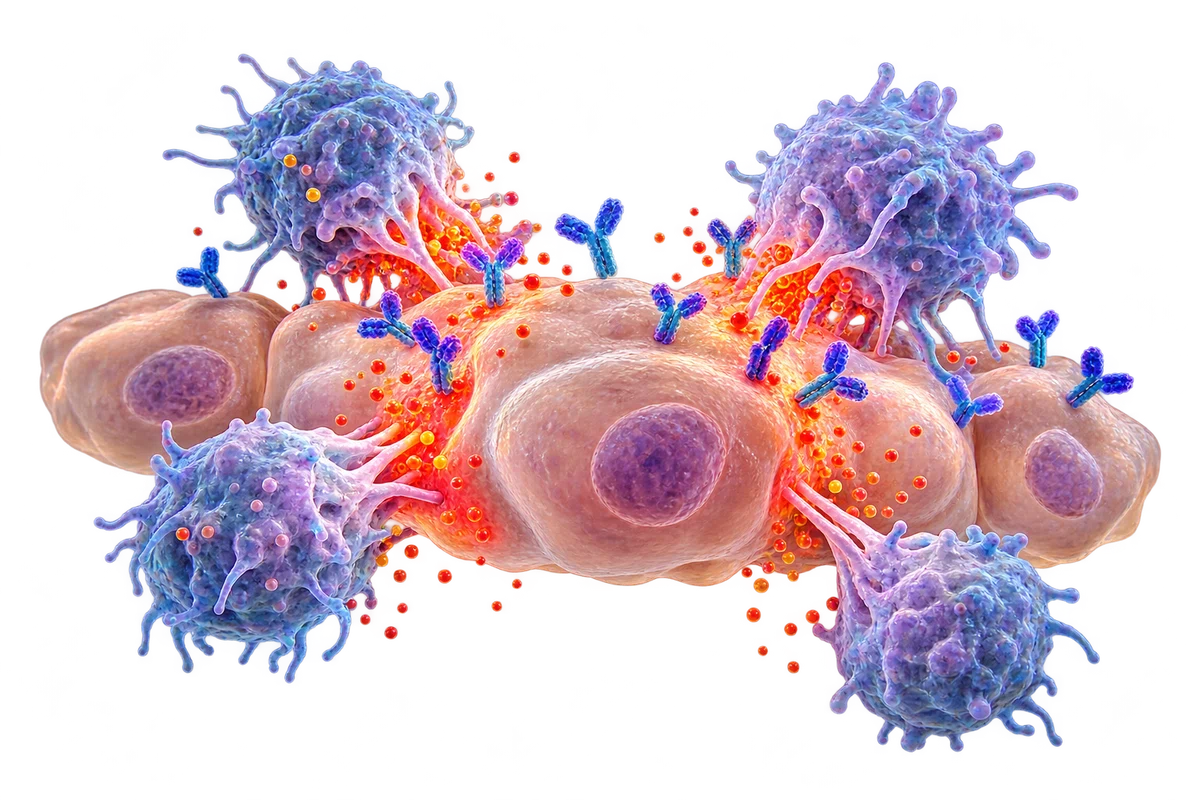
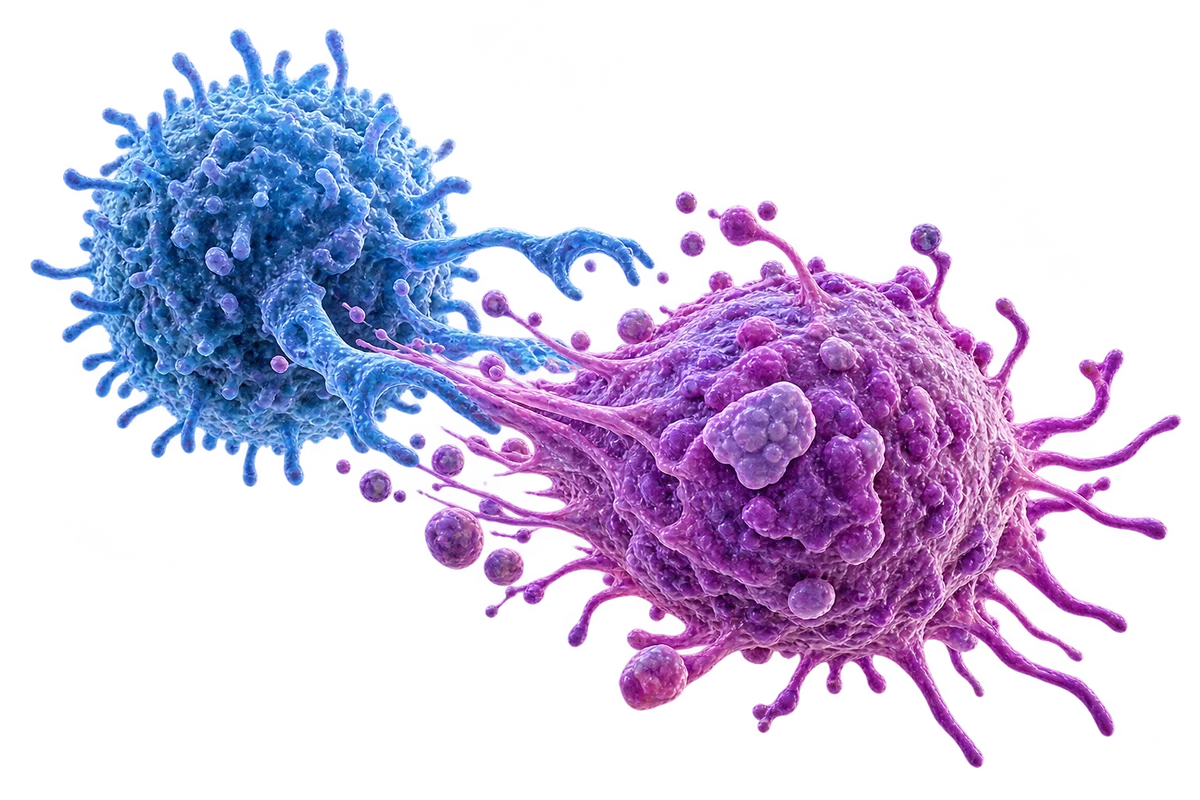
Immunodeficiency Severe combined immunodeficiency (SCID) Common variable immunodeficiency (CVID) Selective IgA deficiency HIV-associated immune deficiency Treatment-related immunosuppression Autoimmune Diseases Rheumatoid arthritis Systemic lupus erythematosus Type 1 diabetes Multiple sclerosis Autoimmune thyroid disease Allergic Conditions Allergic rhinitis Allergic asthma Food allergy Atopic dermatitis Drug and insect-venom allergy Cancer Types Melanoma Lung cancer Breast cancer Colorectal cancer Leukemias and lymphomas Selected sources and references Artwork illustrates the main mechanisms schematically; molecular sizes, colors and distances are not literal.