
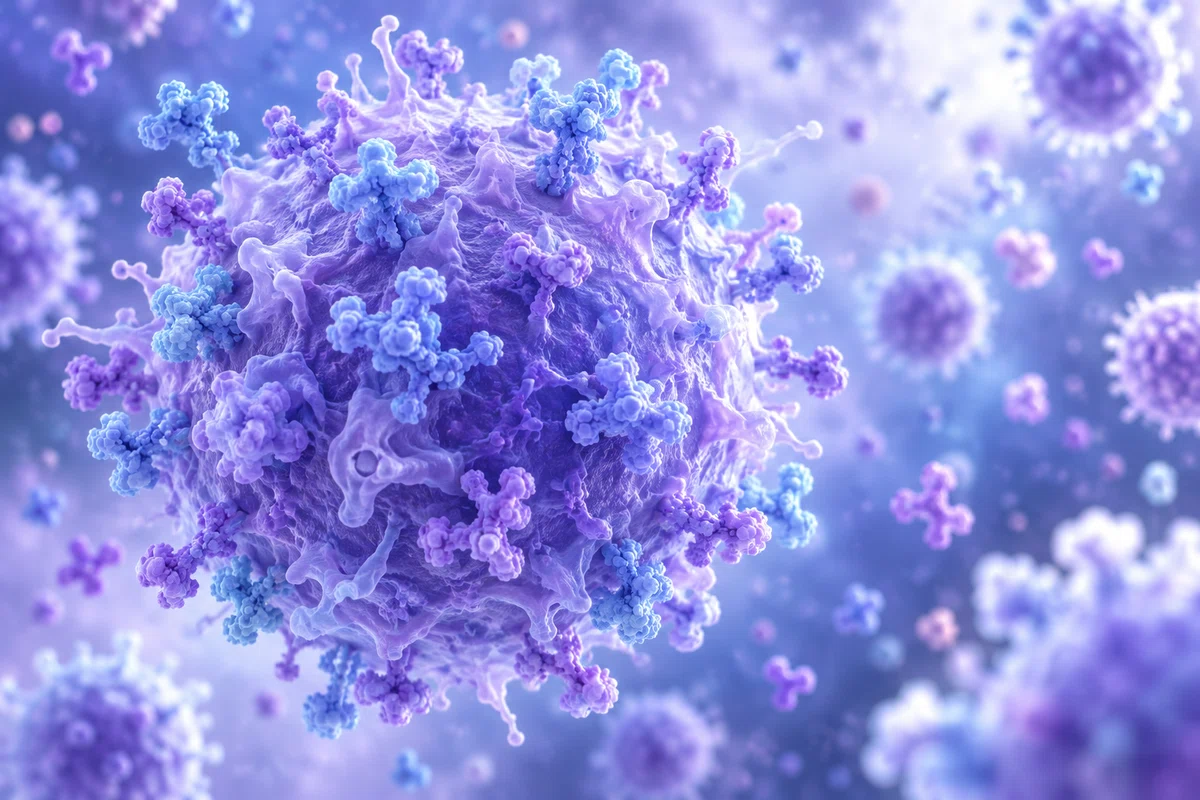
Your Immune
System
A remarkable defense system
for a healthier, longer life.
Your immune system protects you from harmful germs, keeps you healthy, and helps your body stay in balance. It is a complex and dynamic network of cells, tissues and molecules that works around the clock — from your first breath throughout your life.
Explore the Immune System →What is the
immune system?
The immune system is your body’s built-in defense network. It identifies and eliminates harmful invaders such as bacteria, viruses, fungi and parasites, while also removing damaged cells and keeping the body in balance.
It learns from past encounters, adapts to new threats, and works with many organs and systems to protect your health — every day, throughout your life.
How it works →The lymphatic system
— a vital part of your immune system
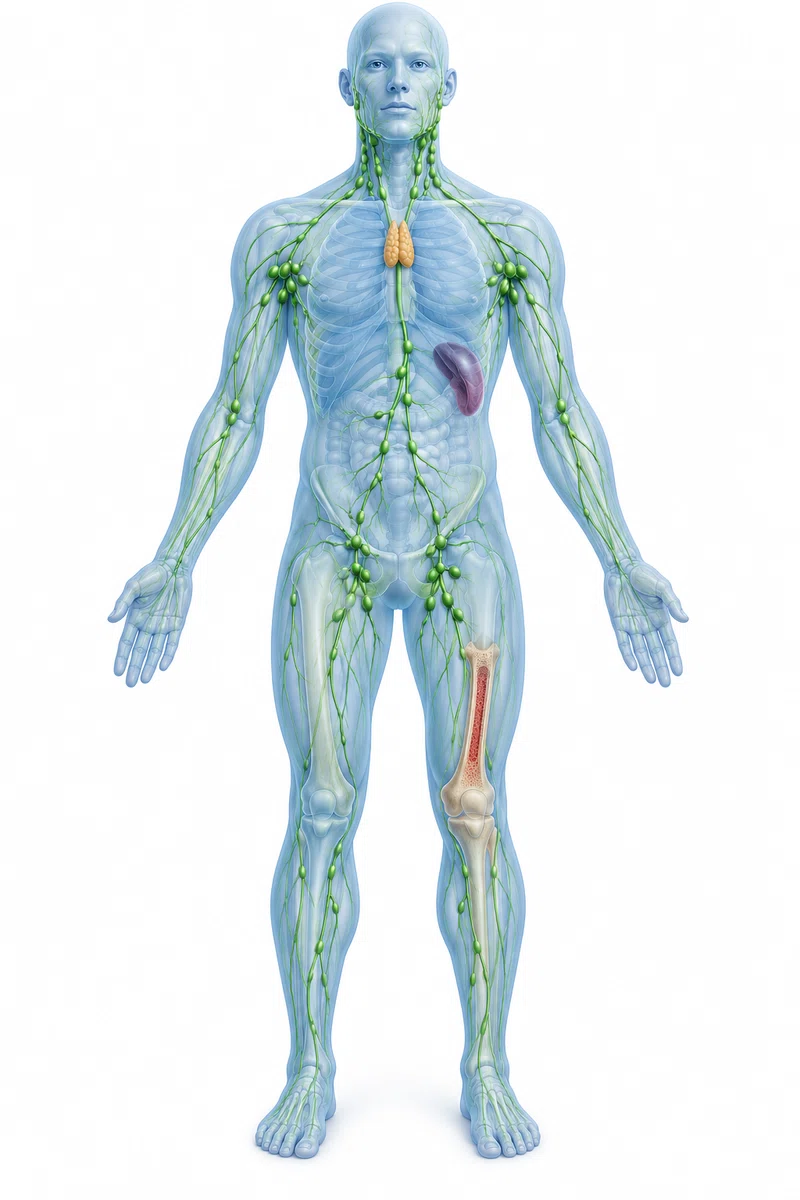 TonsilsThymusLymphatic
vesselsSpleenLymph nodesBone marrowLymphatic vessels
throughout the body
Two arms, one team
The innate and adaptive immune systems work together
Your immune system has two complementary arms. The innate immune system provides a rapid, first line of defense against a wide range of microbes. The adaptive immune system responds more slowly but is highly specific and builds long-lasting memory. Working together, they give you both immediate protection and long-term immunity.
Innate immunity
Fast, broad, immediate protection
Adaptive immunity
Targeted, long-lasting protection
Working
together
for stronger
protection
together
for stronger
protection
Explore the key topics
Innate
Learn more →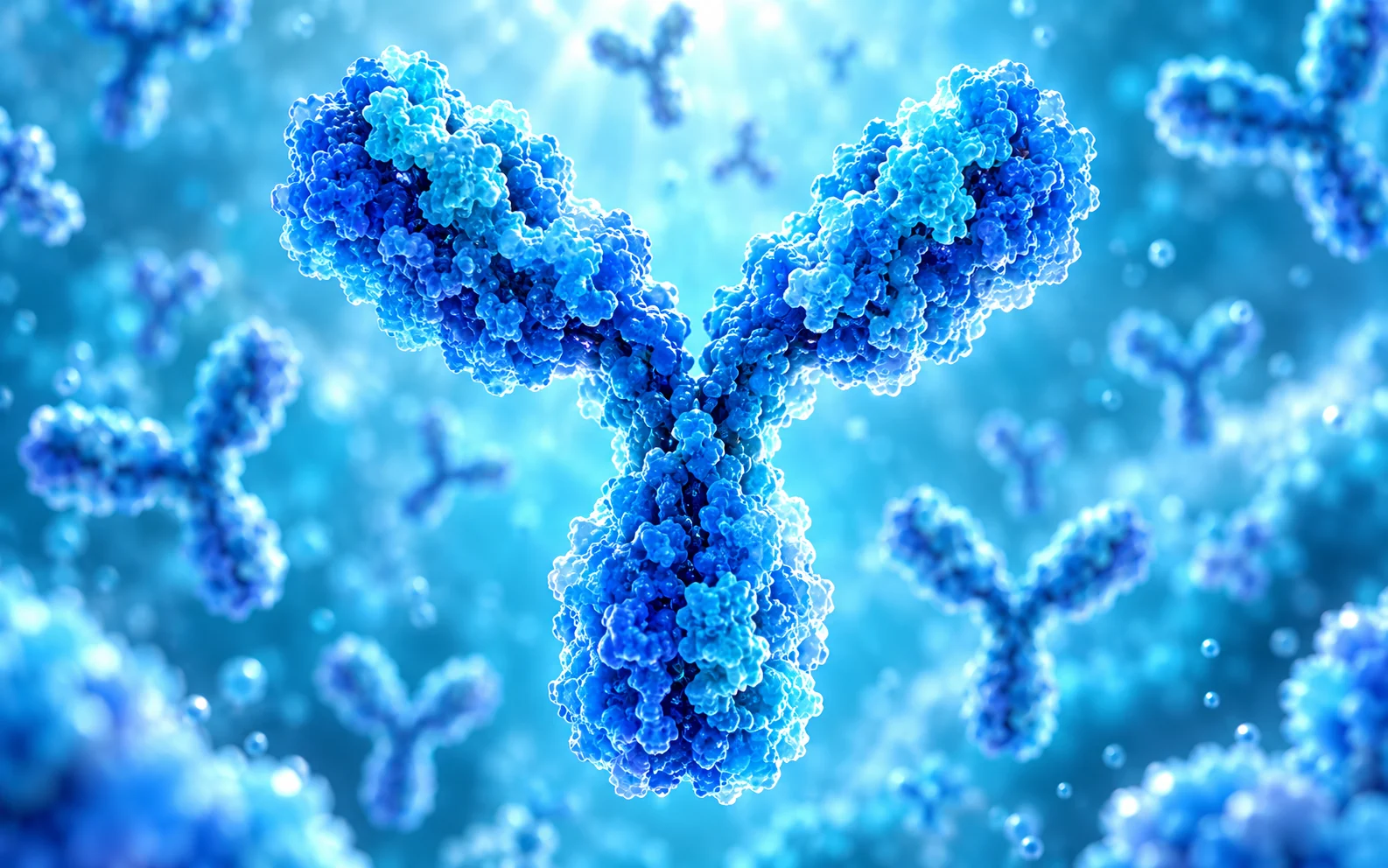
Adaptive
Immunity
Learn more →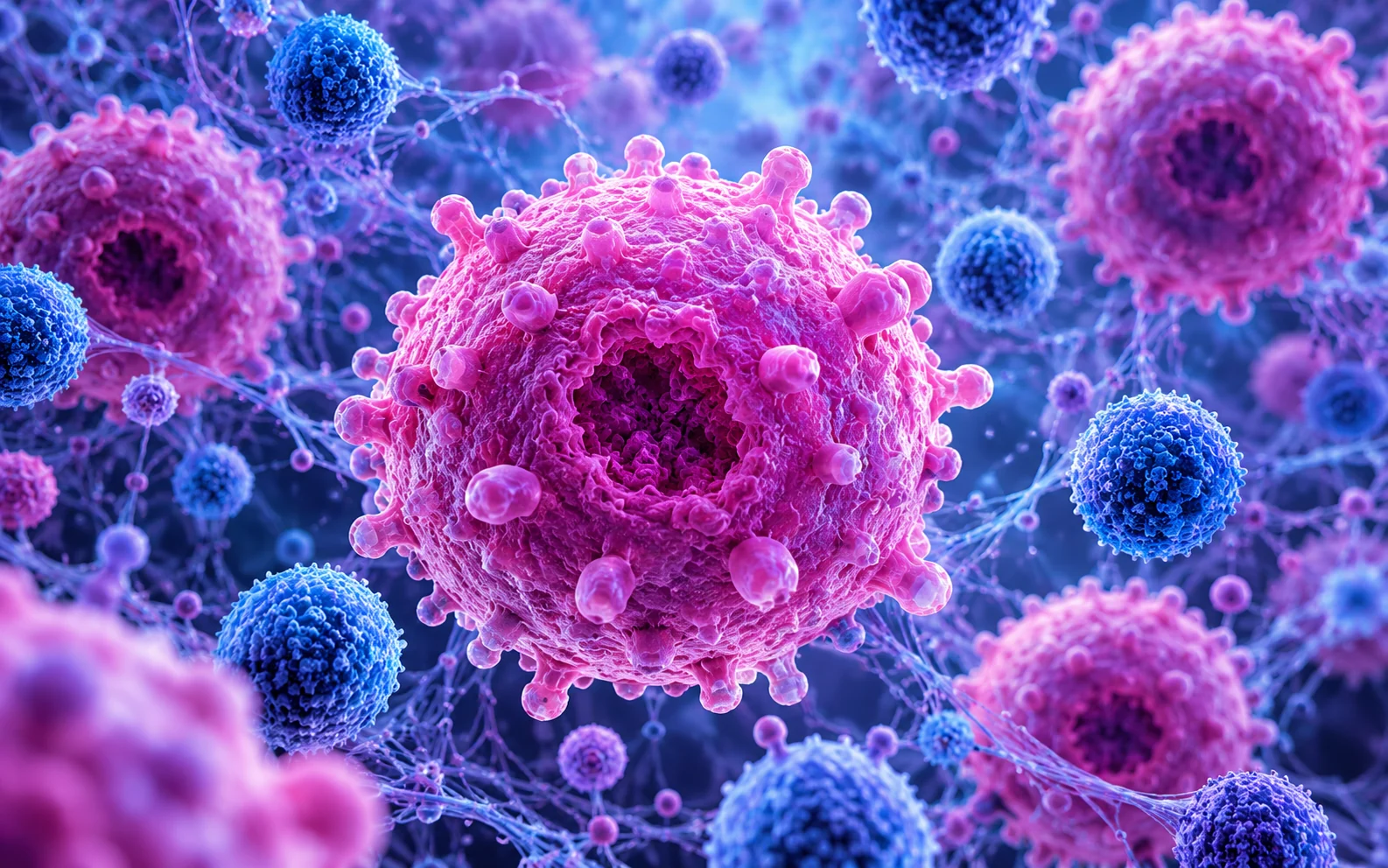
Cytokines &
Chemokines
Learn more →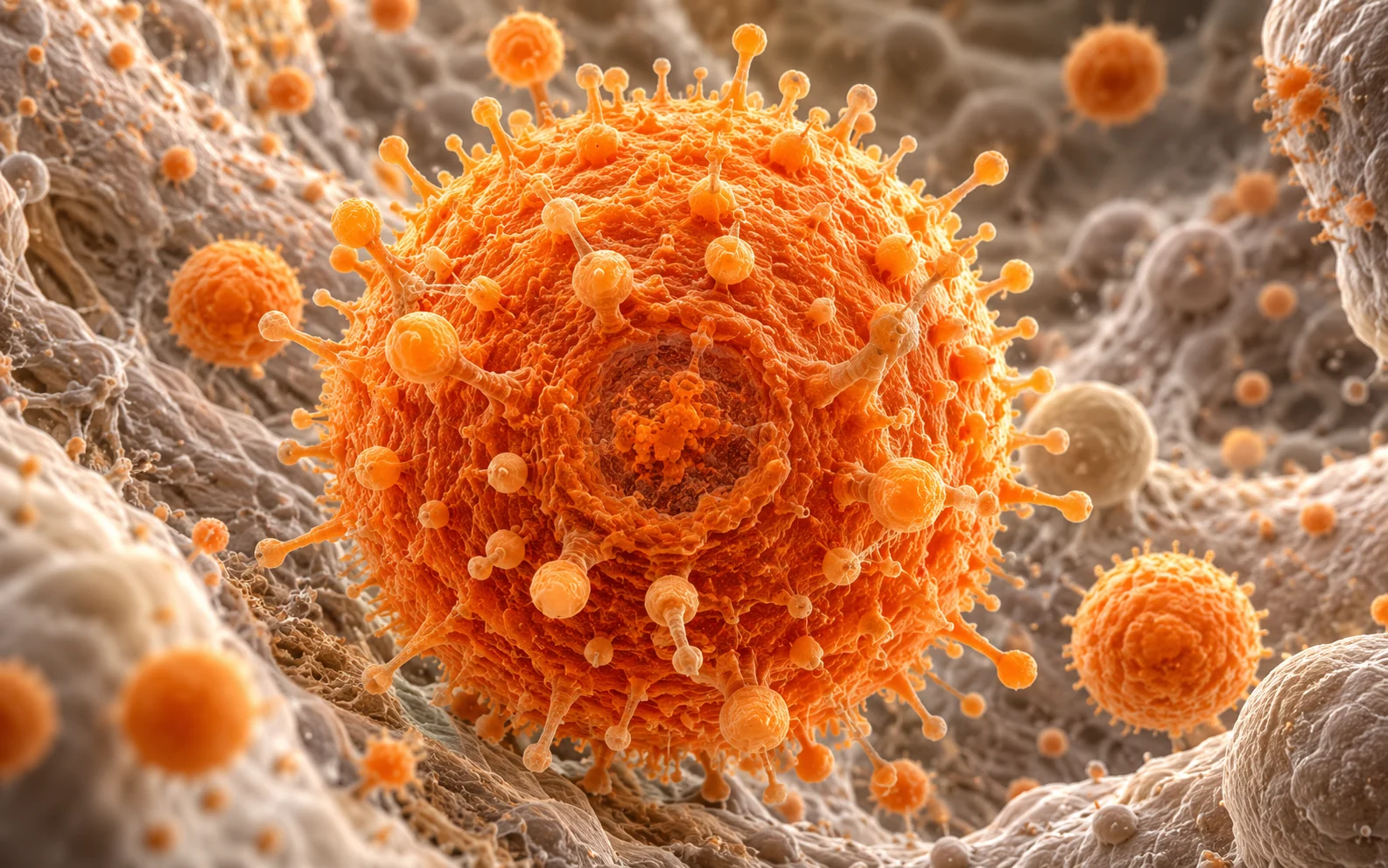
Infections
& Diseases
Learn more →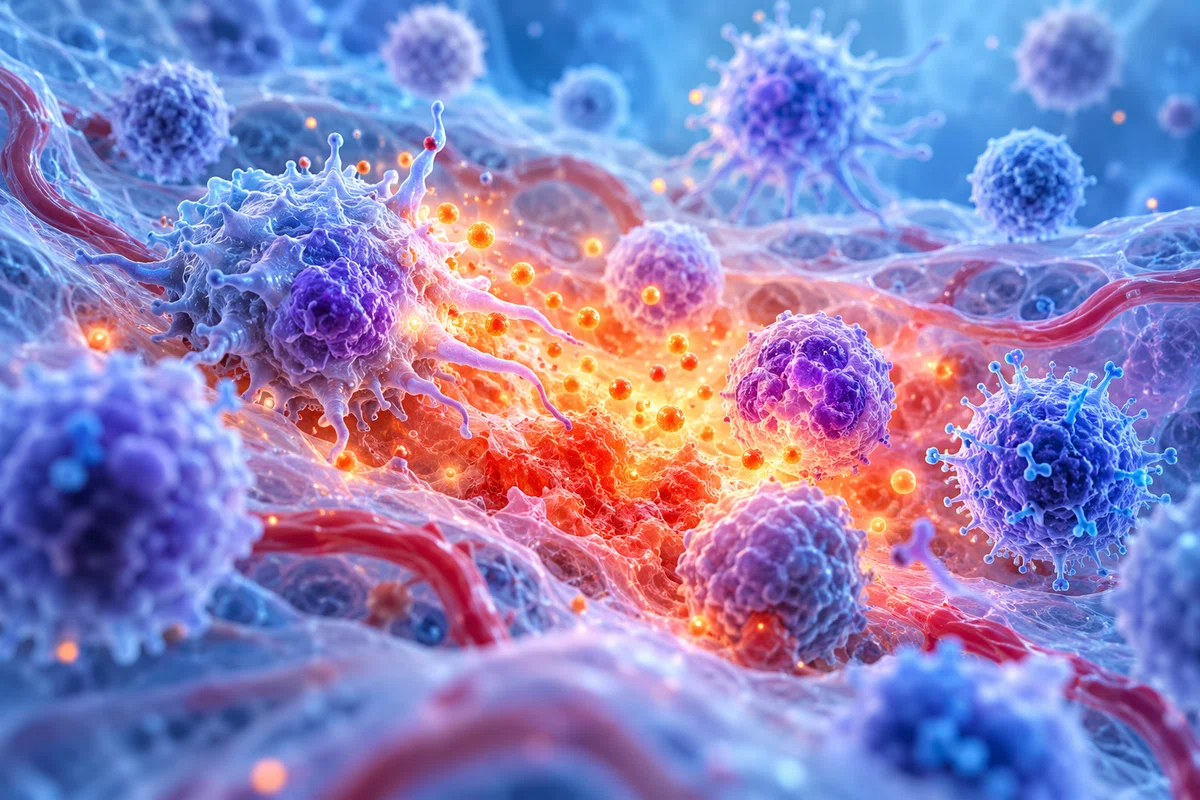
Inflammation
Learn more →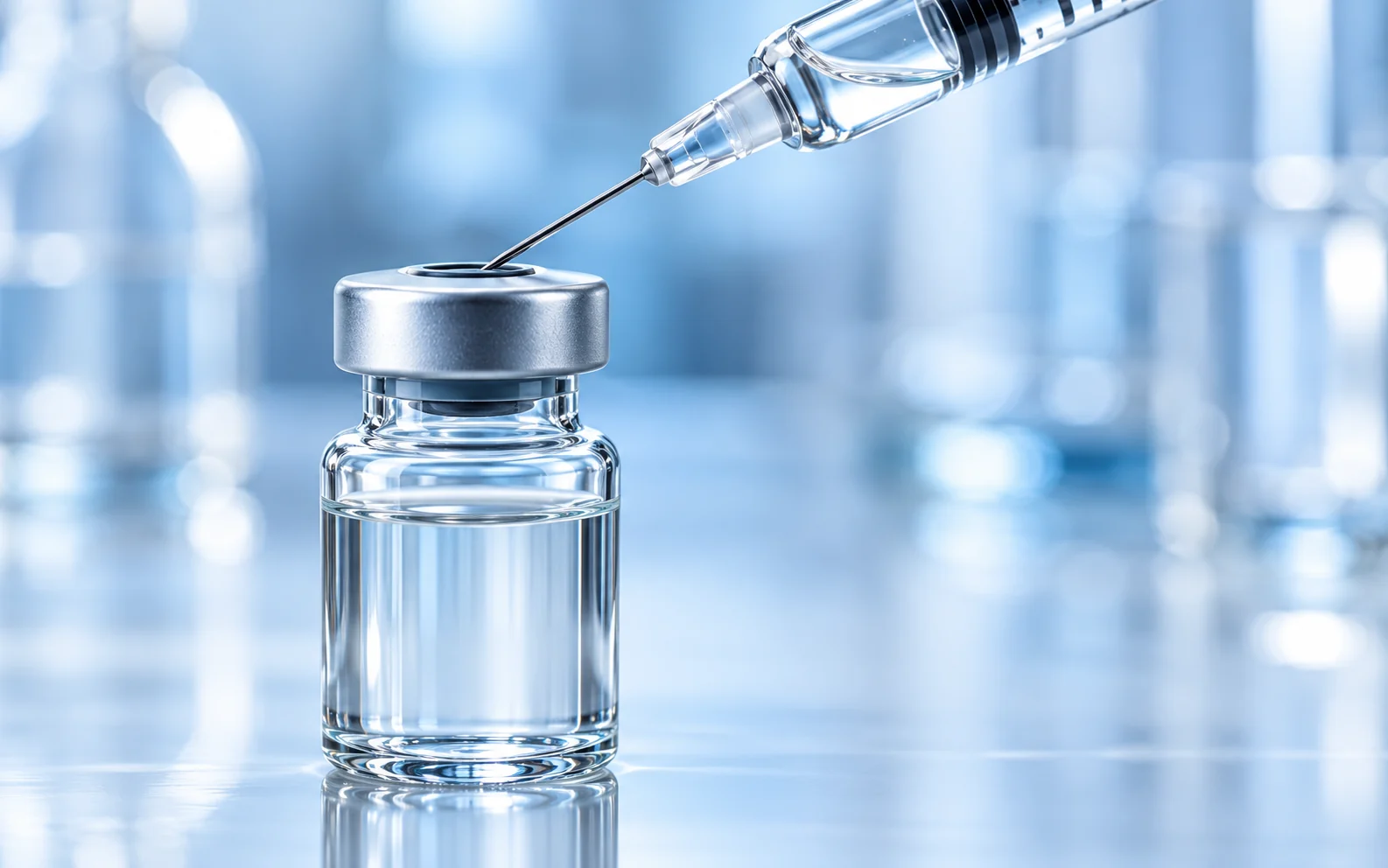
Vaccination
Learn more →
Aging of the
Immune System
Learn more →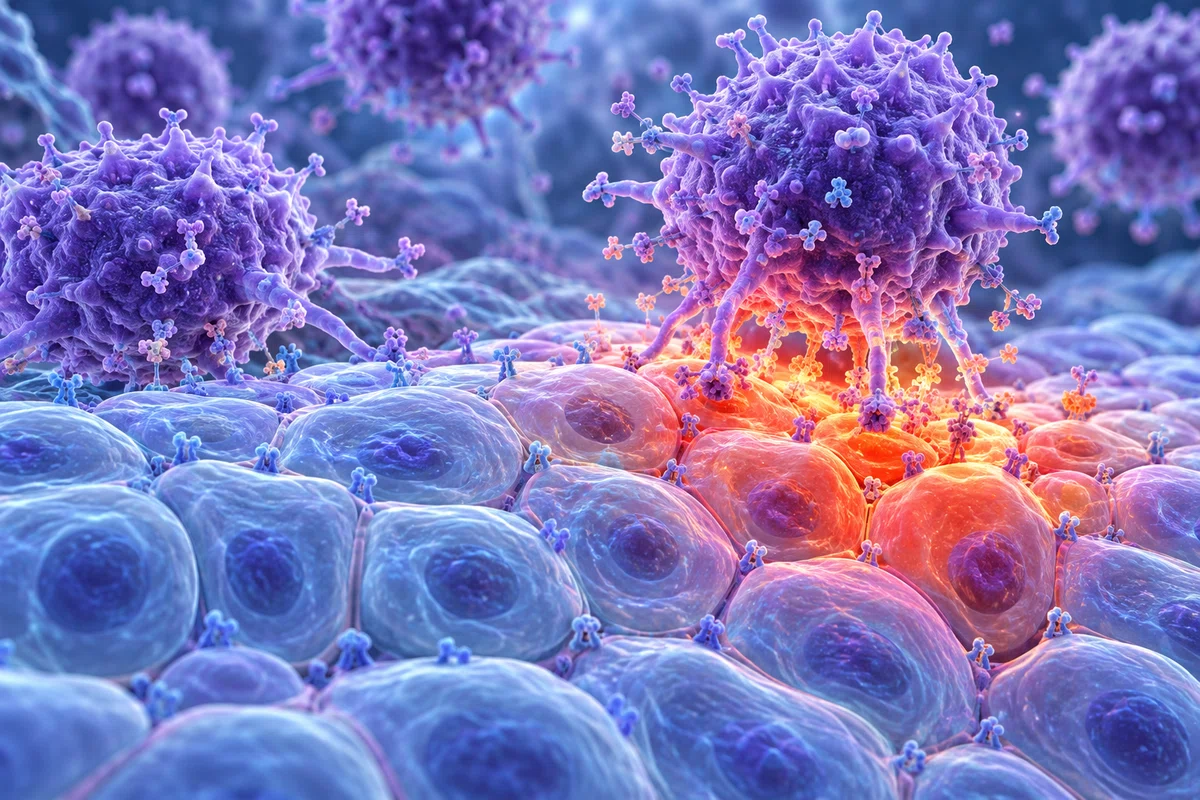
When Immunity
Goes Wrong
Learn more →Milestones in the history of immunology
From early observations to today’s cutting-edge research, discoveries in immunology have transformed
our understanding of health and disease — and continue to shape a healthier future.
Ancient times
Early evidence of immunity
Observations that surviving an infection could provide protection.
1796
First vaccination
Edward Jenner demonstrates that smallpox can be prevented by vaccination.
1880s
Germ theory
Louis Pasteur and Robert Koch identify microorganisms as the cause of infectious diseases.
1900s
Antibodies
Discovery of antibodies and antigen-antibody interactions.
Mid-1900s
Immune cells and mechanisms
Identification of key immune cells and the basis of adaptive immunity.
1970s
Cytokines
Discovery of cytokines and chemokines as immune messengers.
1980s–1990s
Immune memory
Understanding how the immune system remembers past infections and vaccination.
Today
New frontiers
From immunotherapy to immune aging, research continues to unlock new ways to prevent and treat disease.
Selected sources and references
Artwork illustrates the main mechanisms schematically; molecular sizes, colors and distances are not literal.