A curated selection of PubMed-indexed publications on immune aging, published in October 2026. Human studies, randomized controlled trials, animal research, and reviews are clearly distinguished. Each arrow opens the corresponding PubMed record.
Human study
A global map of how immune cells change with age
Researchers combined single-cell blood datasets covering 2,609 people and 59 immune-cell populations. Patterns in two types of memory CD8+ T cells were linked to different aging and health trajectories. Chronic viral exposure, sex, and ancestry helped explain variation. These associations identify candidate biomarkers; they do not establish a clinical test or show that changing the cell ratio improves health.
Terekhova M et al.Immunity · 2026 Oct 09 (online) PMID: 42854692Publication details
Single-cell analyses of global cohorts outline determinants of immune aging and link the ratio of GZMK+ to GZMB+ Tem cells to health trajectories.
Terekhova M et al. Immunity. 2026 Oct 09 (online). doi: 10.1016/j.immuni.2026.09.012.
An E. coli vaccine raised antibodies but did not demonstrate protection
The phase 3 E.mbrace trial vaccinated 17,701 adults aged 60+ with a recent history of urinary tract infection. Despite sustained antibody responses, the nine-valent vaccine did not demonstrate prevention of invasive disease caused by its targeted E. coli serotypes. The trial stopped for futility. With only 24 primary-endpoint cases and a wide confidence interval, protection remained unproven—an important distinction between immunogenicity and clinical efficacy.
Bonten M et al.Lancet Infect Dis · 2026 Oct 12 (online) PMID: 42863477Publication details
Efficacy, safety, and immunogenicity of a nine-valent vaccine (ExPEC9V) for the prevention of invasive Escherichia coli disease in older adults: a phase 3, randomised, placebo-controlled trial (E.mbrace).
Bonten M et al. Lancet Infect Dis. 2026 Oct 12 (online). doi: 10.1016/S1473-3099(26)00469-X.
A correction was published October 26: linked correction. The summary follows the current PubMed abstract.
An mRNA flu vaccine elicited stronger antibody responses in adults aged 50+
In a prespecified immunogenicity subset of 2,342 phase 3 trial participants, mRNA-1010 elicited higher antibody responses against all three vaccine-matched influenza strains than a standard-dose vaccine at day 29. This publication reports an antibody analysis from a randomized trial, not a separate efficacy trial. Its findings do not establish reversal of immune aging or superiority to enhanced vaccines designed for older adults.
Leroux-Roels I et al.Open Forum Infect Dis · 2026 Oct 13 (online) PMID: 42921512Publication details
Humoral Immunogenicity of mRNA-1010, an mRNA-based Seasonal Influenza Vaccine, in Adults ≥50 Years.
Leroux-Roels I et al. Open Forum Infect Dis. 2026 Oct 13 (online). doi: 10.1093/ofid/ofag646.
Resistance training: stronger muscles and changes in inflammatory markers
In a randomized trial of 60 adults aged 60–75, supervised resistance training three times weekly for 12 weeks improved respiratory muscle strength and physical performance. IL-6 decreased, while IL-10 and Klotho increased. The findings connect exercise with functional and biomarker changes; this small, short trial did not demonstrate fewer infections, longer life, or reversal of immune aging.
Moreira-Silva NN et al.J Funct Morphol Kinesiol · 2026 Oct 19 (online) PMID: 42924713Publication details
Resistance Training Improves Respiratory Muscle Strength and Immune Response in Older Adults: A Randomized Clinical Trial.
Moreira-Silva NN et al. J Funct Morphol Kinesiol. 2026 Oct 19 (online). doi: 10.3390/jfmk11040434.
Diet quality, weight loss, and inflammation: separating the effects
A 16-week controlled-feeding trial enrolled 53 adults with metabolic risk factors (mean age 54.7). Mediterranean diet alone did not reduce the primary inflammatory marker, hsCRP, over eight weeks. After twice-weekly fasting was added, the Mediterranean-diet group showed lower CRP alongside greater weight loss. The design cannot fully separate fasting from weight loss; the findings do not negate other benefits of Mediterranean eating.
Warmbrunn MV et al.Cell Metab · 2026 Oct 21 (online) PMID: 42906553Publication details
Weight loss during intermittent fasting, not Mediterranean diet quality alone, is associated with lower inflammation: A randomized controlled trial.
Warmbrunn MV et al. Cell Metab. 2026 Oct 21 (online). doi: 10.1016/j.cmet.2026.09.017.
Menopause and sex differences in immune-cell patterns
A cross-sectional study of 4,209 healthy Chinese adults found age- and sex-related differences in lymphocyte populations and PD-1 expression. In women, the CD4/CD8 ratio peaked around ages 55–59, while the proportion of CD8+ T cells declined with age. Comparing people at one time point cannot show individual aging trajectories or prove that menopause caused these differences.
Xuan C et al.Immun Inflamm Dis · 2026 Oct · 14(10):e70558 (issue date) PMID: 42878310Publication details
Dynamic Shifts in Lymphocyte Subsets During the Menopausal Transition and Sexual Dimorphism in Immunosenescence.
Xuan C et al. Immun Inflamm Dis. 2026 Oct · 14(10):e70558 (issue date). doi: 10.1002/iid3.70558.
Taurine and the inflammatory alarm inside macrophages
Experiments identified taurine loss from macrophages as a step enabling NLRP3 inflammasome activation. Restoring taurine restrained this pathway, and treatment improved health-span measures in aged mice. Human data linked caloric restriction with higher tissue taurine and lower inflammation. Circulating taurine increased with age in this study. These findings do not establish that taurine supplements improve human immune aging or extend human life.
Guan C et al.Cell · 2026 Oct 23 (online) PMID: 42914977Publication details
Taurine lowers inflammaging by regulating the NLRP3 inflammasome in macrophages
Guan C et al. Cell. 2026 Oct 23 (online). doi: 10.1016/j.cell.2026.09.061.
A metabolic protein may influence aging of blood-forming stem cells
Mouse and cell experiments identified ANGPTL8 as a regulator of blood-forming stem and progenitor cells, which supply the immune system. Removing ANGPTL8 reduced aging-associated features, while mechanistic experiments implicated the PirB receptor and PI3K/AKT signaling. This connects metabolic signaling with immune-cell production, but genetic deletion in mice is not a tested treatment for human immune aging.
Chen M et al.Biogerontology · 2026 Oct 08 (online) PMID: 42850481Publication details
ANGPTL8 induces the aging of hematopoietic stem/progenitor cells.
Chen M et al. Biogerontology. 2026 Oct 08 (online). doi: 10.1007/s10522-026-10517-x.
Changes in DNA folding help explain aging T-cell behavior
In mouse naive CD4+ T cells, aging altered the three-dimensional organization of DNA and increased expression of inflammatory and activation-related genes. Reduced SATB1, a protein that helps organize chromatin, contributed to these changes; deleting it reproduced several aging-associated patterns. The work identifies a mechanism of T-cell aging, rather than demonstrating a therapy that restores immunity in older people.
Wang B et al.Sci Adv · 2026 Oct 02 (online) PMID: 42826184Publication details
Aging-associated SATB1 deficiency remodels 3D genome architecture and transcriptional programs in naive CD4+ T cells
Wang B et al. Sci Adv. 2026 Oct 02 (online). doi: 10.1126/sciadv.aeg1622.
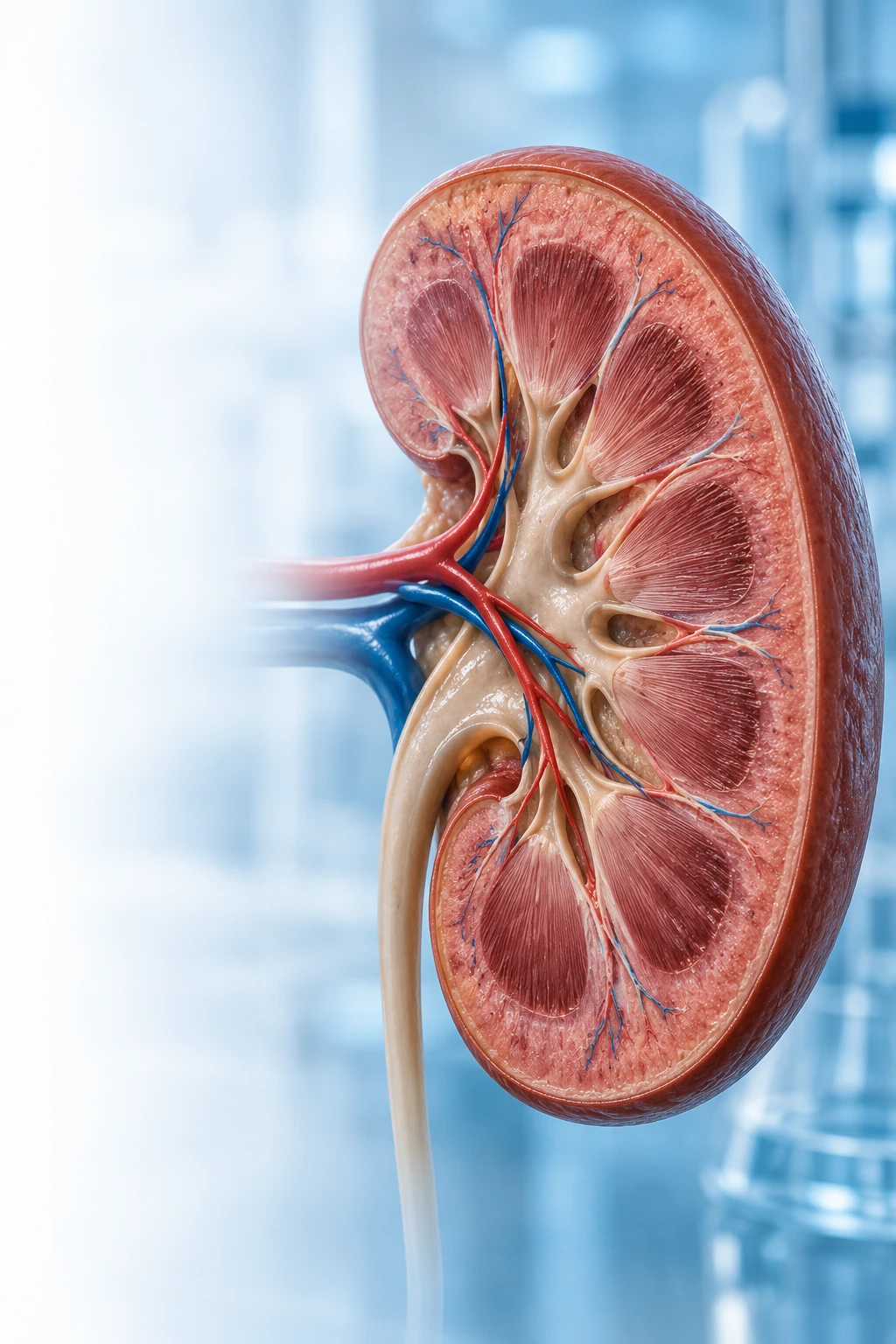
Macrophages contribute to inflammation in aging kidneys
In aged mice, the CSF1R inhibitor PLX5622 partly depleted kidney macrophages and reduced inflammatory and senescence-associated markers at a low dose. A higher dose increased blood urea nitrogen, raising concern about kidney effects. The study supports a role for macrophages in kidney aging, but marker changes do not establish restored kidney function, and human benefits and safety remain untested.
Stojiljkovic MR et al.Immunobiology · 2026 Oct 14 (online) PMID: 42906511Publication details
Pharmacological depletion of macrophages leads to a reduction in inflammation and senescence in aged murine kidneys.
Stojiljkovic MR et al. Immunobiology. 2026 Oct 14 (online). doi: 10.1016/j.imbio.2026.153259.
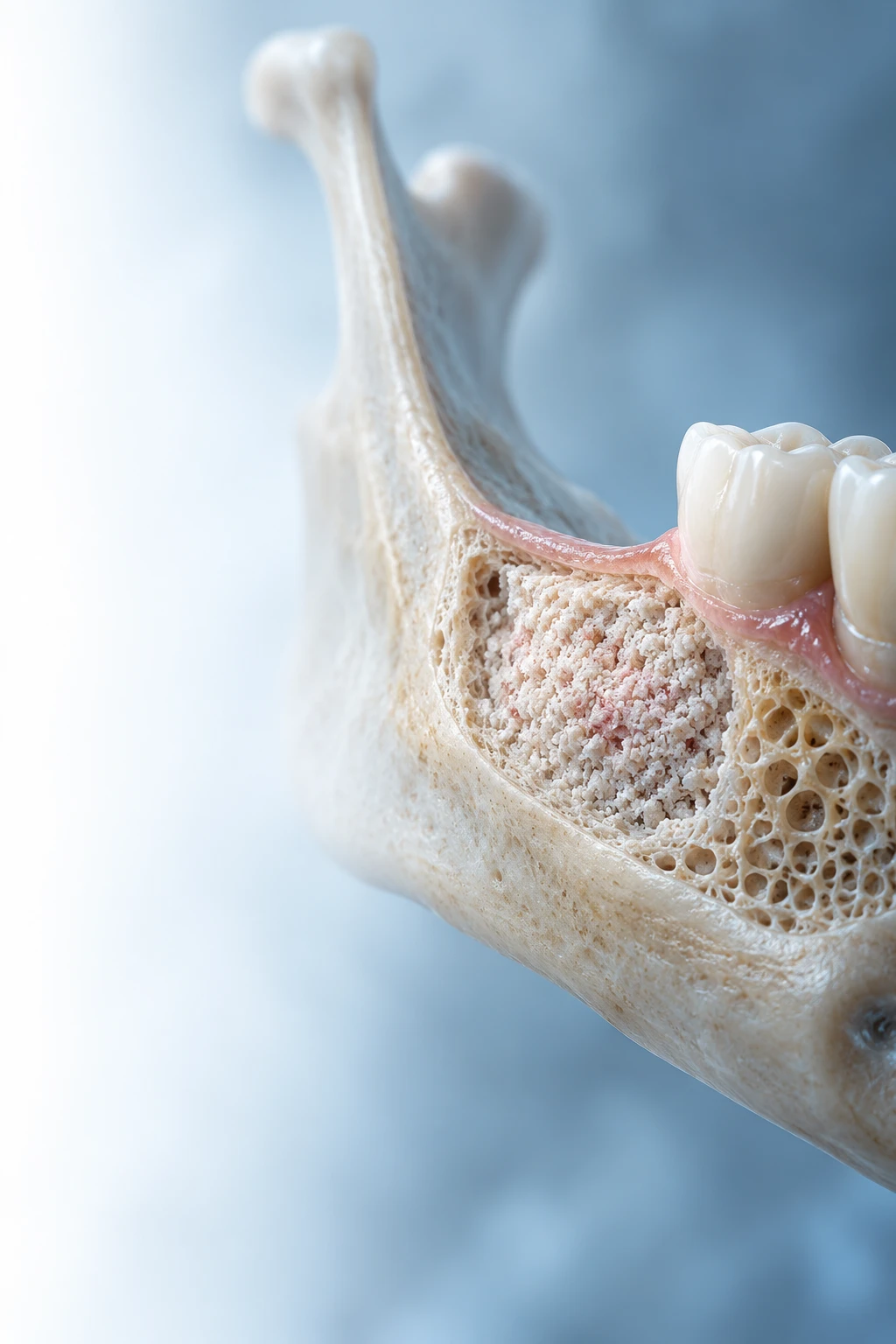
Targeting aging macrophages to improve bone repair
An experimental lithium-containing biomaterial improved lysosomal function and reduced iron-related oxidative damage and senescence-associated features in macrophages. Local treatment also enhanced repair of jawbone defects in aged mice. The study links immune-cell aging to tissue regeneration. This is a locally delivered experimental material, not evidence that oral lithium supplements improve bone healing or human immune aging.
Chen B et al.Adv Sci (Weinh) · 2026 Oct 25 (online) PMID: 42928457Publication details
Lithium-Doped Hydroxyapatite Nanowires Rejuvenate Senescent Macrophages Via the Lysosome-Dependent Ferroptosis Axis to Promote Aged Bone Regeneration.
Chen B et al. Adv Sci (Weinh). 2026 Oct 25 (online). doi: 10.1002/advs.78424.
The gut microbiome and immune aging: more than bacteria
This review examines how bacteria, fungi, viruses, and archaea may interact with aging immunity through microbial products, barrier function, and host sensing. Evidence is strongest for selected bacterial mechanisms in experimental models. The relationship works in both directions: aging immunity can also alter microbial ecology. No single aged microbiome or clinically proven microbiome rejuvenation strategy emerges.
Jiang B et al.Ageing Res Rev · 2026 Oct 14 (online) PMID: 42874808Publication details
Multikingdom gut microbiome and immune aging: A host-microbial signaling perspective.
Jiang B et al. Ageing Res Rev. 2026 Oct 14 (online). doi: 10.1016/j.arr.2026.103414.
Oxidants are signals, too: rethinking redox changes in immune aging
This review proposes that aging immunity involves disrupted timing, location, and control of redox signals, rather than simply too many oxidants. It connects these changes with inflammatory pathways and cellular maintenance systems, and explains why broadly suppressing oxidants may miss essential immune functions. The framework generates hypotheses; it does not demonstrate clinical benefits from antioxidant supplements.
Lu W and Yan JFront Immunol · 2026 Oct 09 (online) PMID: 42921489Publication details
Redox signaling fidelity in immunosenescence and inflammaging: from oxidative stress to precision immune geroscience.
Lu W and Yan J Front Immunol. 2026 Oct 09 (online). doi: 10.3389/fimmu.2026.1908166.
Immune aging and the brain: promising pathways, unresolved translation
This review connects immune aging with inflammatory signaling, oxidative stress, cellular waste clearance, and altered brain–immune communication in Alzheimer’s and Parkinson’s diseases. It discusses senescence-targeting and metabolic approaches. Much of the therapeutic rationale remains preclinical; the review itself does not demonstrate that targeting immune aging prevents or treats neurodegeneration in people.
Zhao J et al.Neurotherapeutics · 2026 Oct 12 (online) PMID: 42863347Publication details
Immunosenescence as a modifiable driver of neurodegenerative diseases: Pathways and multidimensional emerging strategies for Alzheimer's and Parkinson's diseases.
Zhao J et al. Neurotherapeutics. 2026 Oct 12 (online). doi: 10.1016/j.neurot.2026.e01096.
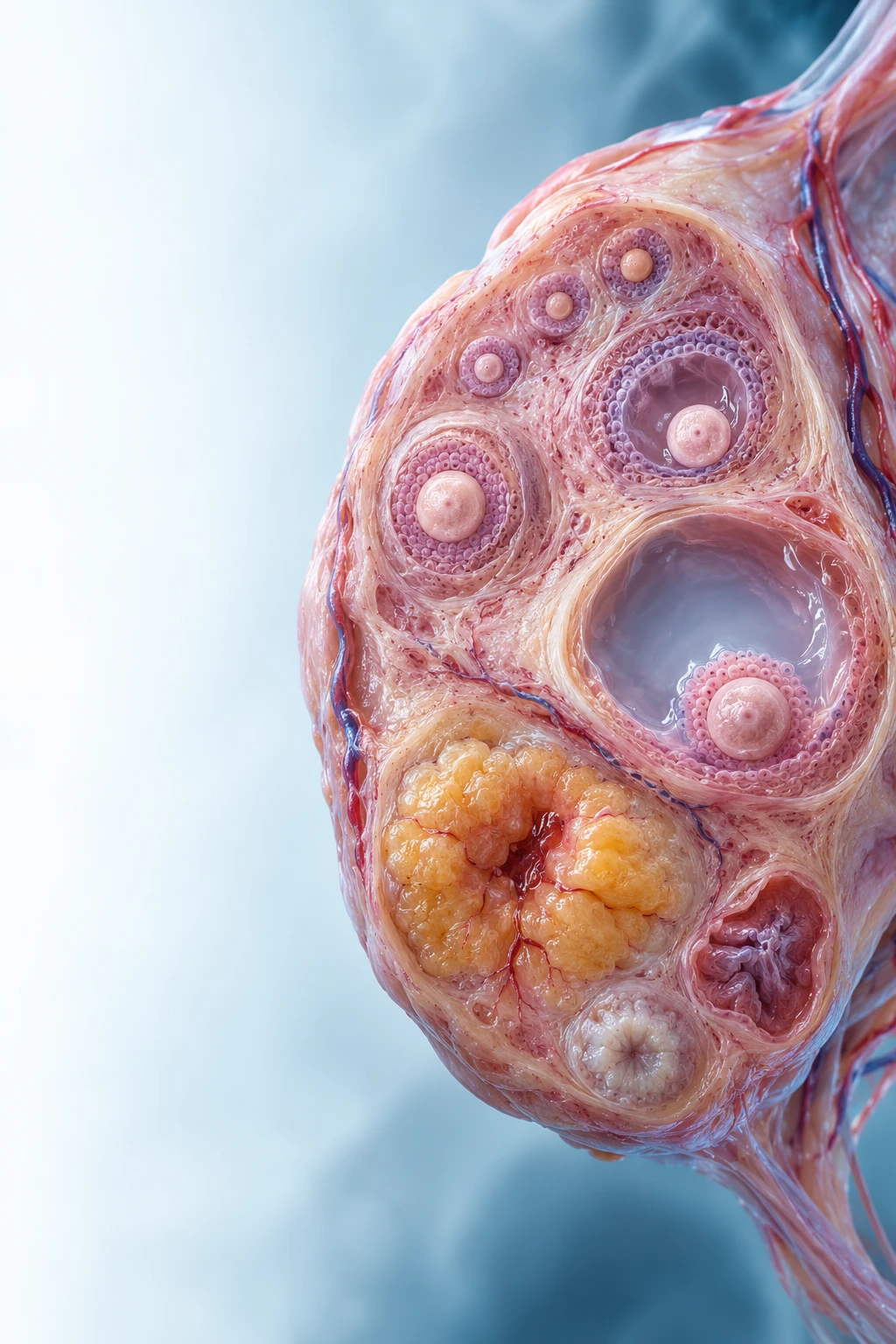
The immune system and ovarian aging: a two-way relationship
A review of immune–ovarian interactions describes changes in macrophages, T cells, inflammatory pathways, and senescent cells during ovarian aging. It distinguishes physiological aging from premature ovarian insufficiency and considers experimental interventions. The synthesis highlights research targets, but does not establish an immune-based treatment to preserve fertility or slow systemic aging.
Wang C et al.Hum Reprod Update · 2026 Oct 09 (online) PMID: 42854090Publication details
Decoding the immune regulation of ovarian aging: mechanisms and therapeutic strategies.
Wang C et al. Hum Reprod Update. 2026 Oct 09 (online). doi: 10.1093/humupd/dmag030.
The E. coli vaccine produced sustained antibodies but did not demonstrate prevention of invasive infection in older adults. The trial stopped early for futility.
02 The mRNA flu report measured antibody responses
Adults aged 50+ had stronger antibody responses than those receiving a standard-dose flu vaccine. This analysis did not compare the vaccine with enhanced vaccines for older adults.
03 Resistance training improved strength and selected markers
A small 12-week trial found better muscle strength and physical performance, lower IL-6, and higher IL-10 and Klotho. It did not test whether participants had fewer infections or lived longer.
04 The diet findings need context
In one small trial, Mediterranean eating alone did not lower the main inflammation marker after eight weeks. The marker fell after fasting was added, alongside greater weight loss; the effects cannot be fully separated.
05 Immune aging differs between people
The large immune-cell analysis and the menopause study found differences associated with age, sex, and other characteristics. These observational findings do not establish a diagnostic test or prove cause and effect.
06 Animal discoveries are leads for future research
Studies of taurine, stem cells, DNA organization, and macrophages identified potential mechanisms and experimental targets. They do not establish safe, effective treatments for immune aging in people.
07 Reviews provide perspective, not proof of treatment
The microbiome, redox, brain, and ovarian-aging reviews organize existing evidence and propose research directions. They do not show that supplements or other interventions rejuvenate human immunity.
New Science. Healthier Tomorrows.
About this selection
A curated, non-systematic selection of 15 PubMed-indexed publications relevant to immune aging and healthy aging. The editorial ceiling is 15 papers, not a target or search limit. Selection prioritizes direct relevance, human evidence, mechanistic insight, and complementary coverage; neutral results are included. Multiple topic searches covered immunosenescence, inflammaging, vaccine responses, stem cells, T cells, macrophages, metabolism, redox biology, exercise, nutrition, and organ aging. Checked November 1, 2026. Online publication dates are used where available; the menopause study is explicitly labeled by its October journal issue date because a separate online date was not available in the record reviewed. Papers first published online before October were excluded when that earlier date was identifiable. PubMed indexing date is not treated as publication date.
Summaries are based primarily on PubMed abstracts and bibliographic records, checked against NCBI records on November 1, 2026. This is not a full-text risk-of-bias appraisal. The mRNA flu publication is a secondary immunogenicity analysis and is not counted as an additional independent trial. Human observational studies, randomized trials, mixed animal/human research, mouse experiments, and reviews are distinguished. The taurine paper’s human component is not a taurine-supplement trial. This issue is educational and does not provide individual medical advice.
Images are illustrative, not experimental results or literal molecular-scale representations.