1. Encounter local cues
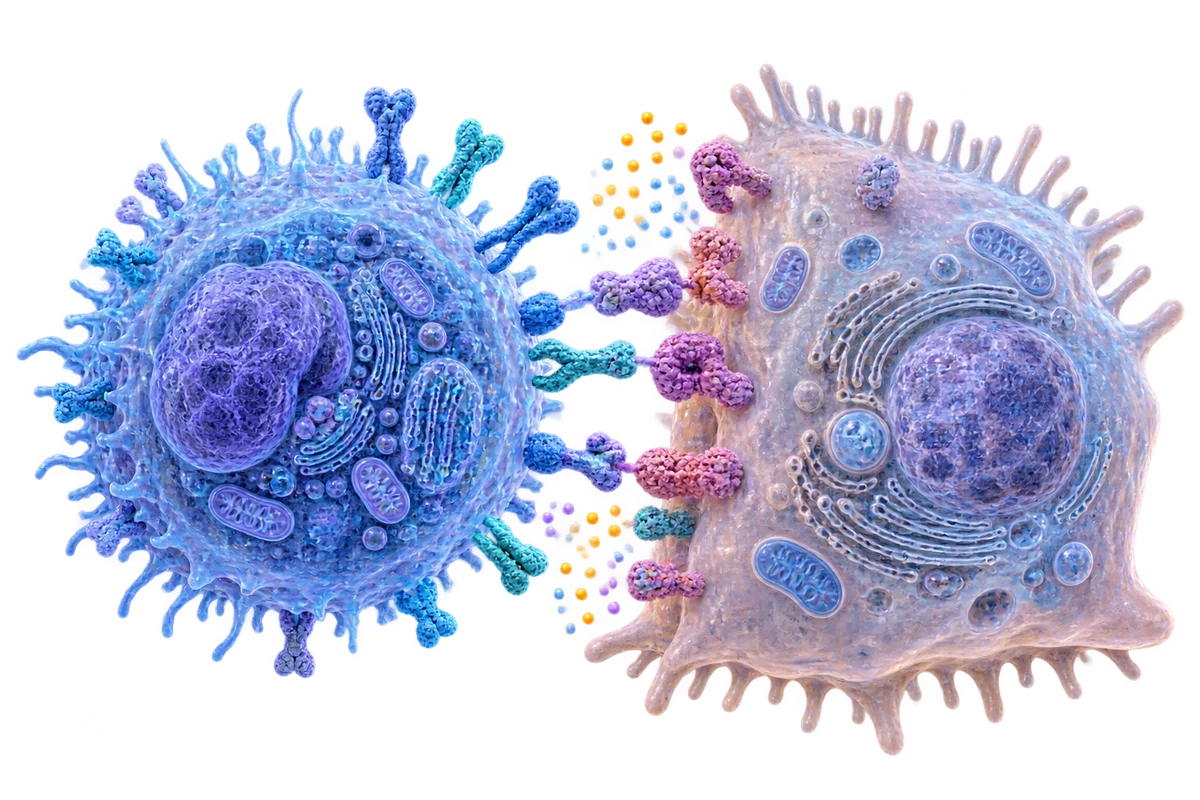
Cells assess infection-related, metabolic or tissue-stress signals.
 Subscribe
IMMUNE CELLS
Gamma delta (γδ) T cells are a distinct T-cell lineage with receptors made from gamma and delta chains. Many respond rapidly to infection-related or tissue-stress signals, while others develop adaptive-like responses. Their functions include cell killing, cytokine production and tissue regulation.
Back to the immune system →Gamma delta T cells develop in the thymus and express a γδ T-cell receptor, rather than the αβ receptor of conventional helper and cytotoxic T cells. Their receptors are generated by gene rearrangement, but many γδ responses do not require classical peptide presentation by MHC molecules.
They occur in blood and tissues, including epithelial barriers. Human populations differ in their receptor usage, location and behavior. Some combine rapid innate-like recognition with T-cell effector functions; others show selective clonal expansion and memory-like persistence.
Recognition pathways differ between subsets; this sequence illustrates shared response principles.
Cells assess infection-related, metabolic or tissue-stress signals.
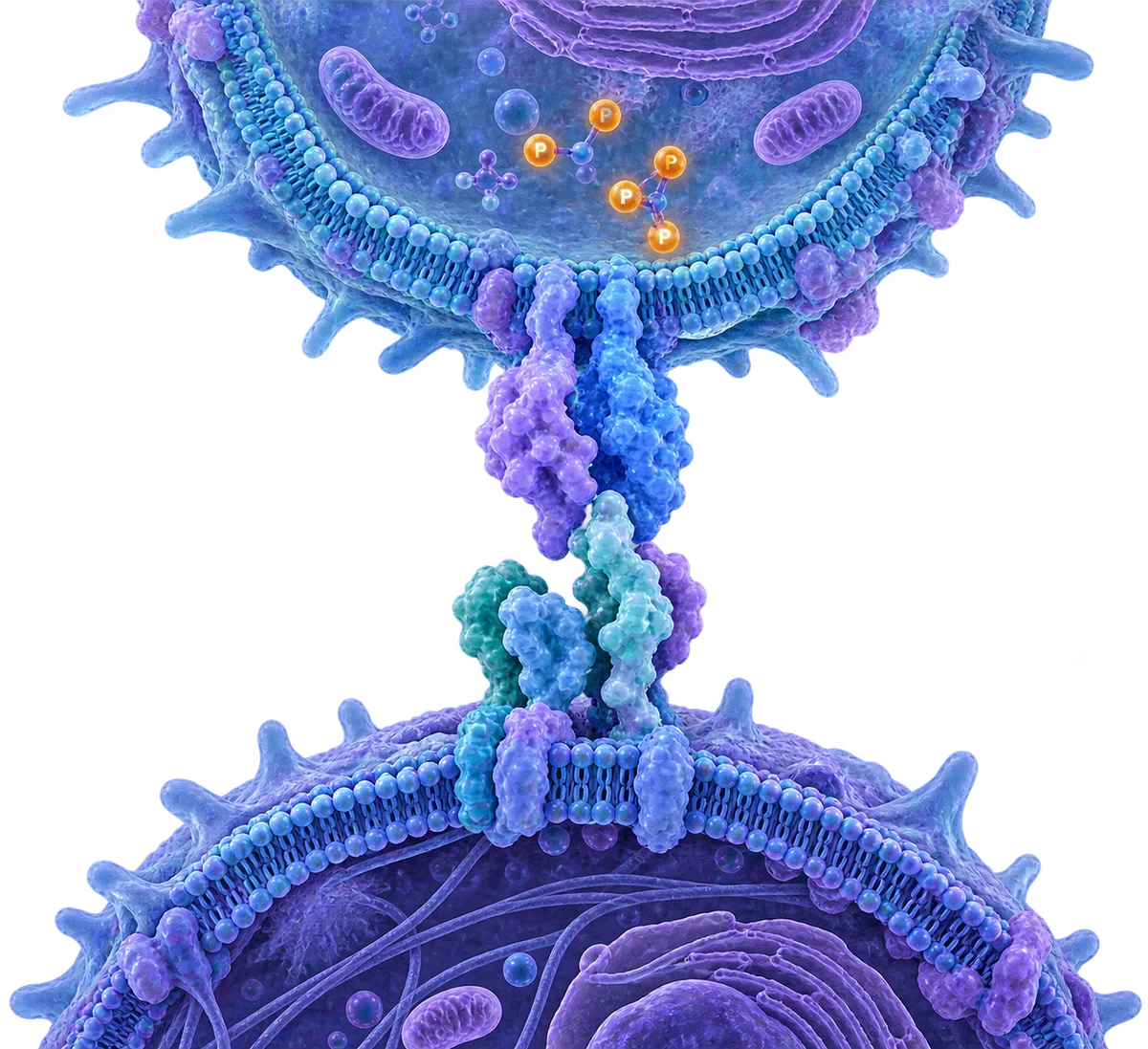
The γδ receptor and other receptors integrate signals; ligands differ across subsets.
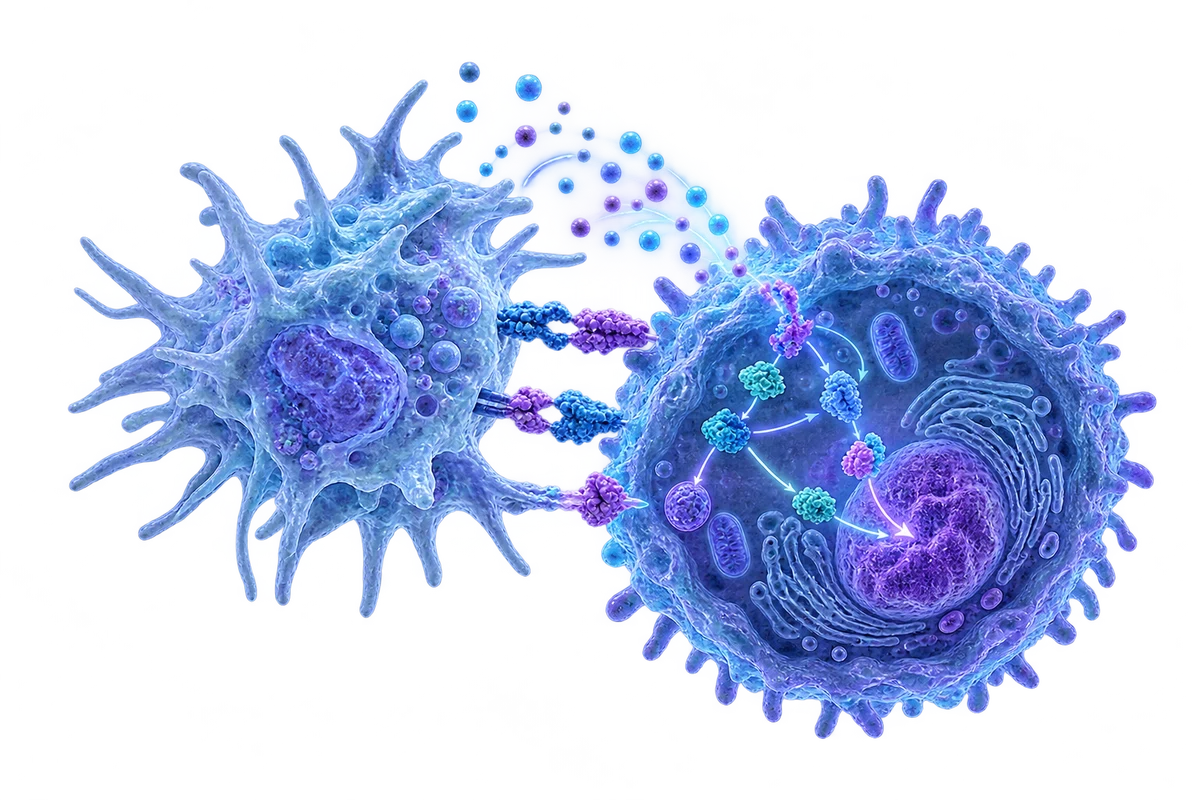
Recognition and cytokine signals can support activation and selective expansion.
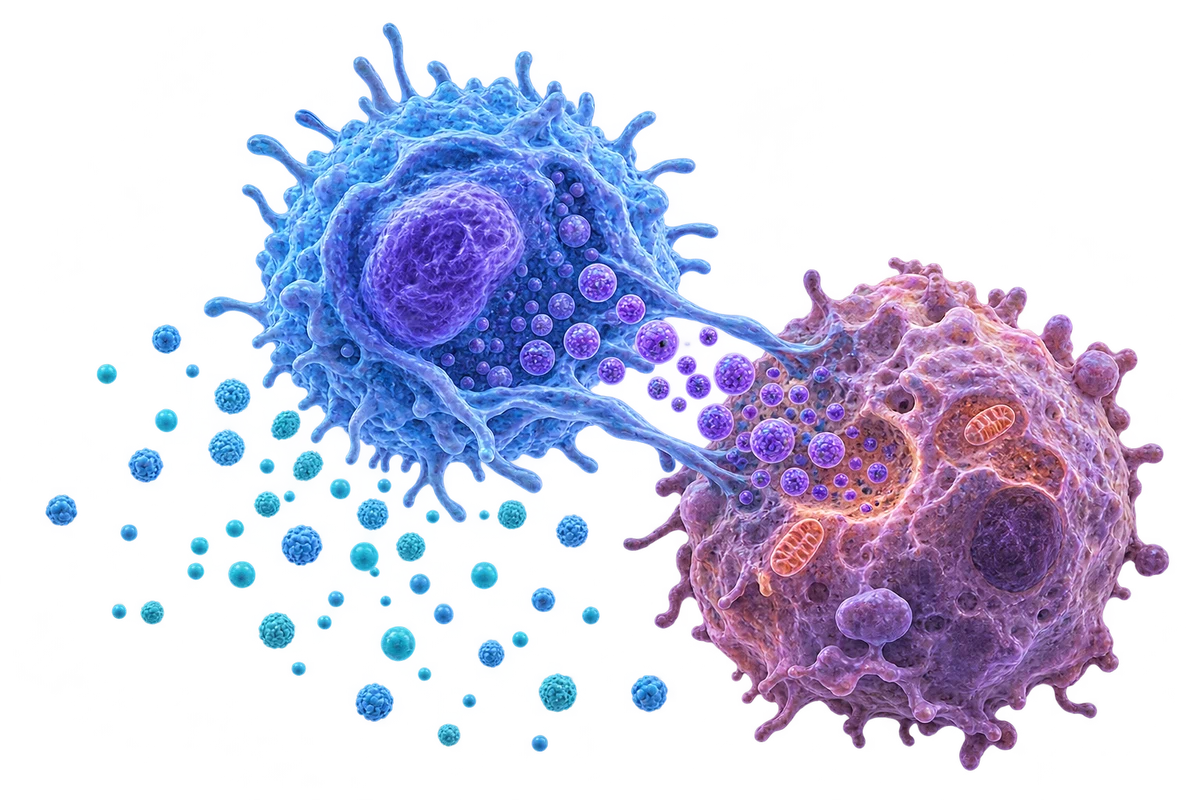
Depending on cell state, responses include cytotoxicity, cytokines and tissue regulation.
Specialized cellular functions contribute to coordinated immunity.
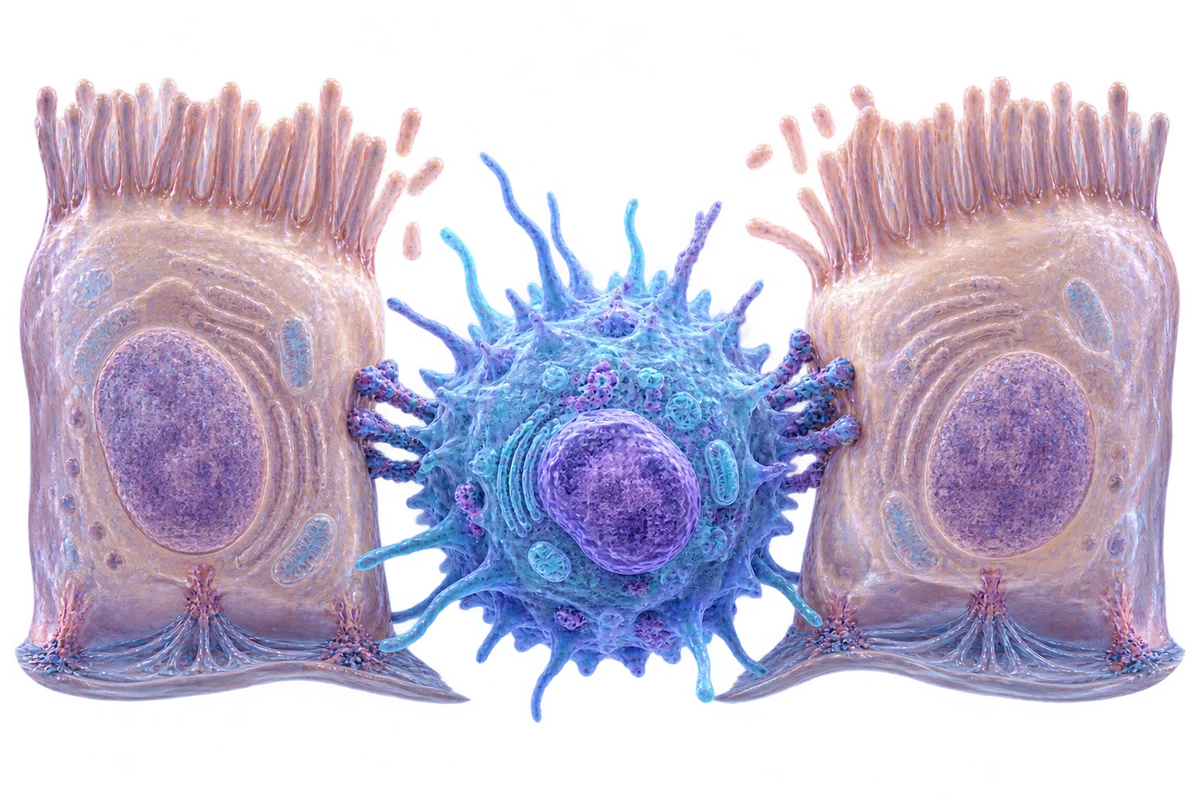
Barrier-associated populations monitor changes in their local environment.
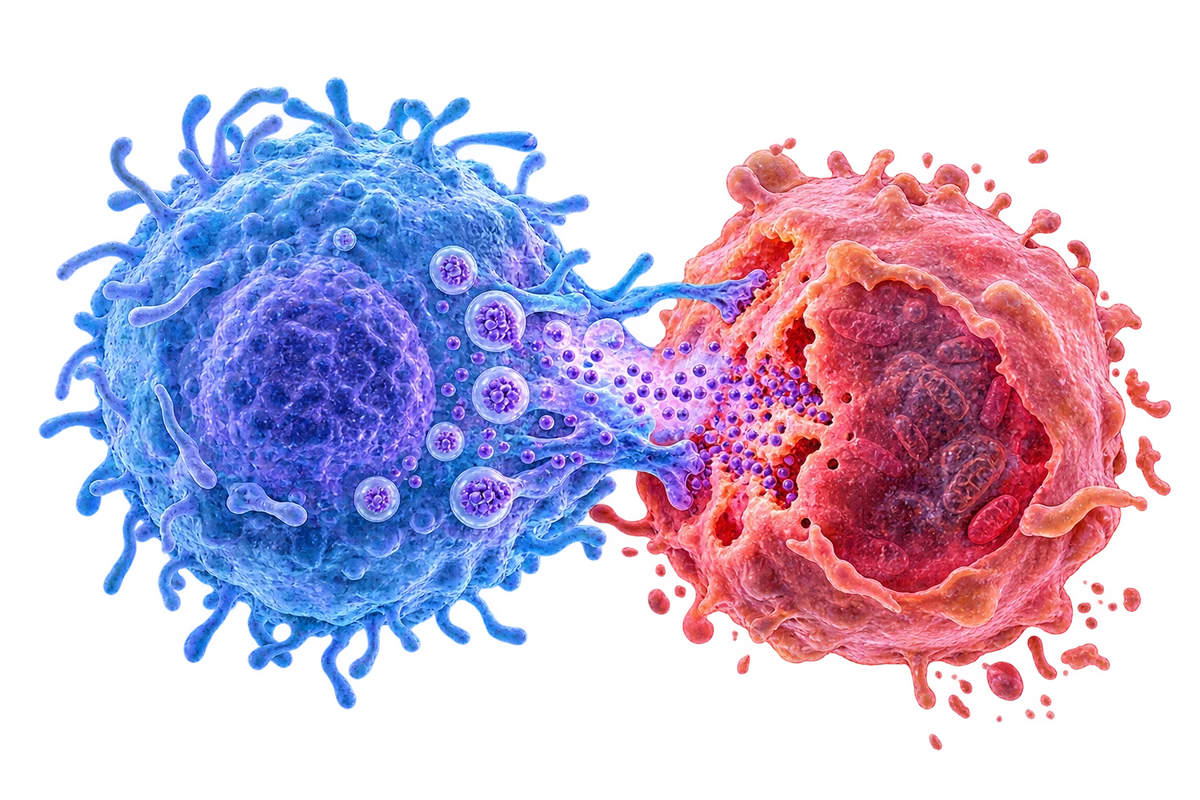
Cytotoxic populations can use perforin, granzymes and other effector mechanisms.

Cytokines influence nearby immune cells and inflammatory responses.
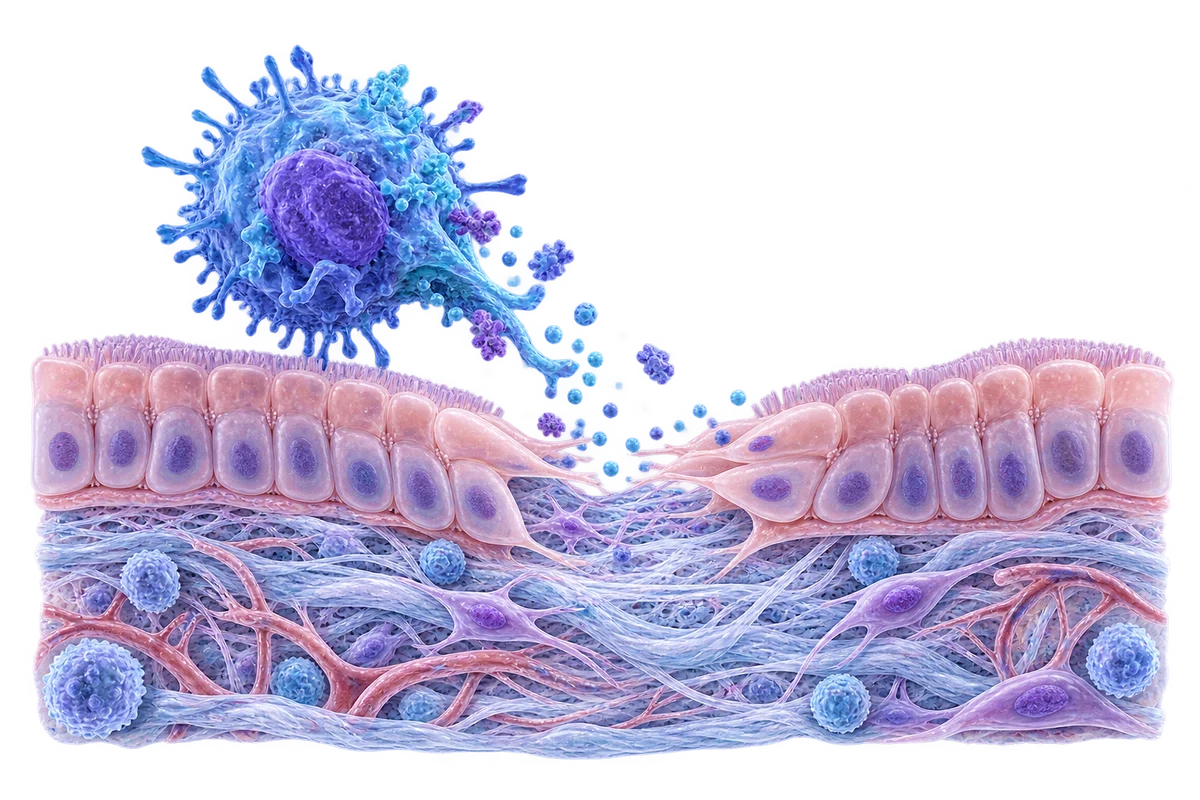
Some populations contribute to barrier maintenance and repair in specific settings.

Aging reshapes the γδ repertoire; changes differ between populations and individuals.
Artwork illustrates the main mechanisms schematically; molecular sizes, colors and distances are not literal.