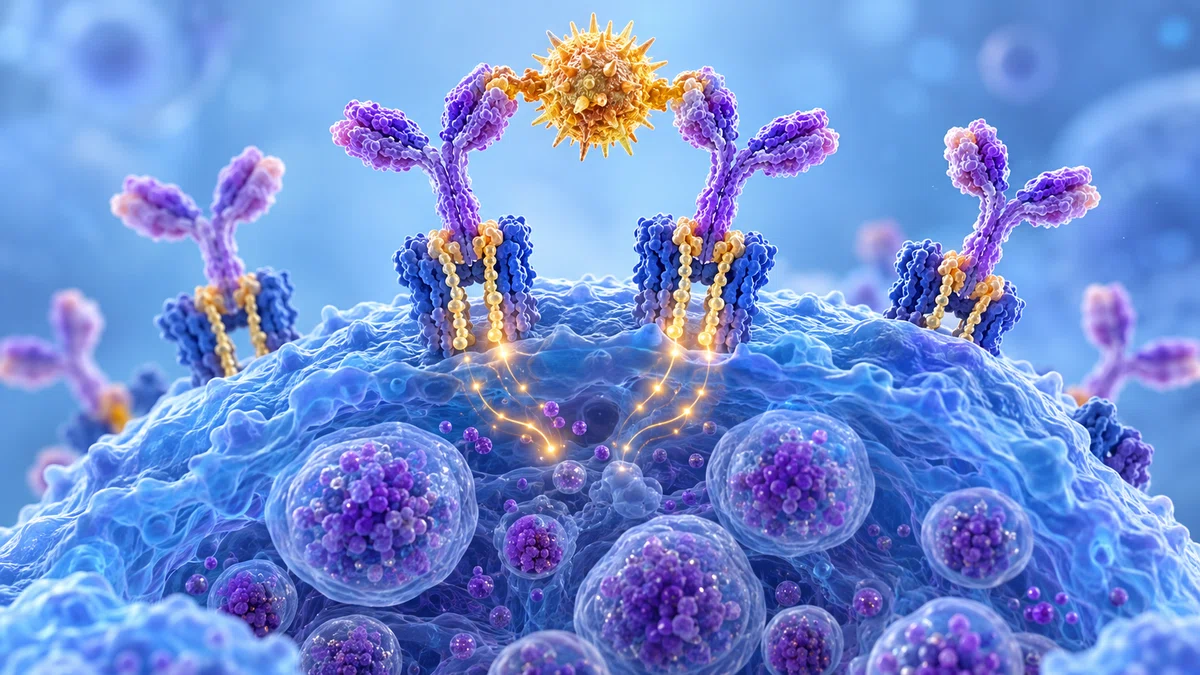
Allergy
I studied IgE receptor biology and the mechanisms that drive allergic responses, aiming to understand how the immune system reacts to otherwise harmless environmental factors.
 Subscribe
A lifelong curiosity about the immune system and a commitment to making science accessible to everyone.
My fascination with the immune system began with a simple question that has stayed with me throughout my career: how can the same system that protects us from disease sometimes become a source of disease itself?
The immune system is an extraordinary network. It defends us against infections, repairs tissues, and maintains balance, yet it can also drive allergy, autoimmunity, chronic inflammation and tissue damage when its regulation goes wrong. This duality has always intrigued me and continues to inspire my work today.
I earned both a Bachelor’s and a Master’s degree in immunology, followed by a Ph.D. in Molecular and Cellular Endocrinology at Aix-Marseille University in France.
I began my research career at The Scripps Research Institute in La Jolla, California, where I studied the mechanisms of allergy and autoimmunity, then continued my research for more than 18 years at the University of California, San Diego in La Jolla, California, leading multiple research projects on sepsis, inflammation, autoimmunity, macrophage biology and lipid-mediated immune regulation.
During more than 25 years of research, I have explored the immune system from many different perspectives, with a focus on allergy, autoimmunity, inflammation and sepsis. My goal has always been to understand the fundamental mechanisms that control immune responses and how this knowledge can lead to new therapeutic strategies.
I studied IgE receptor biology and the mechanisms that drive allergic responses, aiming to understand how the immune system reacts to otherwise harmless environmental factors.
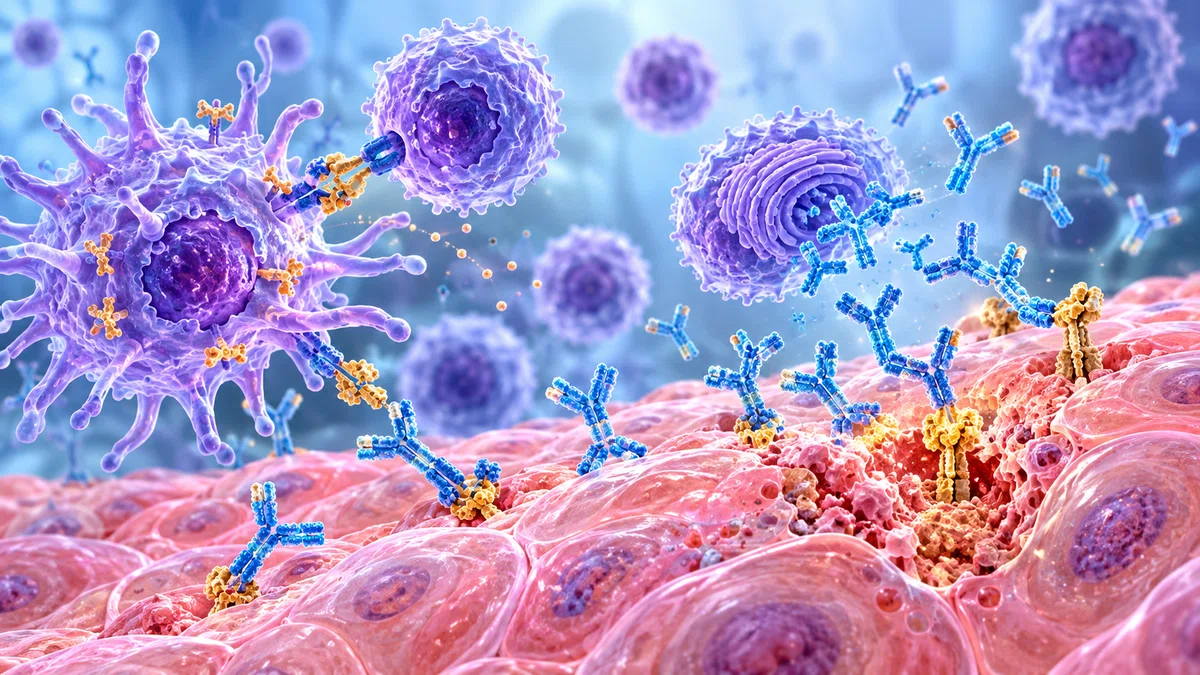
My work in autoimmunity, particularly systemic lupus erythematosus (lupus), explored how genetic, environmental and immune-regulatory pathways can lead the immune system to attack the body’s own tissues.
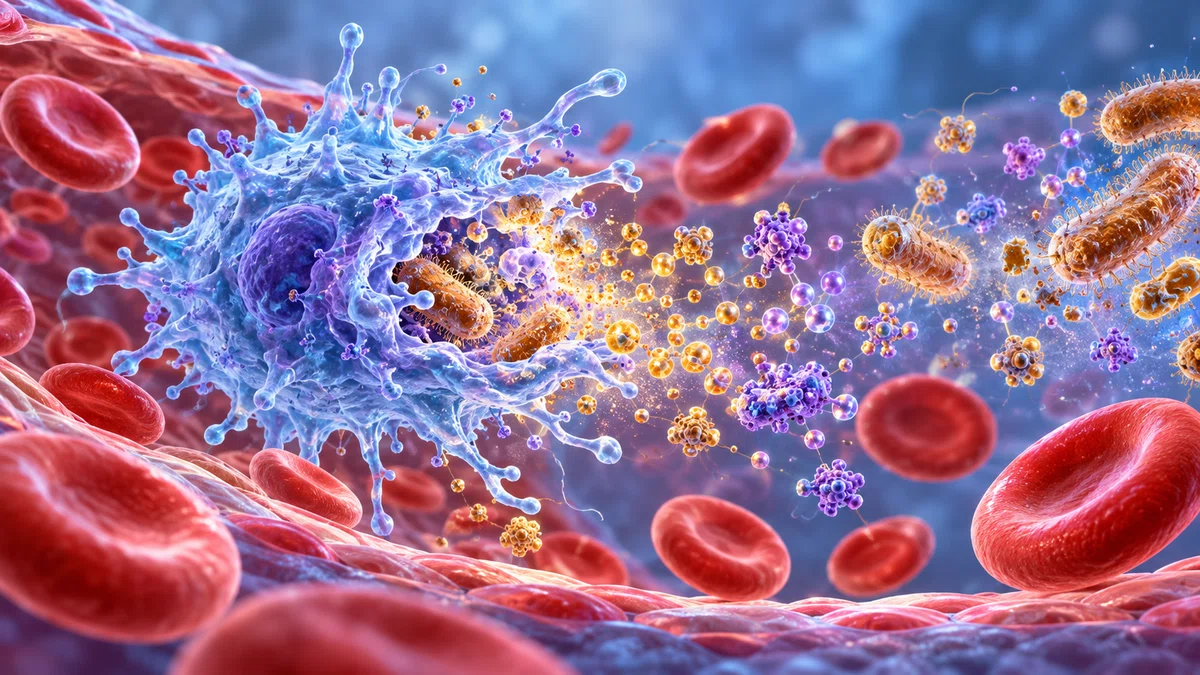
I investigated how an initially protective immune response can become excessive and later lead to profound immune suppression in sepsis, contributing to tissue damage and increased susceptibility to secondary infections.
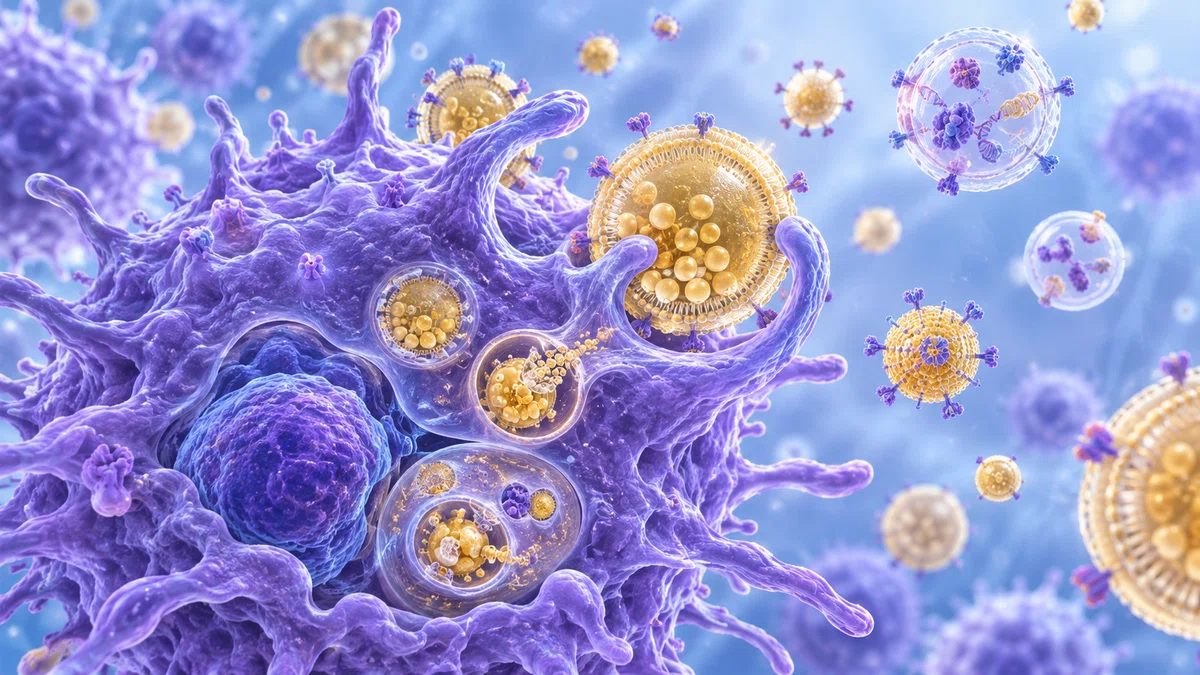
I have been particularly interested in macrophages, key cells that sense danger, orchestrate inflammation and support tissue repair. My research also explores how lipids, extracellular vesicles and lipid nanoparticles can modulate immune cell function.
Years of studying inflammation, infection and autoimmunity naturally led me to another question: what happens to this extraordinarily complex system as we grow older?
Aging does not simply switch immunity off. It progressively remodels immune cells, tissues and signaling networks, affecting how we respond to infections, vaccines, inflammation, tissue damage and disease. Understanding why some people maintain resilient immune function while others experience more pronounced immune dysfunction is, to me, one of the most exciting challenges in modern immunology.


After more than two decades devoted to studying immunology, inflammation, sepsis, allergy and autoimmunity, my goal is to bring this scientific experience beyond the laboratory.
I created ImmuneForward to help people understand how their immune system actually works, how it changes throughout life, what science genuinely tells us about supporting immune health, and, just as importantly, what science does not yet know.
While my professional expertise lies in decoding the complex pathways of the human immune system, my digital design skills are still very much a work in progress. I appreciate your patience as I continue to optimize this website's layout with the same care, if not yet the same precision, that I bring to my research.
I am an immunologist dedicated to understanding the mechanisms that govern immunity. Through ImmuneForward, I share scientific knowledge to help make this complex field accessible to everyone. I do not provide individual medical advice, diagnoses or treatment recommendations. For questions about your health or care, please consult a qualified healthcare professional.