
Essential nutrient
Vitamin E helps protect cell membranes and is required for normal biological function.
 Subscribe
NUTRITION & IMMUNITY
An essential nutrient with a fascinating connection to immune function and aging. Explore the foods that provide it, how it works, and what human research can—and cannot—tell us.
Discover the science →Vitamin E helps protect cell membranes and is required for normal biological function.
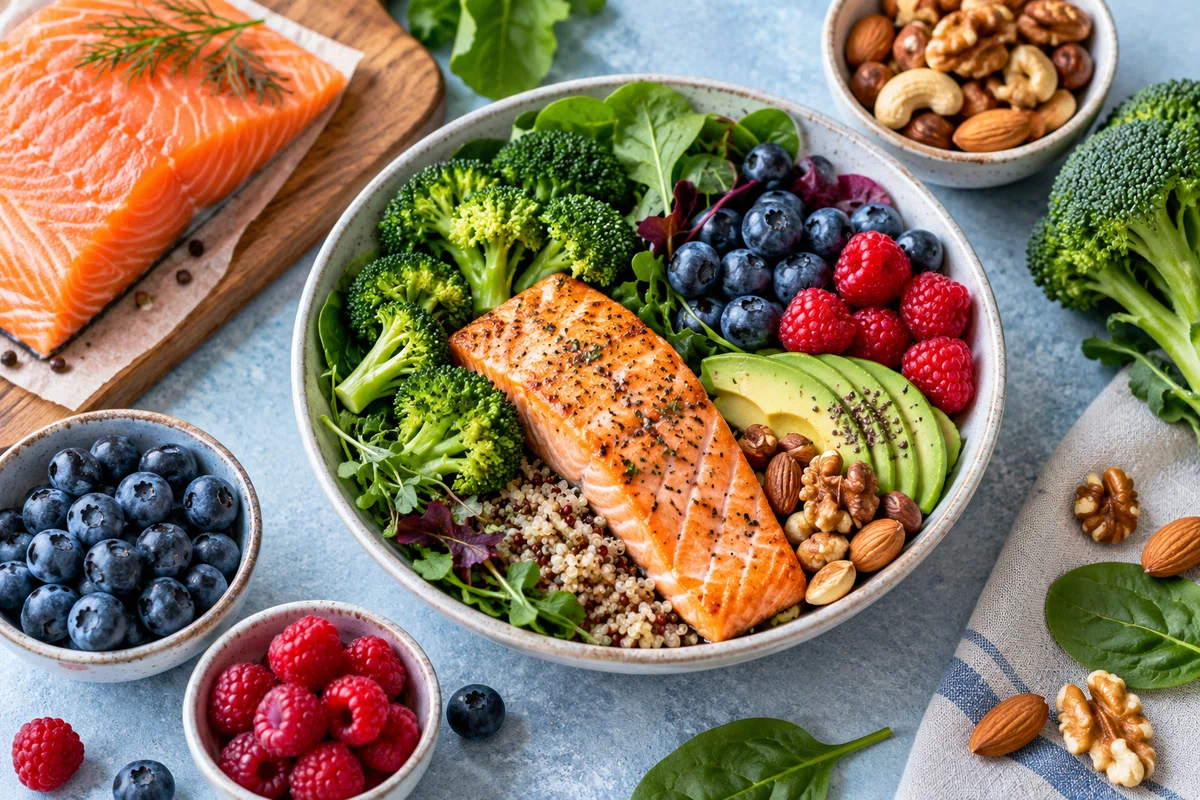
Nuts, seeds, vegetable oils and green vegetables contribute to intake.
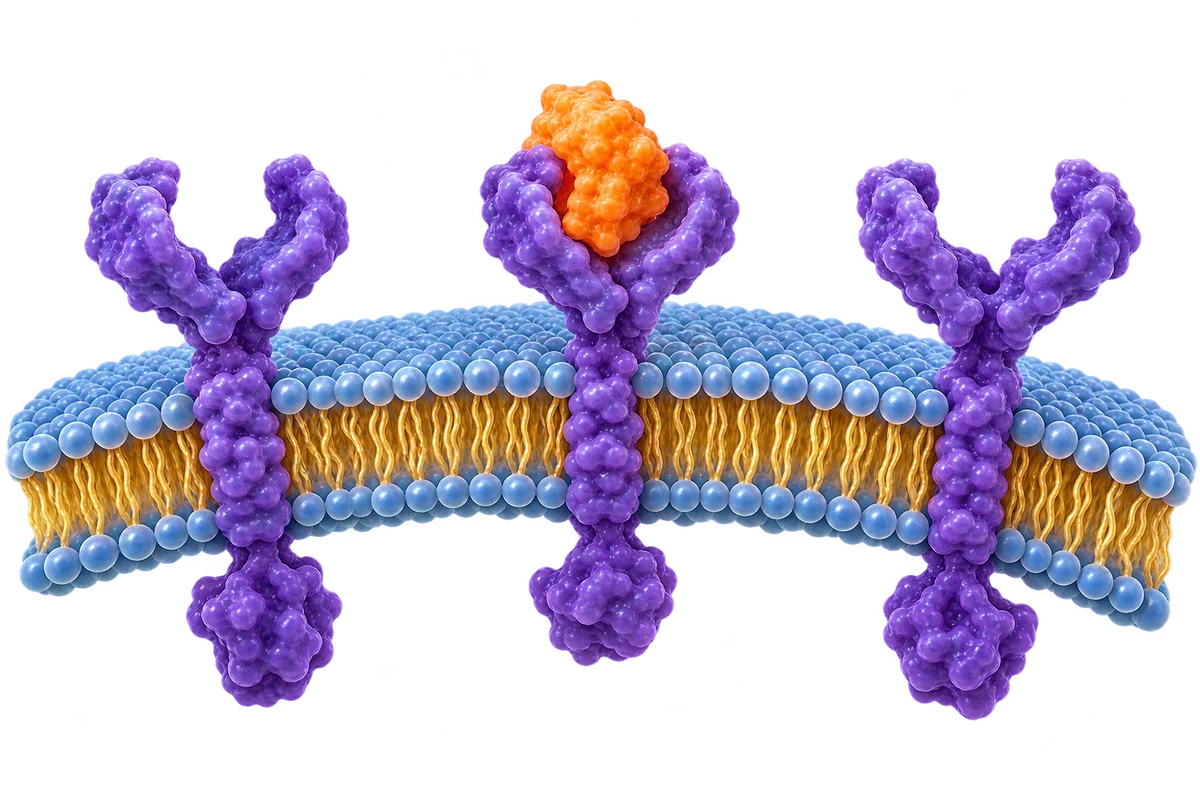
Research examines T cells, cytokines, macrophages and vaccine responses.
An improved immune measurement does not automatically mean fewer infections.
Vitamin E is a group of related molecules: four tocopherols and four tocotrienols. Each group contains α (alpha), β (beta), γ (gamma) and δ (delta) forms.
α-Tocopherol is the form recognized as meeting human vitamin E requirements. The liver preferentially maintains this form in circulation.
“Fat-soluble” means it is absorbed along with dietary fat. Within membranes, vitamin E helps limit lipid peroxidation—the chain reaction that damages membrane fats.
| Tocopherols | Tocotrienols |
|---|---|
| α-tocopherol | α-tocotrienol |
| β-tocopherol | β-tocotrienol |
| γ-tocopherol | γ-tocotrienol |
| δ-tocopherol | δ-tocotrienol |
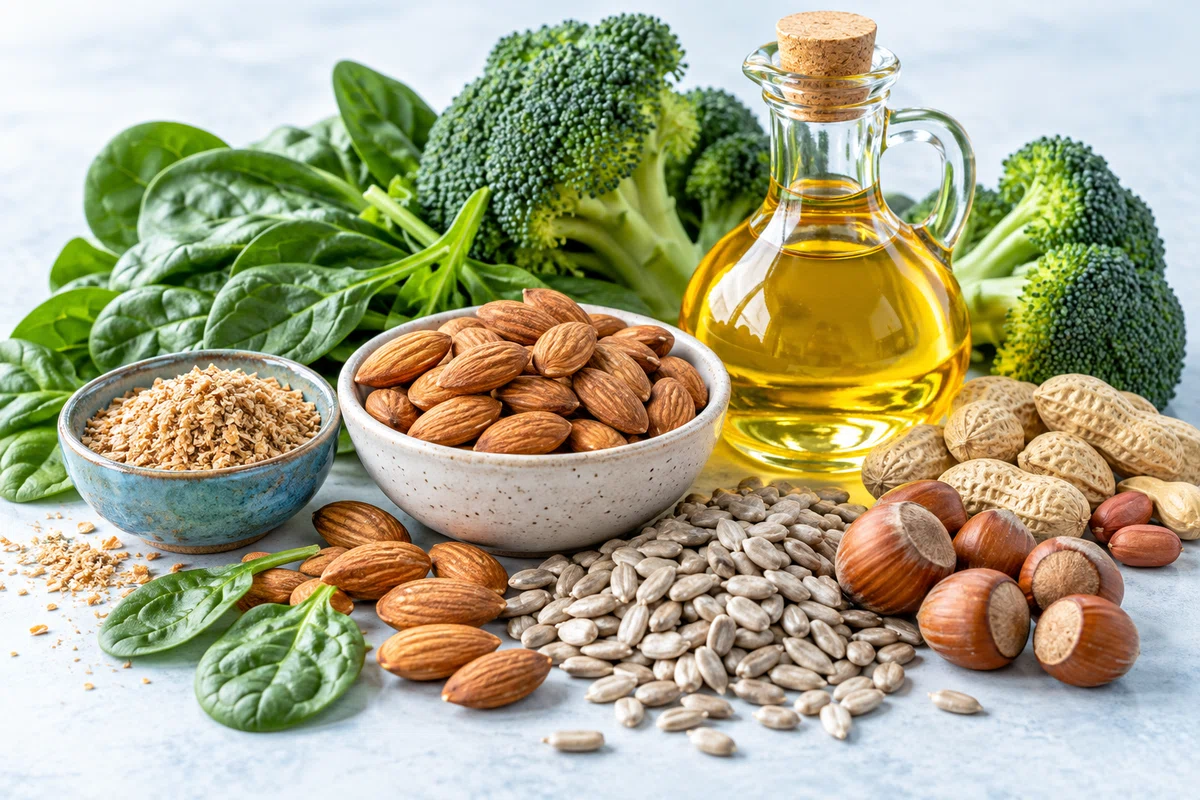
Food is a useful starting point for understanding vitamin E. Nuts and seeds, suitable vegetable oils and green vegetables all contribute within a varied diet.
| Food | Serving | Vitamin E |
|---|---|---|
| Sunflower seeds, dry roasted | 1 oz (28 g) | 7.4 mg |
| Almonds, dry roasted | 1 oz (28 g) | 6.8 mg |
| Sunflower oil | 1 tablespoon | 5.6 mg |
| Hazelnuts, dry roasted | 1 oz (28 g) | 4.3 mg |
| Spinach, boiled | ½ cup | 1.9 mg |
| Broccoli, boiled | ½ cup | 1.2 mg |
Approximate food values: NIH Office of Dietary Supplements. Preparation and products vary.
From membrane protection to T-cell signaling: biological effects are real, but clinical outcomes need their own evidence.
Vitamin E helps interrupt lipid oxidation in cell membranes. Membrane integrity matters for the way immune cells receive signals and interact.
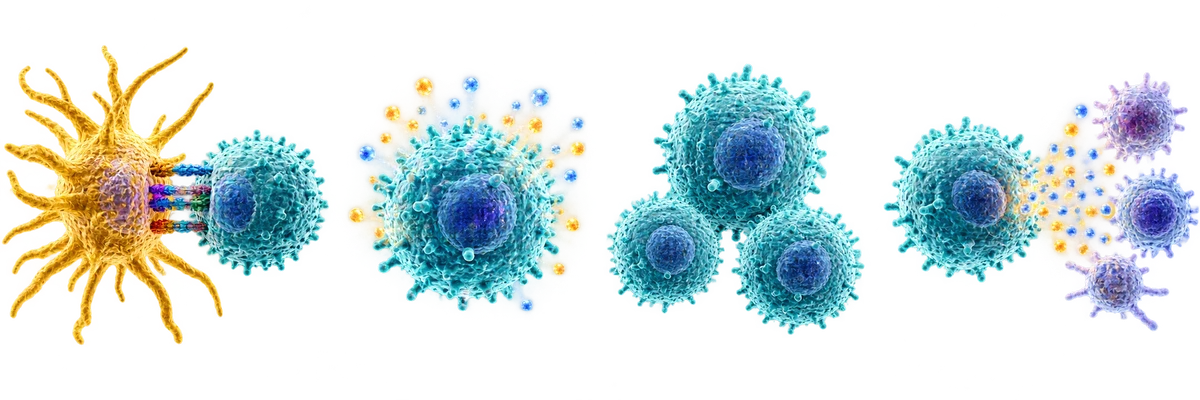
Studies examine activation, IL-2 production and proliferation. IL-2 is a signal that helps activated T cells grow and divide.
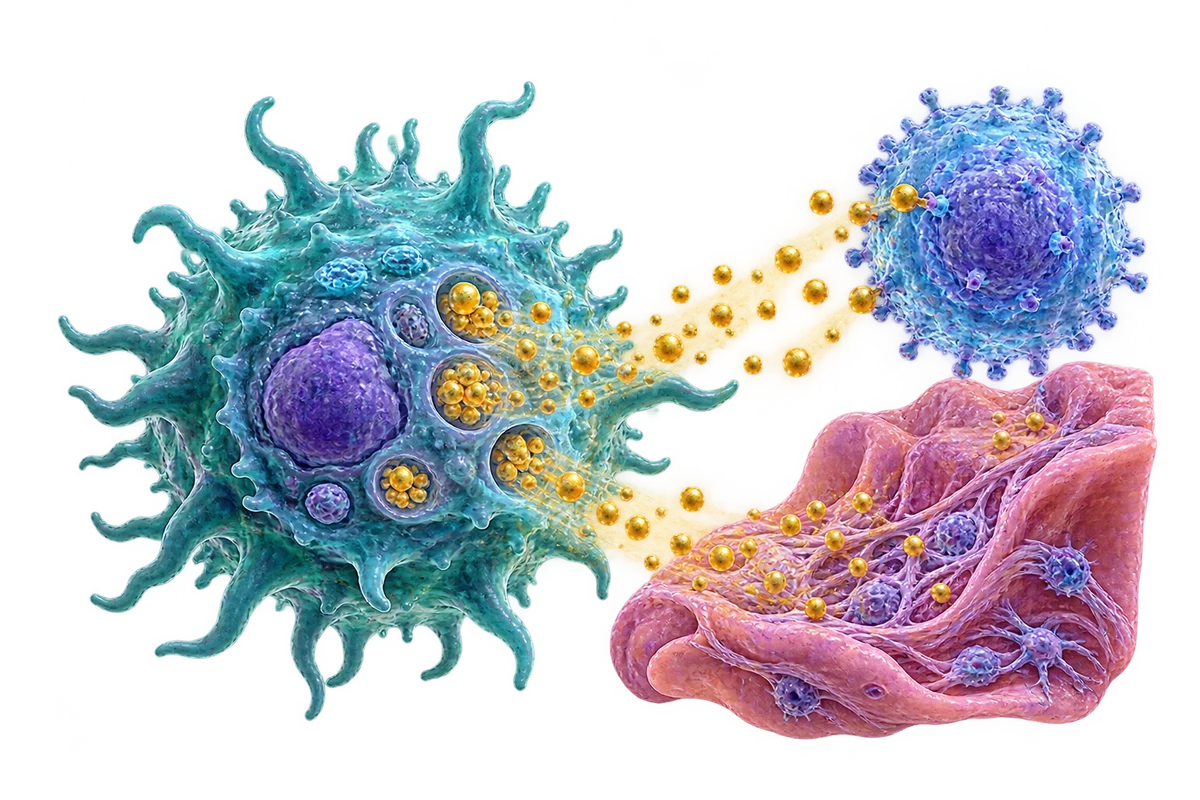
Experimental work links vitamin E to macrophage signaling and PGE₂, a lipid mediator that can suppress T-cell responses in aging models.
Meydani et al., 1990; Meydani, Han & Wu, 2005.
Controlled studies in older adults have reported positive, modest and null findings. Dose, duration, participants and the outcome measured all matter.
Positive immune measurements
32 healthy older adults; 800 mg/day dl-α-tocopheryl acetate for 30 days. DTH skin responses, IL-2 and stimulated lymphocyte proliferation increased; PGE₂ and lipid peroxidation decreased.
Read the study →
Selected benefits
88 adults aged ≥65; placebo or 60, 200 or 800 mg/day for approximately four months. Selected DTH and vaccine-antibody responses improved, with notable findings at 200 mg/day.
Read the study →
No significant improvement
100 mg/day for three months in older adults increased plasma α-tocopherol, but did not significantly improve the cellular or humoral responses examined.
Read the study →
Limited / mixed effects
161 adults aged 65–80; 50 or 100 mg/day for six months. Some measures showed favorable trends; many differences were not robust after multiple-comparison correction.
Read the study →

In the 1997 trial, certain doses enhanced antibody responses to hepatitis B and tetanus vaccines. Improvement was not uniform across every vaccine or immune parameter.
This does not establish routine vitamin E supplementation before or after vaccination.
A 2026 randomized trial assigned 150 adults to placebo or 50–400 mg/day of a palm-derived tocotrienol-rich fraction for two months, with influenza vaccination at four weeks.
Antibody and selected cellular responses increased. This is evidence about a specific preparation and immune endpoints, not proof of fewer influenza infections or an equivalent effect from α-tocopherol.
Chen et al., 2026 · Single trial; replication matters.
652 community-dwelling adults aged ≥60. Vitamin E did not significantly reduce acute respiratory infection incidence. Among those with infections, several illness-severity measures were worse.
Read the randomized trial →
617 nursing-home residents aged ≥65, given 200 IU/day or placebo for one year. Overall infection incidence was not significantly reduced; some analyses suggested fewer people with upper respiratory infections or common colds.
Read the randomized trial →
Read each claim alongside its evidence type and limitations. Orange identifies promising, mixed or preclinical findings that do not yet establish a general clinical benefit.
The evidence type and limitations in each row are essential: a strong laboratory mechanism is not a proven clinical treatment.
Explore all 35 publications in the Master Evidence Library →
| Claim | Science or Hype? | What the evidence means |
|---|---|---|
| Vitamin E is necessary for normal immune function | Adequate intake supports normal physiology. Deficiency and extra supplementation are different questions.NIH Office of Dietary Supplements | |
| Vitamin E influences T-cell biology | Human and experimental research shows effects on selected T-cell responses.Research review | |
| Vitamin E can affect IL-2 and T-cell proliferation | Positive controlled studies exist, but responses vary across trials and conditions.Meydani 1990; Pallast 1999 | |
| Vitamin E can modulate PGE₂-related pathways | This pathway is especially well studied experimentally; it does not establish a clinical treatment.Mechanistic review | |
| α-Tocopherol improves selected immune responses in some older adults | Some trials found benefits; another found no significant improvement in the responses tested.Meydani 1997; De Waart 1997 | |
| Vitamin E influences naïve T-cell function | The clearest direct evidence comes from old mice, rather than rejuvenation trials in people.Adolfsson 2001 — mice | |
| α-Tocopherol can improve certain vaccine responses | Selected antibody responses improved in one older-adult trial; this is not a universal vaccine strategy.Meydani 1997 | |
| Tocotrienols can influence influenza-vaccine responses | A 2026 trial tested a particular tocotrienol-rich fraction. Replication and formulation-specific research remain important.Chen 2026 | |
| Vitamin E reliably prevents respiratory infections | Large trials did not consistently reduce infection incidence; some secondary outcomes differed.Graat 2002; Meydani 2004 | |
| Vitamin E improves influenza resistance | Aged-mouse studies inform mechanisms but do not demonstrate prevention in people.Review of animal experiments | |
| Vitamin E reverses inflammaging | Changes in one inflammatory pathway do not show reversal of systemic inflammatory aging.Aging review | |
| Vitamin E reverses immunosenescence | No convincing clinical demonstration of whole-system immune rejuvenation.Aging review | |
| More vitamin E means stronger immunity | Adequacy and high-dose supplementation are different claims.NIH Office of Dietary Supplements | |
| High-dose vitamin E is harmless | High supplemental doses can increase bleeding risk and interact with some medicines.NIH Office of Dietary Supplements |
Can a nutrient modify the age-sensitive relationship between T cells and their inflammatory environment?
Immunosenescence involves changes in immune cells, tissues and signaling—not a uniform loss of all immunity. Some T-cell populations show altered activation, IL-2 production and proliferation.
Naïve T cells have not yet met their specific antigen. They help respond to unfamiliar pathogens and vaccine antigens. Their numbers, diversity and behavior can change with age.
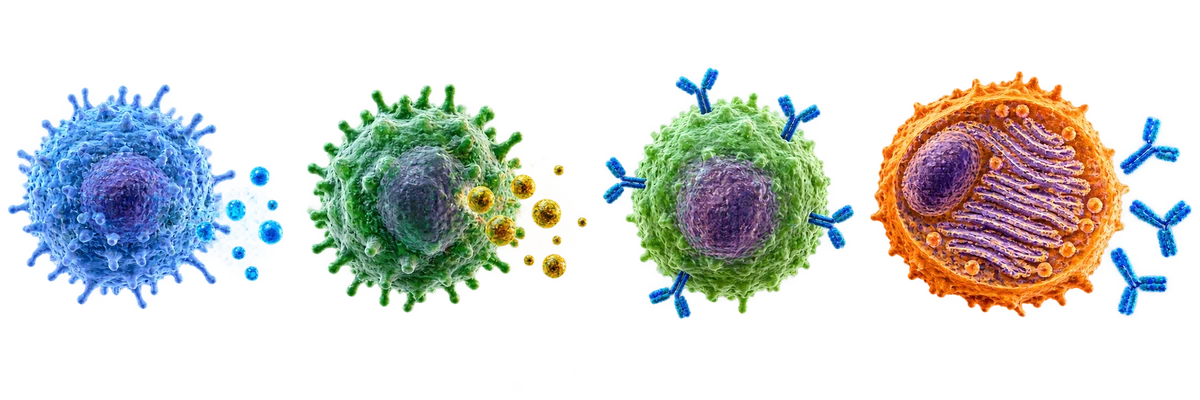

Experiments with purified T cells from old mice found increased IL-2 production and cell division after vitamin E exposure. Naïve T cells responded more prominently than memory T cells.
What this supports: an experimentally observed effect on a specific cell population.
What it does not show: rebuilding the entire naïve T-cell pool or making an older person’s immune system young.
In aging experimental systems, macrophage-derived PGE₂ can inhibit T-cell responses. Vitamin E has been linked to reduced PGE₂ production, including changes involving peroxynitrite and cyclooxygenase activity.
What this supports: the surrounding immune environment can contribute to T-cell dysfunction.
What it does not show: supplementation reliably reversing this process in older people.
Aging environment → Increased macrophage PGE₂ in some models → Suppressed T-cell responses
Vitamin E exposure → Reduced PGE₂ in some models → Less suppression of IL-2 and proliferation
The 1997 randomized trial shows that selected age-sensitive immune responses can change after nutritional intervention in older adults. This is important human evidence, even though the outcomes were specific.
Meydani et al., 1997
The De Waart trial found no significant improvement despite increased blood vitamin E. Together, positive and null results show why dose, participants and endpoints remain part of the explanation.
De Waart et al., 1997
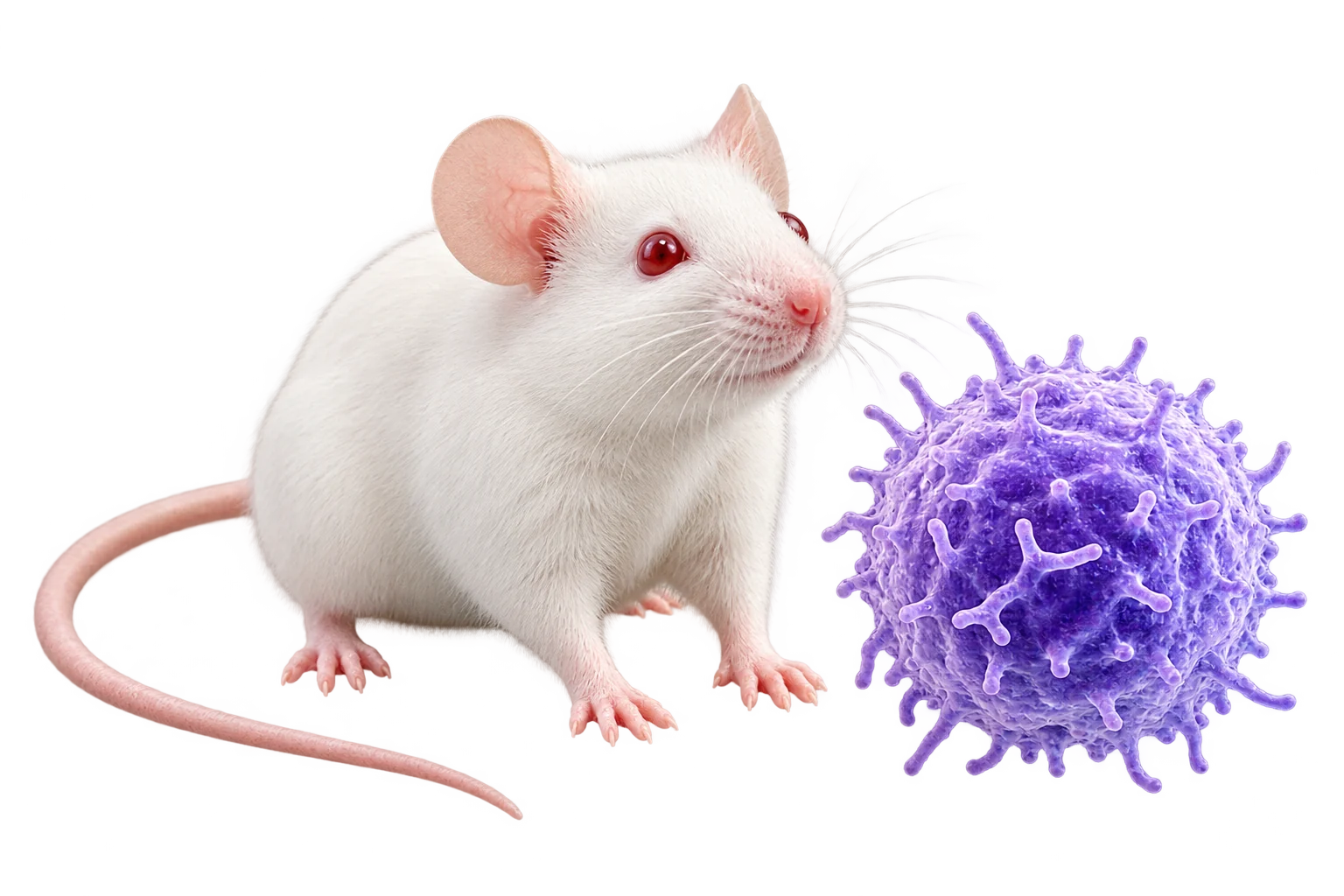
Aged-mouse influenza experiments have reported lower lung viral burden and changes in NK-cell activity or Th1-associated cytokines such as IL-2 and IFN-γ.
These experiments help connect vitamin E, PGE₂ and antiviral immune responses.
Animal studies summarized in Meydani, Han & Wu, 2005.
Mice differ from humans in lifespan, diet, infection exposure and experimental conditions. A lower viral titer in a controlled mouse experiment is not proof that a supplement prevents influenza in people.
Human respiratory-infection trials remain the relevant tests of clinical benefit in the populations studied.
Compare the human infection trials →Changing an age-sensitive immune function is not the same as reversing immune aging. There is no convincing clinical demonstration that vitamin E restores the full immune system to a younger biological state.
The cited research does not establish restoration of thymic output, youthful naïve/memory proportions, T-cell receptor diversity or the complete aged immune-cell landscape.
Vitamin E intersects experimentally with oxidative and inflammatory pathways relevant to inflammaging. Modifying one pathway does not establish reversal of persistent, systemic inflammatory aging.
Clinical evidence is insufficient to say supplementation prevents or reverses inflammaging in humans.
| Claim | Science or Hype? | What the evidence means |
|---|---|---|
| T-cell function changes substantially with aging | Age-related changes include signaling, proliferation, IL-2 and responses to unfamiliar antigens.Wu & Meydani 2014 | |
| Vitamin E can influence age-impaired T-cell function | Experimental studies and some human trials support selected effects, not restoration of all T-cell functions.Meydani et al. 2005 | |
| Vitamin E can influence IL-2 production and T-cell proliferation | These are measurements of immune activity, not direct measures of how fast a person ages.Meydani 1990; Pallast 1999 | |
| Vitamin E can reduce PGE₂-mediated suppression of aging T cells | Macrophage–T-cell experiments support this pathway. Clinical benefit remains a separate question.Mechanistic review | |
| Naïve T cells may be particularly responsive to vitamin E | Old-mouse experiments found a larger response in naïve than memory T cells.Adolfsson 2001 | |
| Vitamin E can improve selected immune responses in some older adults | Positive and null controlled studies both belong in the interpretation.Meydani 1997; De Waart 1997 | |
| Vitamin E slows the biological rate of immune aging | The cited studies do not establish a slower rate of immune-system aging.Aging review | |
| Vitamin E reverses immunosenescence | Improving an age-sensitive function is not equivalent to reversing immune aging.Review | |
| Vitamin E makes an older immune system “young” | There is no convincing evidence of broad restoration to a younger immune state.Review |

Severe deficiency is uncommon in otherwise healthy people. Disorders of fat absorption and certain inherited conditions can cause deficiency, with neurological and immune consequences. Diagnosis and treatment depend on the cause.

Food intake, correcting a deficiency and high-dose supplementation are three different situations. Research doses should not be interpreted as personal dosing advice.

High supplemental doses can interfere with clotting and increase bleeding risk, especially with anticoagulant or antiplatelet medicines. Discuss supplements with a clinician or pharmacist when medicines or medical conditions are involved.
Nutrition, deficiency, formulation and safety: NIH Office of Dietary Supplements.
Vitamin E is essential for normal immune function and is available in everyday foods.
Its biology extends beyond membrane antioxidant protection.
Some trials show improved immune measurements in older adults; others find limited or no benefit.
Vaccine findings are specific to the preparation, population and vaccine studied.
Reliable prevention of respiratory infections has not been established.
Reversal of immunosenescence or a “younger” immune system has not been demonstrated.
“Changing an immune biomarker is not the same as preventing disease—and neither is the same as reversing immune aging.”
Evidence reviewed October 2026. Artwork is schematic; molecular shapes, sizes, colors and distances are illustrative. Clinical trial doses describe research protocols and are not intake recommendations.