Cellular senescence
Aging cells release inflammatory molecules (SASP)
 Subscribe
As we age, low-grade, chronic inflammation — called inflammaging — becomes more common. It can influence immune function, increase the risk of many age-related diseases, and affect overall health and quality of life.
Explore the science →Inflammaging refers to a persistent, low-grade increase in inflammatory signals that develops with age, even in the absence of acute infection. It reflects a complex interplay between the immune system, metabolic changes, cellular senescence, and the environment.
Learn more about inflammation →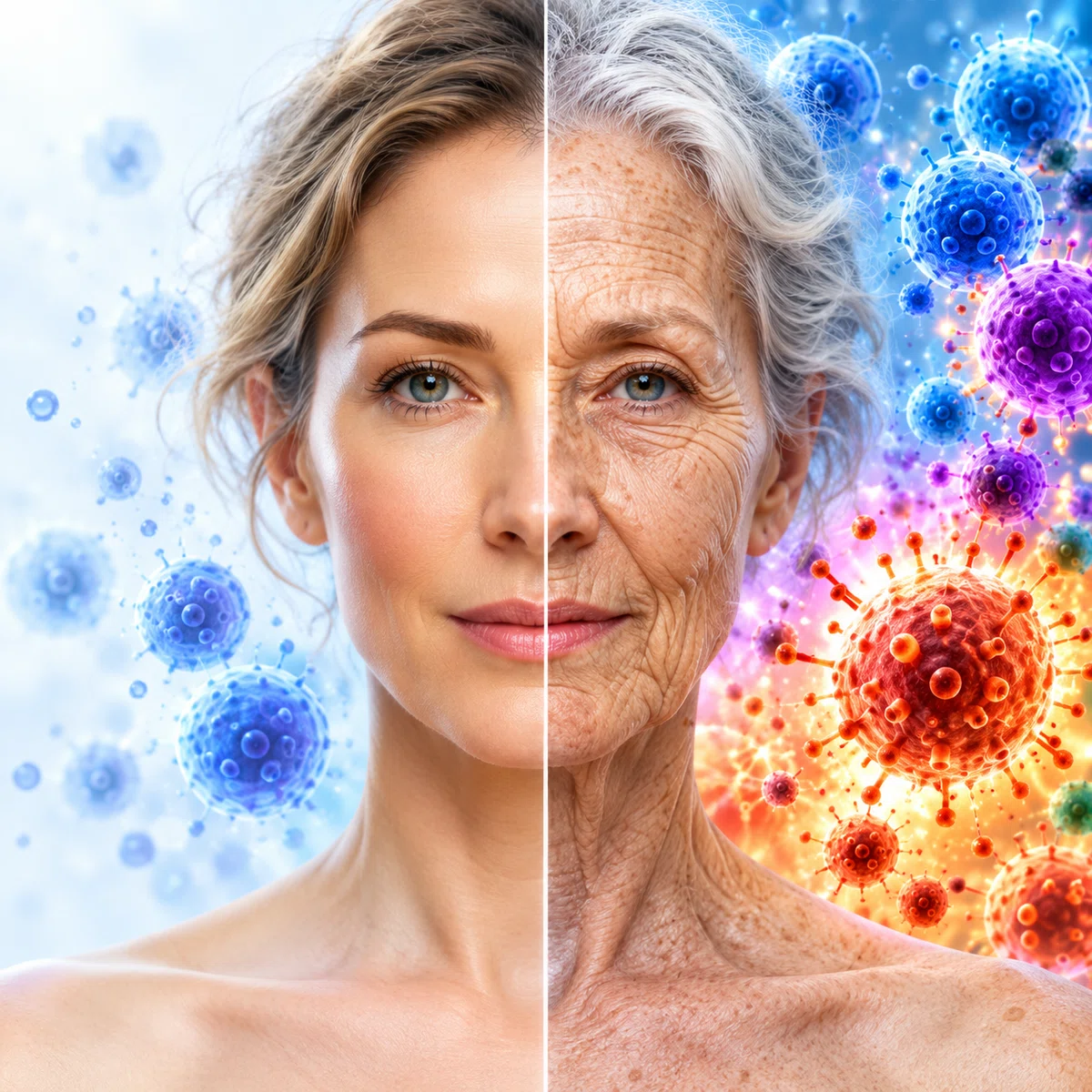
With age, the immune system undergoes multiple changes, including a reduced ability to respond to new threats, a decline in immune regulation, and a tendency toward increased production of inflammatory molecules. This shift contributes to a state of chronic, low-grade inflammation.
Balanced immune response
Effective defense
Controlled inflammation
Increased inflammatory signals
Reduced immune regulation
Higher risk of chronic diseases
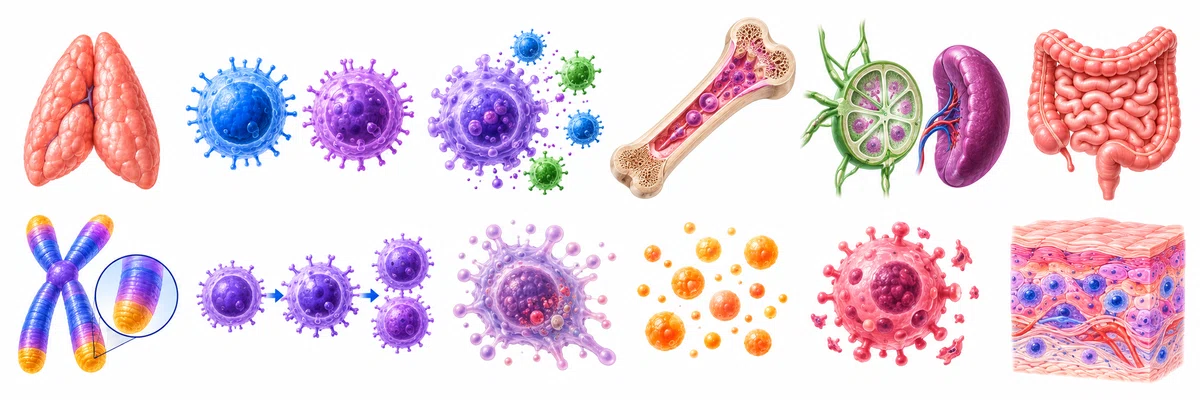
Several interconnected processes contribute to inflammaging.
Aging cells release inflammatory molecules (SASP)
Altered function of innate and adaptive immune cells
Persistent viruses (e.g., CMV) can drive and perpetuate inflammation
Altered metabolism and adipose tissue contribute to inflammatory signals
Diet, sedentary lifestyle, pollution and stress can promote inflammation
Several inflammatory molecules tend to be higher in older adults, even in the absence of infection, reflecting a state of chronic low-grade inflammation.
Conceptual illustration—not measured study data. Curves show a possible age-related trend; individual marker levels vary widely.
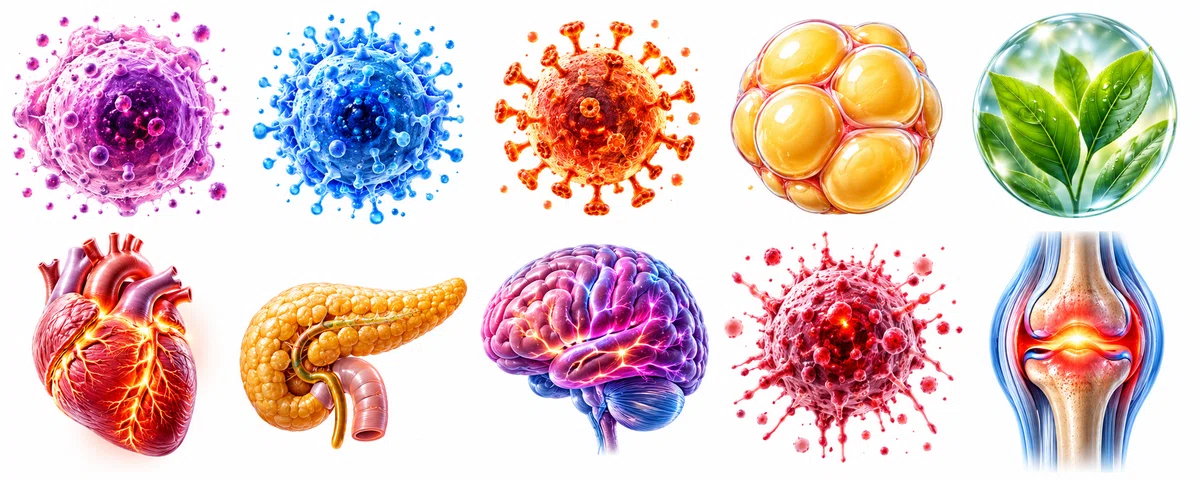
Inflammaging is associated with an increased risk of many age-related conditions, including cardiovascular disease, type 2 diabetes, neurodegenerative diseases, some cancers, and reduced physical function.
Lifestyle choices can help keep inflammation in check and support healthier aging.
Fruits, vegetables, whole grains, healthy fats (Mediterranean diet)
Reduces inflammatory markers and improves immune function
Supports immune regulation and reduces inflammation
Mindfulness, relaxation techniques and social connections
Both can increase inflammation and accelerate biological aging
“Inflammaging is not an inevitable part of aging.
— ImmuneForward
A healthier future is possible through a better understanding of the mechanisms and by making informed lifestyle choices.
Discover more about how inflammation shapes immune aging — and what you can do to support a healthier, longer life.
Explore related topics →Artwork illustrates the main mechanisms schematically; molecular sizes, colors and distances are not literal.