Respiratory infections
- Influenza, COVID-19, RSV and pneumonia
- Higher risk of severe disease, hospitalization and death
- Vaccination is key
 Subscribe
As we age, our immune system changes, making it harder to detect, control and eliminate infections. Understanding how aging affects your immune defenses can help you make informed choices to reduce your risk and stay healthier, longer.
Explore the science →A combination of immune, biological and social factors.
Older adults are more likely to get infected and to develop severe disease.
Infections can lead to hospitalization, long-term disability and increased mortality.
Chronic conditions, frailty, environment and other factors also increase vulnerability.
Infections are a major cause of illness, hospitalization and death.
Higher risk of hospitalization for respiratory infections
are among the leading causes of hospitalization in adults ≥65
Older adults are disproportionately affected by severe infectious disease
of severe disease for influenza, COVID-19 and pneumococcal infections
Immunosenescence and inflammaging affect both innate and adaptive immunity.

Reduced pathogen detection and signaling
Altered antigen presentation and activation of T cells
Fewer naïve T cells, altered function and reduced repertoire diversity
Decreased antibody responses and less durable immunity
Persistent low-grade inflammation can impair effective immune responses
Two interconnected features of immune aging.
Changes in immune-cell composition and function, including reduced naïve T and B cells, altered innate responses and impaired immune regulation.
Chronic, low-grade inflammation characterized by a persistent elevation of inflammatory mediators and linked to metabolic changes, cellular senescence and chronic infections.
Some infections are more common or more severe with age.

Conditions such as cardiovascular disease, diabetes, chronic lung disease, kidney disease and frailty can increase susceptibility to infections and the risk of severe outcomes.
Symptoms can be different and sometimes less obvious:
Infections can have lasting effects.
Multiple approaches help reduce the risk of infection.
Vaccines are a key tool to prevent serious infections.
Annual vaccination reduces the risk of severe disease and hospitalization
Vaccination lowers the risk of severe disease, hospitalization and death
U.S. CDC guidance: recommended for all adults ≥75 and adults 50–74 at increased risk of severe RSV illness. Check current local guidance.
Vaccination helps prevent serious pneumonia and bloodstream infection
Recommended for adults ≥50 to prevent shingles and complications
While we cannot eliminate all risks, many serious infections are preventable. Vaccination, healthy lifestyle choices and good medical care can help you stay healthier, more independent and enjoy the years ahead.
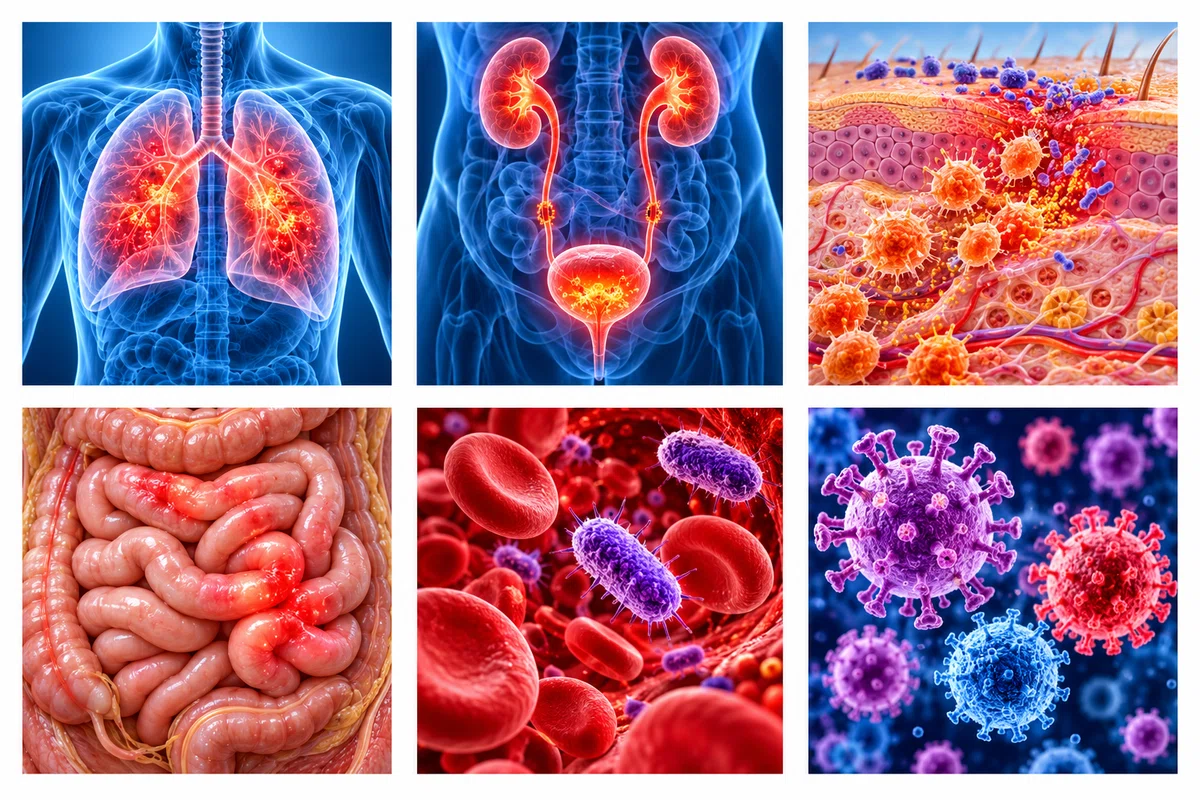
Take care of your ImmAge. →Artwork illustrates the main mechanisms schematically; molecular sizes, colors and distances are not literal.