As we age, the risk of chronic diseases increases. Many of these conditions are closely linked to long-term, low-grade inflammation (inflammaging) and changes in immune-system function. Understanding these connections can help us make informed choices to reduce risk, maintain health, and preserve quality of life.
Chronic diseases are long-term health conditions that often progress slowly and can persist for years or decades. They include cardiovascular disease, diabetes, cancer, neurodegenerative diseases, chronic lung diseases, and autoimmune conditions.
While multiple factors contribute to their development, age-related immune changes and chronic inflammation play a central role.
Chronic diseases become more common and often coexist in older adults.
Common
Chronic conditions become more common in older adulthood
Often multiple
Several chronic conditions can coexist; prevalence depends on the population and definitions
Leading cause
of disability, hospitalization and mortality worldwide
Key Takeaways
Chronic diseases are more common with age.
Chronic inflammation (inflammaging) contributes to many of these conditions.
Immune-system changes increase susceptibility and can worsen disease progression.
Multiple conditions often coexist in older adults (multimorbidity).
Lifestyle choices and medical care can reduce risk and improve outcomes.
Immunosenescence and Inflammaging
Two interconnected features of immune aging.
IMMUNOSENESCENCE
Changes in immune-cell composition and function, including reduced naïve T and B cells, altered innate responses and impaired immune regulation.
Can lead to weaker immune responses and increased susceptibility to disease.
INFLAMMAGING
Chronic, low-grade inflammation characterized by persistent elevation of inflammatory mediators (e.g., IL-6, TNF-α, IL-1β, CRP).
Driven by multiple factors including cellular senescence, metabolic changes and chronic infections.
Associated with increased risk of age-related diseases.
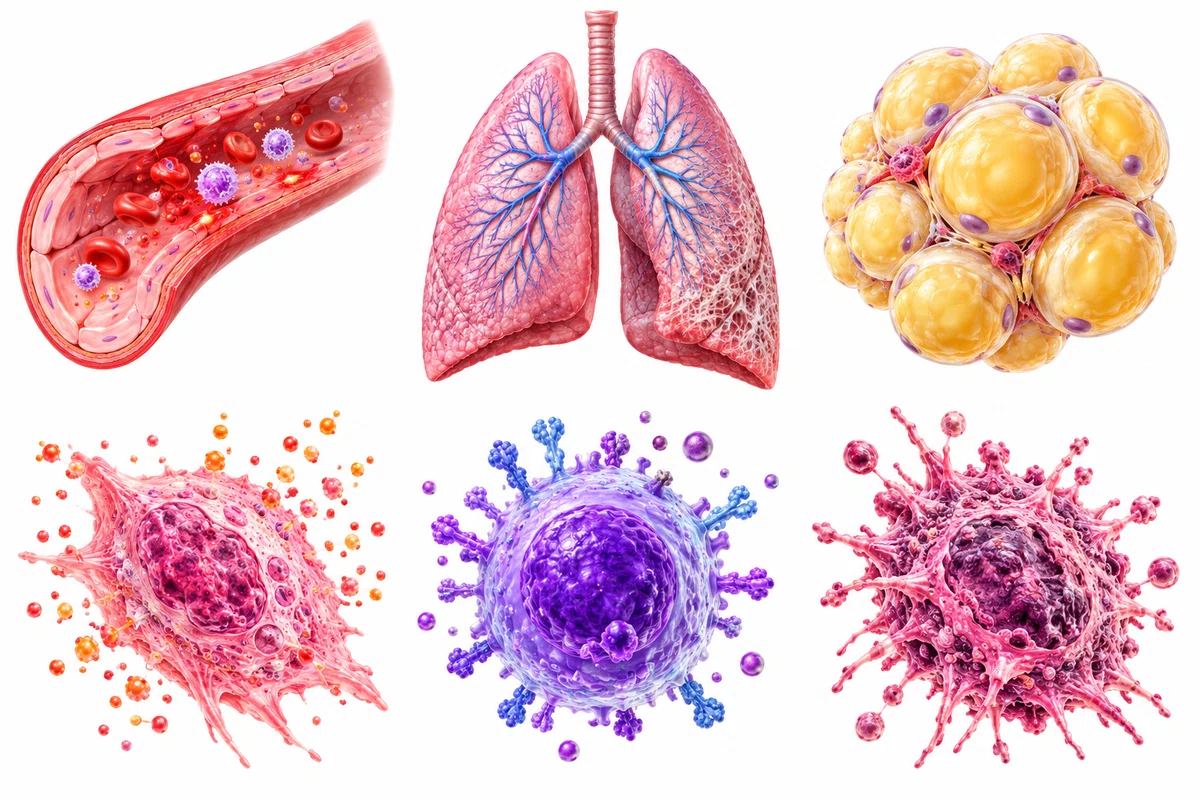
How Inflammation Contributes to Disease
Chronic inflammation can affect many organs and systems.
Endothelial dysfunction
Metabolic dysregulation
Altered immune responses
CHRONIC INFLAMMATION (inflammaging)
Tissue damage and fibrosis
Cellular senescence
Promotion of cancer development
Major Chronic Diseases and Their Connection With Aging and Inflammation
Many common diseases share inflammatory and immune-related mechanisms.
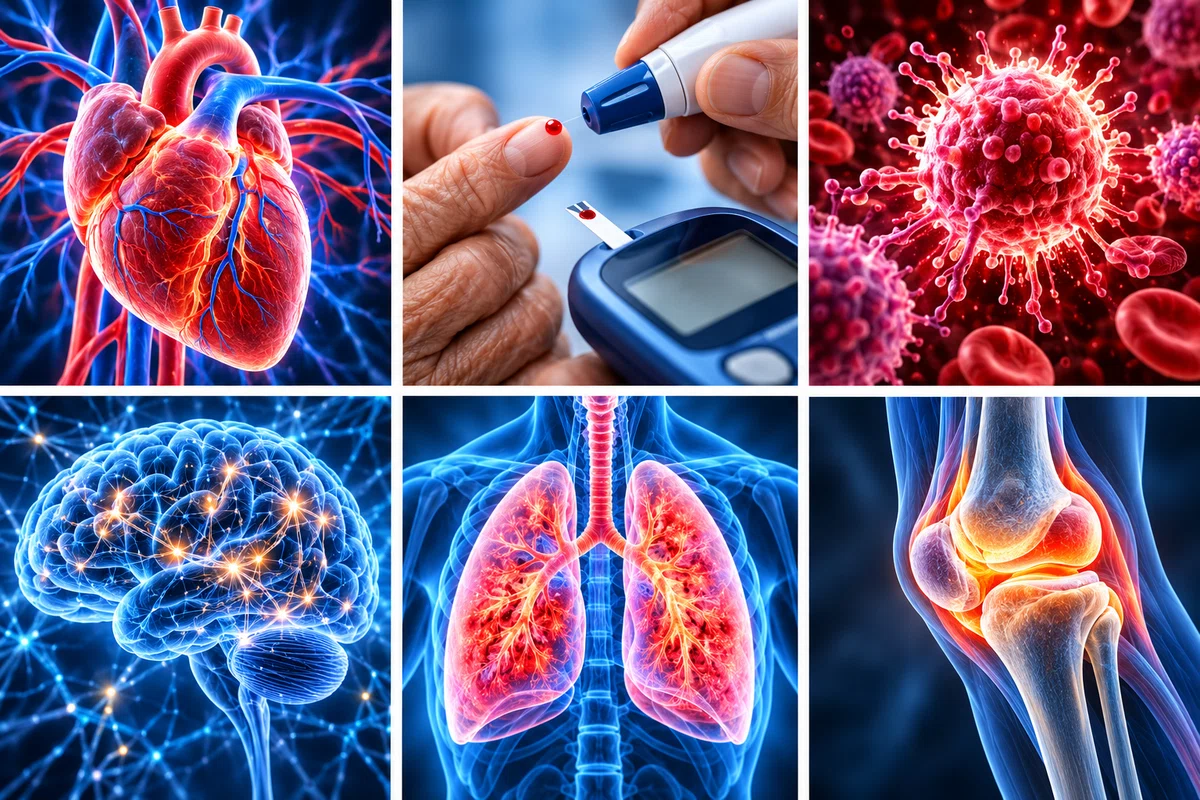
Cardiovascular disease
Chronic inflammation contributes to atherosclerosis and vascular dysfunction
Leading cause of death globally
Type 2 diabetes
Associated with chronic inflammation, insulin resistance and immune dysregulation
Risk increases with age
Cancer
Aging and inflammaging promote a tumor-supportive environment
Immune surveillance becomes less effective
Cancer incidence increases with age
Neurodegenerative diseases (e.g., Alzheimer’s)
Chronic inflammation and immune activation contribute to neurodegeneration
Risk increases markedly with age
Chronic lung diseases (e.g., COPD)
Persistent inflammation leads to tissue damage and reduced lung function
Risk increases with age and environmental exposure
Osteoarthritis
Low-grade inflammation contributes to cartilage degradation and joint pain
Prevalence increases with age
Multiple Factors Contribute to Chronic Disease Risk
A combination of biological, environmental and lifestyle factors.
Genetics and family history
Aging immune system
Chronic inflammation (inflammaging)
Metabolic factors (obesity, diabetes)
Environmental exposures (smoking, pollution)
Lifestyle choices (diet, exercise, sleep)
Multimorbidity in Older Adults
Several chronic diseases often occur together.
Many older adults live with more than one chronic condition.
Conditions can interact and worsen each other.
Multimorbidity increases the risk of disability, hospitalization and mortality.
Ways to Reduce Risk and Support Healthy Aging
Evidence-based strategies can help prevent or delay chronic diseases.
Physical activity
Reduces inflammation and improves immune, cardiovascular and metabolic function
Healthy diet
Mediterranean-style diets are associated with lower inflammation and chronic-disease risk
Quality sleep
Supports immune regulation and metabolic health
Regular medical care
Early detection and management reduce complications and improve quality of life
Can Inflammaging Be Targeted?
A rapidly evolving area of research.
Established approaches
Healthy diet, exercise and weight management can reduce inflammatory burden
Emerging strategies
Senolytics, targeting inflammation and immune pathways are being investigated
Personalized approaches
Immune profiling and biomarker research may identify risks and guide interventions in the future
Healthy Tomorrows Are Within Reach.
While we cannot eliminate aging, many risk factors for chronic diseases are modifiable. By understanding the role of inflammation and immune changes, we can take steps today to stay healthier, more independent and enjoy the years ahead.
 Subscribe