Influenza virus

Seasonal flu
A respiratory infection that can cause fever, cough and body aches.
Vaccine available
Seasonal flu ↗ Subscribe
Viruses, bacteria, fungi and parasites are everywhere—in the air we breathe, the food we eat, the water we drink and the people and animals around us. Most microbes are harmless or beneficial, but some cause infections. Understanding major pathogens helps us make informed choices about prevention and health.
Explore the pathogens →Viruses replicate inside host cells and cause illnesses ranging from mild infections to severe disease.
A respiratory infection that can cause fever, cough and body aches.
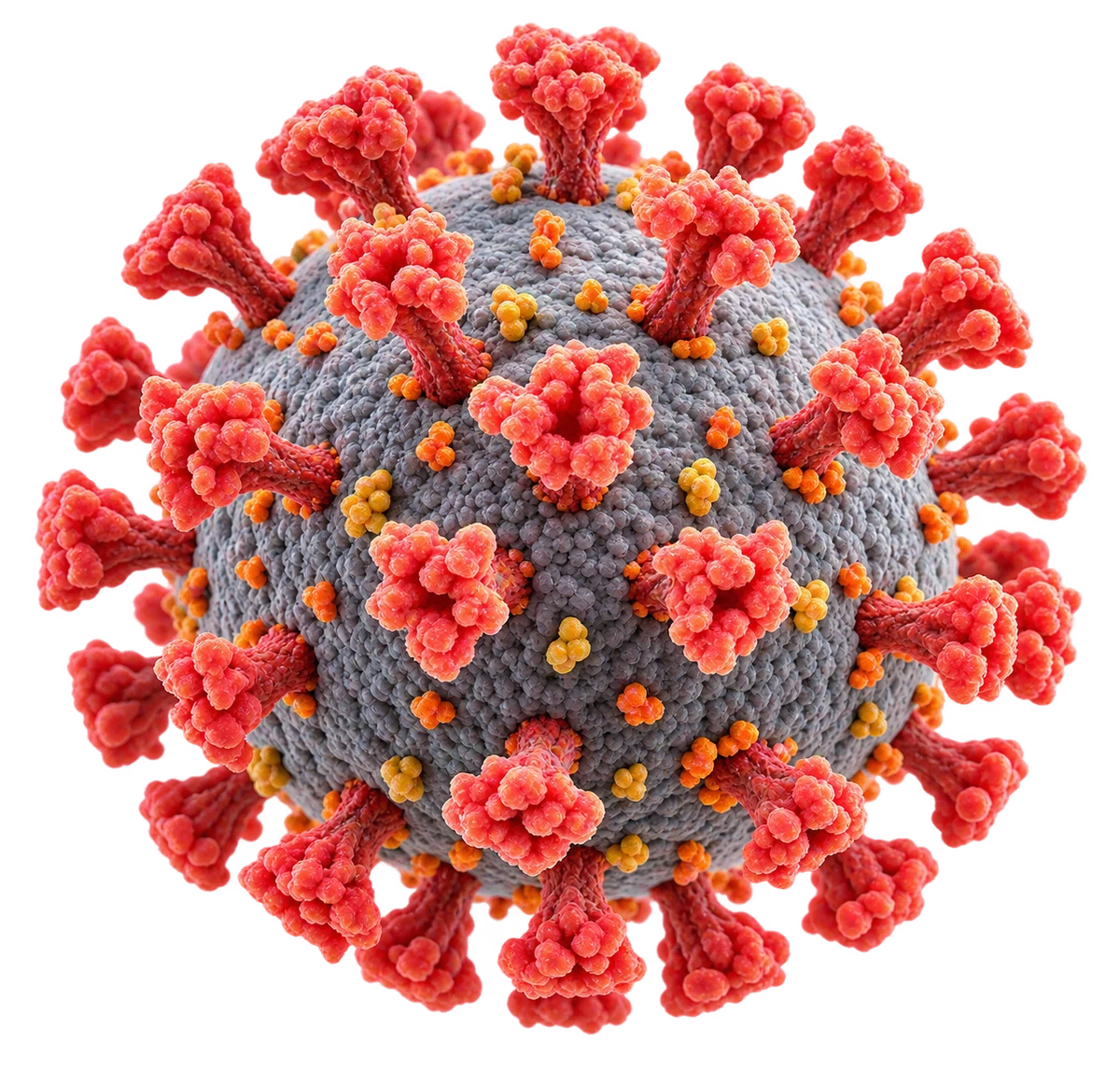
A respiratory infection with variable severity, including persistent symptoms in some people.
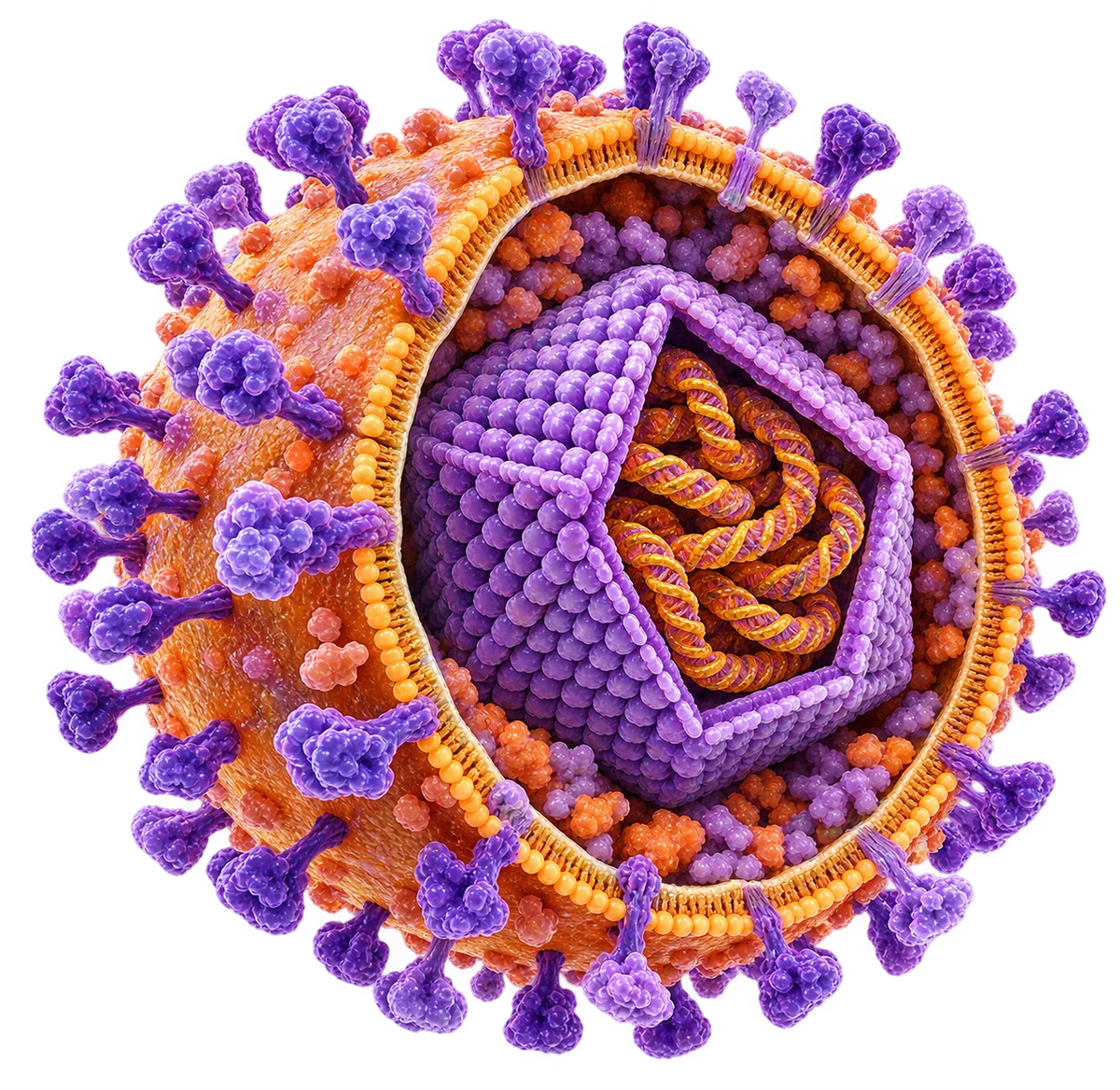
Causes chickenpox; later reactivation can cause shingles.
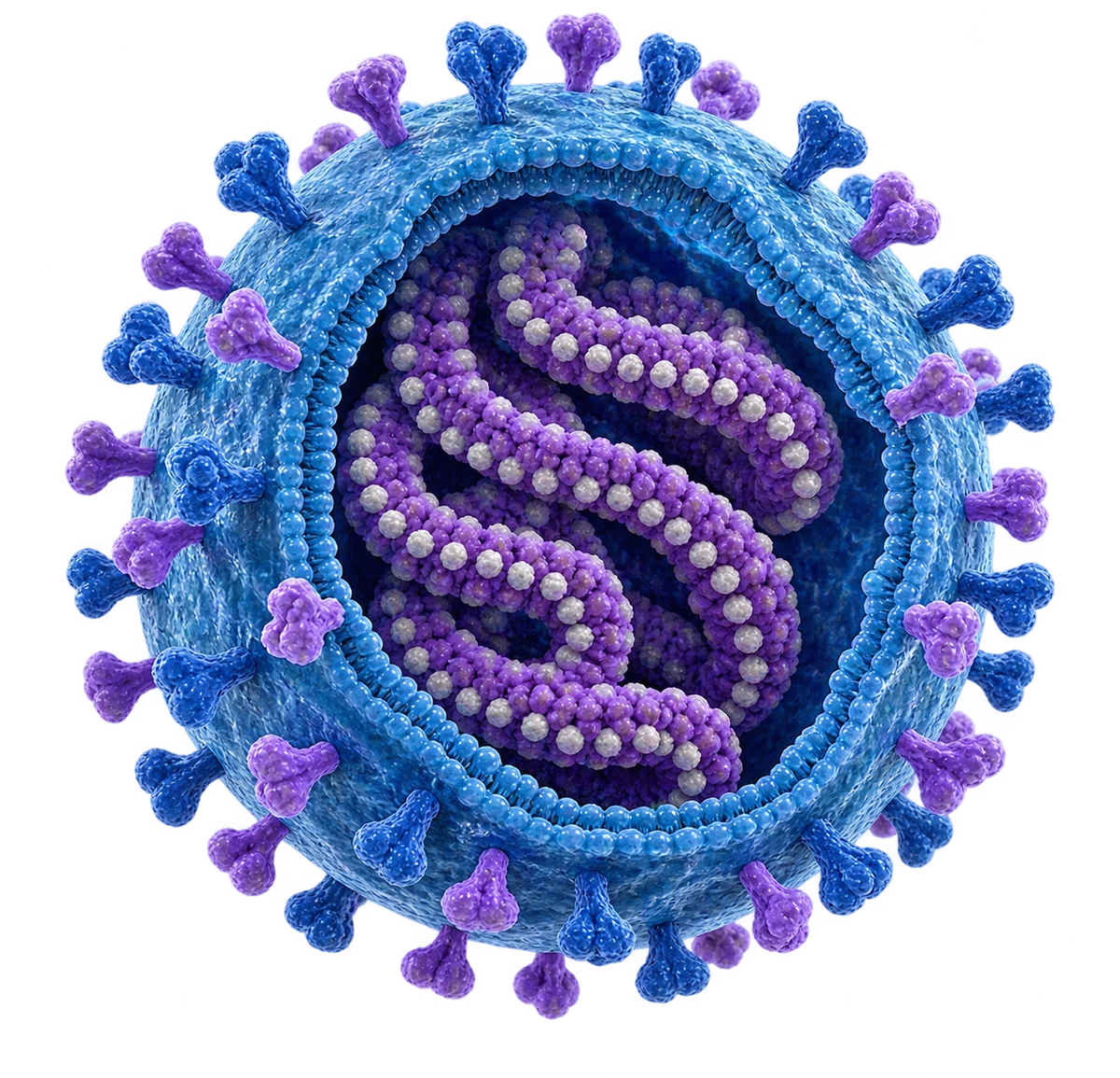
A highly contagious infection that can cause serious complications.
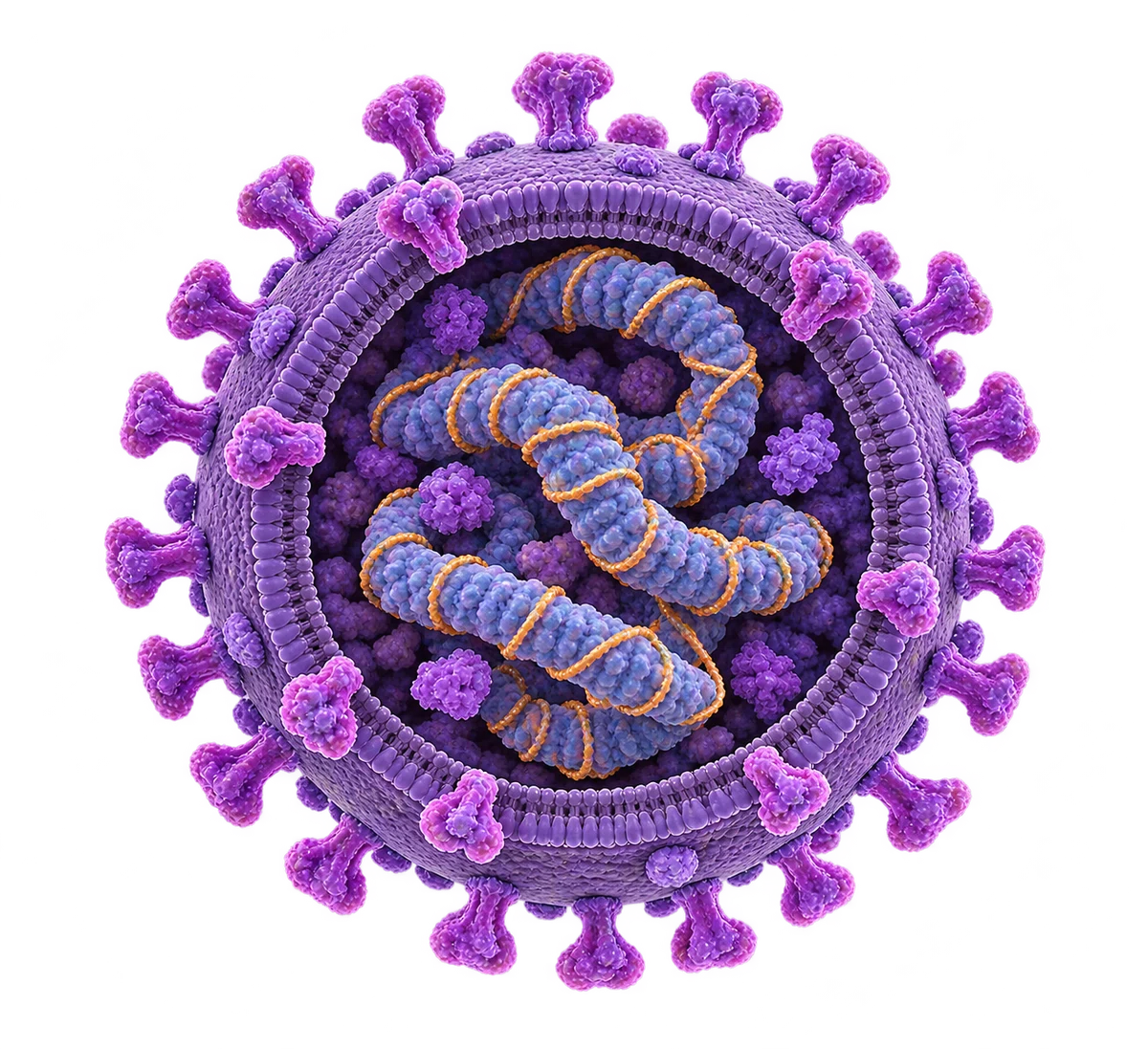
Often causes painful swelling of the salivary glands.
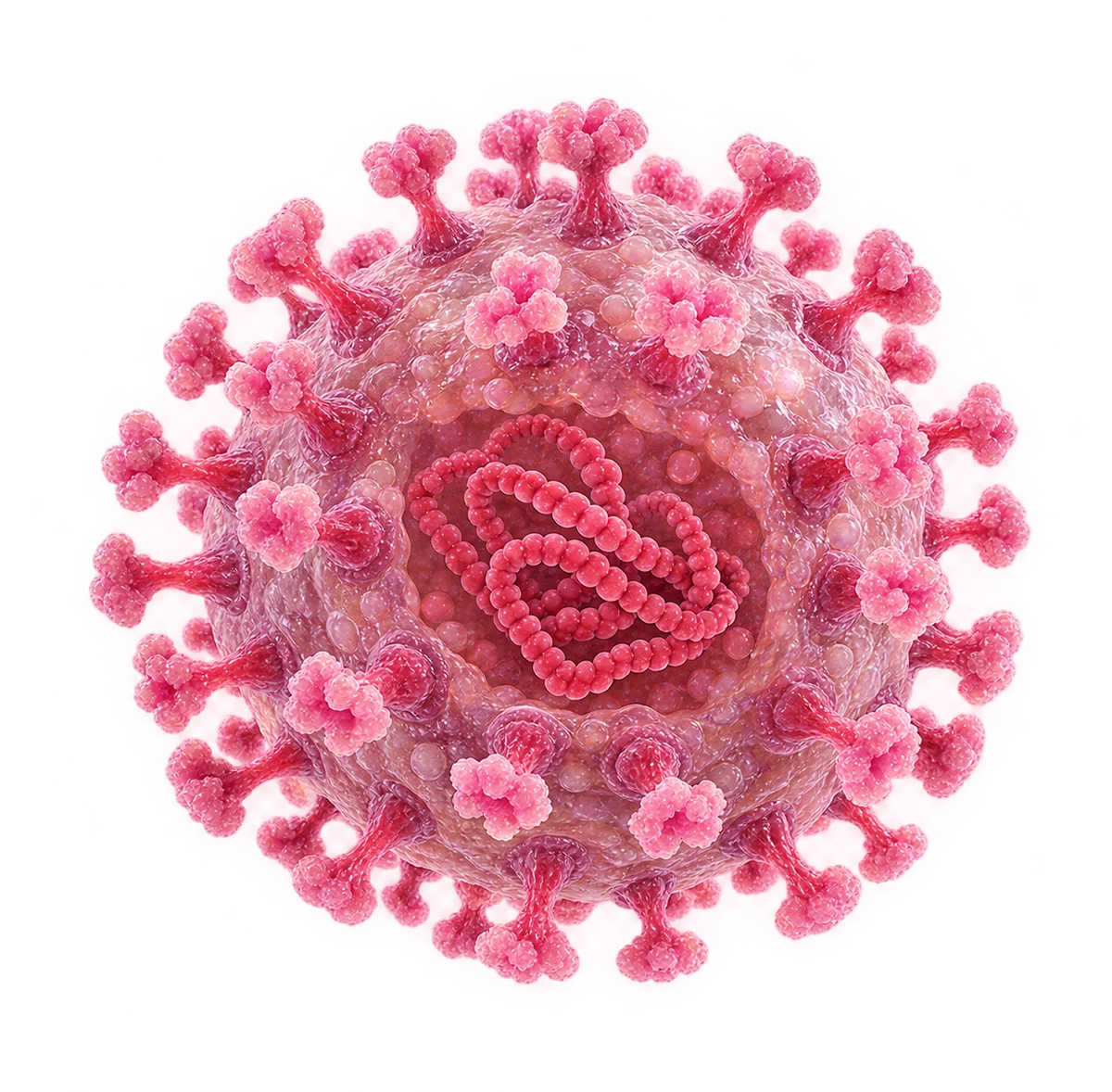
Usually mild, but infection during pregnancy can harm the developing baby.

Can cause chronic liver infection, cirrhosis and liver cancer.
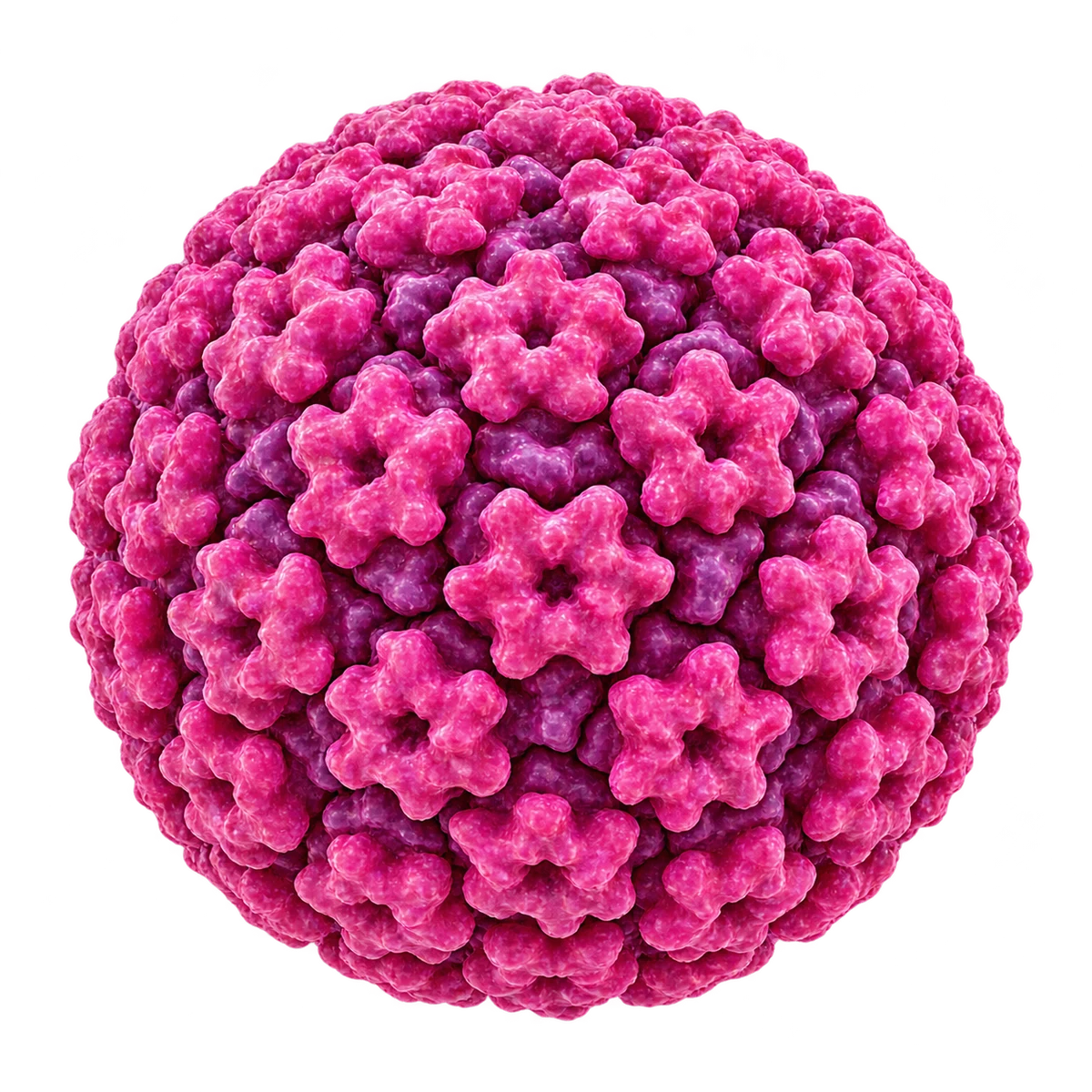
Some types cause warts; persistent infection with certain types can lead to cancer.
Bacteria are living microorganisms. Many are beneficial; some cause infections ranging from mild to life-threatening.

Can also cause skin infections and, less commonly, invasive disease.
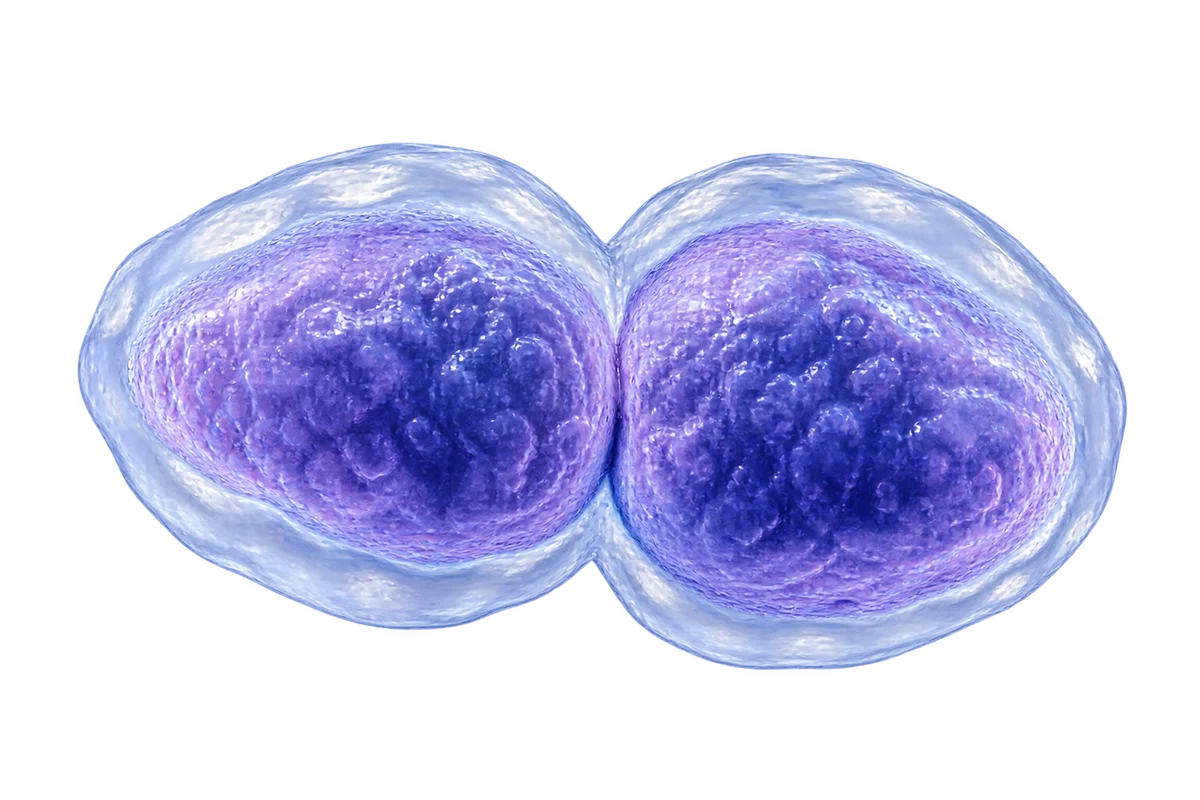
Can cause pneumonia, meningitis and bloodstream infection.
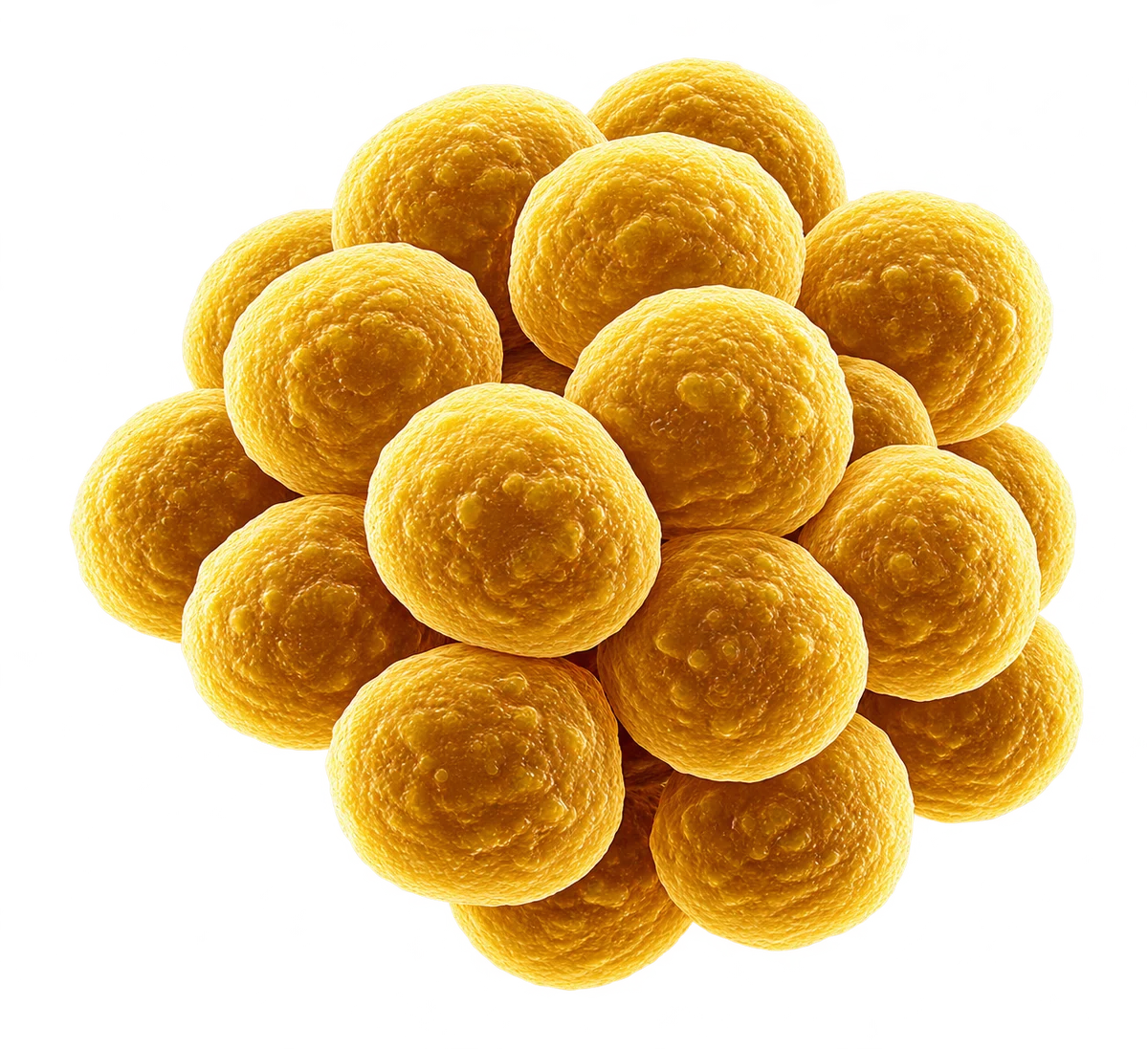
Can cause skin and invasive infections; some strains are antibiotic-resistant.
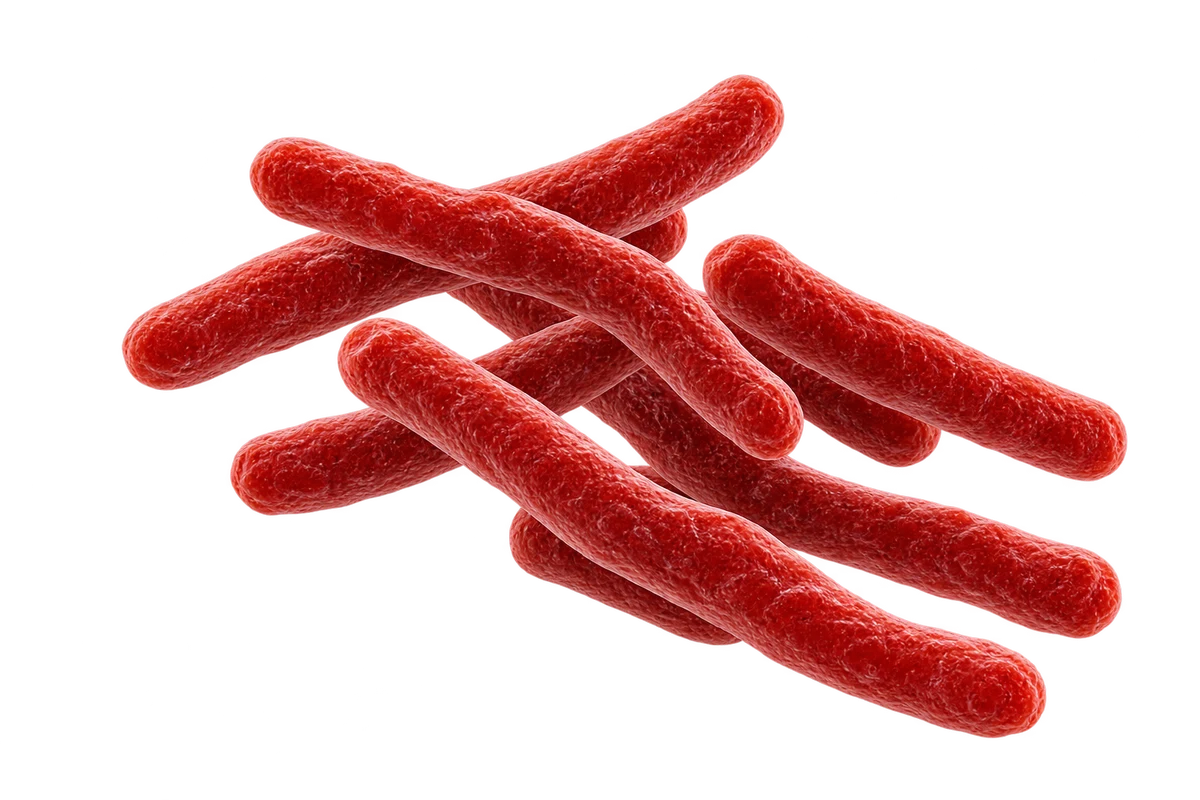
Usually affects the lungs, but can involve other organs.
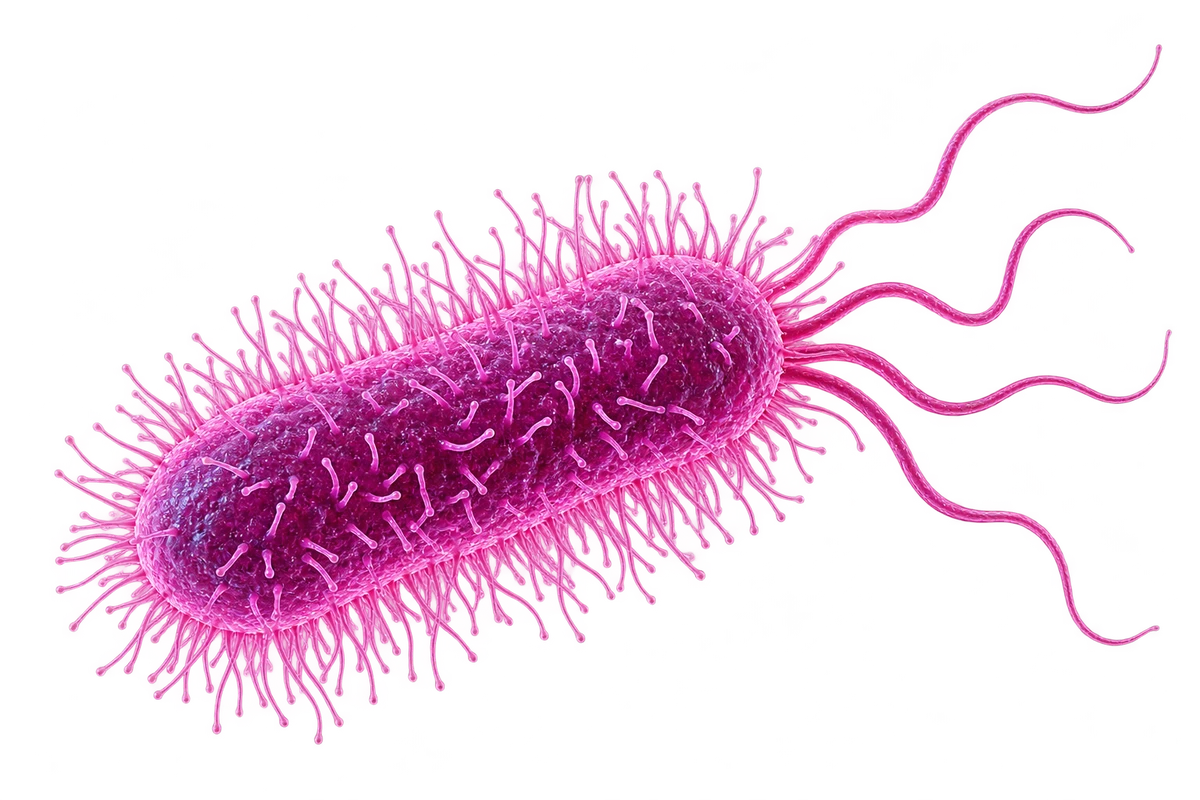
Many strains are harmless; others cause intestinal or urinary infections.

Different types cause gastroenteritis or typhoid fever.
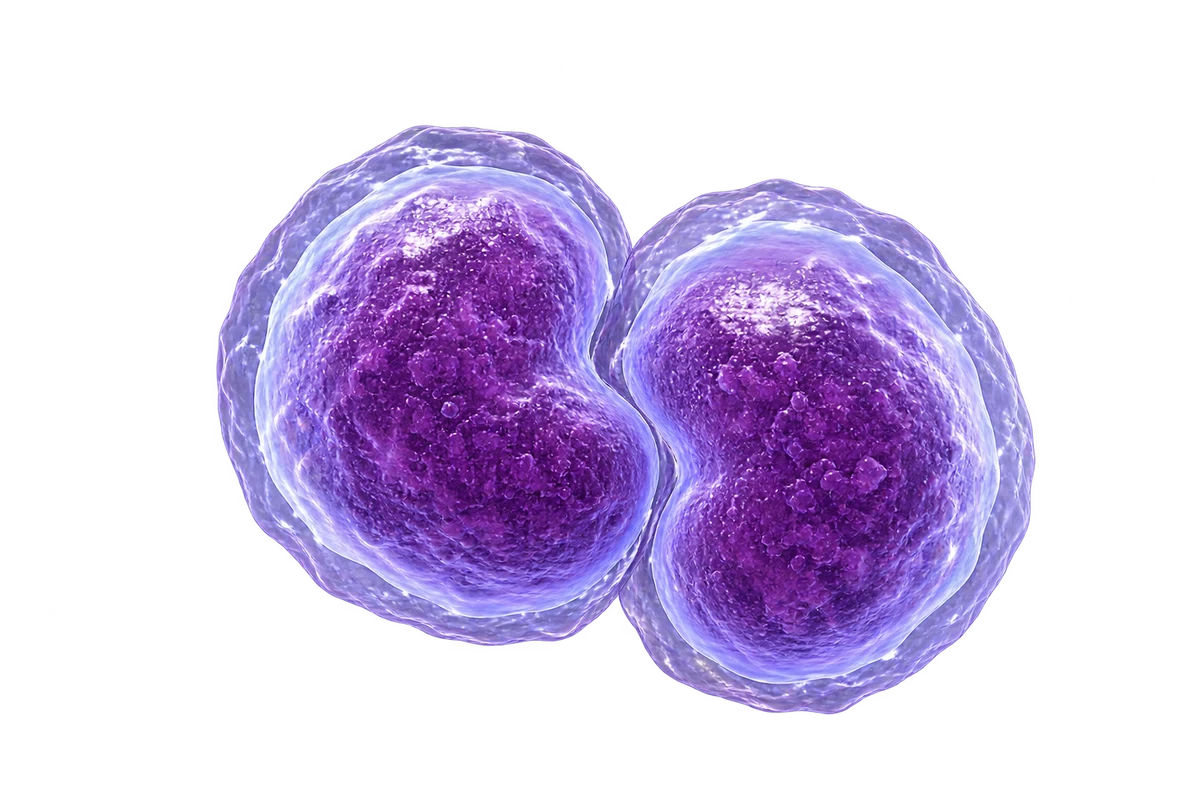
Can cause meningitis and rapidly progressing bloodstream infection.

Chronic stomach infection can contribute to ulcers and stomach cancer.
Fungi are eukaryotic organisms. Yeasts and molds can cause local or invasive infections.
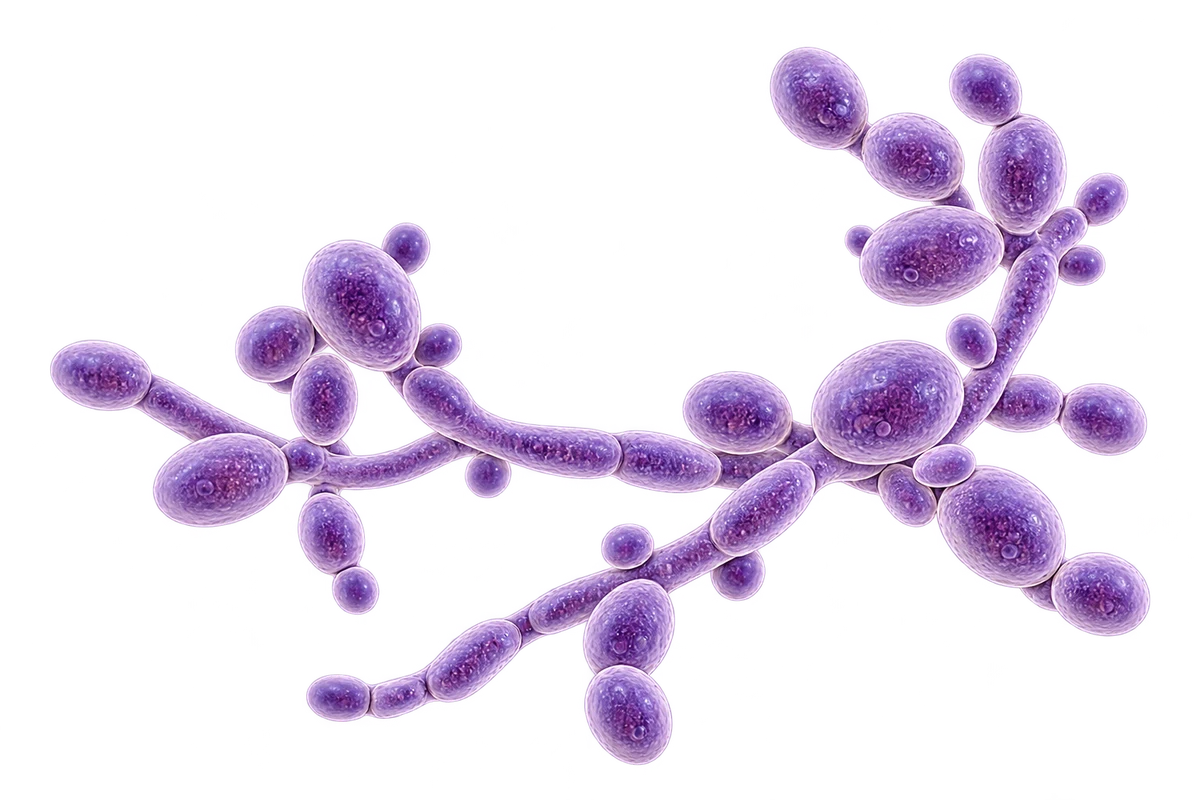
Can cause thrush and other mucosal infections, or invasive disease in vulnerable people.

Inhaled spores can cause allergic, chronic or invasive lung disease.
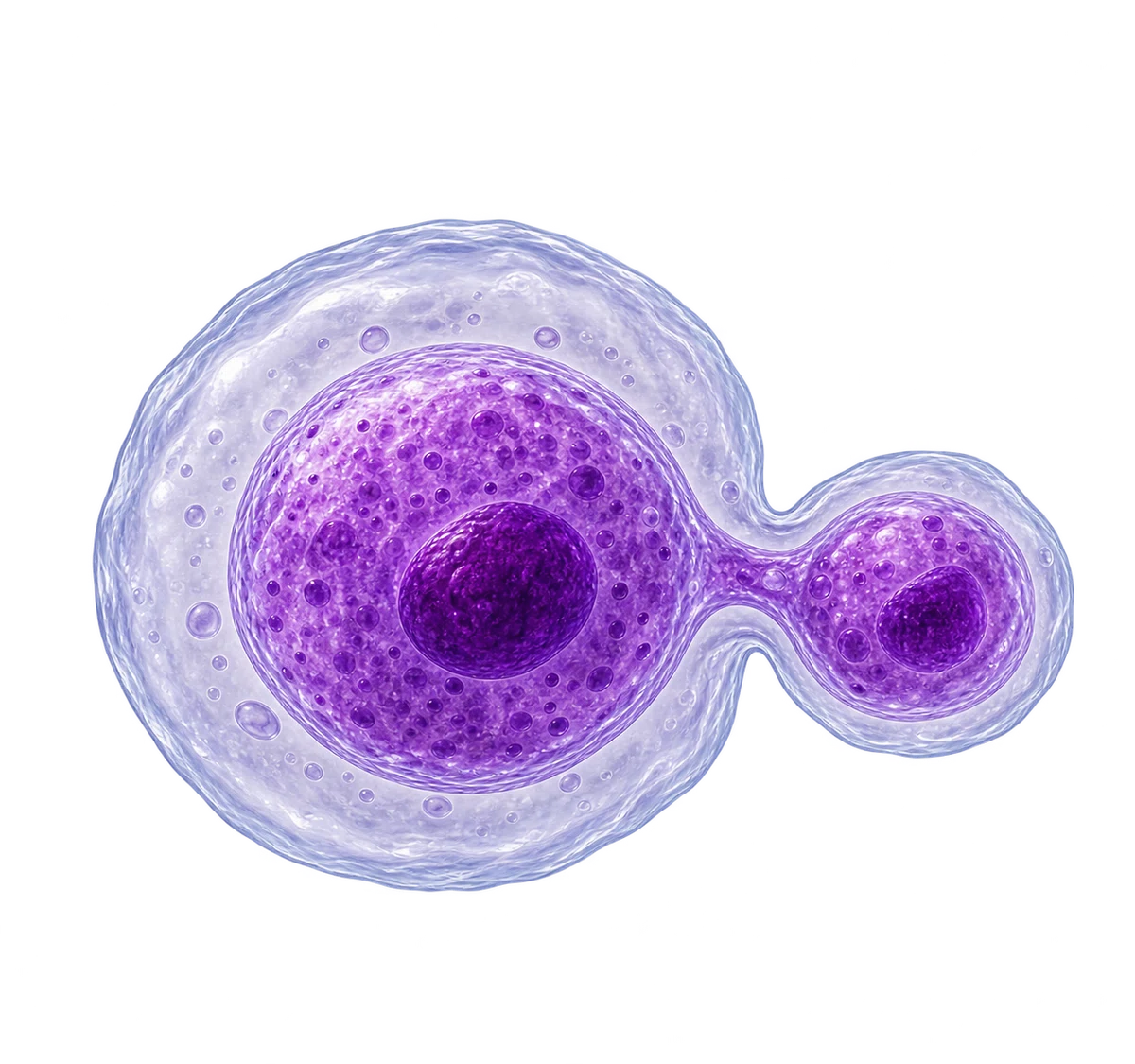
Can cause lung infection and meningitis, particularly with impaired immunity.
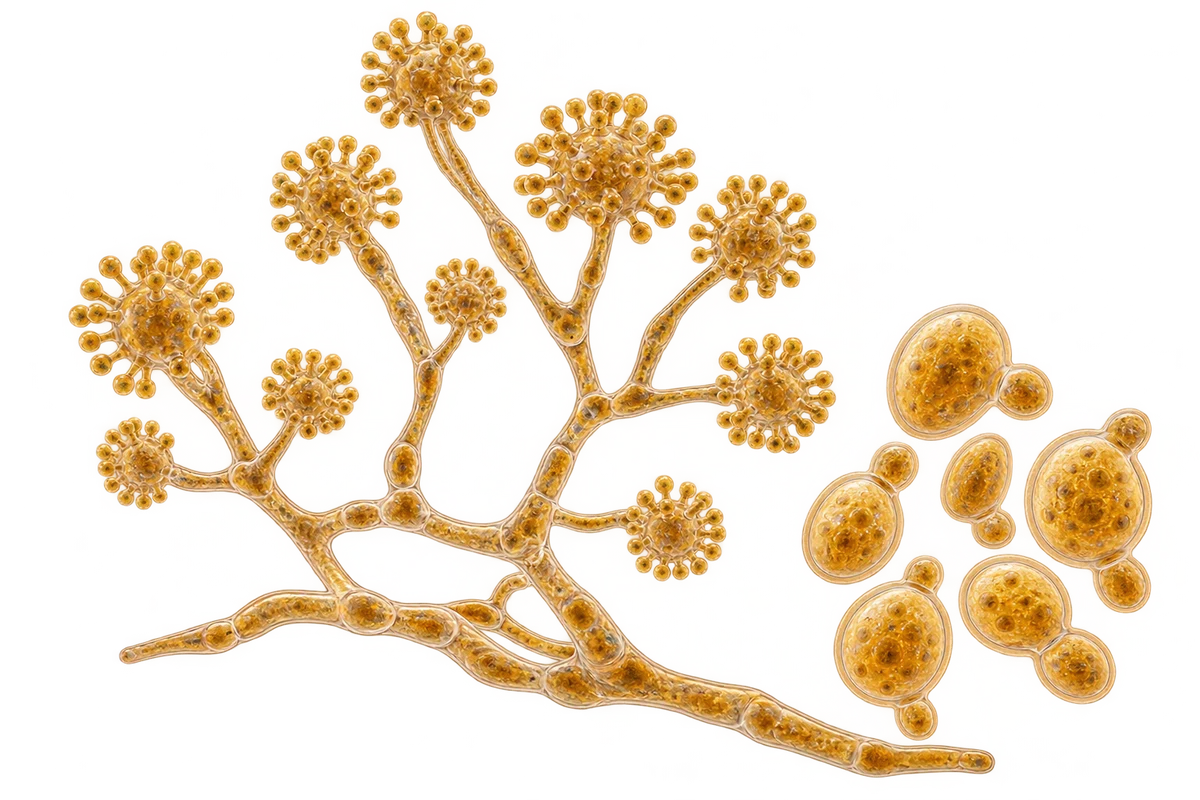
Inhaled environmental spores can cause lung infection and sometimes disseminated disease.
Protozoa and helminths live in or on a host and can cause persistent infections, especially in particular regions.
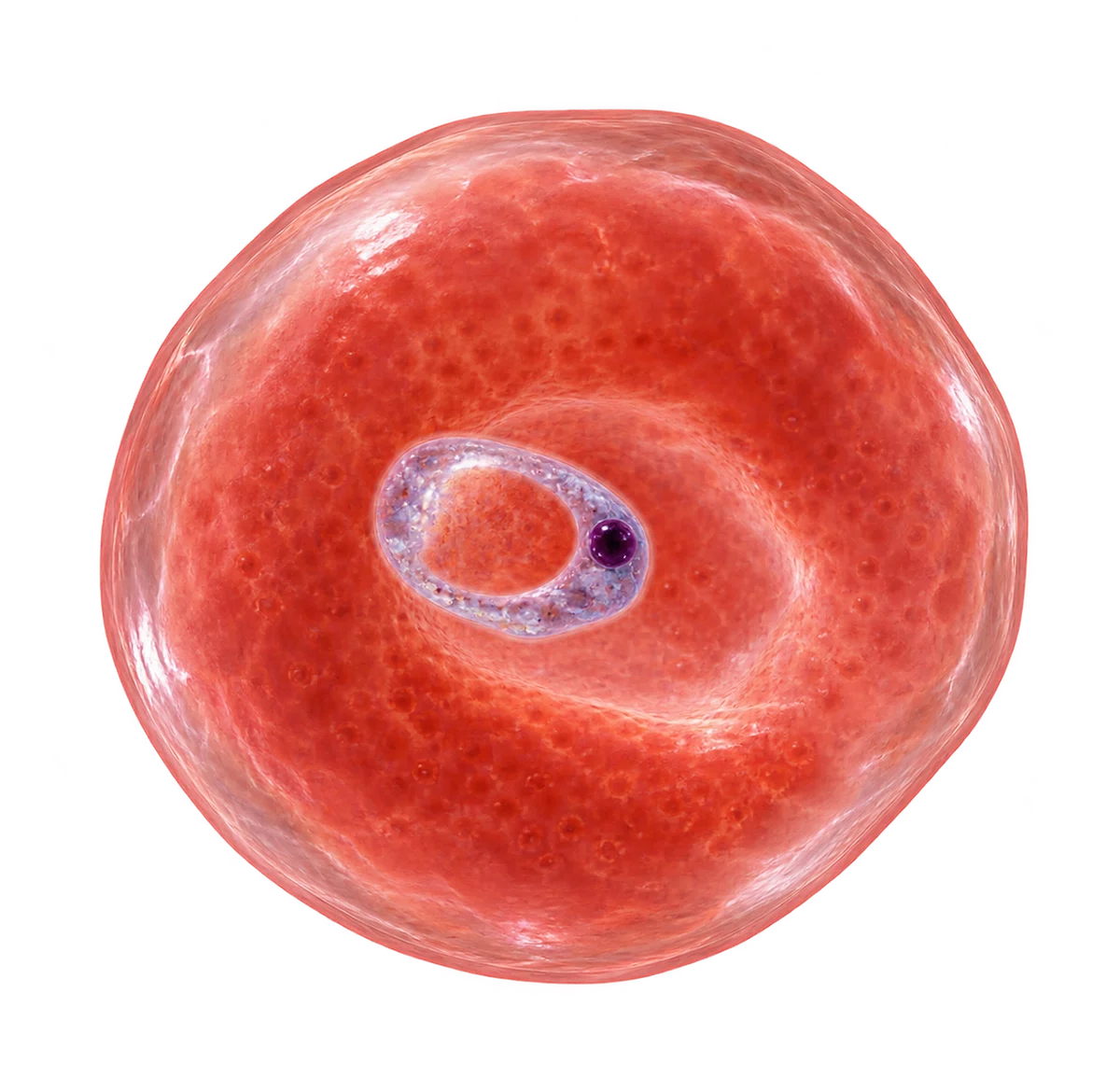
Mosquito-transmitted parasites infect liver cells and red blood cells.

Can cause serious disease during congenital infection or impaired immunity.

An intestinal parasite acquired through ingestion of cysts in contaminated water or food.
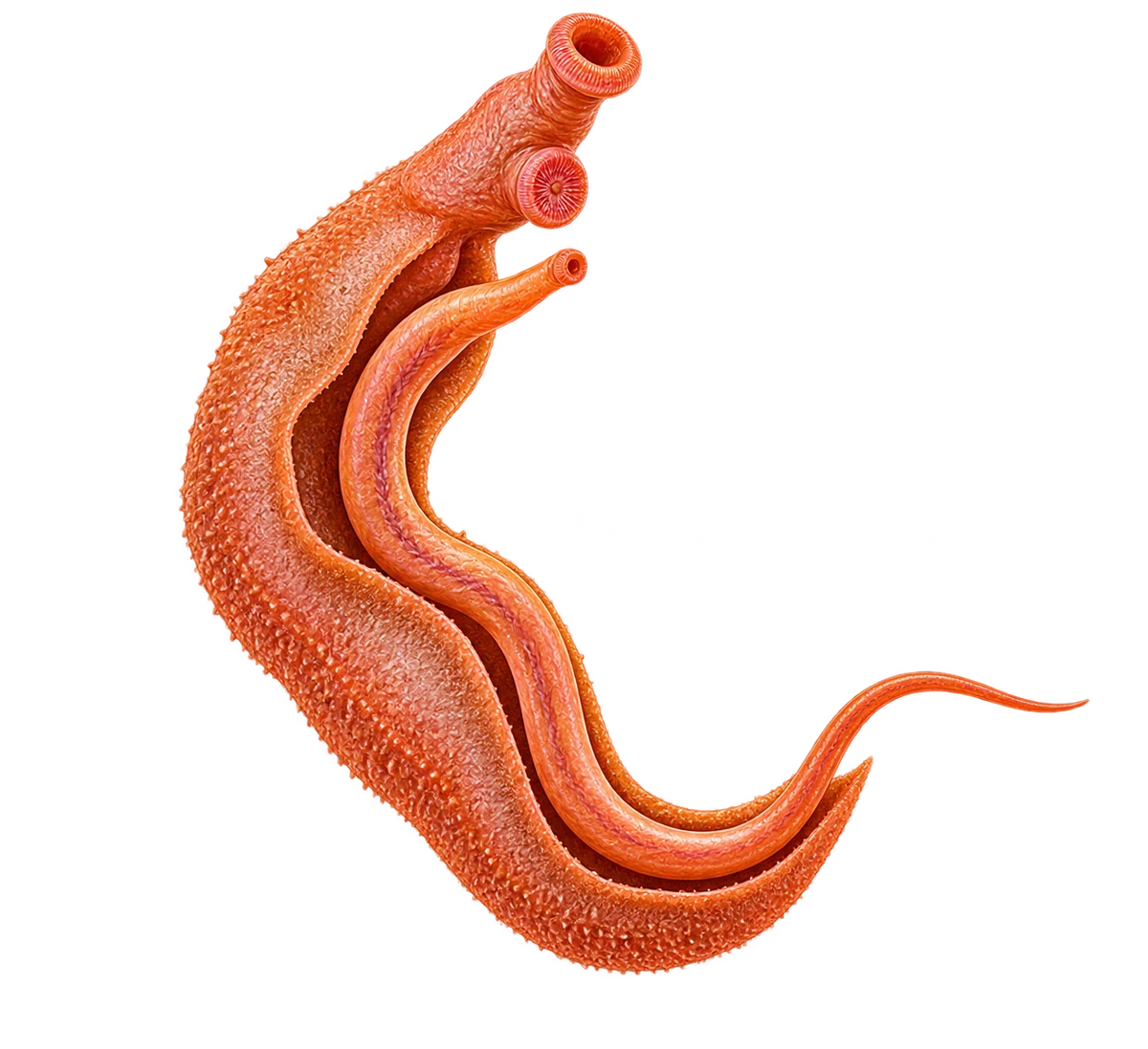
Larvae in contaminated freshwater penetrate skin; adult worms live in blood vessels.
Learn, stay informed and take steps to protect yourself and your community from infectious diseases.
Explore prevention →*RTS,S and R21 vaccines help prevent P. falciparum malaria in children in endemic settings. Vaccine availability and eligibility vary by country, age and risk. These labels describe prevention options, not individual vaccine recommendations. Illustrations are scientific schematics; colors and relative sizes are not literal.
Artwork illustrates the main mechanisms schematically; molecular sizes, colors and distances are not literal.