Skip to content

IMMUNE CELLS

Memory
T & B Cells

Remember. Respond Faster. Protect Longer.

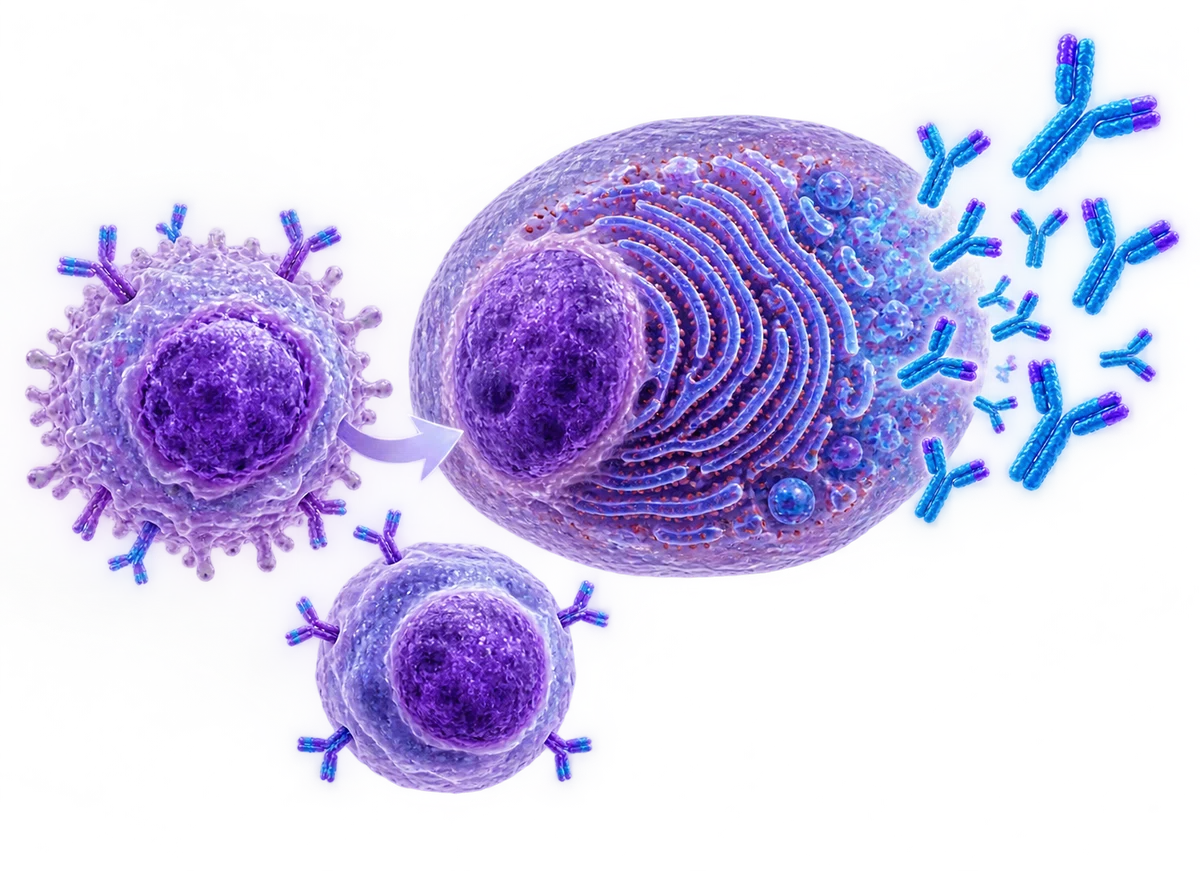
Memory T and B cells are long-lived immune cells that retain experience of previous infections or vaccinations. When a matching antigen returns, they can respond more rapidly and effectively, helping prevent severe disease and support lasting protection. [1]

Back to all immune cells →
Memory T cell
(T cell)
Memory B cell
(B cell)
Previously encountered pathogen
(re-exposure)

Memory T Cells at a Glance

Antigen-experienced T cells support rapid, coordinated cellular responses.

Memory T Cells

Memory T lymphocyteType of cells

T lymphocytes (CD4+ and CD8+)

T cell tissue locationsWhere they are

Blood, lymph nodes, spleen and tissues such as skin, lungs and gut

Memory T cell immune functionsMain role

Coordinate responses or directly eliminate infected cells

Long-lived memory T cellsLongevity

Months to years, depending on subset and location

Memory B Cells at a Glance

Antigen-experienced B cells can rapidly generate antibody-secreting cells.

Memory B Cells

Memory B lymphocyteType of cells

B lymphocytes

B cell tissue locationsWhere they are

Blood, spleen, lymph nodes and some peripheral tissues

Rapid antibody-producing recall responseMain role

Rapidly generate antibody-secreting cells after reactivation

Long-lived memory B cellsLongevity

Months to years, depending on population and antigen

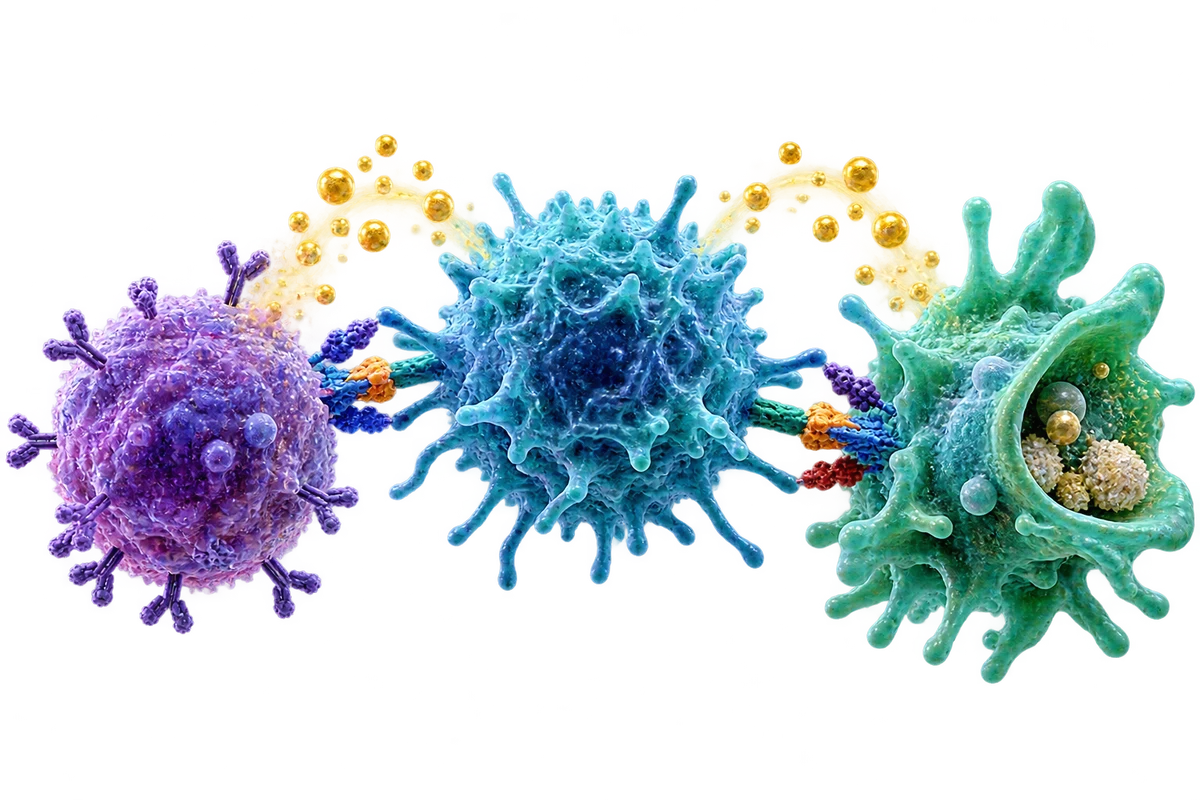
How Immune Memory Forms

A coordinated process follows an infection or vaccination. [1]

1First exposure

Naïve T and B cells recognize specific antigens from a microbe or vaccine.

Antigen-presenting cell · naïve T and B cells

2Activation and clonal expansion

Antigen recognition and supporting signals activate and expand antigen-specific lymphocytes.

Clonal expansion · many antigen-specific cells

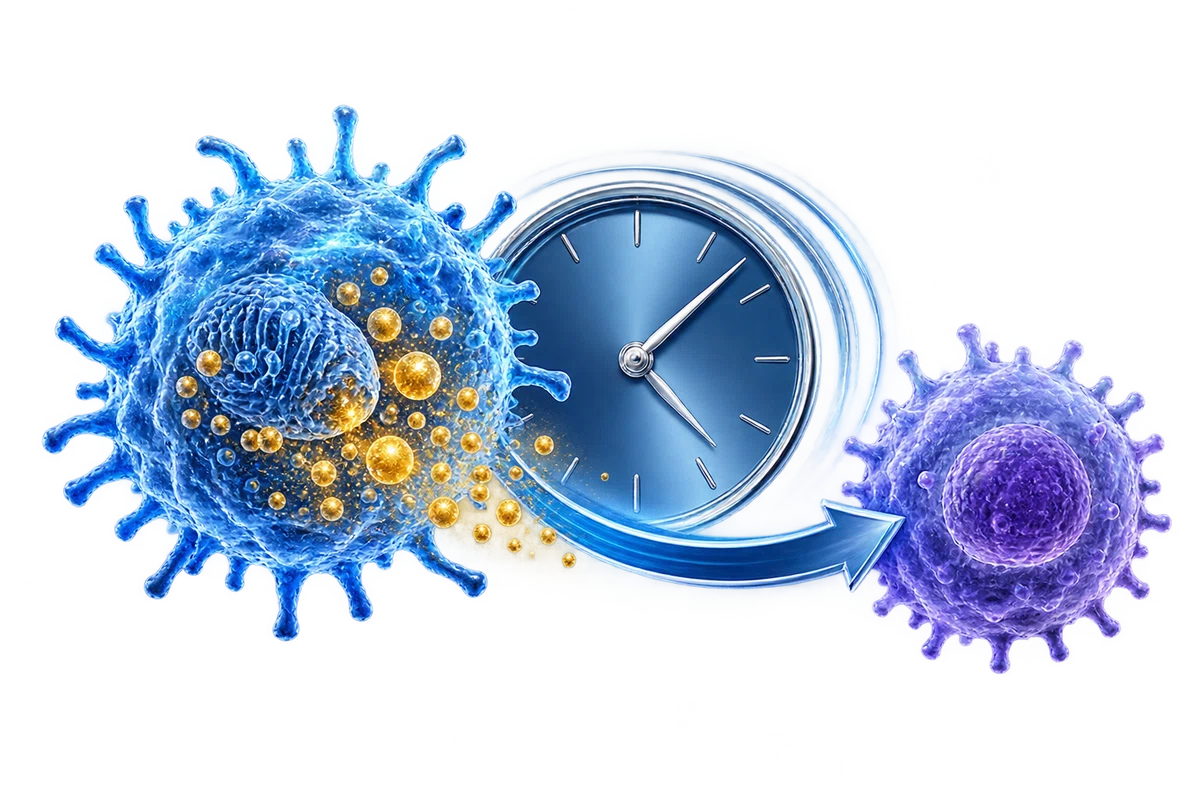
3Contraction and memory formation

After the response, many effector cells die. Some cells persist as memory populations.

Effector contraction · memory cells persist

4Faster and stronger response

Re-encounter with a matching antigen can produce a faster recall response.

Rapid expansion · effector functions

Memory T Cells

Rapid recall and coordinated protection. [2]

CD4+ Memory T Cells
(Helper)

  • Recognize peptides presented on MHC class II.
  • Produce cytokines that guide other immune cells.
  • Support B cells and macrophage responses.

CD8+ Memory T Cells
(Cytotoxic)

  • Recognize peptides presented on MHC class I.
  • Rapidly regain cytotoxic functions after reactivation.
  • Contribute to surveillance of infected or abnormal cells.

Memory T-Cell Subsets

Central Memory (Tcm)Recirculate through lymphoid organs and have strong proliferative capacity.

Effector Memory (Tem)Circulate through blood and tissues and provide rapid effector responses.

Tissue-Resident Memory (Trm)Remain in tissues such as skin, lungs and gut, supporting local protection.

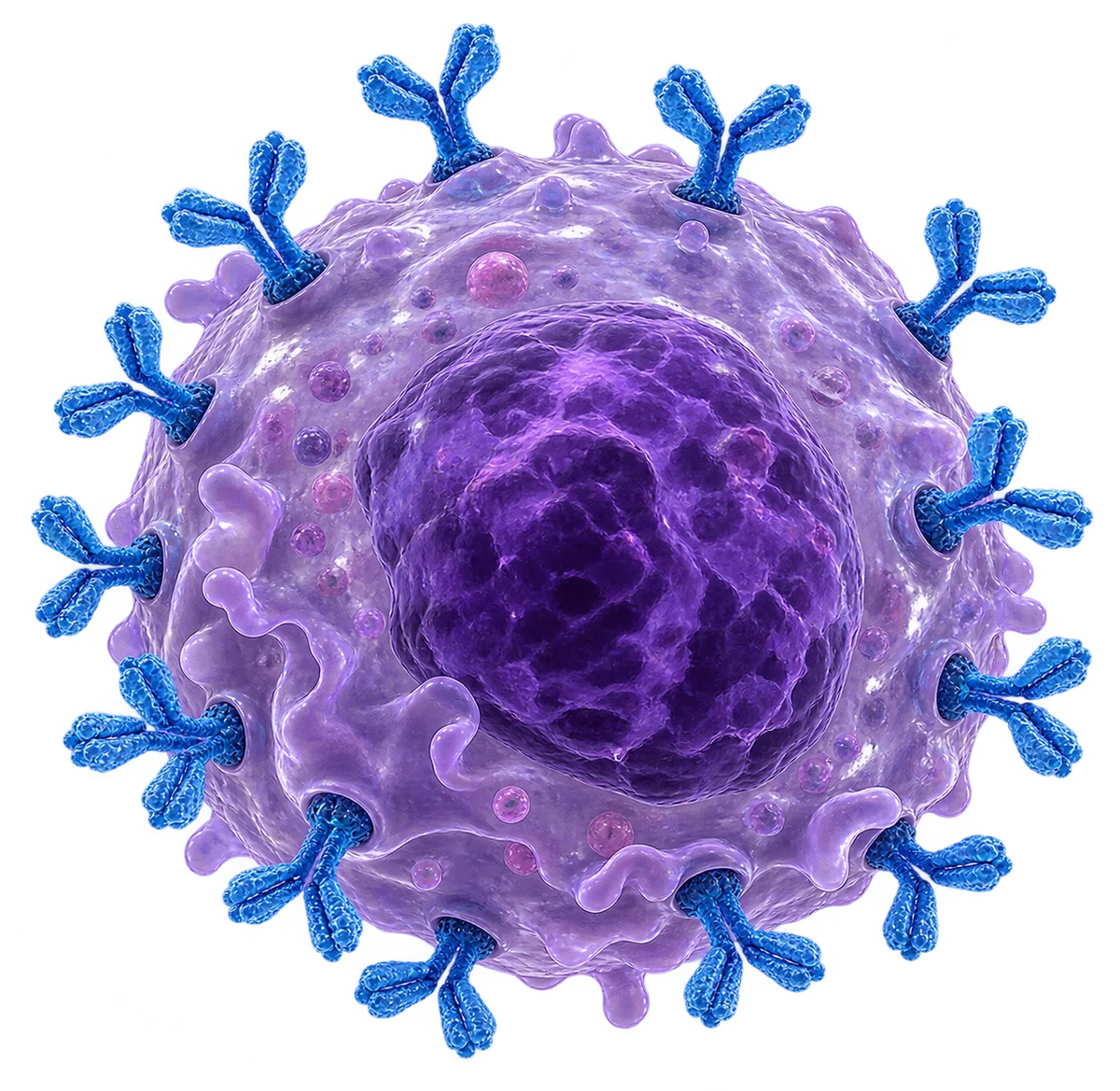
Memory B Cells

Rapid antibody responses and long-term protection. [3]

Memory B Cells

  • Recognize specific antigens through their B-cell receptor.
  • Many arise after selection in germinal centers; memory populations are diverse.
  • Can generate antibody-secreting cells on re-exposure.
  • Retain antigen experience rather than continuously secreting large amounts of antibody.

Long-Lived Plasma Cells

Continuous antibody production.

  • Differentiate from activated B cells.
  • Reside in supportive niches, especially in bone marrow.
  • Maintain antibodies for long periods.
  • Are distinct from memory B cells.

What Happens the Second Time?

Matching antigen can trigger a faster recall response. [1]

First Exposure
(Primary Response)

  • A slower response while naïve cells activate.
  • Antigen-specific cells expand.
  • Some develop into memory cells.

Re-Exposure
(Secondary Response)

  • Memory cells reactivate more rapidly.
  • Effector cells and antibodies respond.
  • Protection may reduce infection or disease severity.

Memory and Vaccination

Vaccines safely expose the immune system to antigens, helping establish protective responses.

Vaccine vial with antibodies
  • Can induce memory T and B cells.
  • Can generate long-lived plasma cells and antibodies.
  • Support protection beyond the initial response.
  • Boosters may reinforce or update responses when recommended.
Learn more about vaccination →

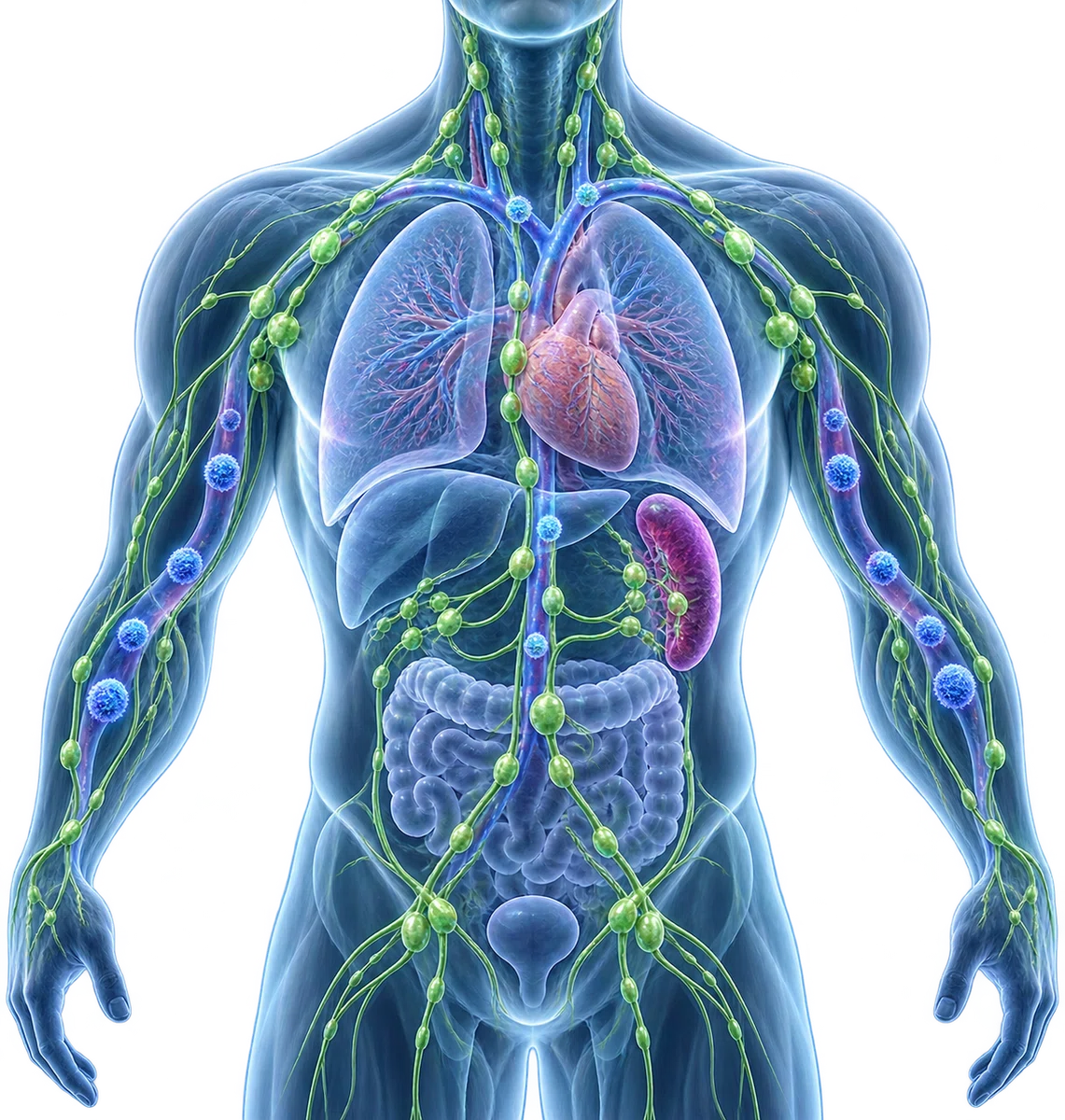
Where Memory Cells Live

Location influences the type of protection. [2]

Lymph NodesSites of activation and immune coordination.

Blood and SpleenCirculating and lymphoid memory populations.

Bone MarrowImportant survival niches for long-lived plasma cells.

TissuesResident memory cells in sites such as skin, lungs and gut.

Memory Across Life

Immune memory can persist for years, but aging can alter the diversity and function of memory populations. Existing memory may remain useful, while responses to new antigens and vaccination can become less efficient. Changes differ between individuals. [4]

Learn more about aging & immunity →

When Memory Is Imperfect

Protection is powerful, but not always complete or permanent. [5]

  • Changing pathogens can escape parts of an earlier response.
  • Immunity can wane over time, particularly some antibody responses.
  • Prior exposure can shape later responses.
  • Infection may still occur despite protection against severe disease.

Key Takeaways

  • Memory T and B cells retain antigen experience.
  • Memory T cells provide helper or cytotoxic recall functions.
  • Memory B cells can become antibody-secreting cells.
  • Long-lived plasma cells maintain existing antibodies.
  • Vaccination can establish and reinforce immune memory.
  • Protection varies with antigen, tissue and individual.

Selected sources and references

Artwork illustrates the main mechanisms schematically; molecular sizes, colors and distances are not literal.