1. Recognize antigen

T-cell receptors recognize peptides presented by antigen-presenting cells.
 Subscribe
IMMUNE CELLS
Regulatory T cells help restrain excessive immune responses and maintain tolerance to self. Most well-characterized Tregs belong to the CD4+ compartment and use contact-dependent and soluble signals to regulate other immune cells.
Back to all immune cells →Regulatory T cells, often called Tregs, are a specialized population that helps prevent harmful immune activity. FOXP3 is a central transcription factor in the best-characterized CD4+ regulatory lineage; CD25 is commonly expressed at high levels.
Tregs can arise in the thymus or develop from conventional T cells in peripheral settings. Their effects depend on antigen recognition, local signals and tissue context. Regulation supports immune balance rather than simply switching immunity off.
Antigen recognition and context guide several complementary regulatory mechanisms.
T-cell receptors recognize peptides presented by antigen-presenting cells.

CTLA-4-dependent interactions can reduce activating signals from antigen-presenting cells.
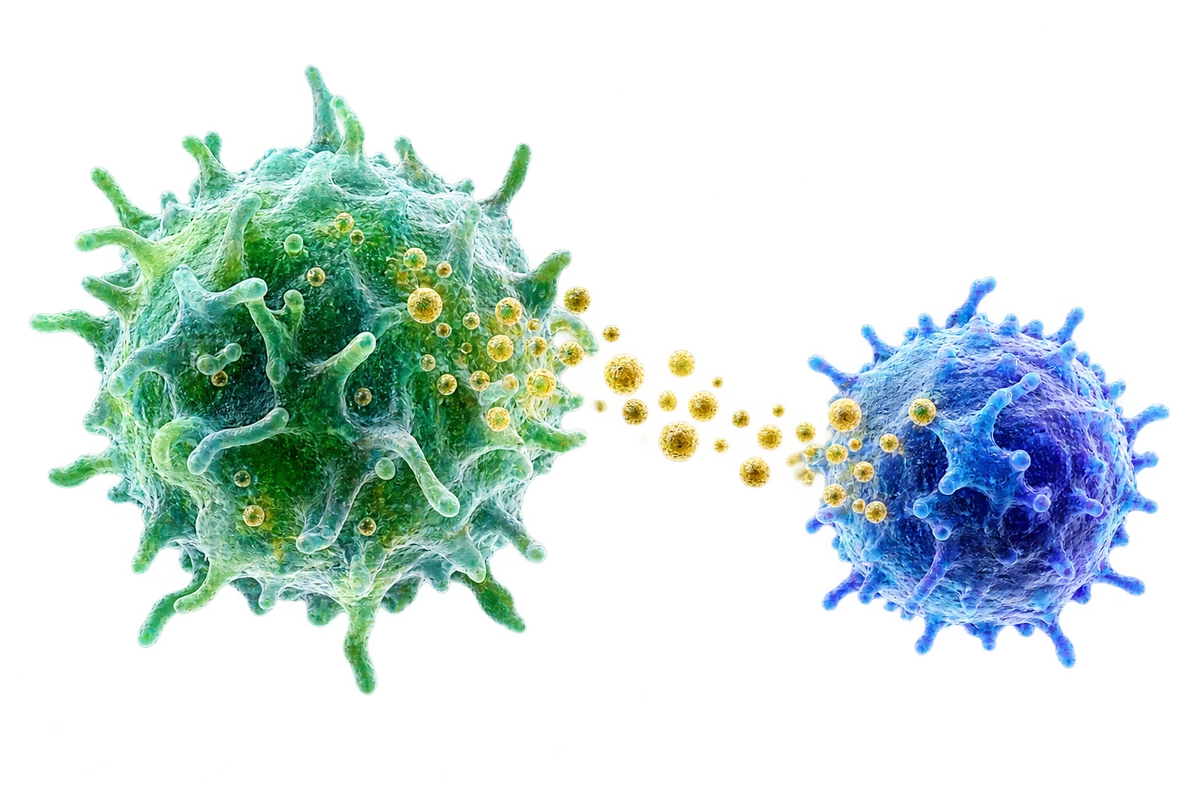
Signals such as IL-10 and TGF-β contribute to regulation in specific settings.
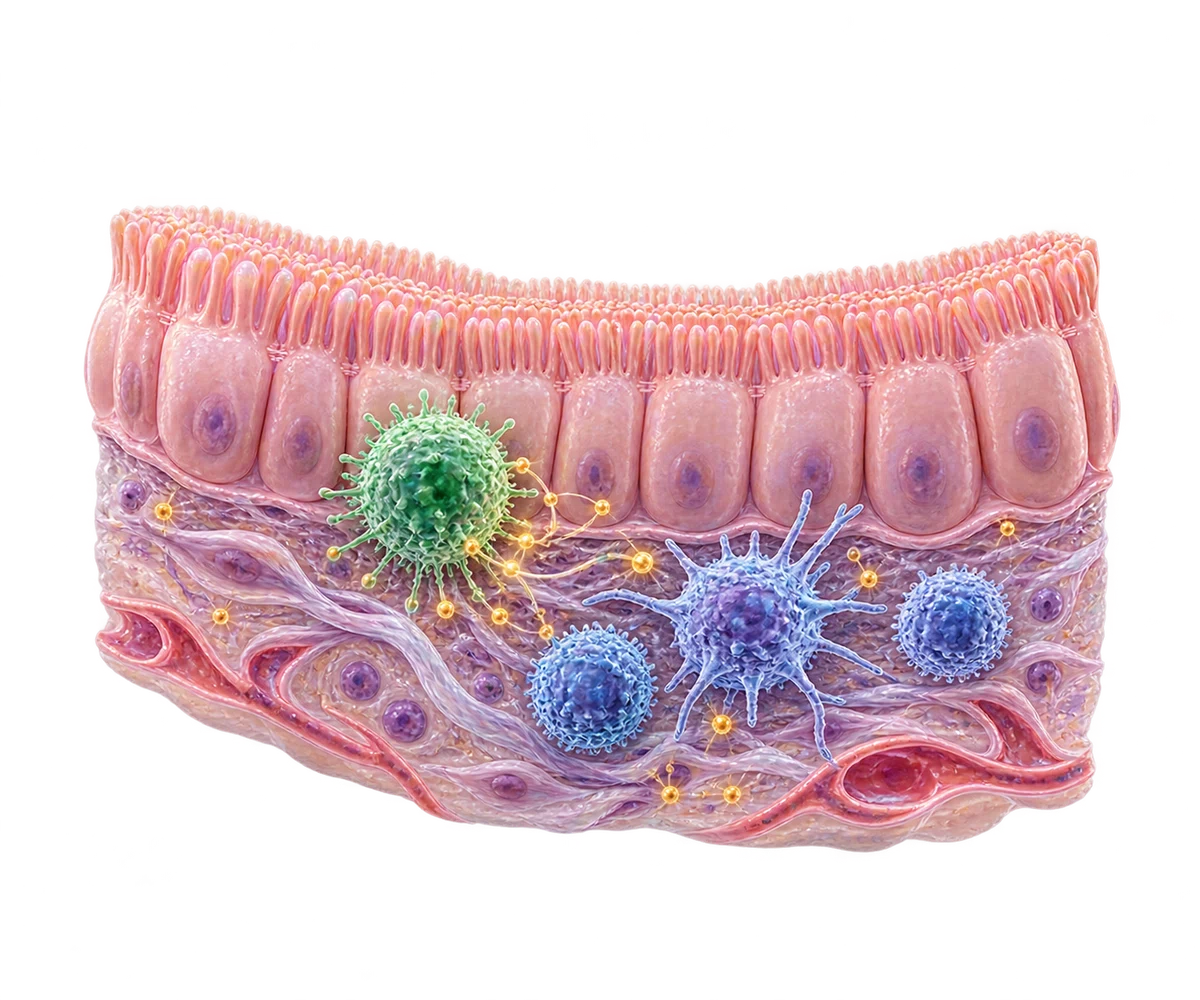
Tregs help limit excessive activity and preserve tissue tolerance.
Specialized cellular functions contribute to coordinated immunity.
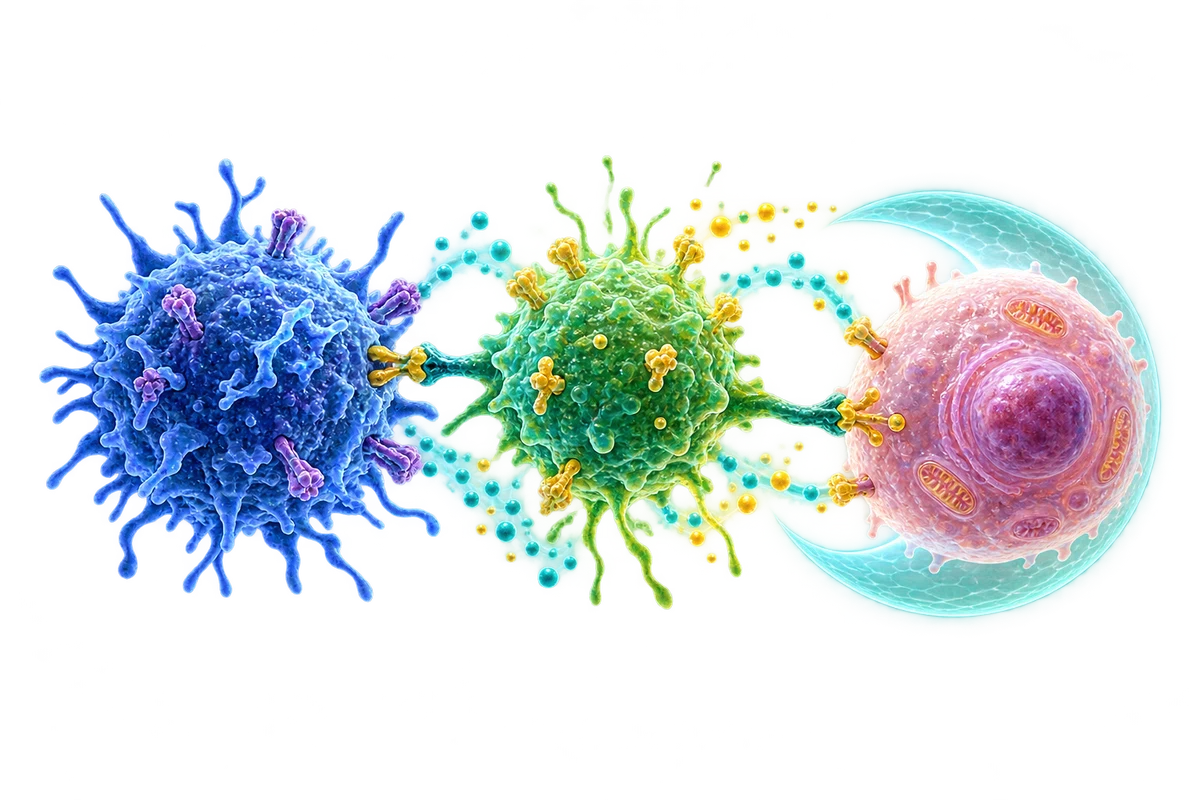
Regulation helps contain responses that could damage the body’s own tissues.
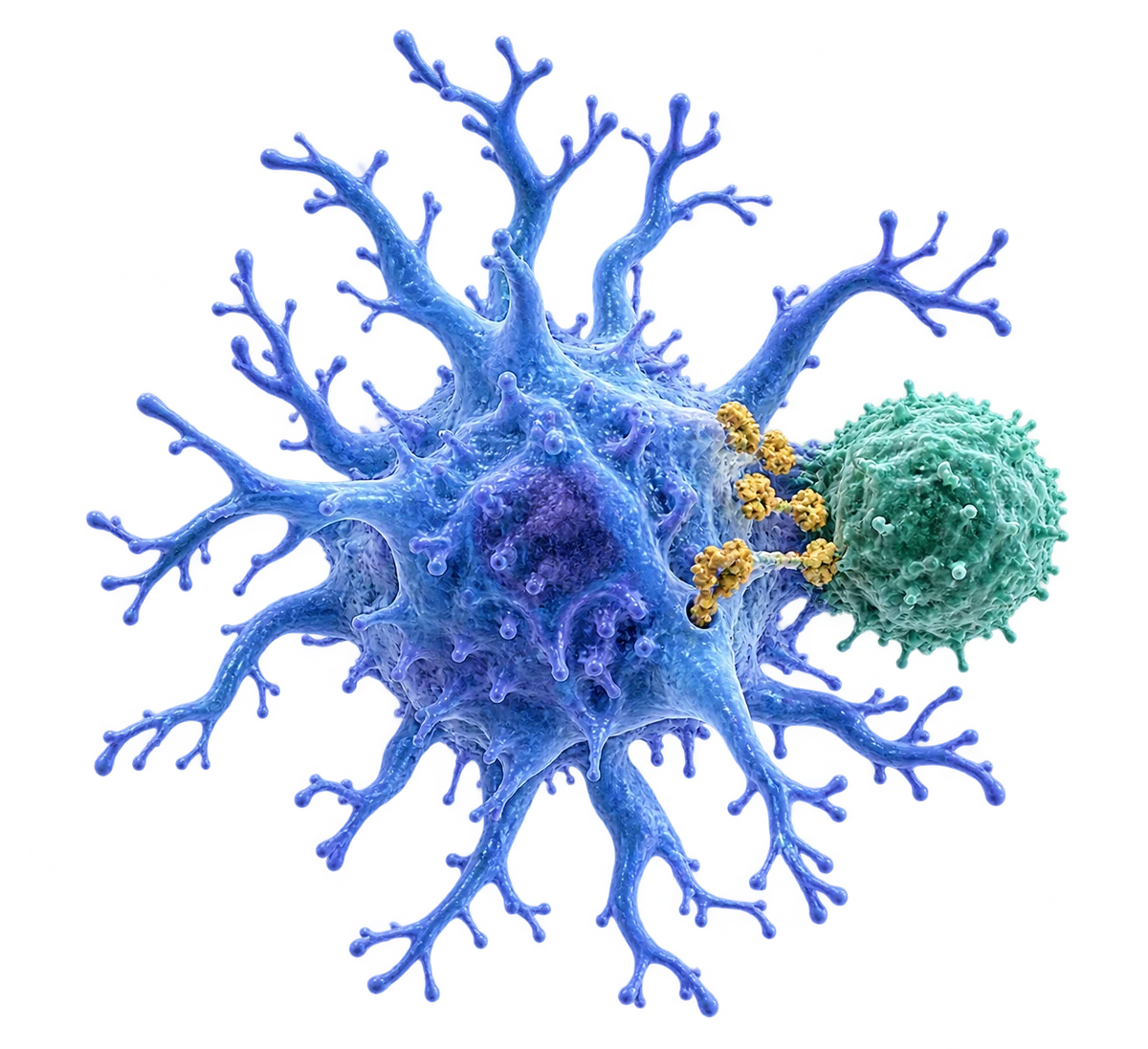
Contact-dependent mechanisms can adjust co-stimulatory signaling.
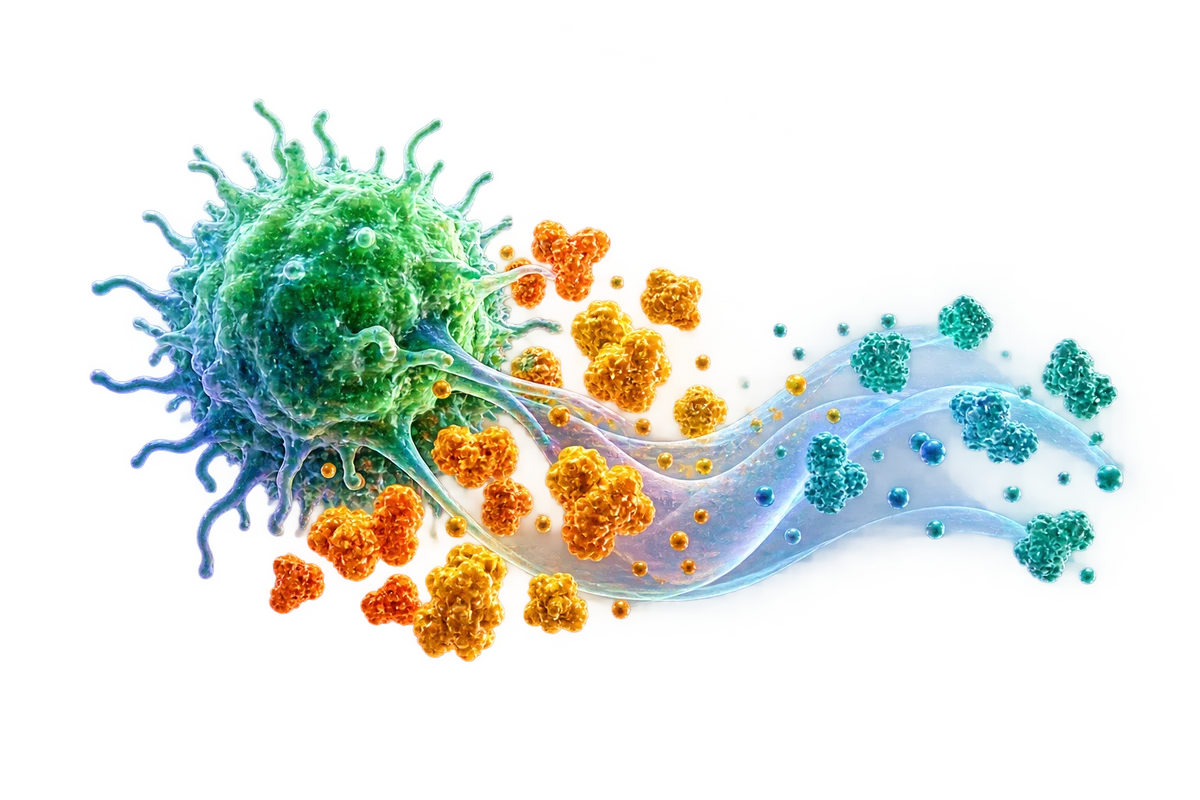
Regulatory cytokines and other mechanisms influence effector-cell activity.

Tissue-adapted populations help maintain local immune balance.

Aging can alter regulatory-cell populations, their environments and their effects.
Artwork illustrates the main mechanisms schematically; molecular sizes, colors and distances are not literal.