1Antigen Recognition
The T-cell receptor recognizes peptide–MHC I on an antigen-presenting cell. CD8 supports this interaction.
 Subscribe
IMMUNE CELLS
Cytotoxic CD8+ T cells are adaptive immune cells that recognize infected or abnormal cells, including some cancer cells, through peptides presented on MHC class I. Once activated, they can expand, eliminate target cells and form long-lived memory populations. [1]
Back to all immune cells →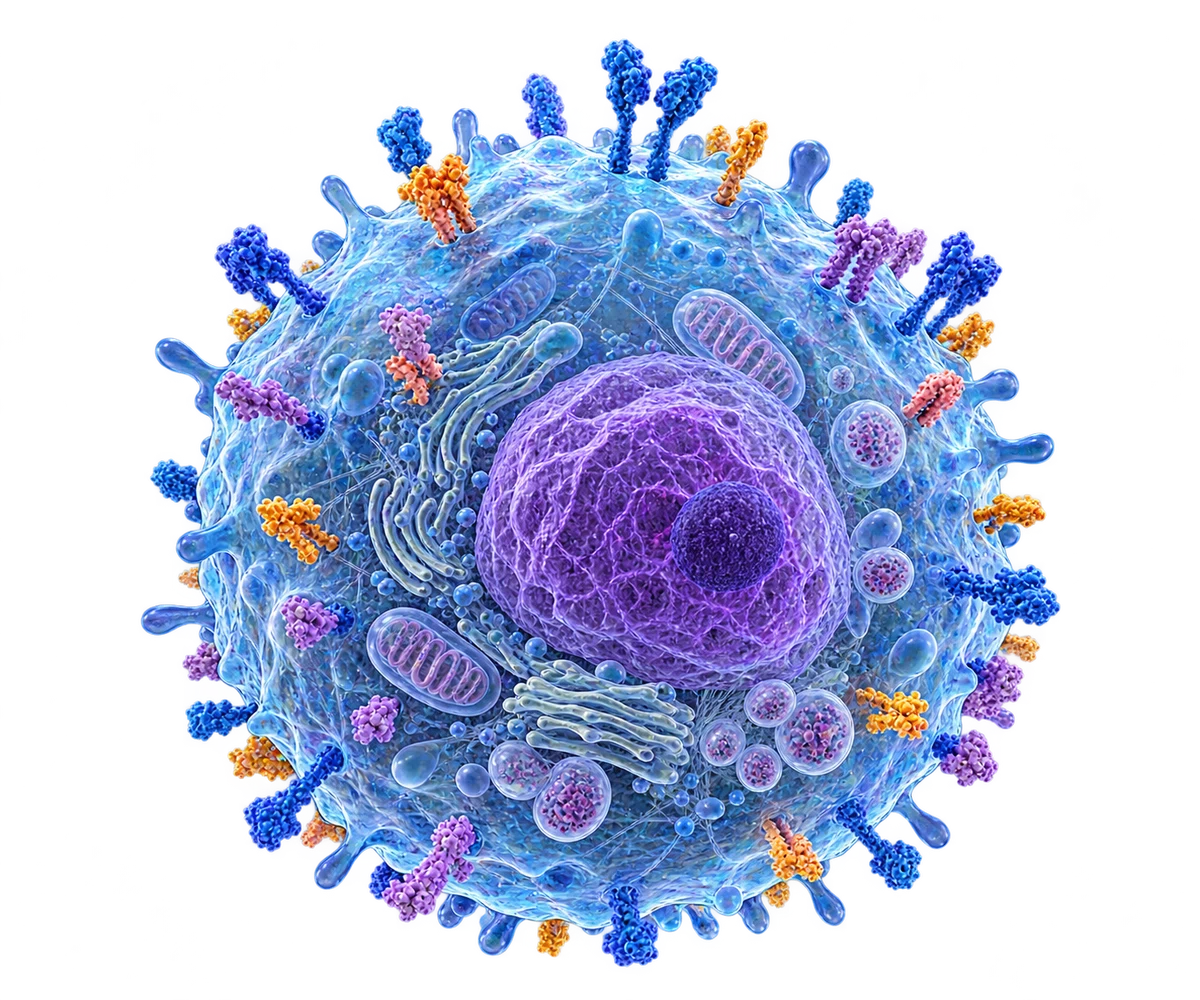 Type of Cell
Adaptive T lymphocyte expressing CD8
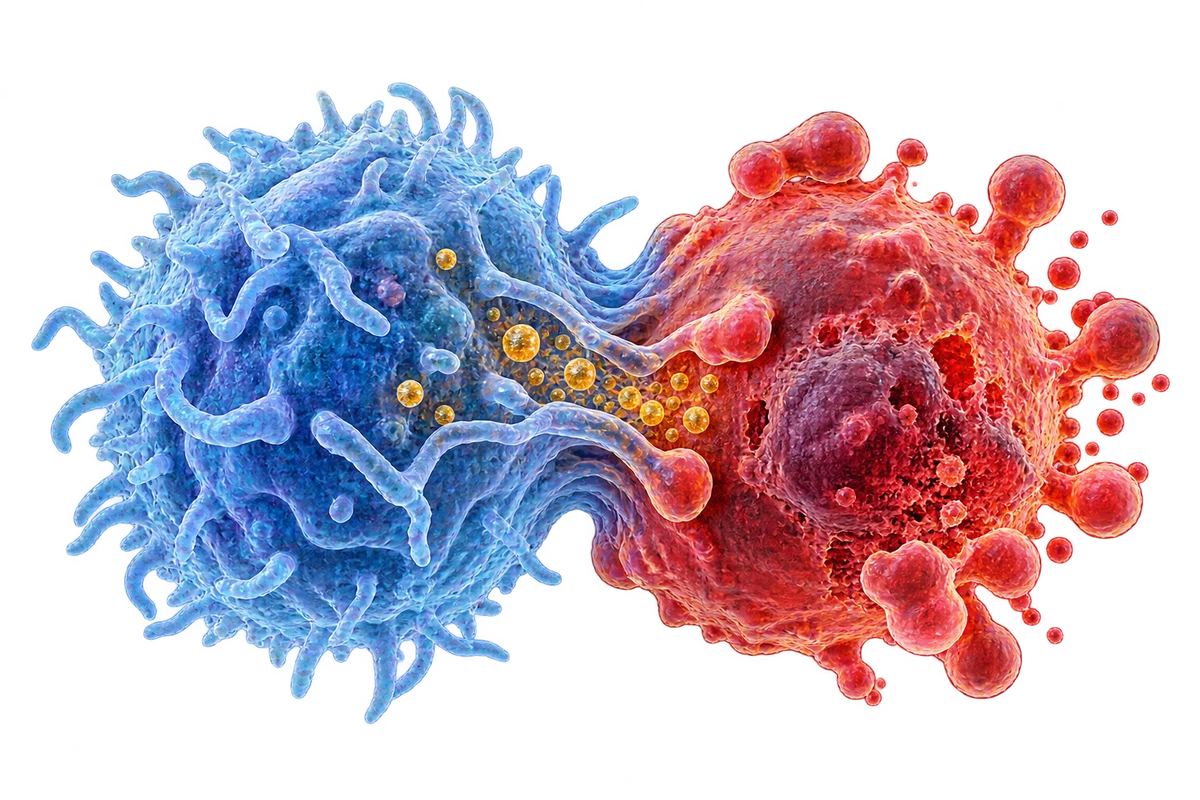 Main Role
Recognize and eliminate susceptible target cells
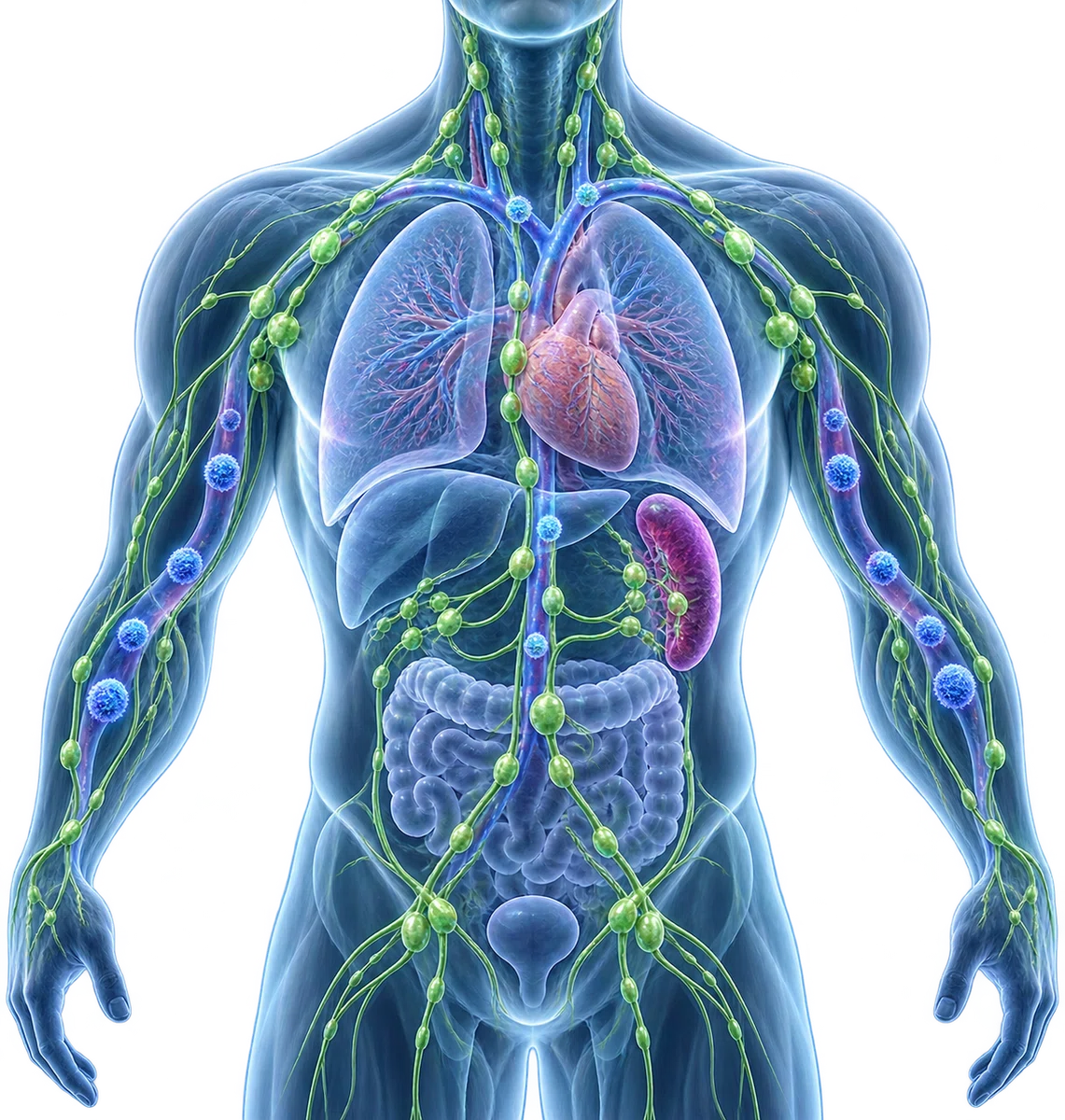 Where They Are
Blood, lymph nodes, spleen and peripheral tissues
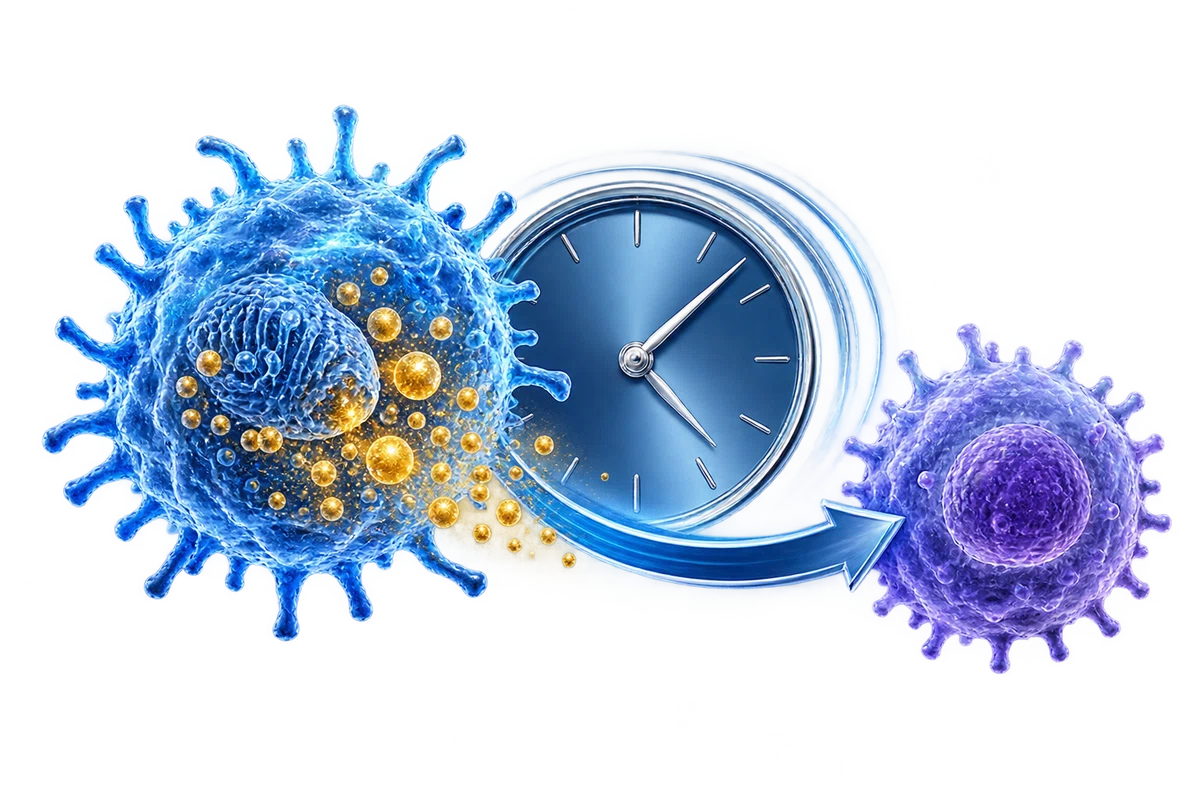 Lifespan
Days as effectors to years in some memory populations
CD8+ T cells recognize peptides on MHC class I, which is expressed by most nucleated cells. This allows cytotoxic effectors to inspect many tissue cells and directly eliminate targets displaying an appropriate antigen. CD4+ helper T cells chiefly recognize peptides on MHC class II and coordinate other immune responses. [1]
Activation of naïve cells requires antigen recognition and supporting signals. [1]
The T-cell receptor recognizes peptide–MHC I on an antigen-presenting cell. CD8 supports this interaction.
Co-stimulatory signals, including CD28 interactions, and cytokines support activation, survival and differentiation.
Activated cells proliferate into antigen-specific populations and acquire effector or memory fates.
Effector cells reach relevant tissues, recognize susceptible targets and deliver focused cytotoxic signals.
Specialized mechanisms trigger programmed cell death. [2]
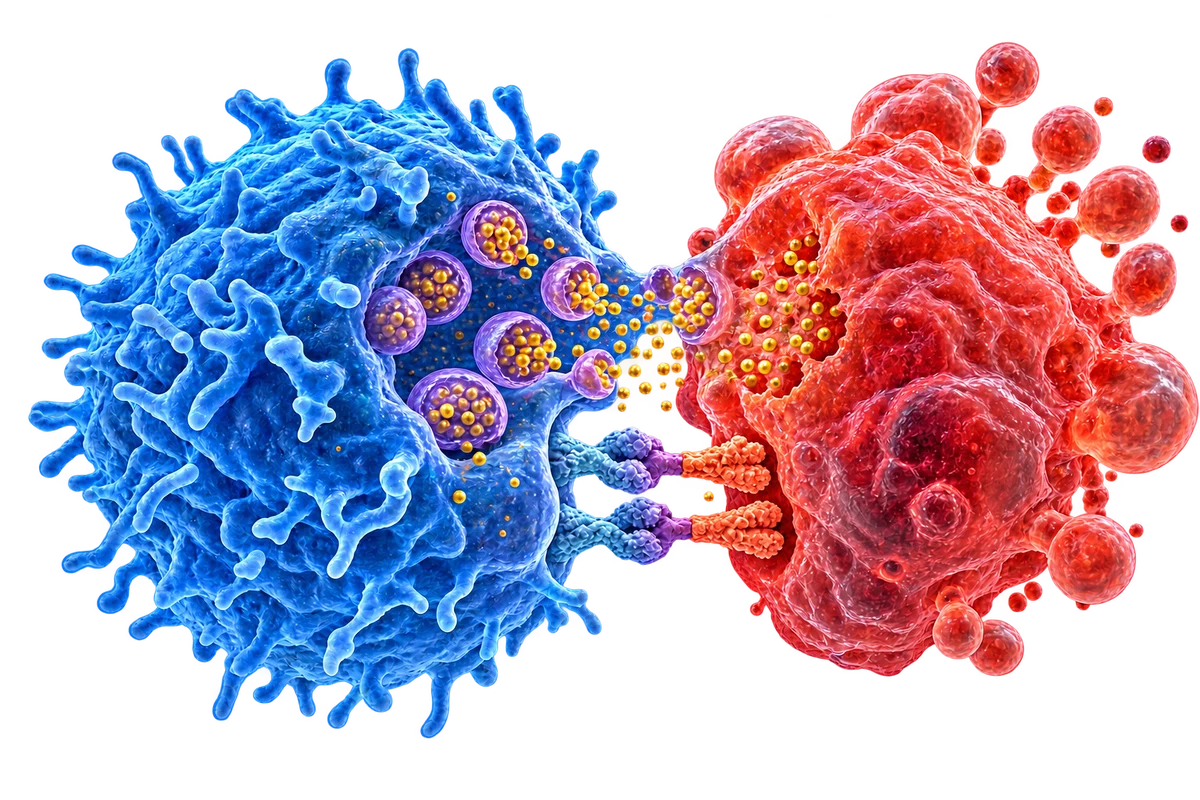
The target undergoes apoptosis, a controlled process. Recognition and the local environment determine whether killing occurs.
1Immune SynapseT-cell recognition creates a focused interface for delivery of effector molecules.
2Cytotoxic GranulesPerforin supports granzyme delivery. Granzymes activate pathways that trigger apoptosis.
3Death-Receptor PathwayFas ligand can engage Fas on susceptible target cells and initiate apoptotic signaling.
Antigen exposure, location and signals shape cell state and function. [3]
Protection depends on coordinated cellular interactions.
Present antigen and provide co-stimulatory and cytokine signals.
Provide help that can support CD8+ expansion and memory.
Control microbes and participate in inflammatory signaling.
Antibody-mediated and innate responses complement cellular immunity.
Some activated cells persist as memory populations and respond on re-exposure. Vaccines differ in the CD8+ responses they generate. [3]

Insufficient or dysregulated responses can contribute to disease. [4]
Chronic InfectionsPersistent antigen can promote exhaustion and limit some T-cell functions.
CancerTumors may evade recognition or suppress cytotoxic responses through several mechanisms.
ImmunopathologyExcessive or misdirected cytotoxic responses can damage healthy tissue.
Aging reshapes the CD8+ compartment. Thymic involution reduces the supply of new naïve cells, while repeated exposures and persistent infections shape memory populations. Diversity, proliferation and effector functions may change, but the extent differs among people and cell populations. Aging is not equivalent to uniform loss of cytotoxic function. [5]
Learn more about aging & immunity →A broader naïve-cell pool
Altered naïve–memory balance
Artwork illustrates the main mechanisms schematically; molecular sizes, colors and distances are not literal.