1. Infection or injury
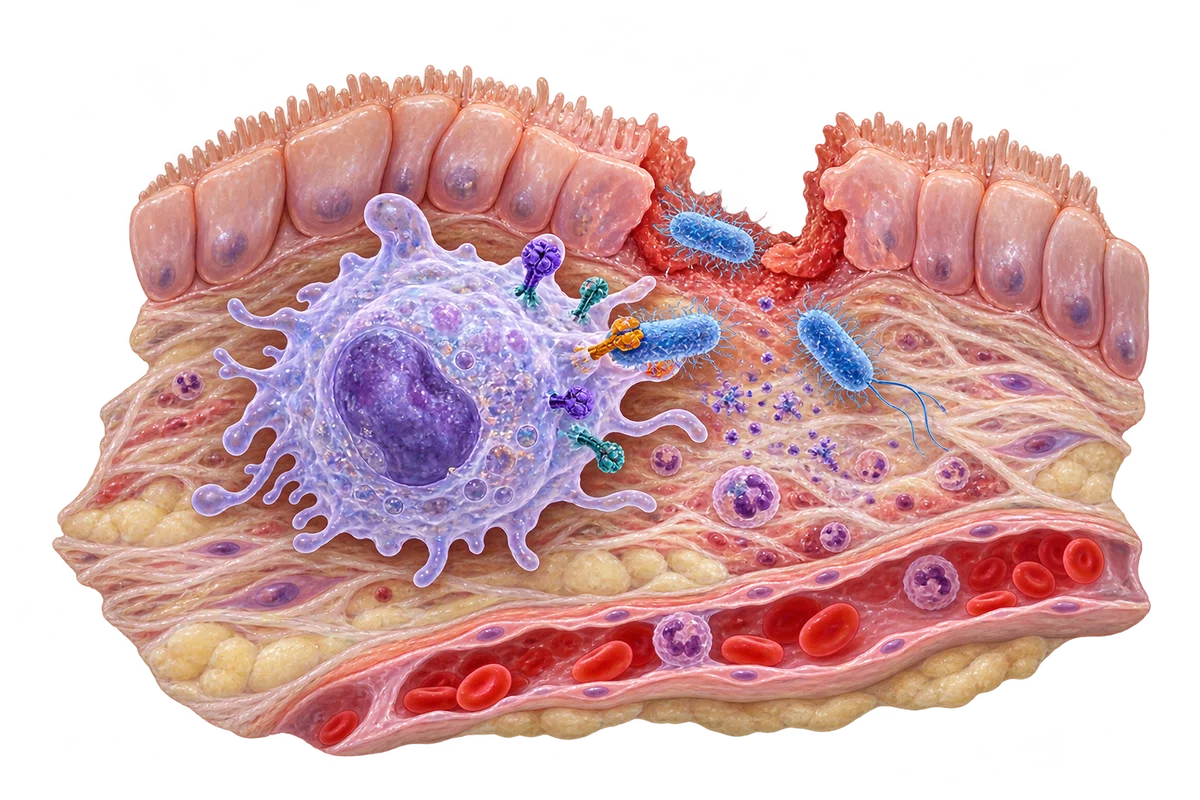
Microbial or damage signals activate tissue cells.
 Subscribe
Acute-phase proteins are circulating proteins whose concentrations change during inflammation. Produced mainly by the liver, they connect local tissue signals with systemic defense, transport, coagulation and repair.
Explore acute-phase proteins →From local infection or injury to a coordinated systemic response.
Microbial or damage signals activate tissue cells.

IL-6, IL-1 and TNF help communicate inflammatory signals.
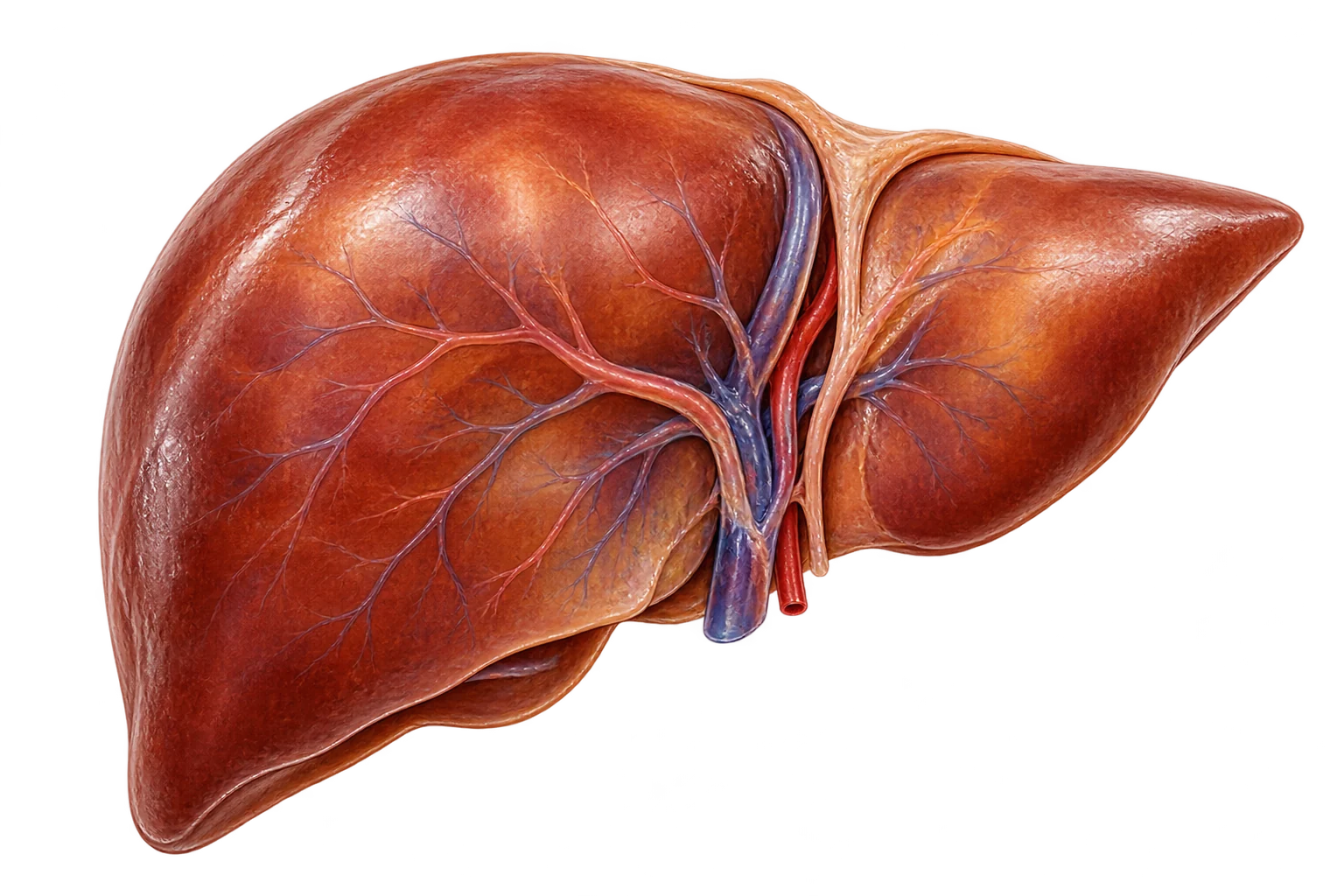
Hepatocytes change the production of circulating proteins.

Positive reactants rise; negative reactants fall.
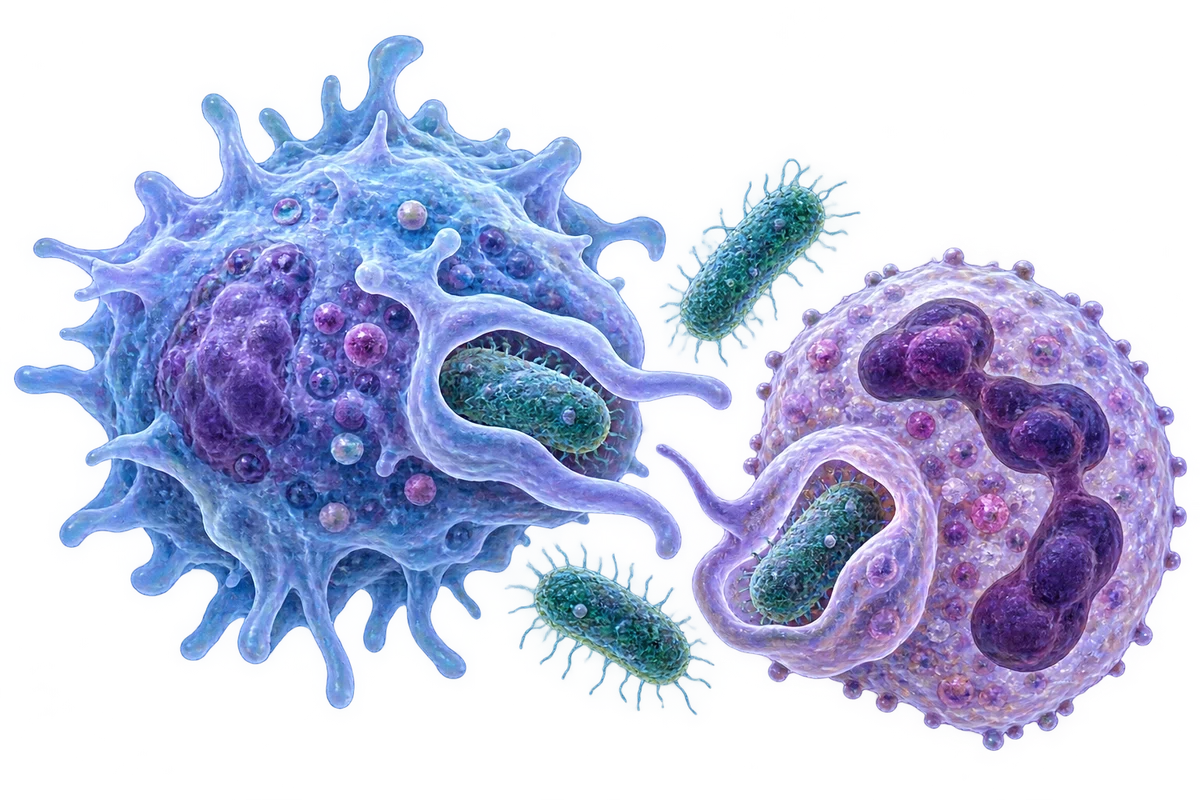
Host defense and tissue protection are supported.
The liver is the major source of many circulating acute-phase proteins. Other tissues can also produce selected proteins locally.
Increase during inflammation.
Decrease during inflammation.
Magnitude and timing vary by protein, cause and individual. “Negative” describes concentration change, not a harmful function.
Cytokine signaling in the liver changes protein synthesis.
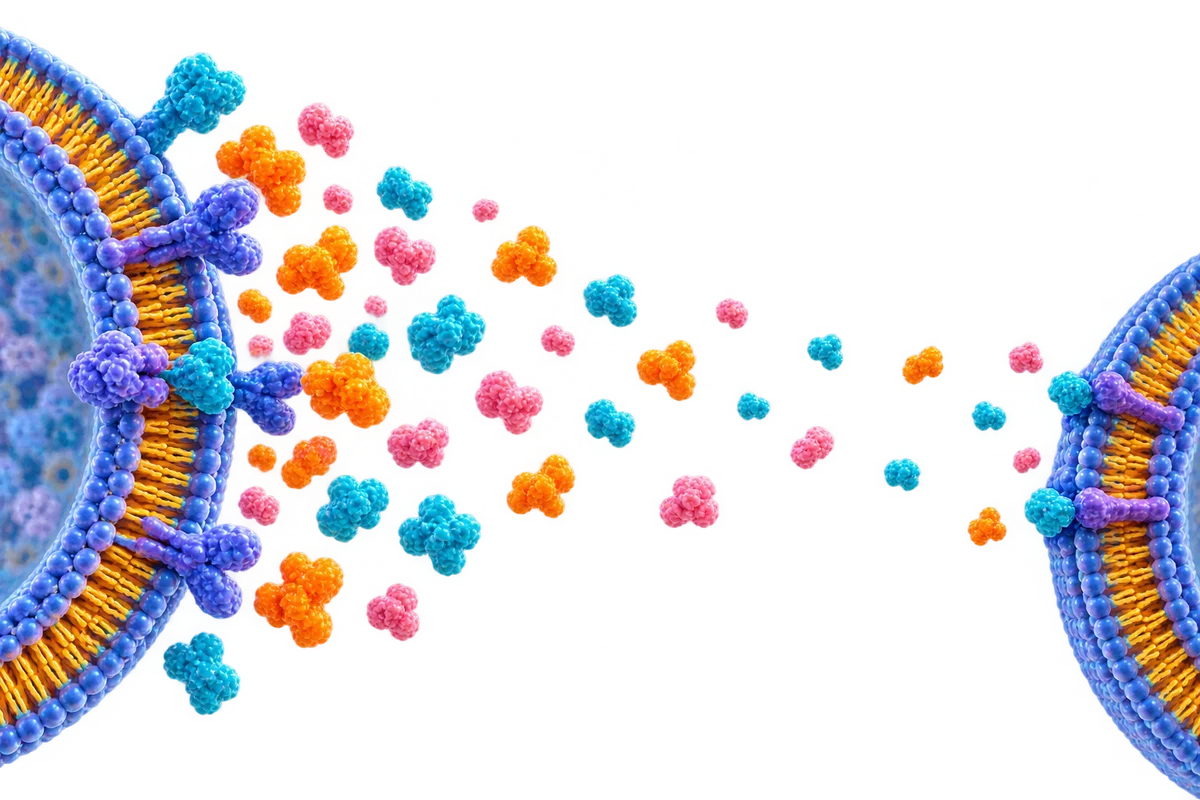
Inflammatory signals reach the liver.
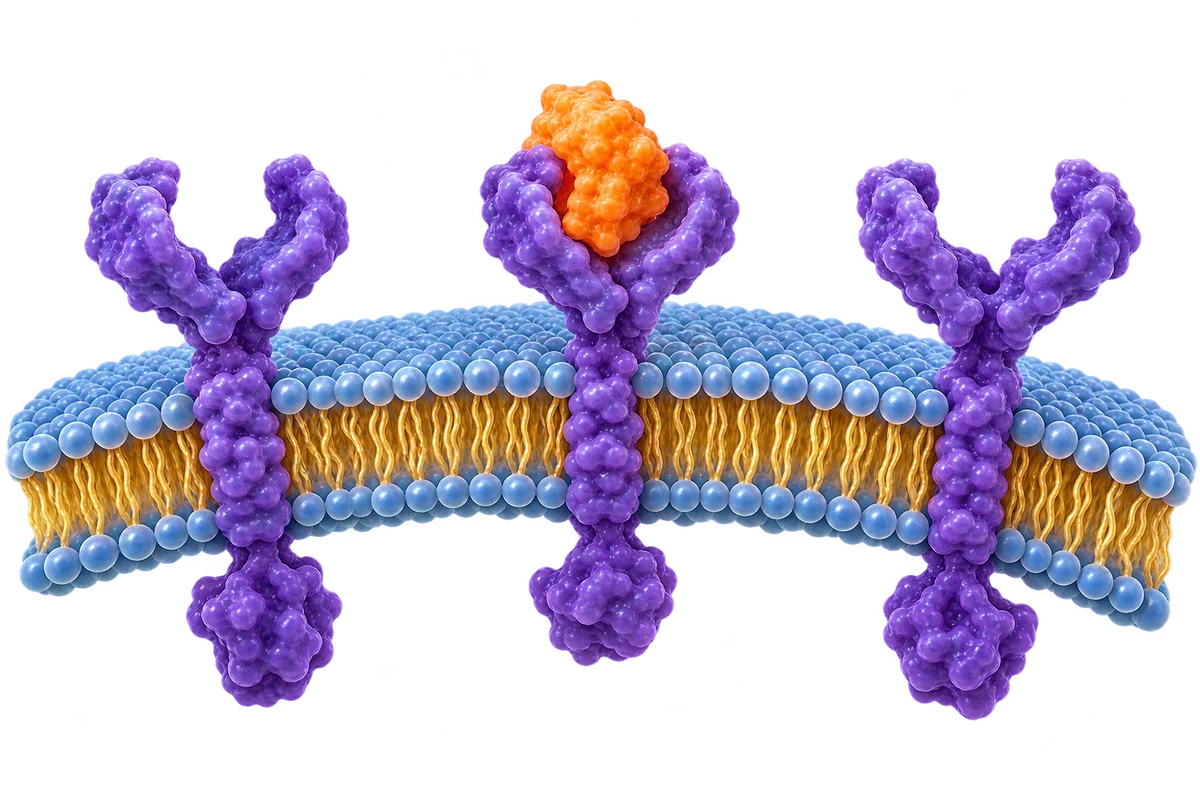
Receptors activate intracellular pathways.
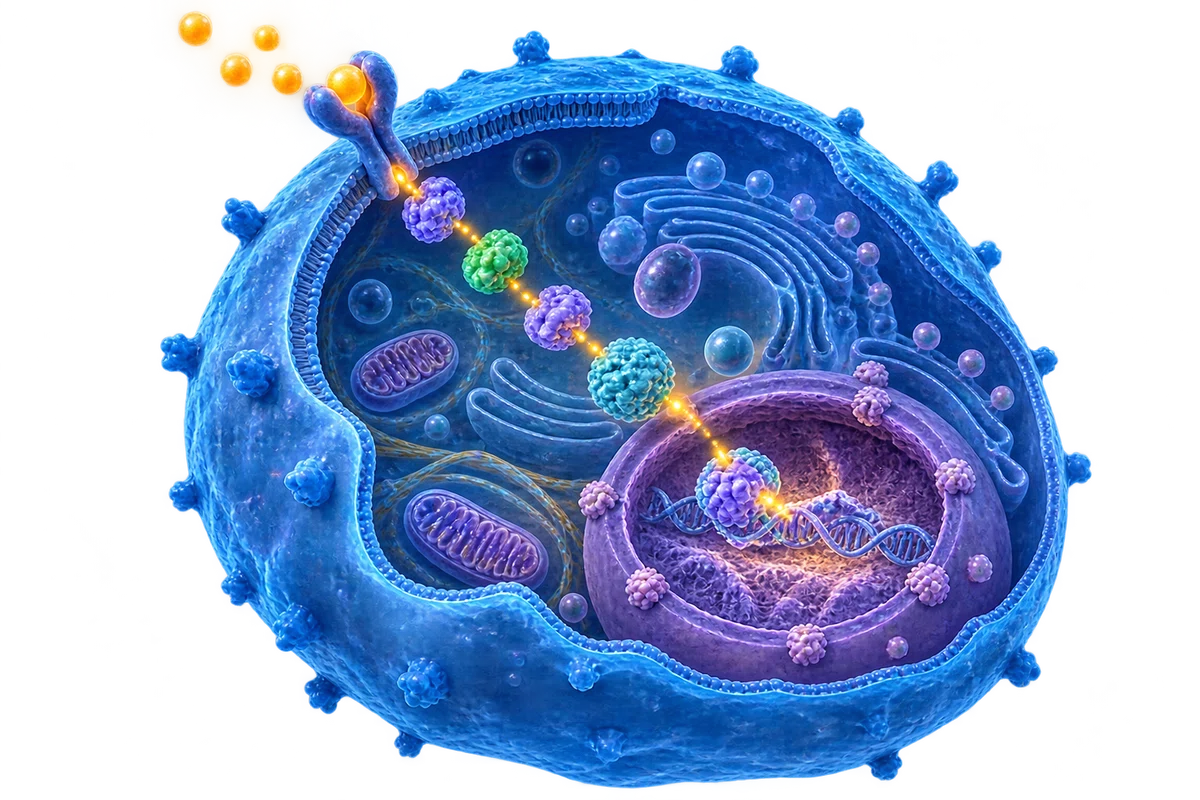
STAT3 and other pathways alter transcription.
Hepatocytes release proteins into circulation.
Selected proteins contribute to defense and tissue protection through different functions.
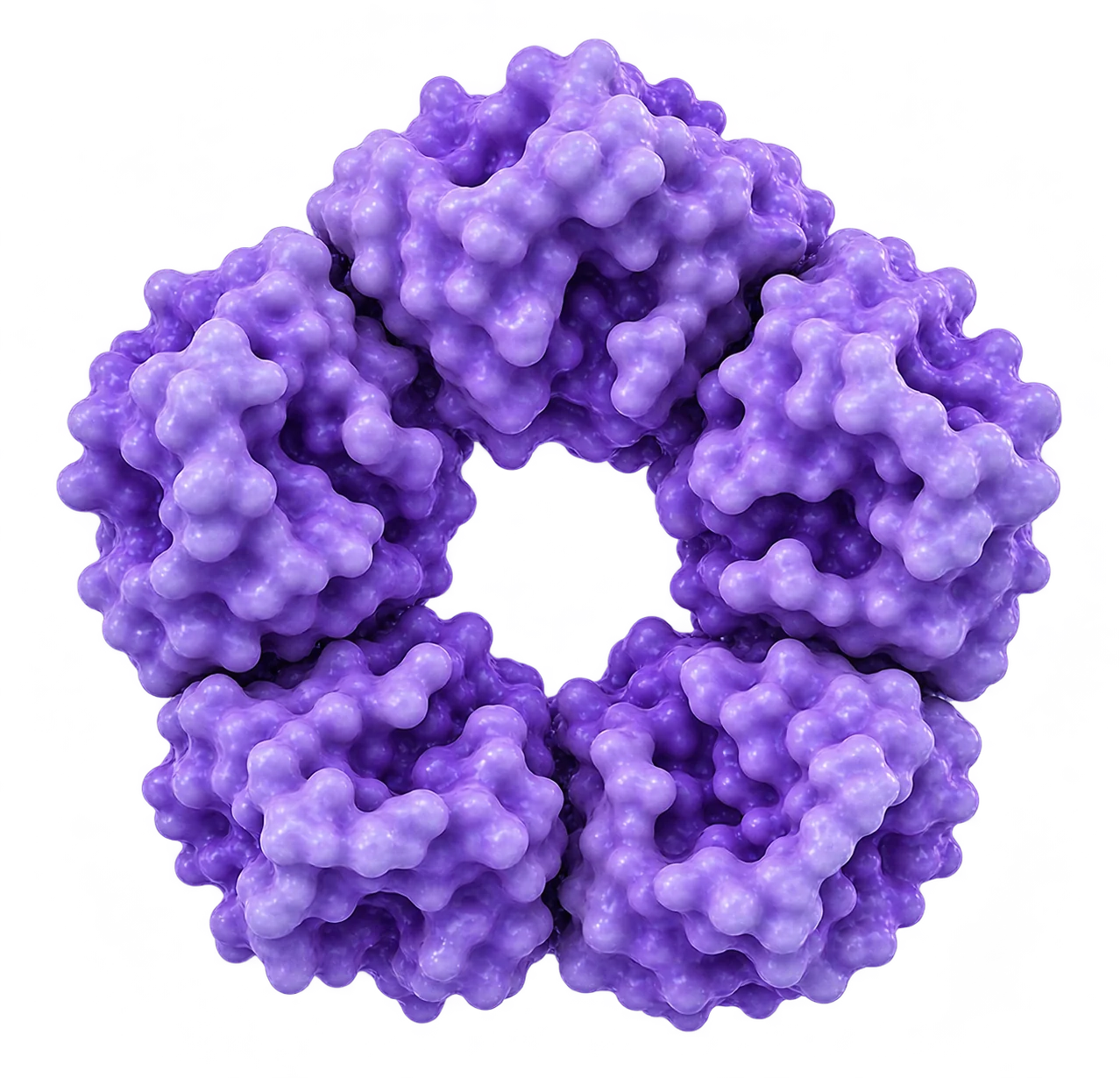
Recognizes selected microbial and damaged-cell structures; can support complement activation.
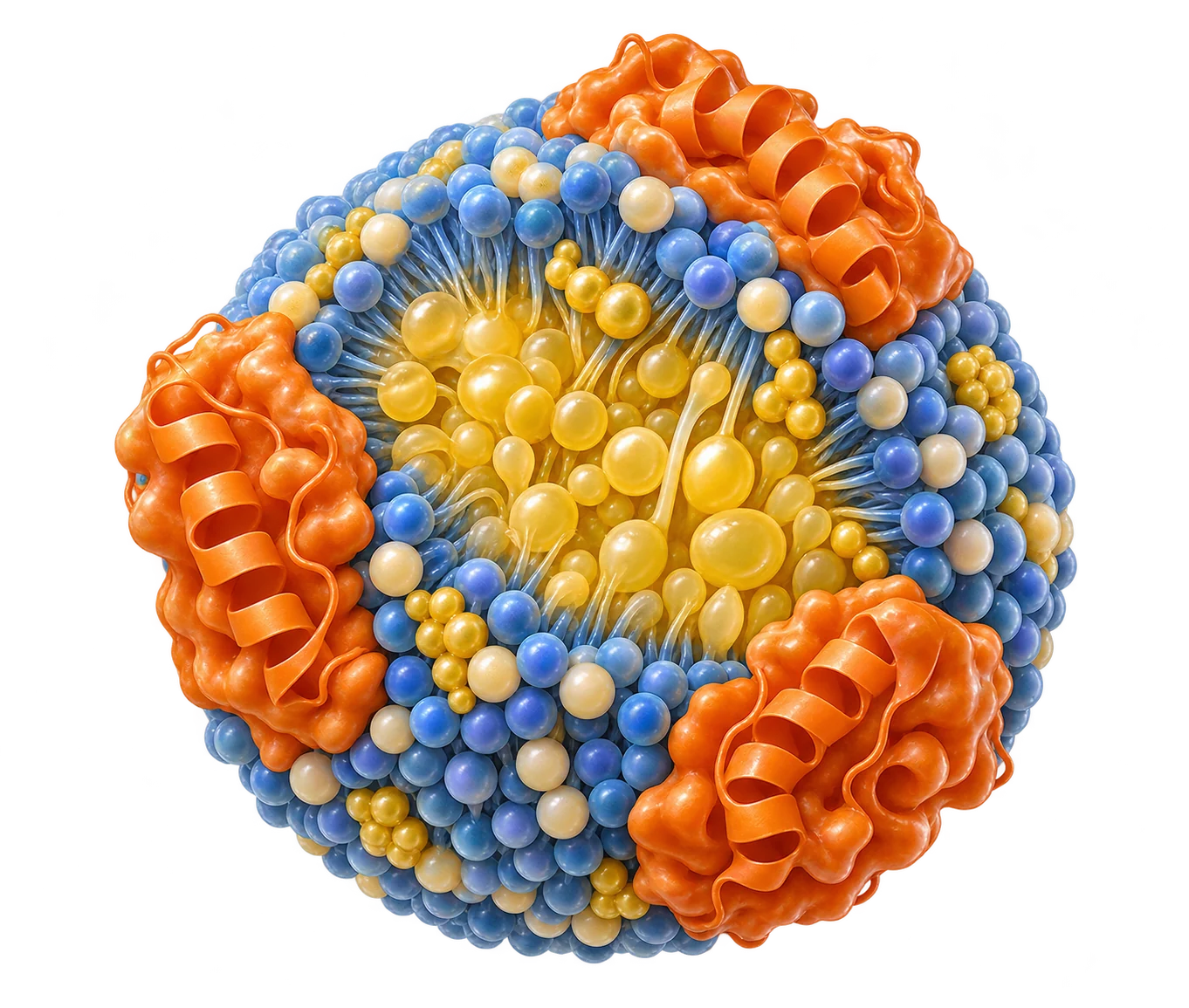
A major acute-phase apolipoprotein. Persistent elevation can contribute to AA amyloidosis.

A coagulation substrate that forms fibrin and contributes to erythrocyte sedimentation.
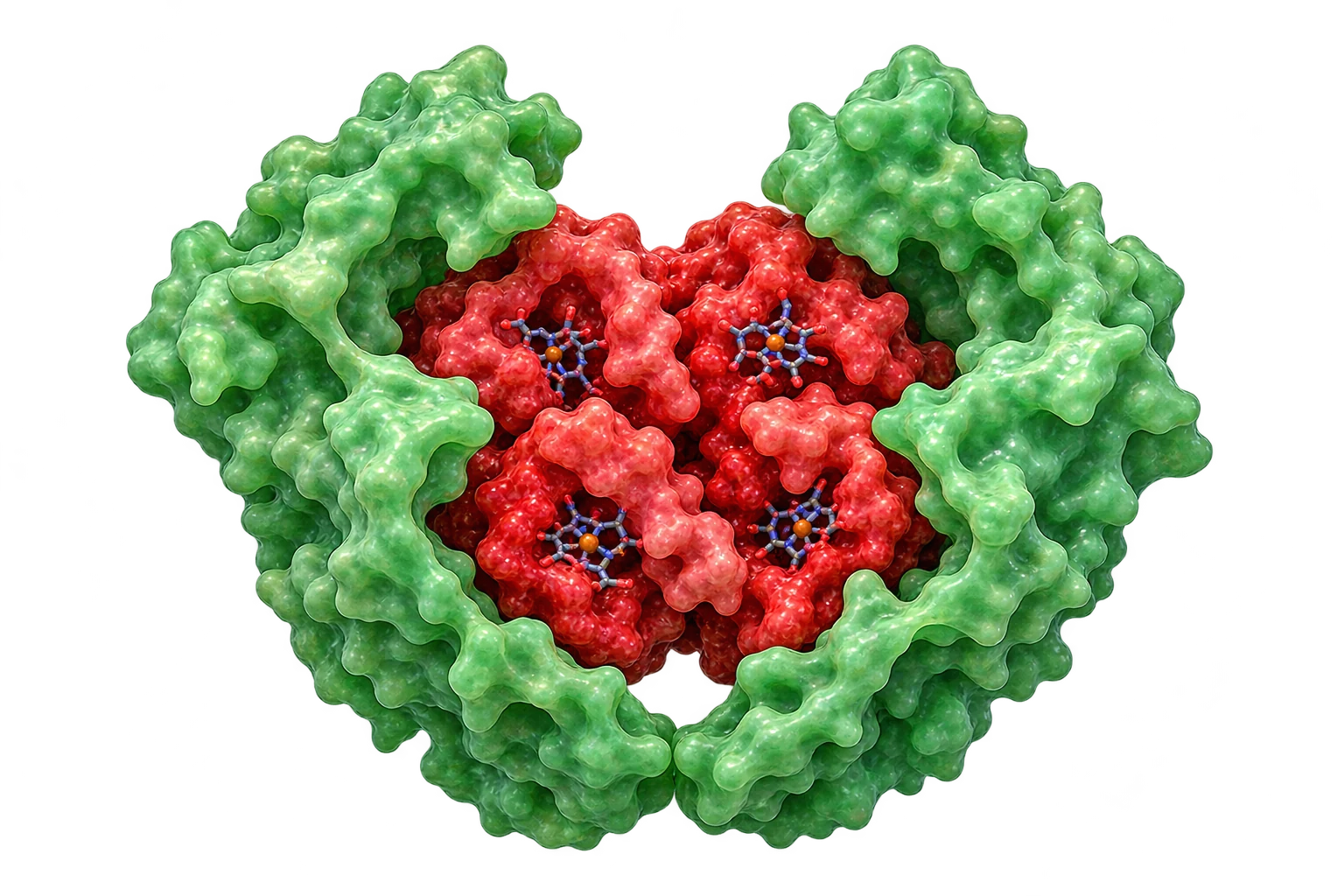
Binds free hemoglobin, limiting oxidative damage and helping clearance.

Regulates iron availability by reducing ferroportin-mediated iron export.

A protease inhibitor that limits tissue injury from enzymes such as neutrophil elastase.
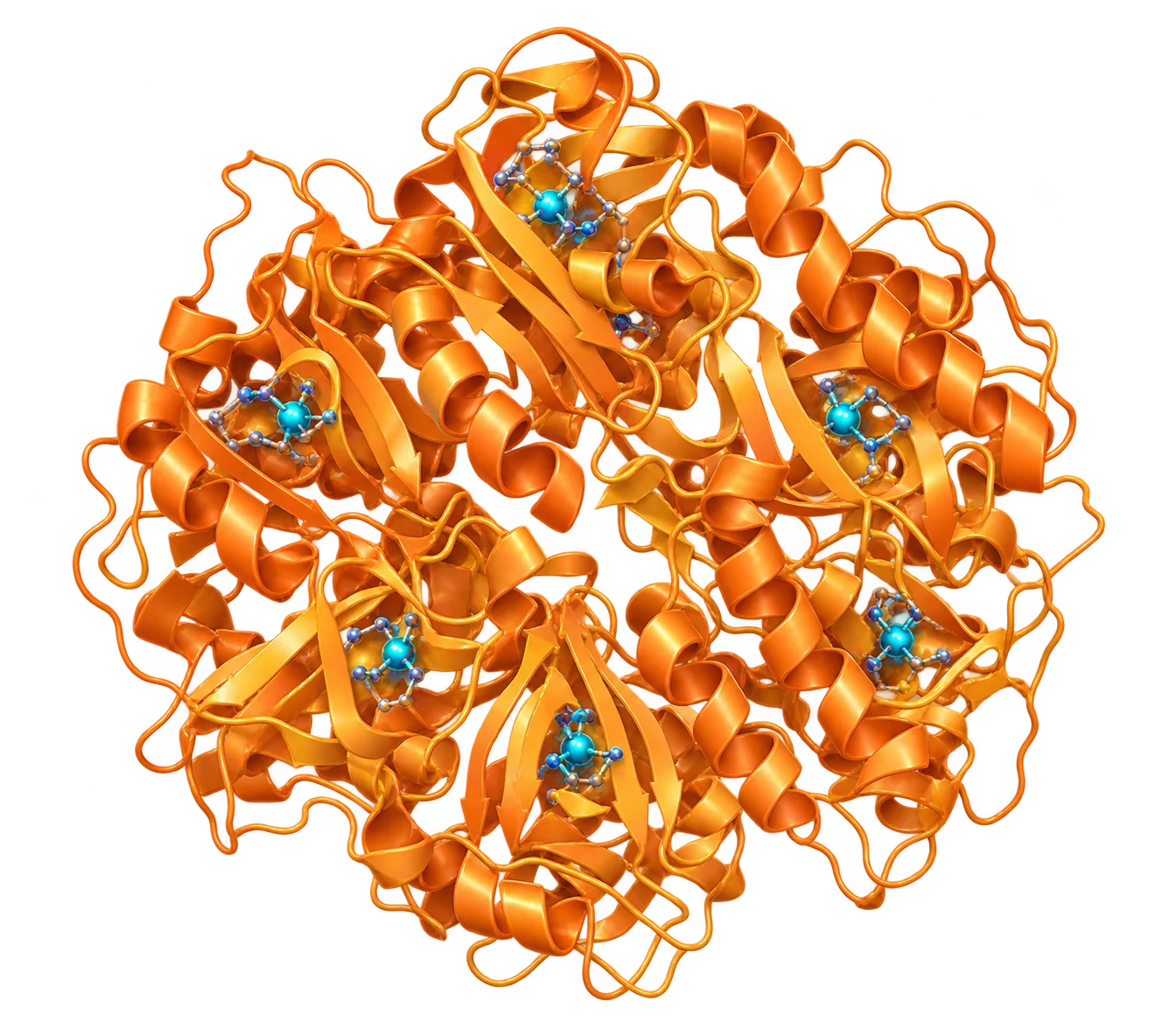
A copper-containing ferroxidase involved in iron handling and redox biology.
Some proteins identify microbial or damaged-cell patterns.
CRP and other molecules can link recognition to complement.
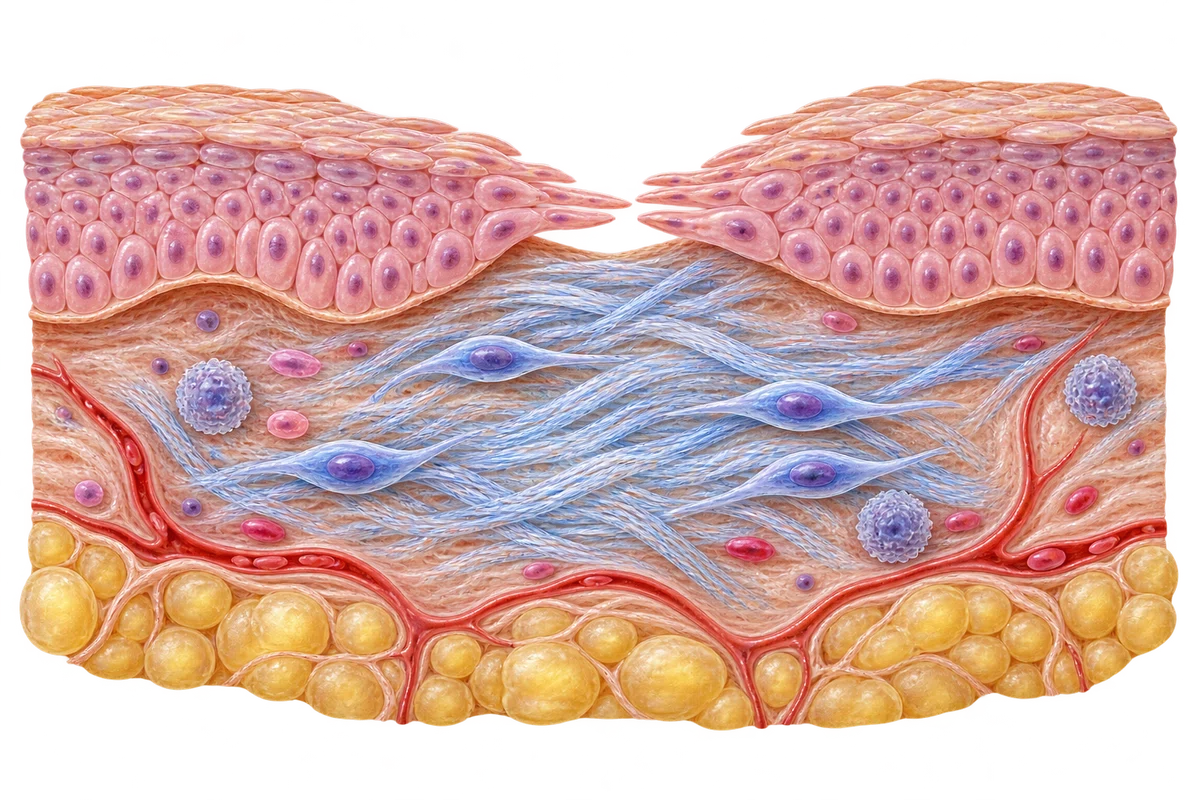
Protease inhibitors and transport proteins limit collateral damage.
Fibrin formation supports local hemostasis and repair.
Iron handling changes during inflammation.
CRP is a commonly measured marker of inflammation. ESR is an indirect measure influenced by fibrinogen and other factors. Neither identifies the cause by itself.
Results are interpreted with symptoms, history, examination and other tests.
Prolonged inflammation can sustain acute-phase changes. Chronic infection, inflammatory disease and other conditions can contribute. Persistent SAA elevation can lead to AA amyloid deposition in some patients.
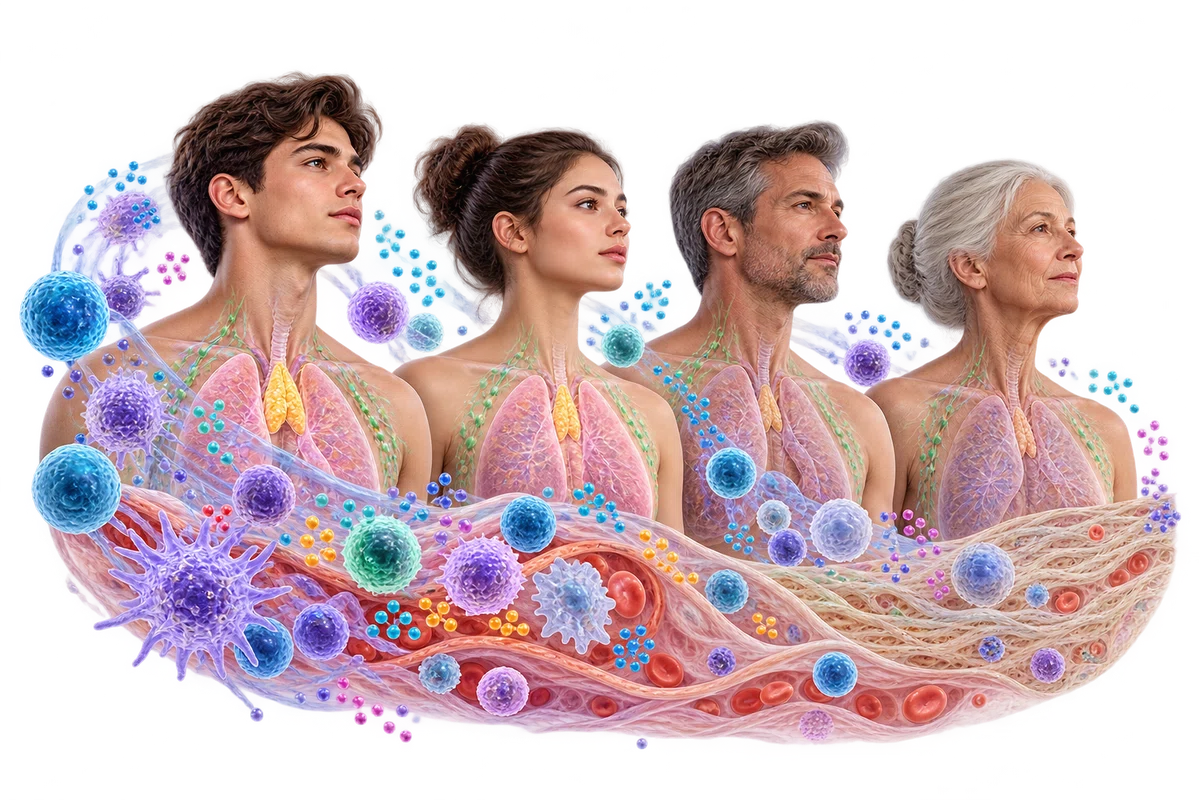
Age-associated low-grade inflammation can influence acute-phase markers. Values vary widely, and an elevated marker should not simply be attributed to age.
Learn more about aging & immunity →Artwork illustrates the main mechanisms schematically; molecular sizes, colors and distances are not literal.