What they are
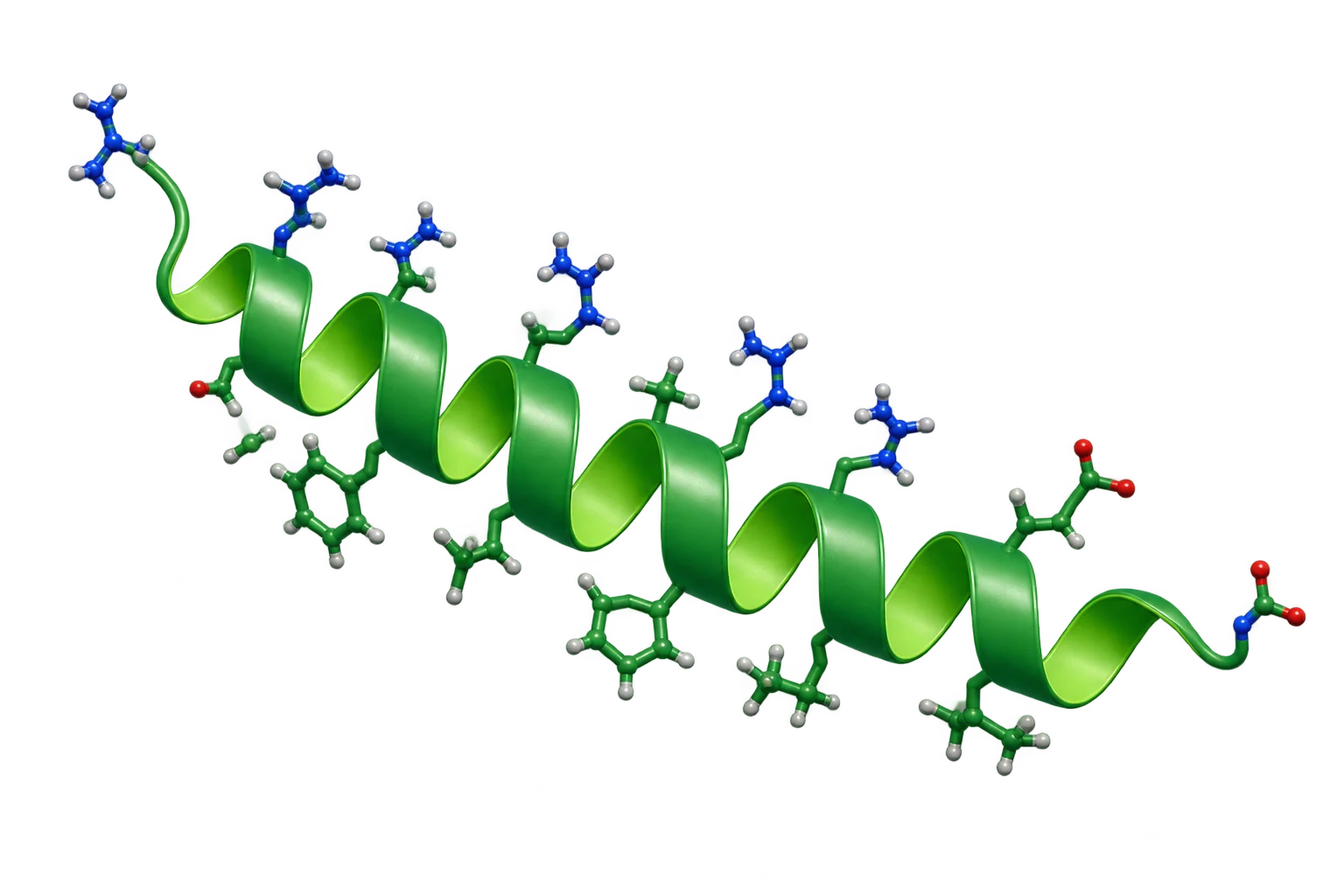
Short peptides with diverse structures; many are positively charged and amphipathic.
 Subscribe
Antimicrobial peptides are host-defense molecules produced by immune and epithelial cells. They can inhibit or kill microbes and also influence inflammation, cell recruitment, barrier function and tissue repair.
Explore antimicrobial peptides (AMPs) →Short peptides with diverse structures; many are positively charged and amphipathic.
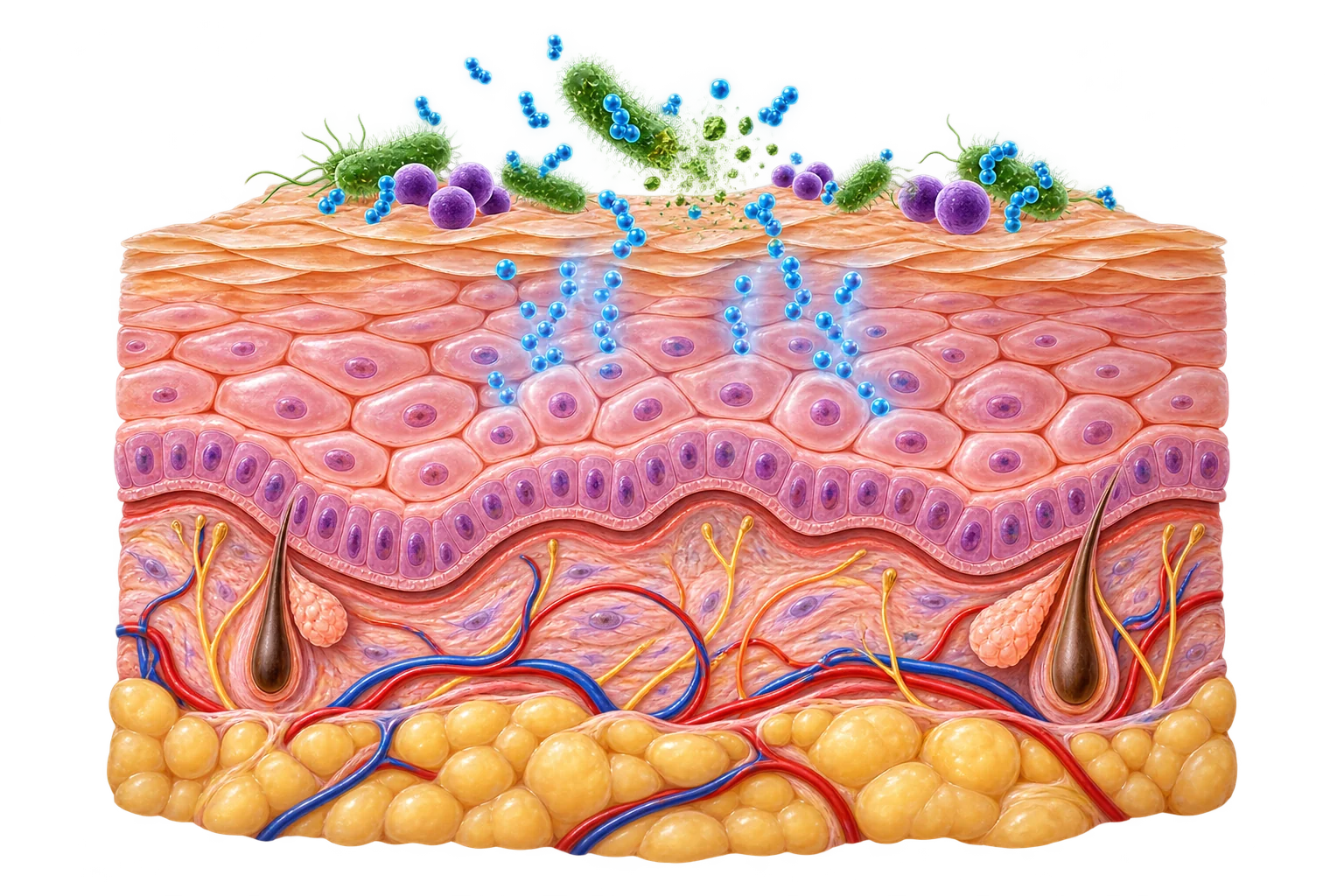
Immune cells and epithelial tissues at exposed body surfaces.

Direct antimicrobial effects and modulation of host responses.

Constitutive and inducible expression supports early protection.
Peptides are produced at barriers exposed to microbes and within immune cells.
Keratinocytes produce defensins and cathelicidin-related peptides.
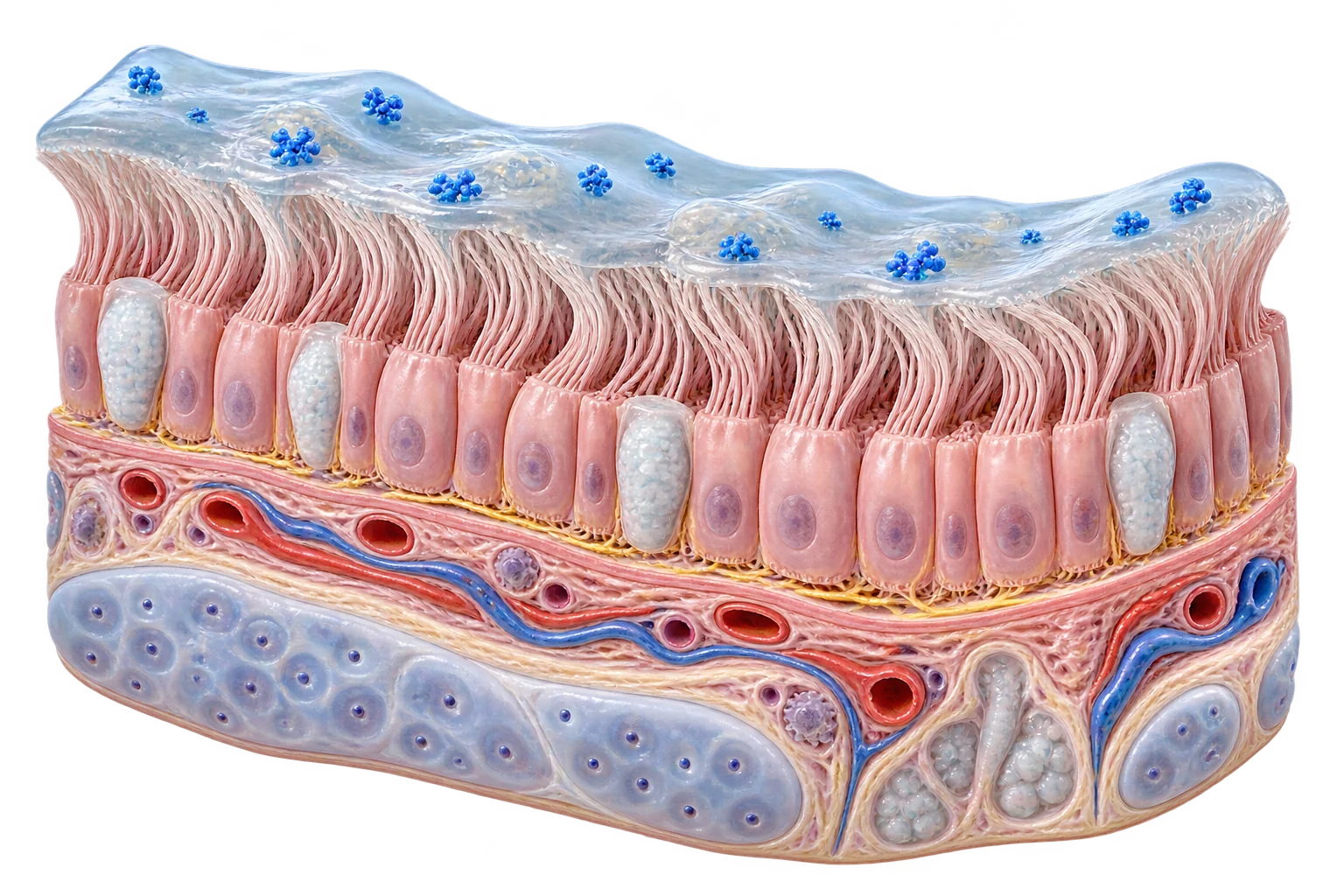
Airway epithelial cells contribute antimicrobial defenses.

Paneth cells produce α-defensins; other epithelial cells produce additional peptides.
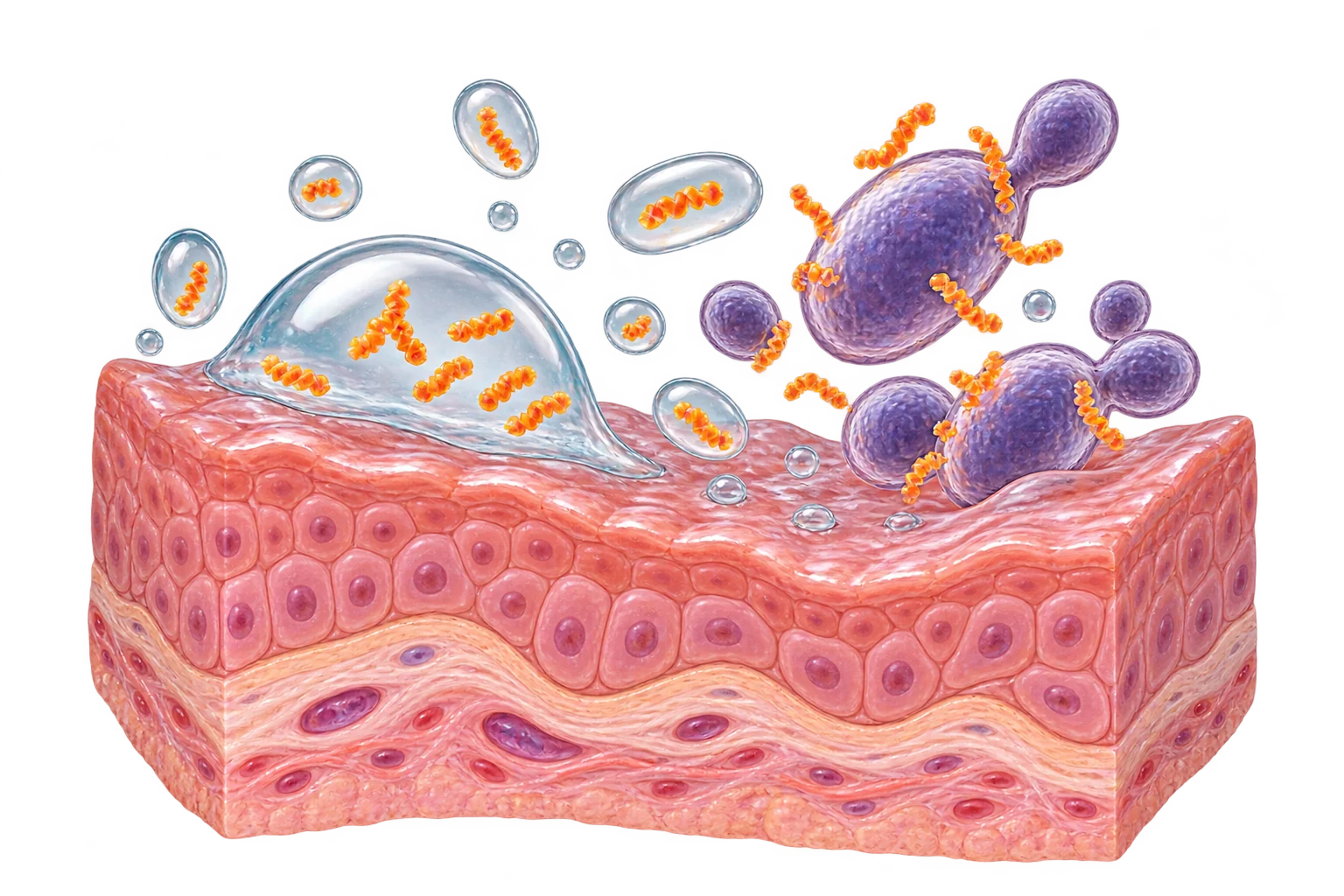
Histatins and other salivary proteins contribute to oral defense.
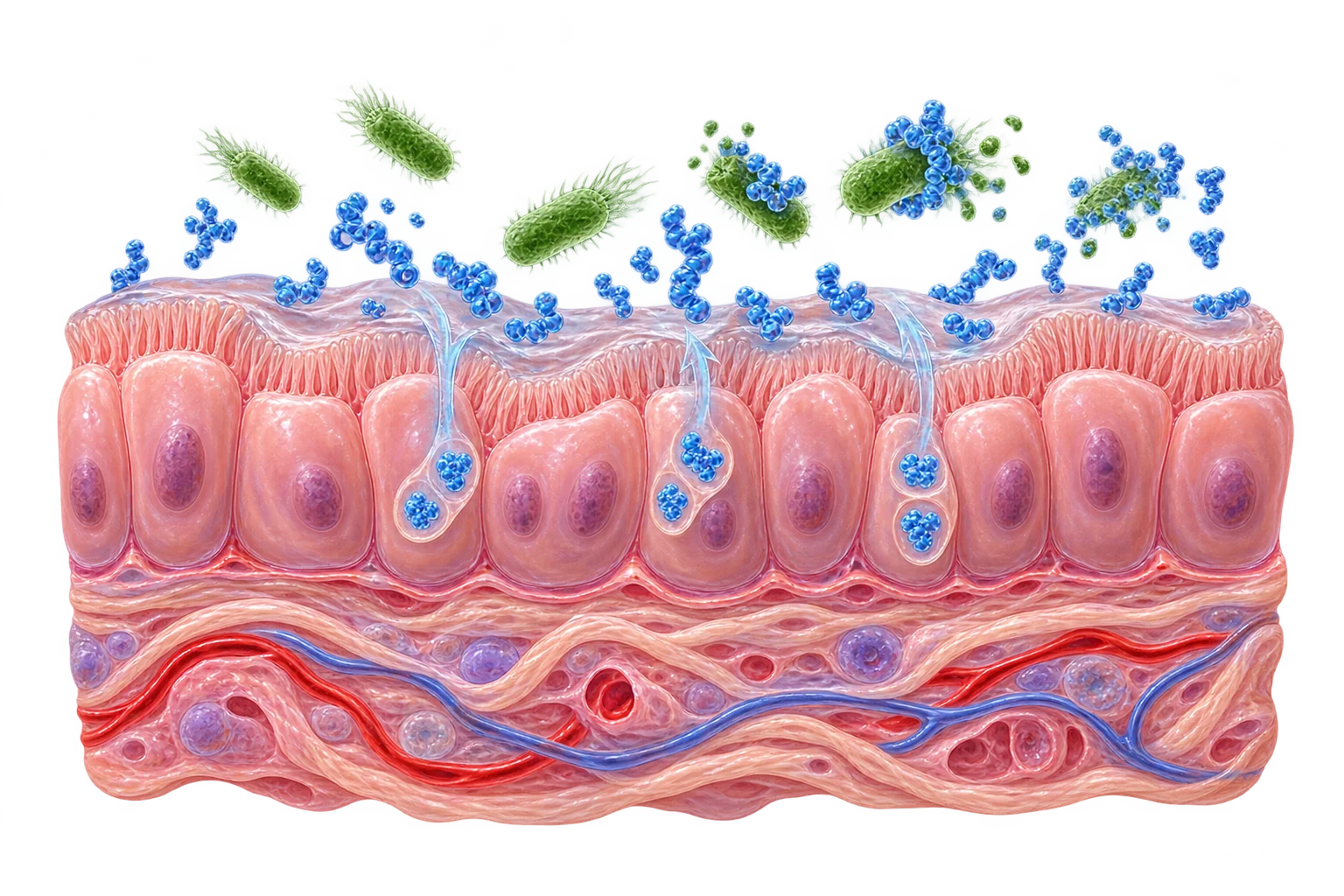
Epithelial peptides support mucosal protection.

Neutrophils store defensins and cathelicidin precursors in granules.
Disulfide-stabilized β-sheet peptides. Human neutrophil defensins and intestinal HD5/HD6 have distinct roles.
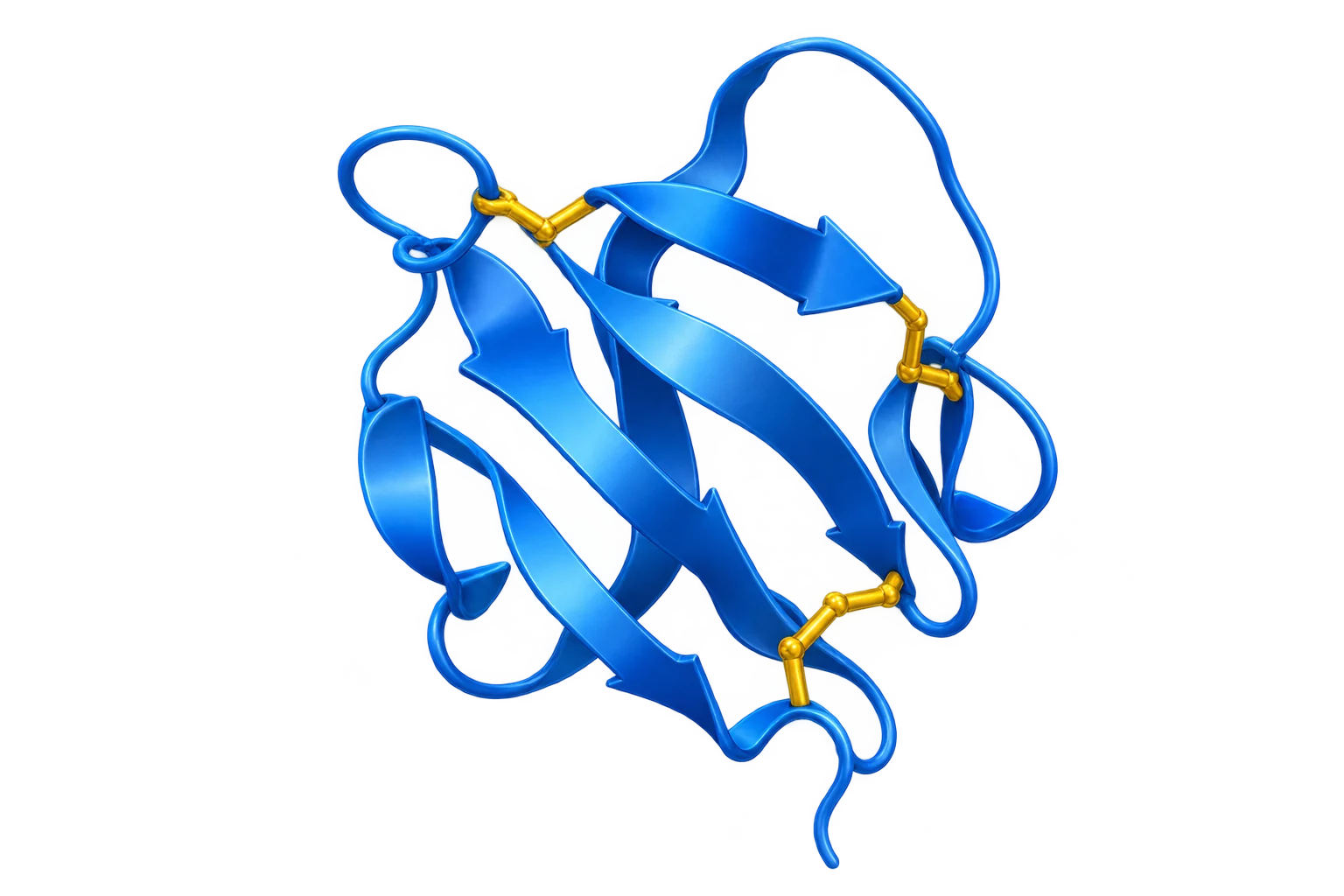
Epithelial β-sheet peptides with different disulfide connectivity and expression patterns.
An amphipathic peptide generated by processing hCAP18, with antimicrobial and immunomodulatory actions.
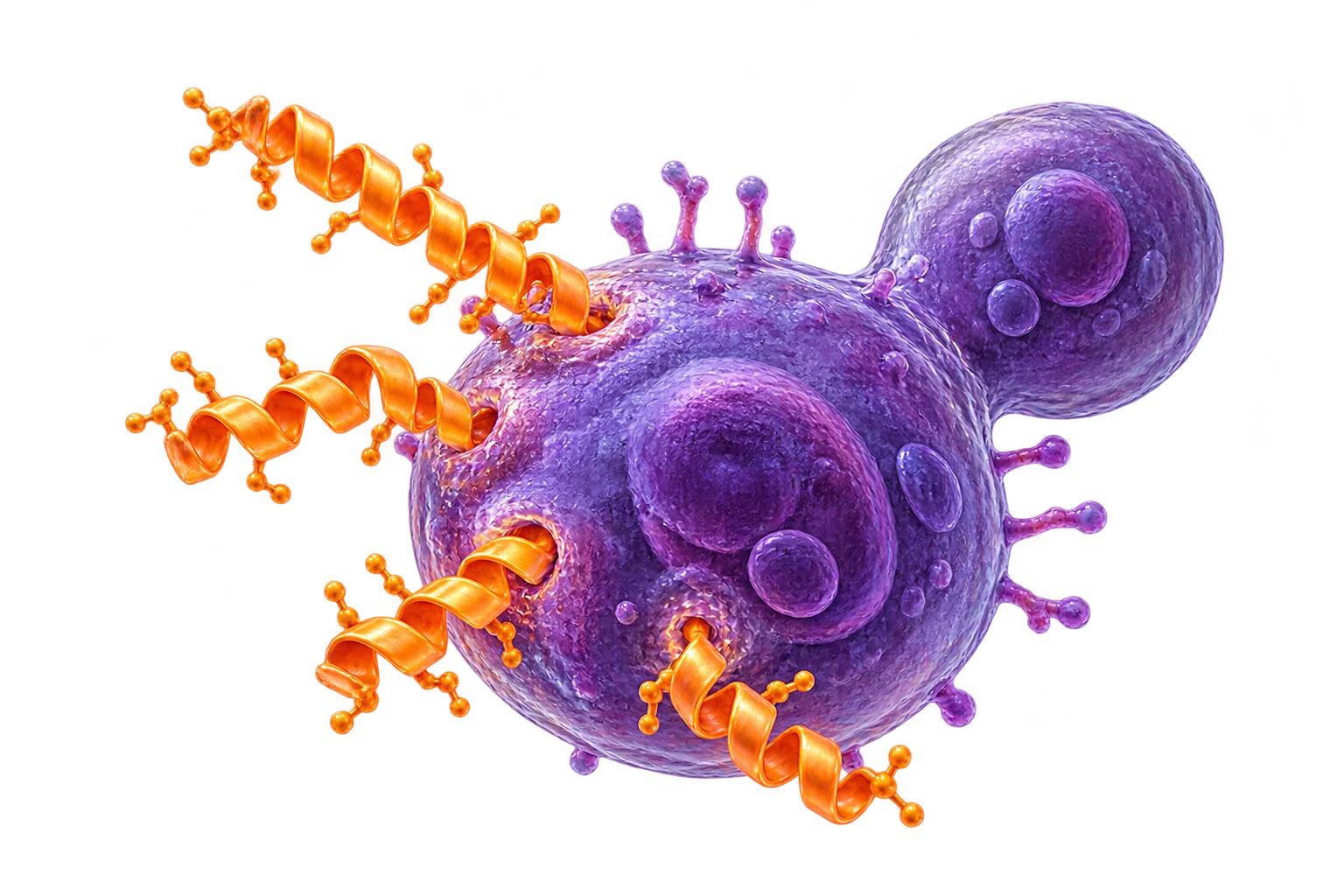
Histidine-rich salivary peptides, particularly important in antifungal defense.
Mechanisms differ by peptide, microbial target and local conditions.
Peptides are produced or released at sites of defense.
Charge and molecular interactions support target binding.
Some peptides associate with or enter microbial membranes.
Membrane disruption or intracellular effects can inhibit growth or survival.
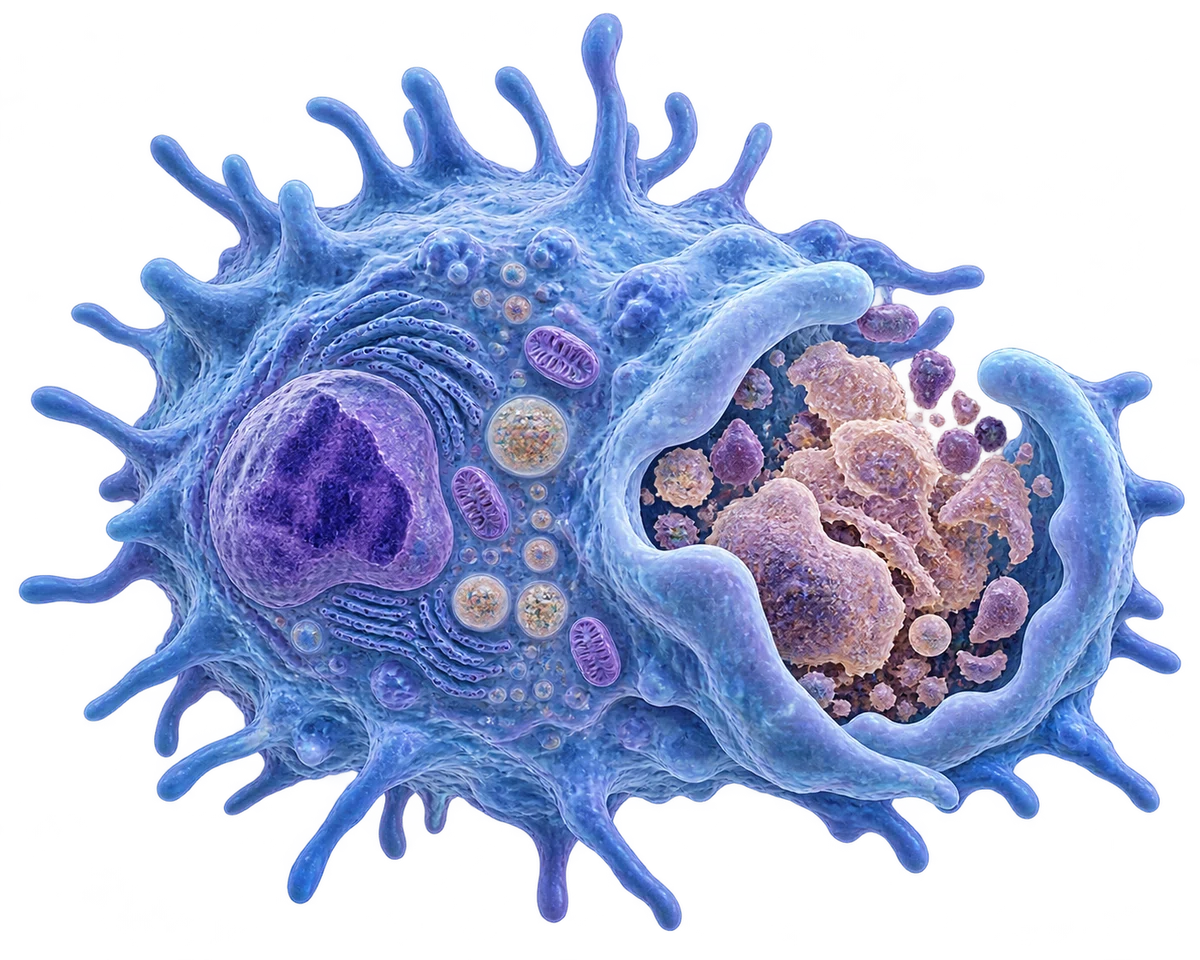
Host cells and other defenses help remove microbes and debris.

Selected peptides influence chemotaxis and cell recruitment.

They can alter inflammatory signaling in a context-dependent manner.
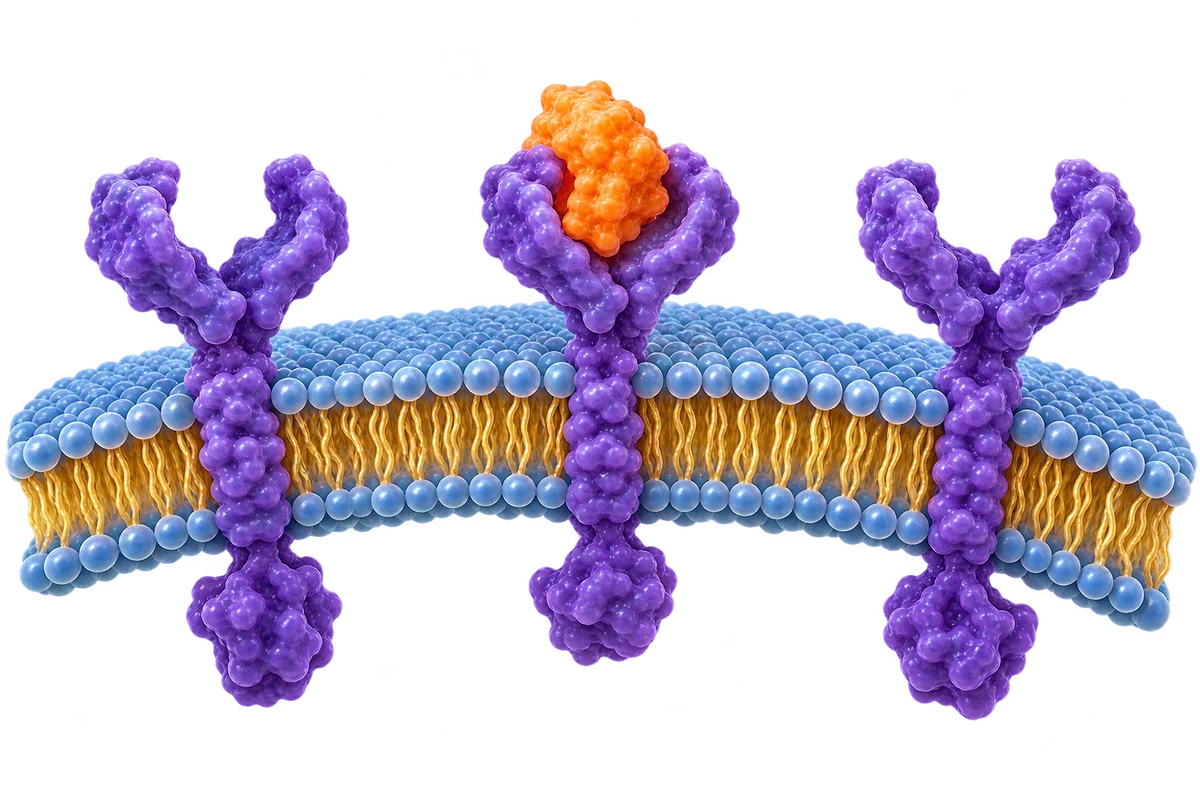
Peptides influence receptors and other signaling processes.
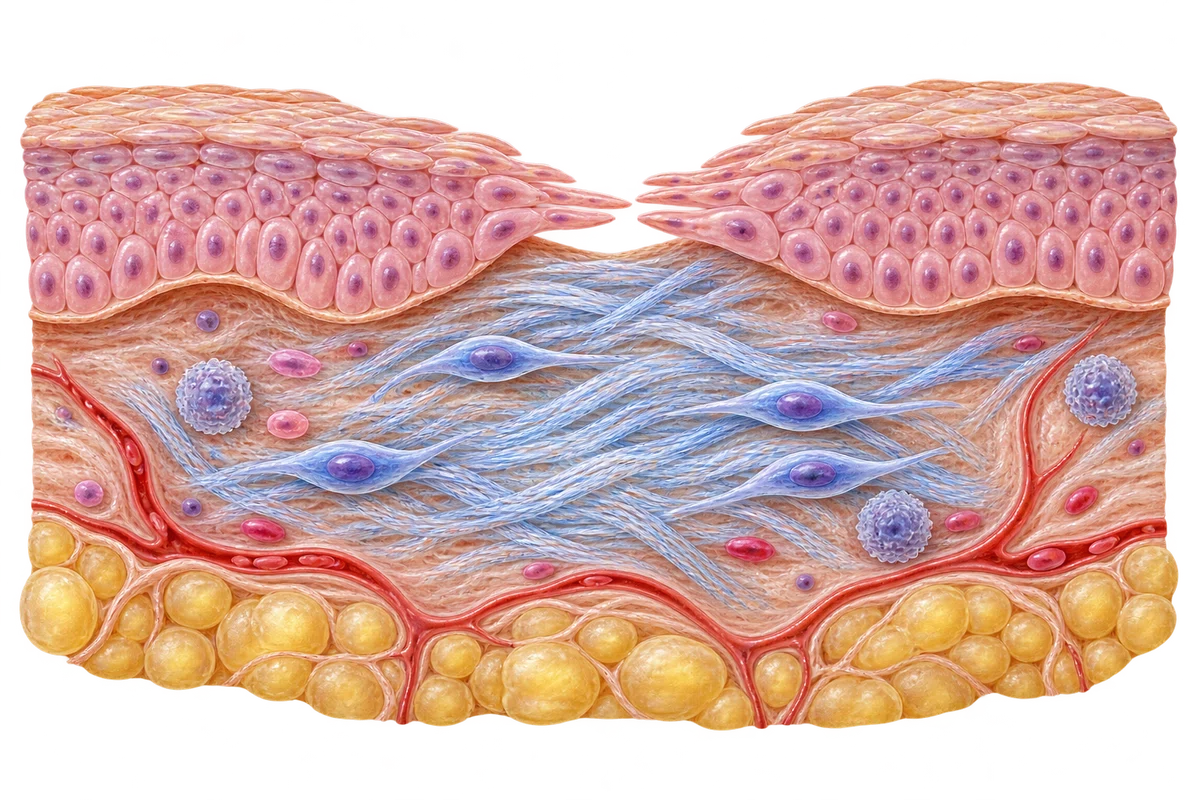
Some contribute to wound healing and barrier recovery.

Effects on antigen-presenting cells can influence later responses.
Too little, too much or misplaced peptide activity can contribute to disease. Altered expression is reported in inflammatory skin disorders and other conditions; effects are tissue- and peptide-specific.
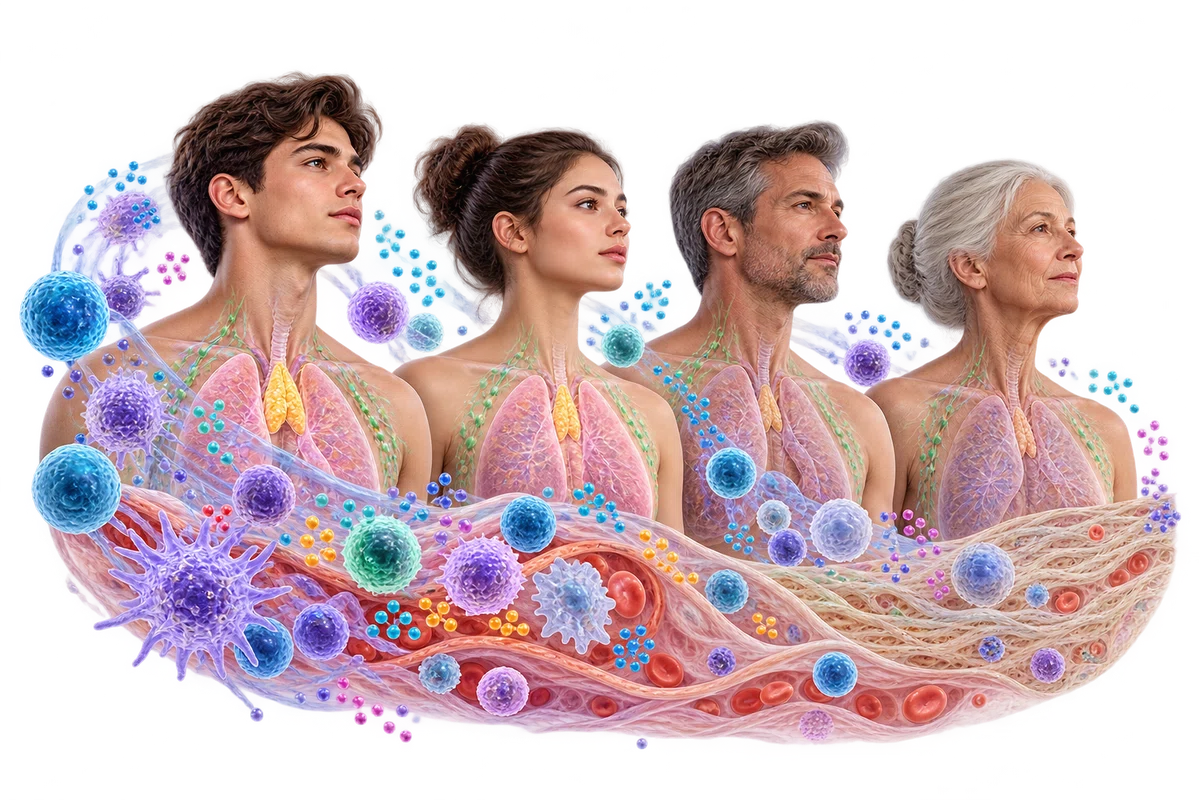
Aging can alter barrier integrity and immune function. Evidence for changes in individual AMPs varies with tissue and study; their production does not decline uniformly with age.
Learn more about aging & immunity →Researchers study peptide-based treatments and engineered derivatives. Clinical translation must address stability, delivery, selectivity, toxicity and activity in physiological conditions. These approaches remain peptide- and indication-specific.
Artwork illustrates the main mechanisms schematically; molecular sizes, colors and distances are not literal.