Where it is found
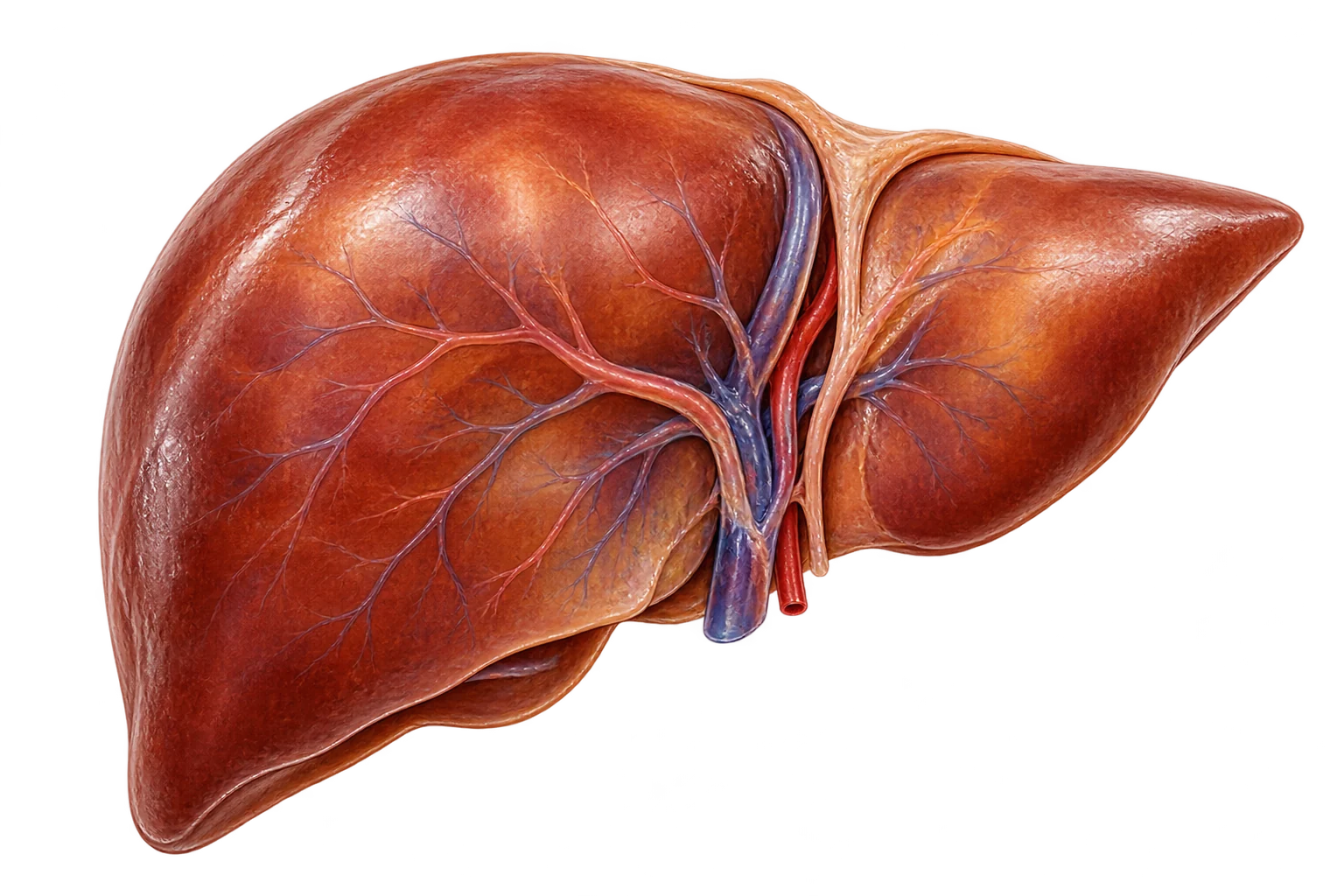
Many circulating components are liver-derived; immune and tissue cells also produce complement locally.
 Subscribe
The complement system is a network of circulating and cell-associated proteins that recognizes threats, marks targets for clearance, recruits immune cells and can damage susceptible microbes. Tight regulation helps protect healthy tissue.
Explore the complement system →Many circulating components are liver-derived; immune and tissue cells also produce complement locally.
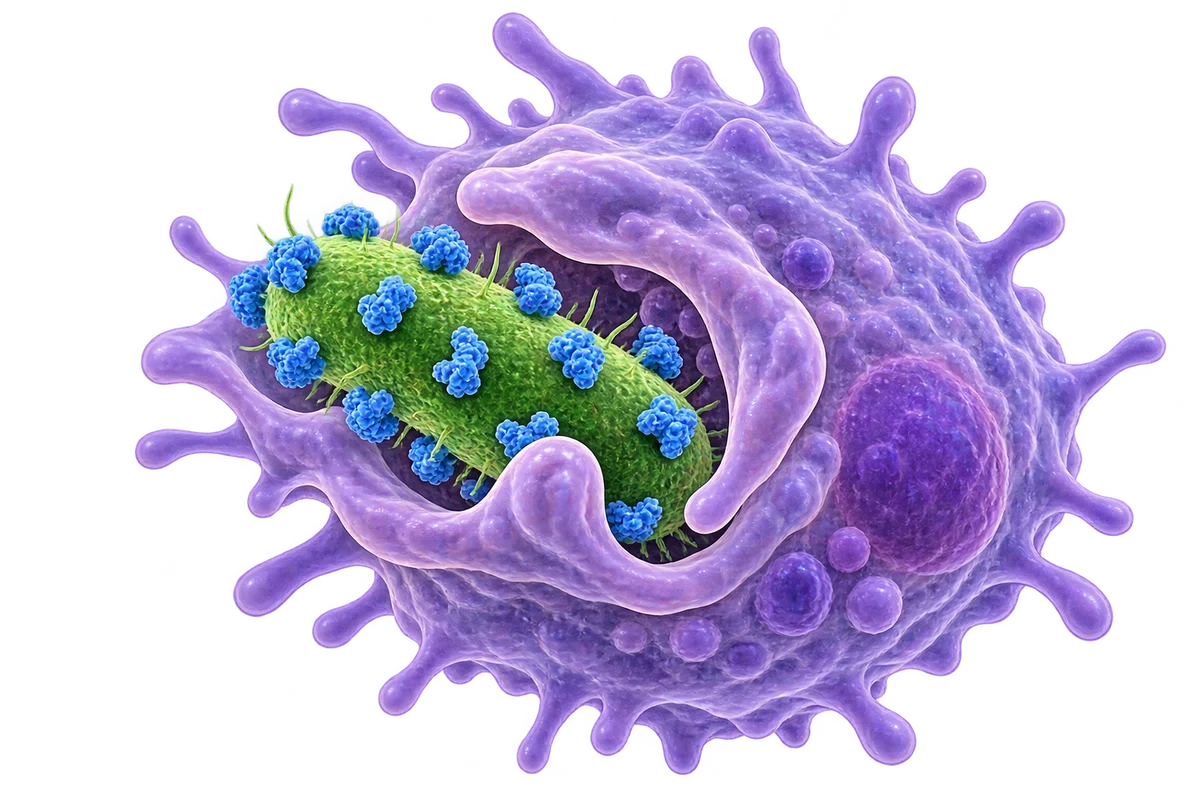
Tags targets, supports clearance and helps coordinate inflammation.
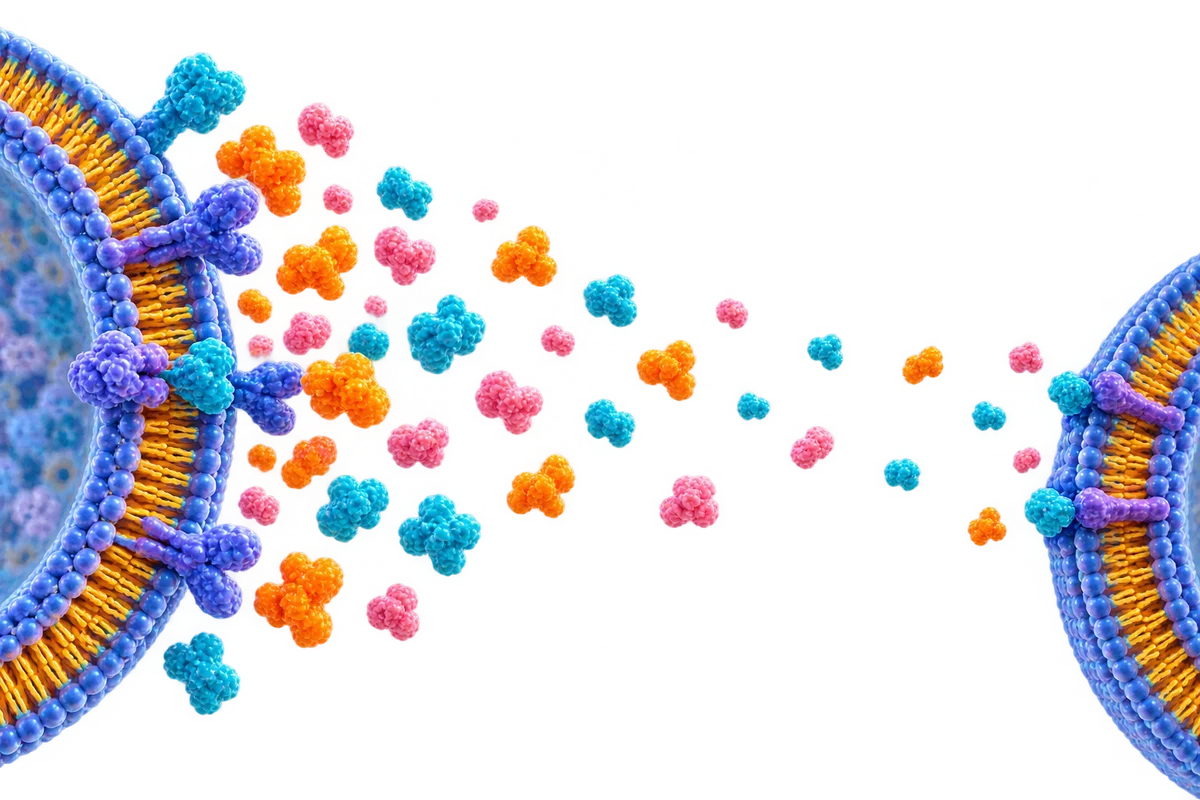
Pre-existing proteins allow rapid activation and amplification.
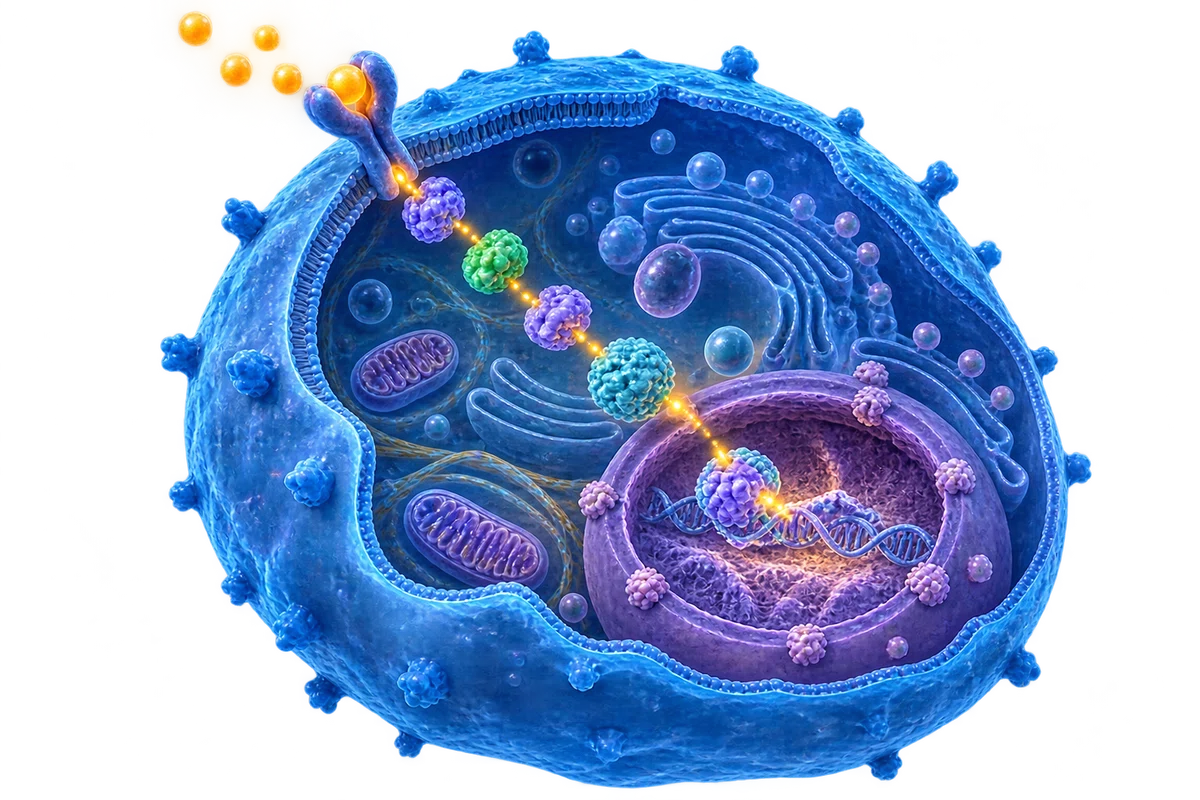
Healthy host surfaces need protection from inappropriate activation.
Different triggers converge on C3 cleavage and the common downstream cascade.
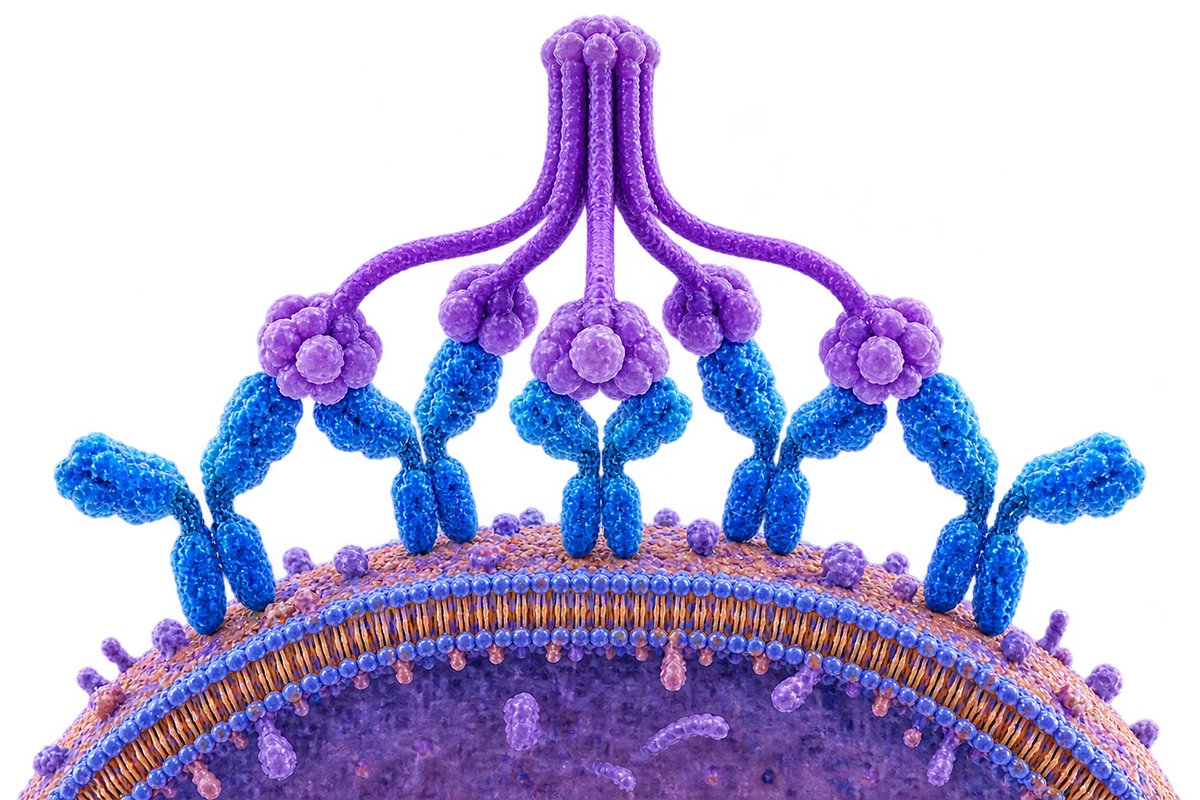
C1 can recognize clustered antibodies bound to targets and certain other recognition molecules.
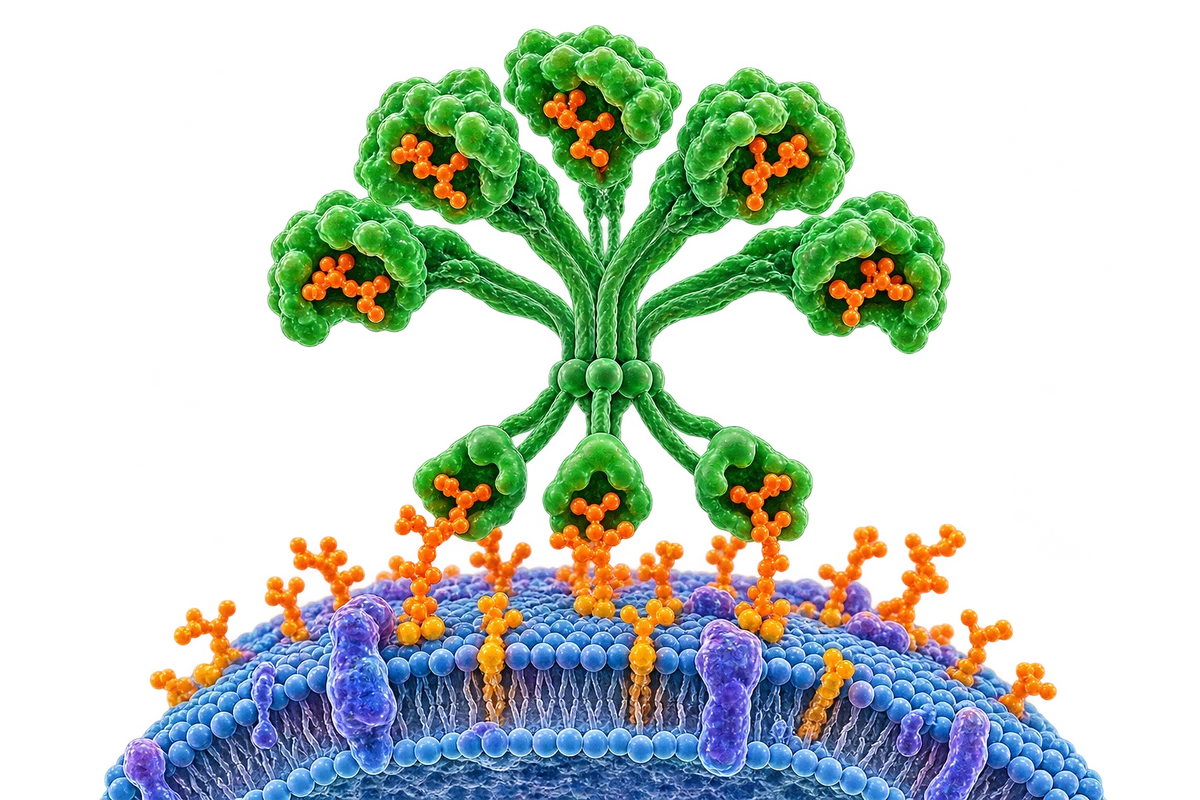
Mannose-binding lectin or ficolins recognize microbial carbohydrate patterns.
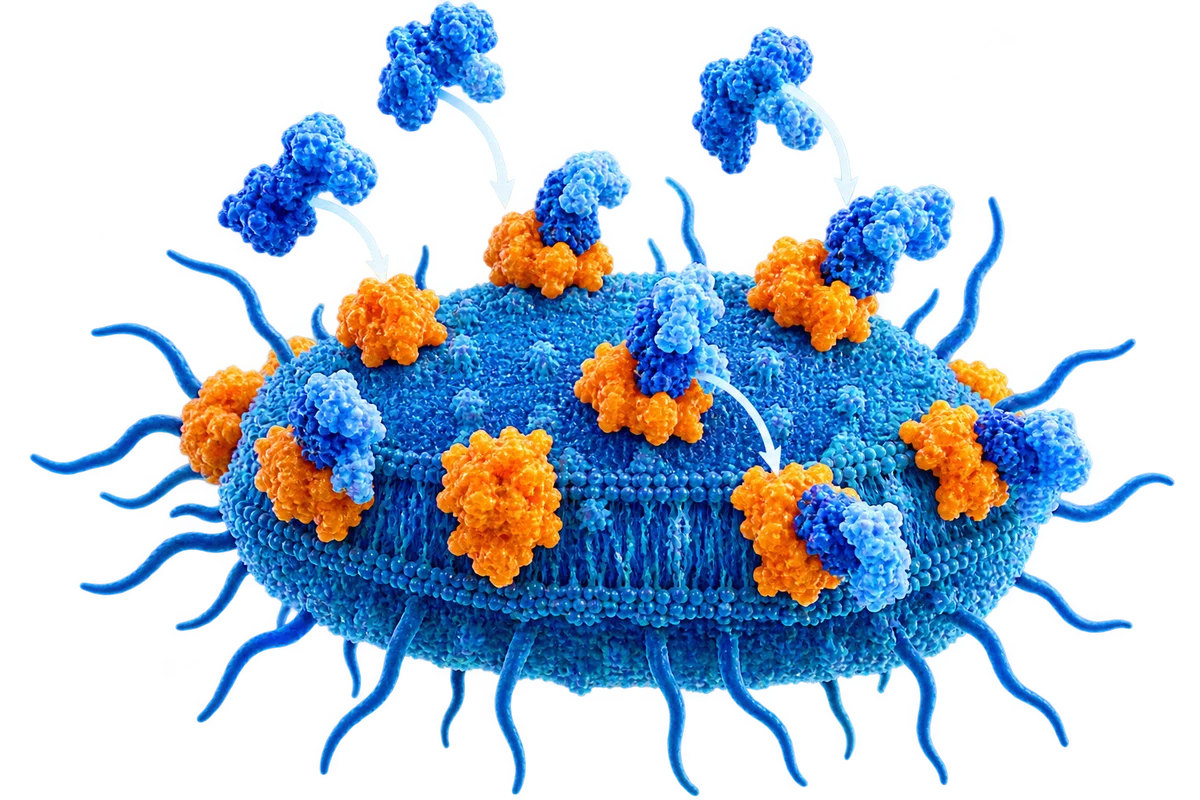
Basal C3 activation and surface-bound complexes amplify responses on suitable targets.
C3b and its fragments coat targets, helping phagocytes recognize and ingest them.

C3a and especially C5a influence inflammation and leukocyte responses.
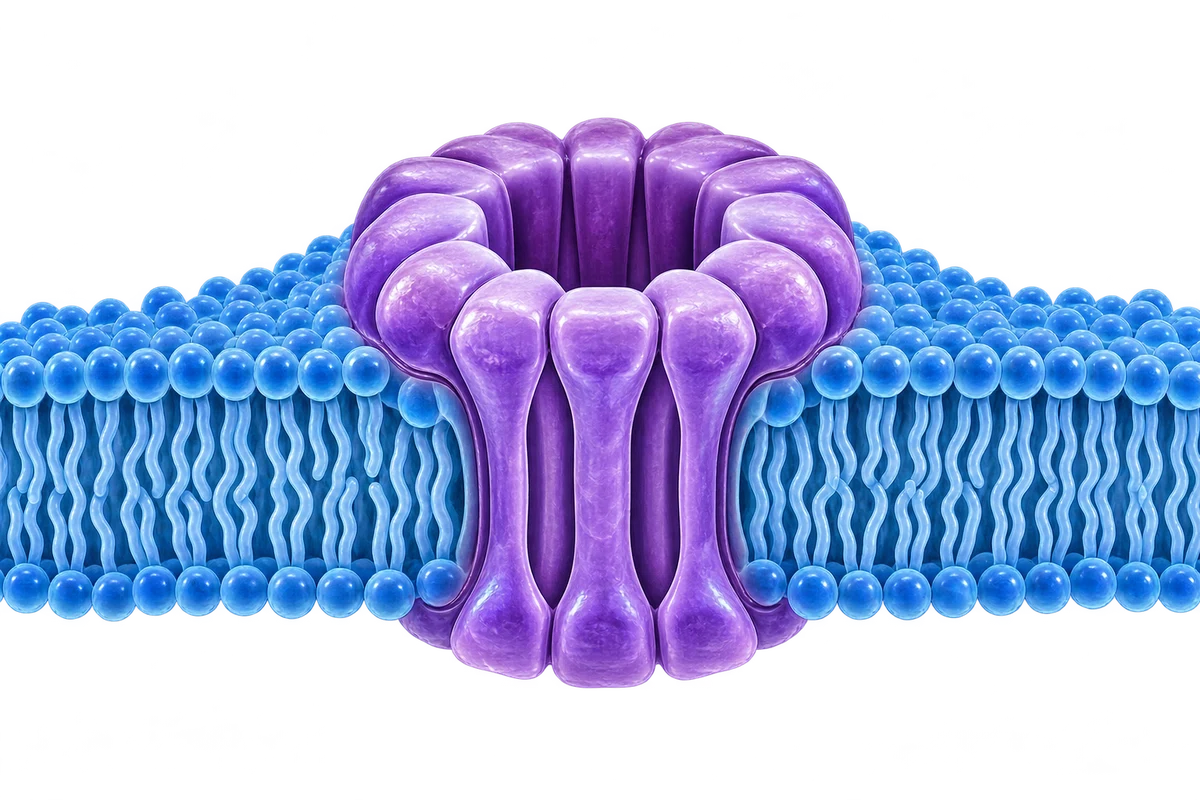
C5b–9 forms membrane pores that can lyse susceptible targets.
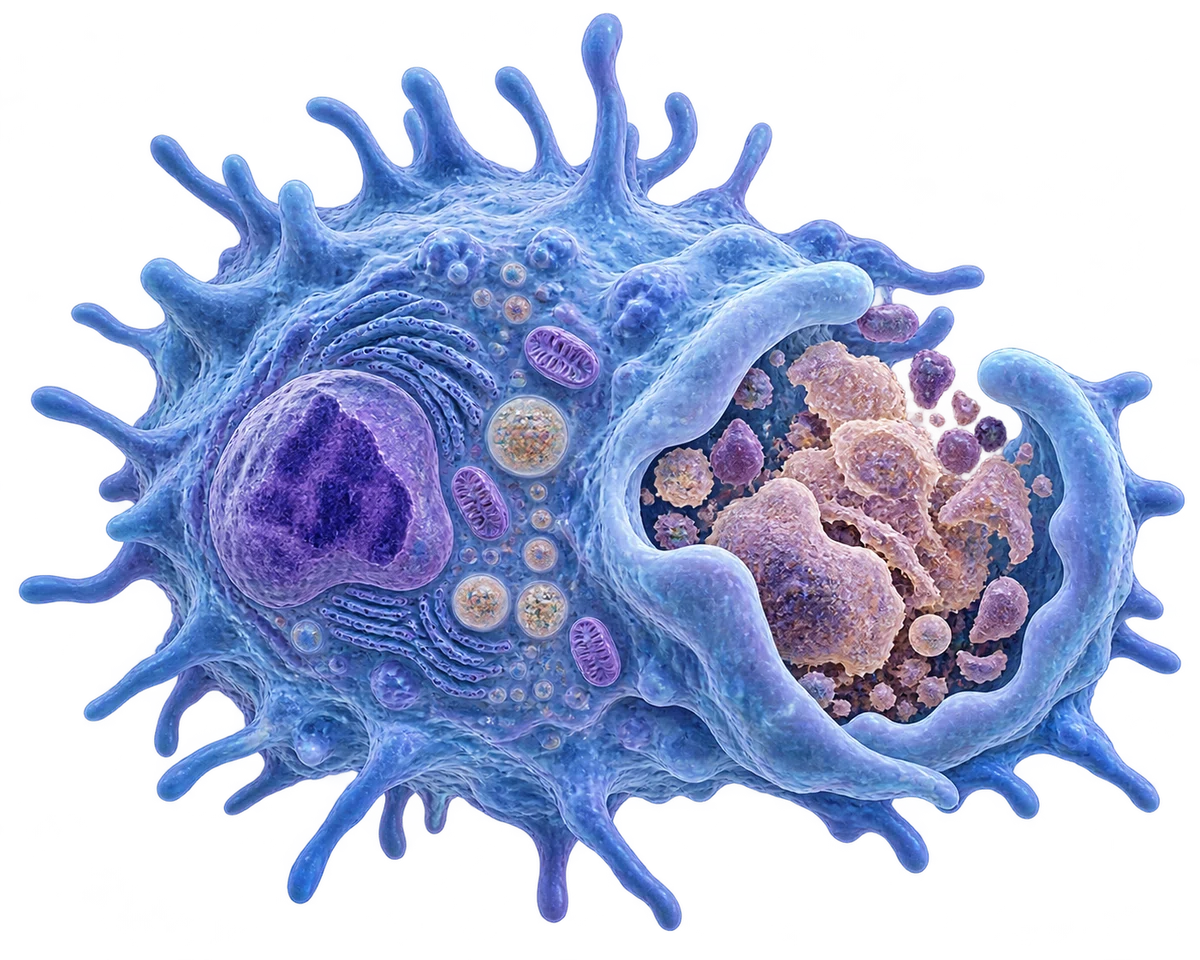
Complement supports disposal of immune complexes and cellular debris.
Recognition initiates one or more activation pathways.
Convertases generate additional active fragments.
C3 fragments mark targets; anaphylatoxins influence recruitment.
C5 cleavage generates C5a and C5b.
Phagocytosis and terminal complexes help clear targets.
Soluble and membrane-bound regulators limit activation on healthy host cells.
Complement fragments can enhance B-cell responses through complement receptors. Complement also influences antigen handling and immune-cell signaling, linking rapid recognition with adaptive responses.
Can contribute to tissue injury in conditions such as atypical hemolytic uremic syndrome and complement-mediated kidney disease.
Can increase susceptibility to selected infections. Terminal-component deficiency particularly raises risk from Neisseria infections.
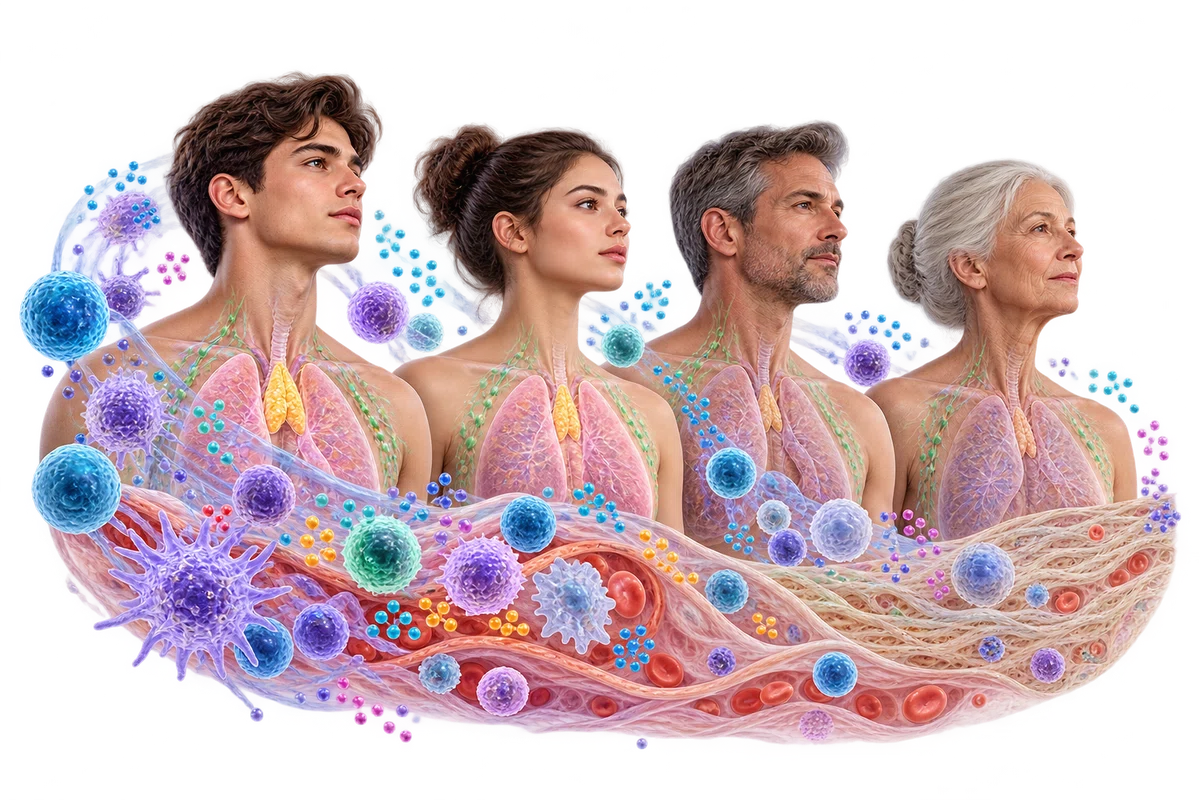
Complement production, activation and regulation can change with age and disease. Effects depend on tissue and context; there is no single uniform age-related change.
Learn more about aging & immunity →Artwork illustrates the main mechanisms schematically; molecular sizes, colors and distances are not literal.