1. Capture antigen
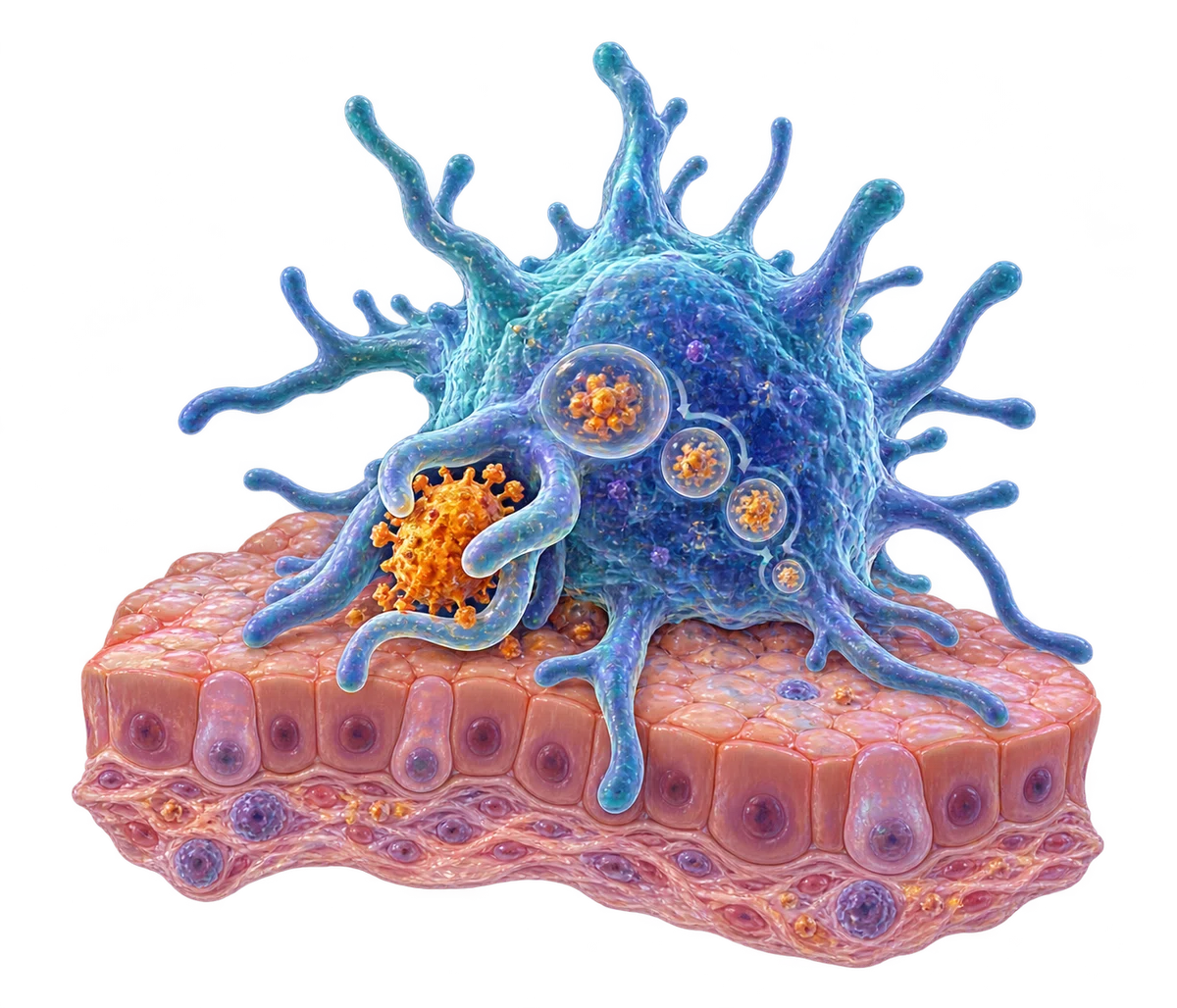
Cells take up microbial material, proteins and cellular fragments from their environment.
 Subscribe
IMMUNE CELLS
Dendritic cells connect local detection of microbes and tissue signals with adaptive immune responses. They capture and process antigens, present peptides to T cells and provide signals that help determine the response. Different populations specialize in T-cell priming, antiviral signaling and immune regulation.
Back to all innate immune cells →Dendritic cells are specialized antigen-presenting immune cells found in tissues, blood and lymphoid organs. Conventional dendritic cells capture material and display peptide–MHC complexes, together with co-stimulatory signals that can activate naive T cells.
The dendritic cell system contains distinct populations. Conventional type 1 and type 2 cells have complementary roles in T-cell responses; plasmacytoid dendritic cells are particularly important sources of type I interferons. Local signals shape whether these cells promote defense or contribute to tolerance.
Many conventional dendritic cells link tissue surveillance with lymph-node responses.
Cells take up microbial material, proteins and cellular fragments from their environment.
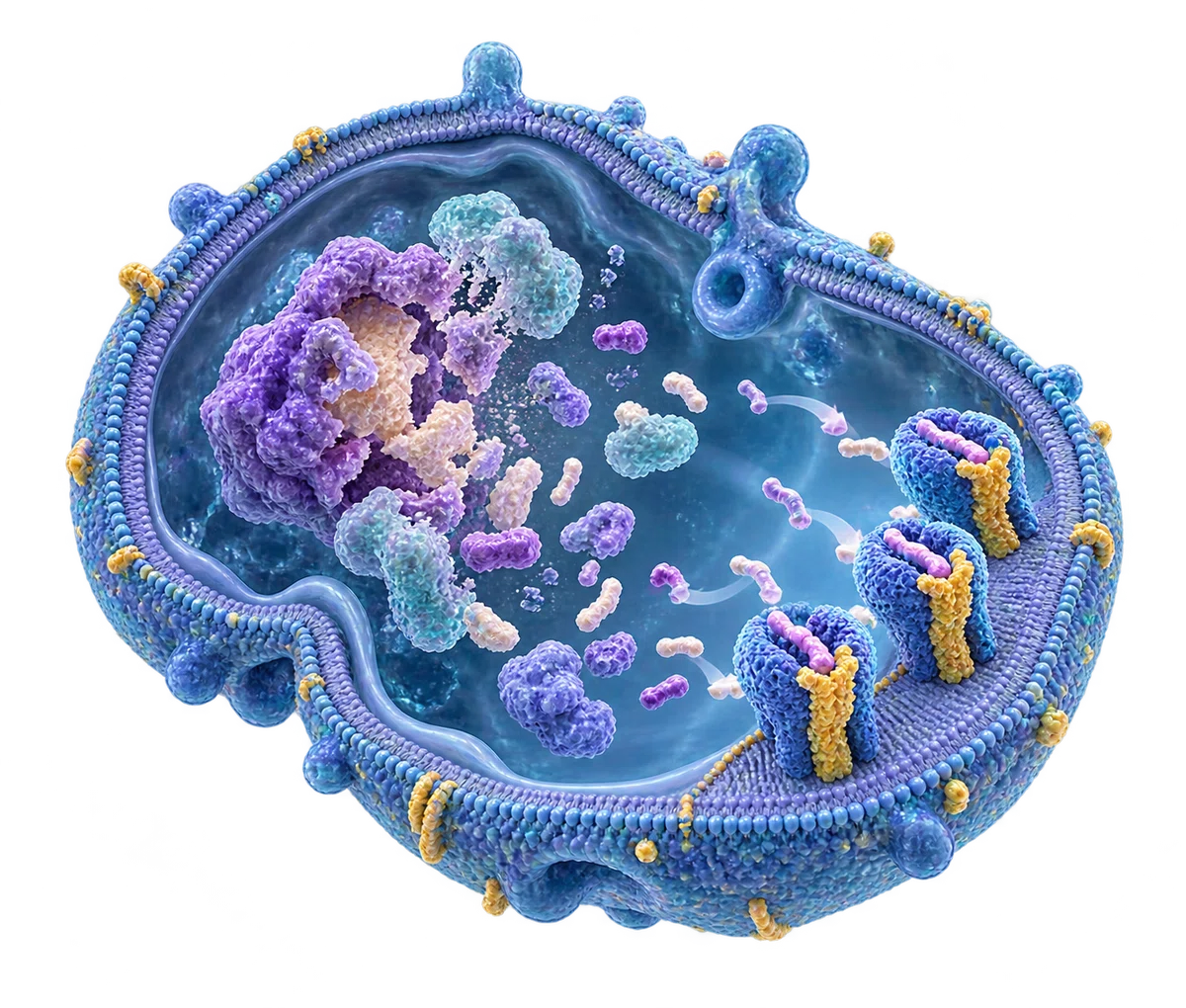
Material is processed into peptides that can be displayed in MHC molecules.

Activated migratory cells can travel through lymphatic vessels to draining lymph nodes.
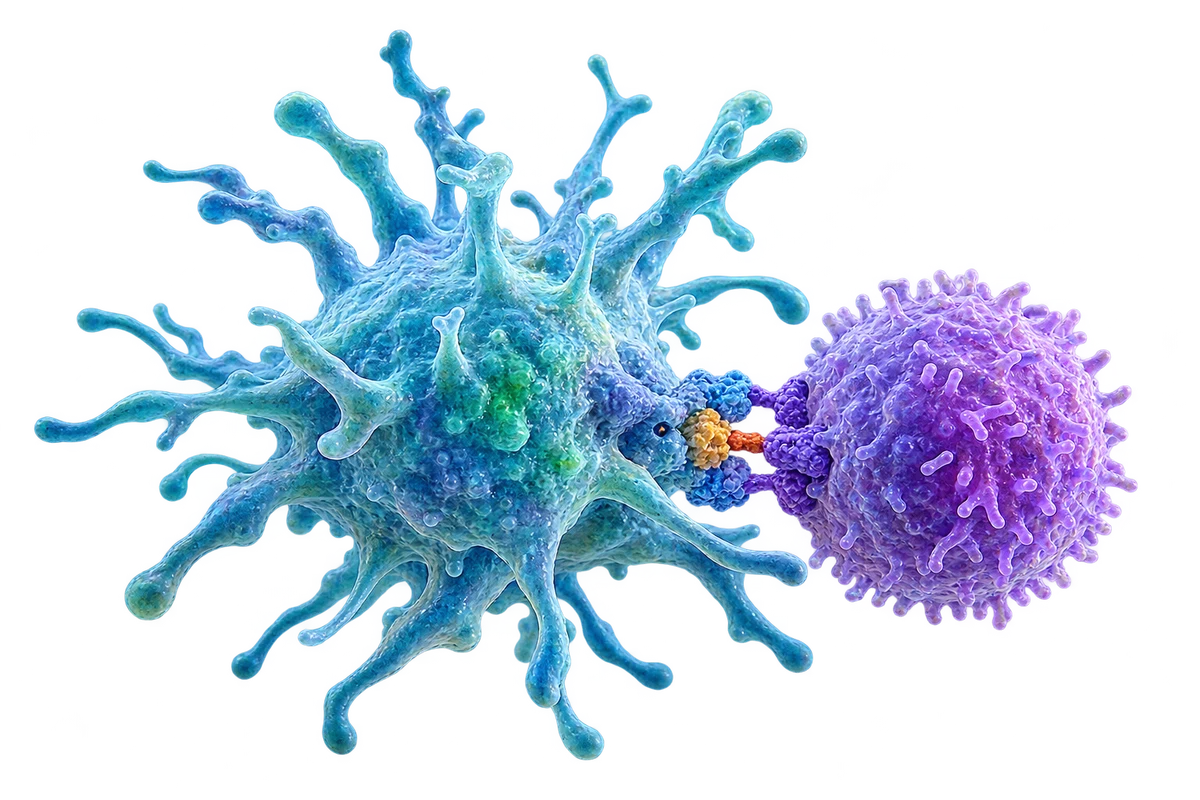
Peptide–MHC recognition, co-stimulation and cytokines help guide T-cell activation.
Specialized cellular functions contribute to coordinated immunity.
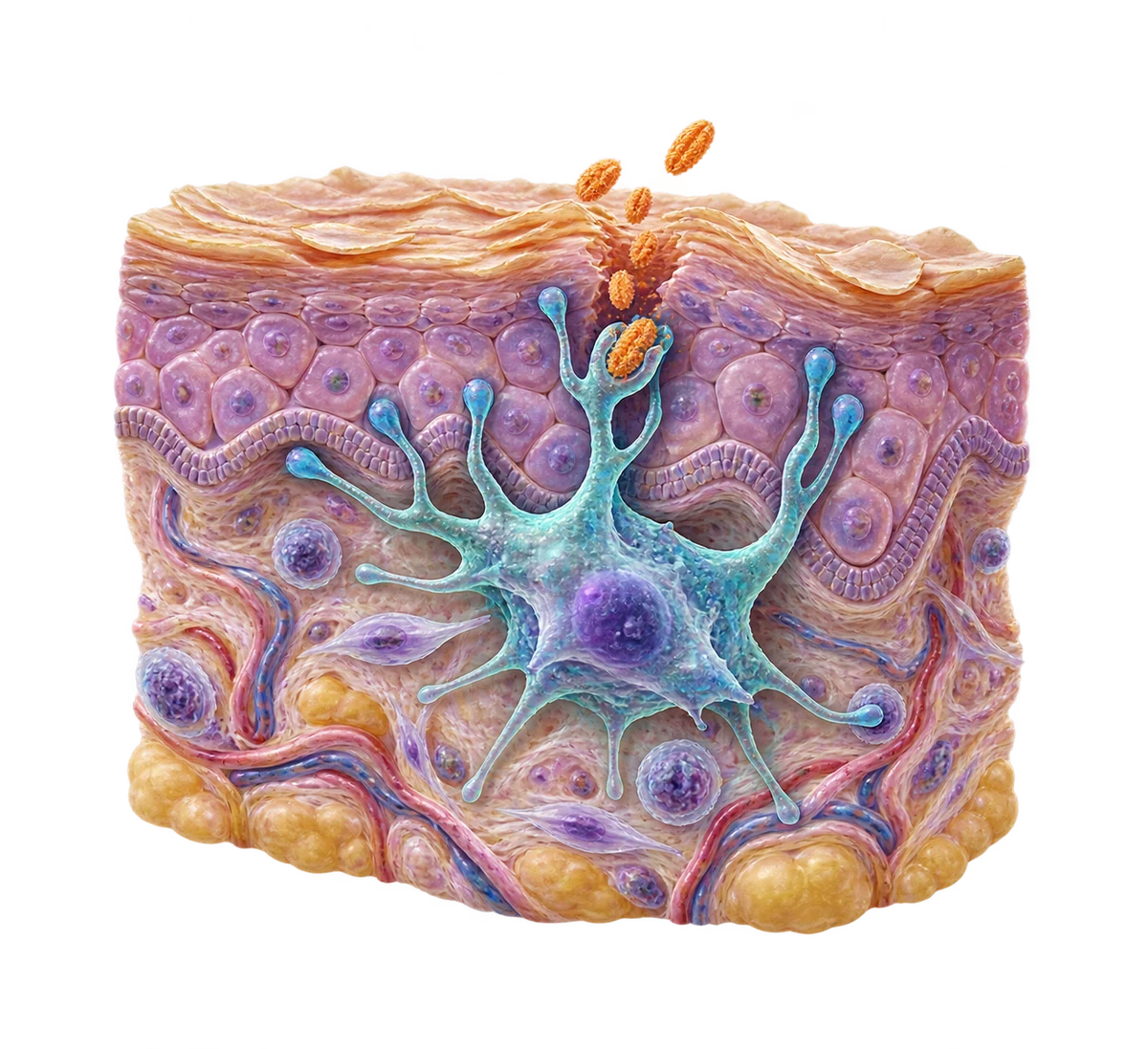
Pattern-recognition receptors and tissue cues help cells assess infection and injury.
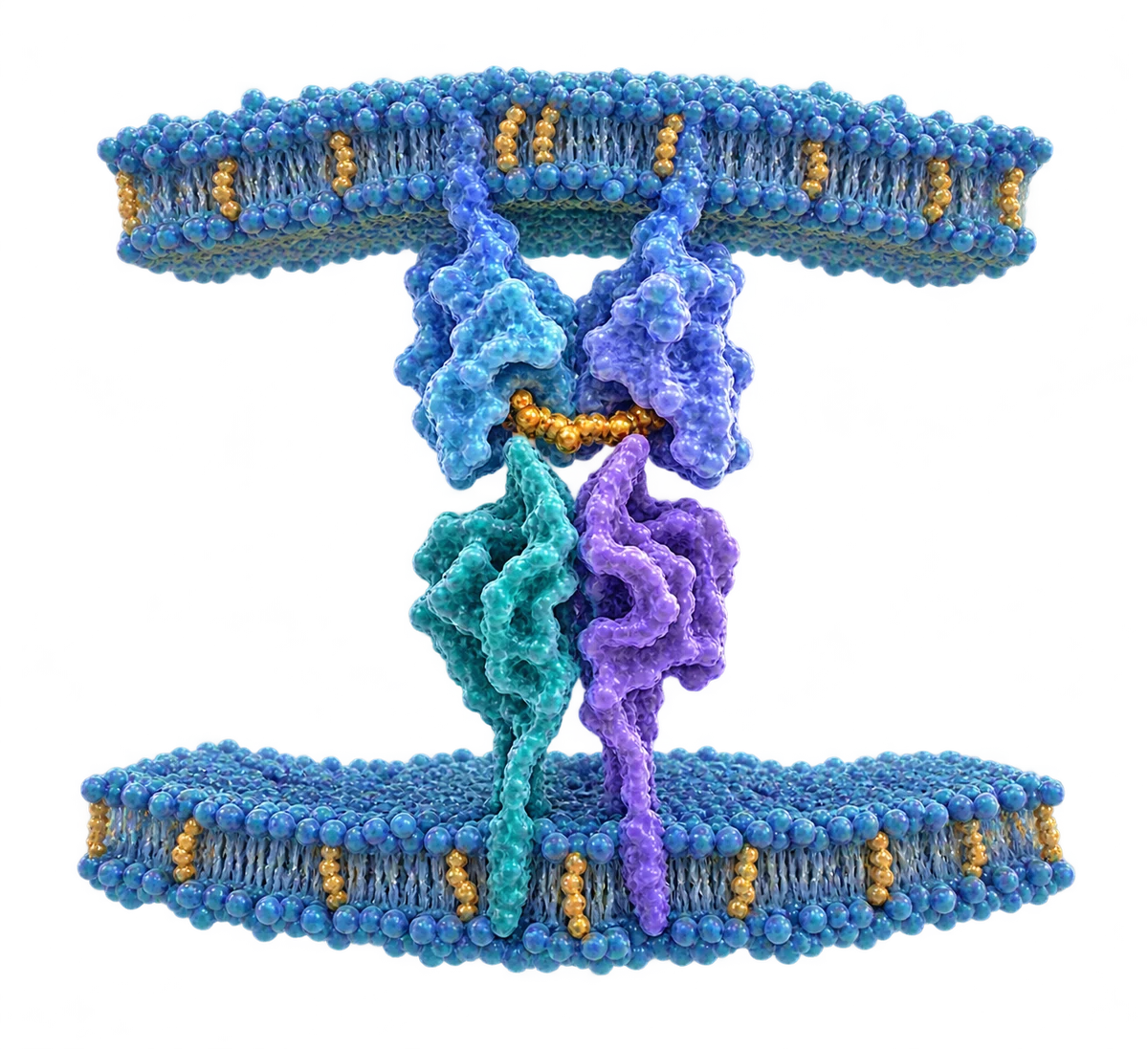
Peptide–MHC complexes allow T cells to recognize material sampled from tissues.

Cytokines and co-stimulatory signals influence the type and strength of T-cell responses.
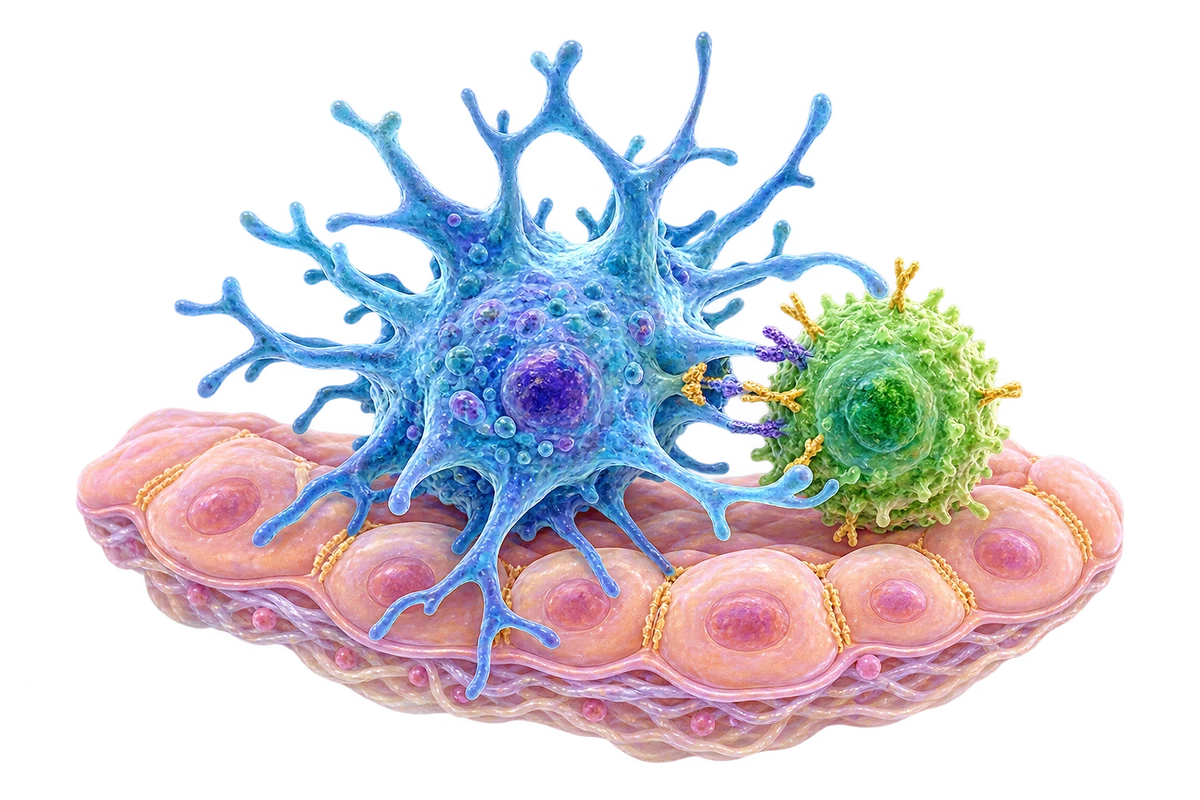
In suitable settings, dendritic cells help maintain unresponsiveness to harmless or self antigens.

Age-associated changes can affect antigen handling, signaling and T-cell coordination.
Artwork illustrates the main mechanisms schematically; molecular sizes, colors and distances are not literal.