1. Develop in marrow
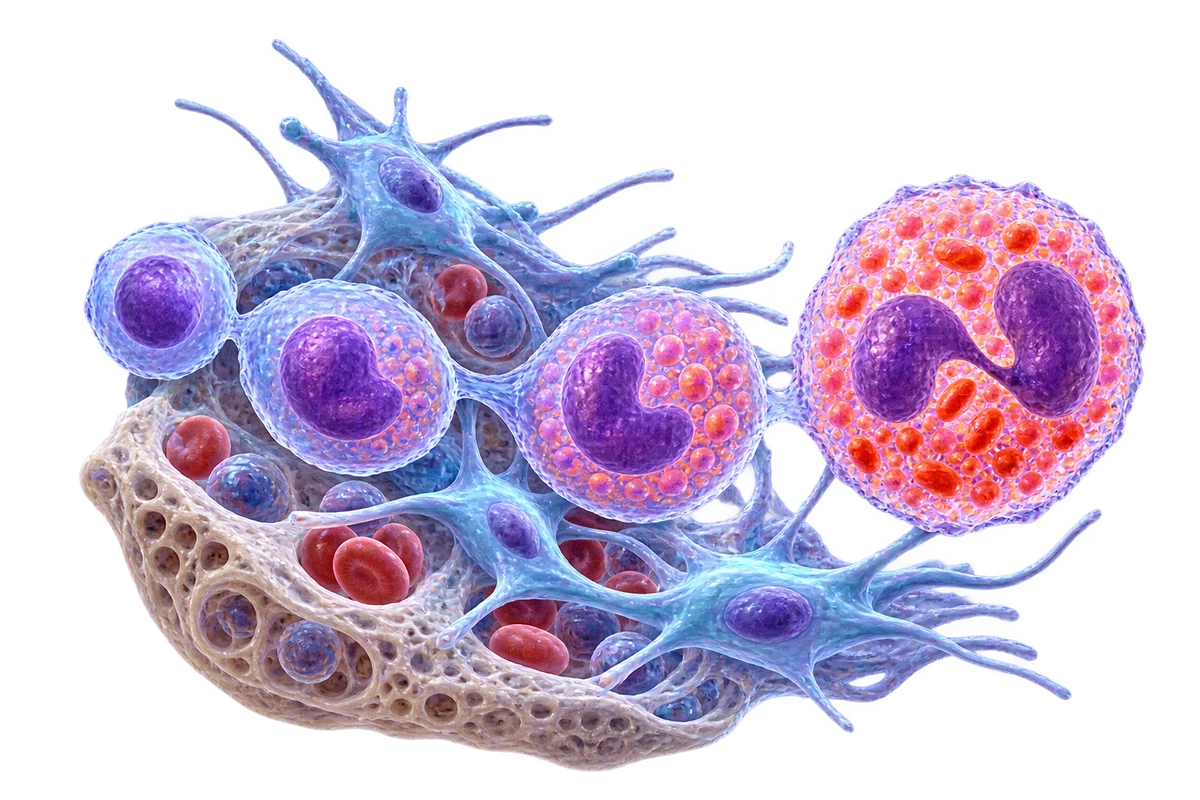
Eosinophil precursors mature in bone marrow, supported by signals including IL-5.
 Subscribe
IMMUNE CELLS
Eosinophils are granulocytes with a bilobed nucleus and distinctive protein-rich granules. They participate in type 2 immune responses, interact with parasites and help regulate tissue environments. When their responses are excessive or persistent, they can contribute to inflammation and tissue injury.
Back to all innate immune cells →Eosinophils develop in the bone marrow and circulate in blood before entering tissues. Their orange-red staining granules contain proteins such as major basic protein and eosinophil peroxidase. IL-5 is an important signal for their development, survival and activation.
Many eosinophils reside in tissues, particularly the gastrointestinal tract. They release cytokines, lipid mediators and granule contents, with effects that depend on location and activation. They contribute to some allergic diseases, but their roles extend beyond allergy.
Development, recruitment and local activation shape eosinophil activity.
Eosinophil precursors mature in bone marrow, supported by signals including IL-5.
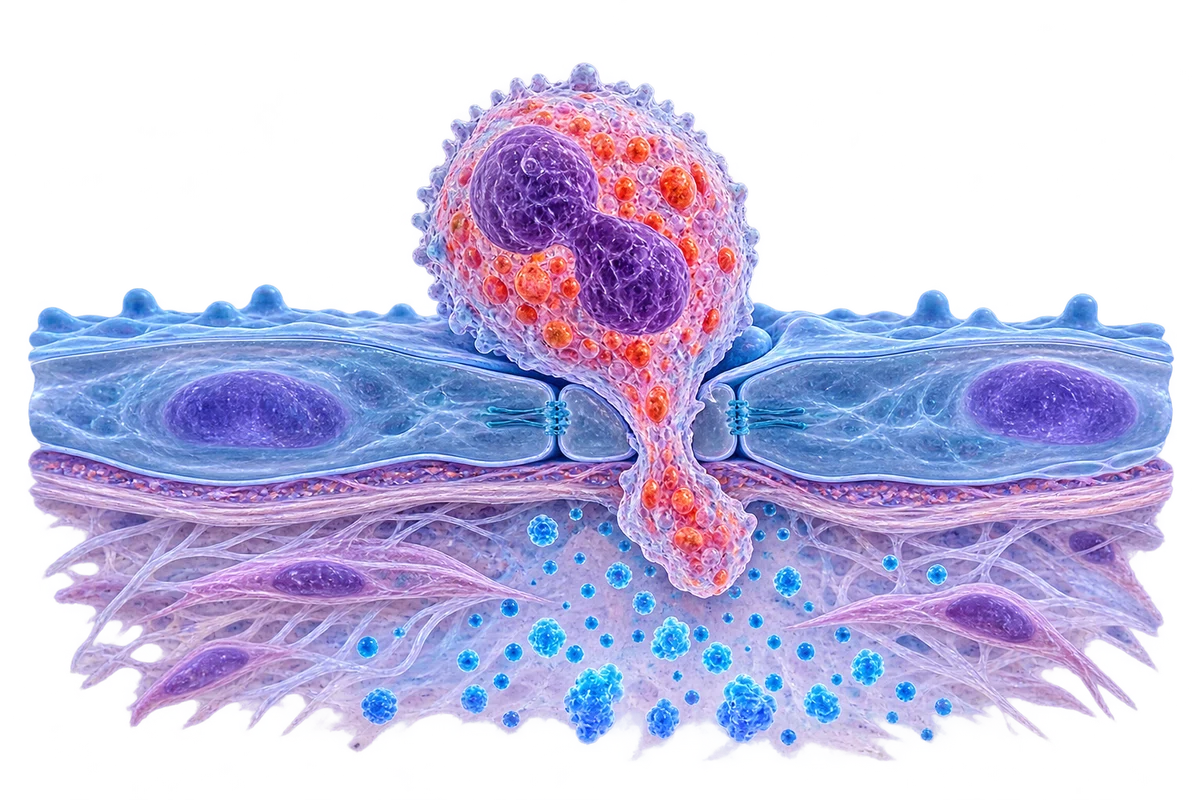
Chemokines and adhesion molecules guide recruitment from blood into tissues.
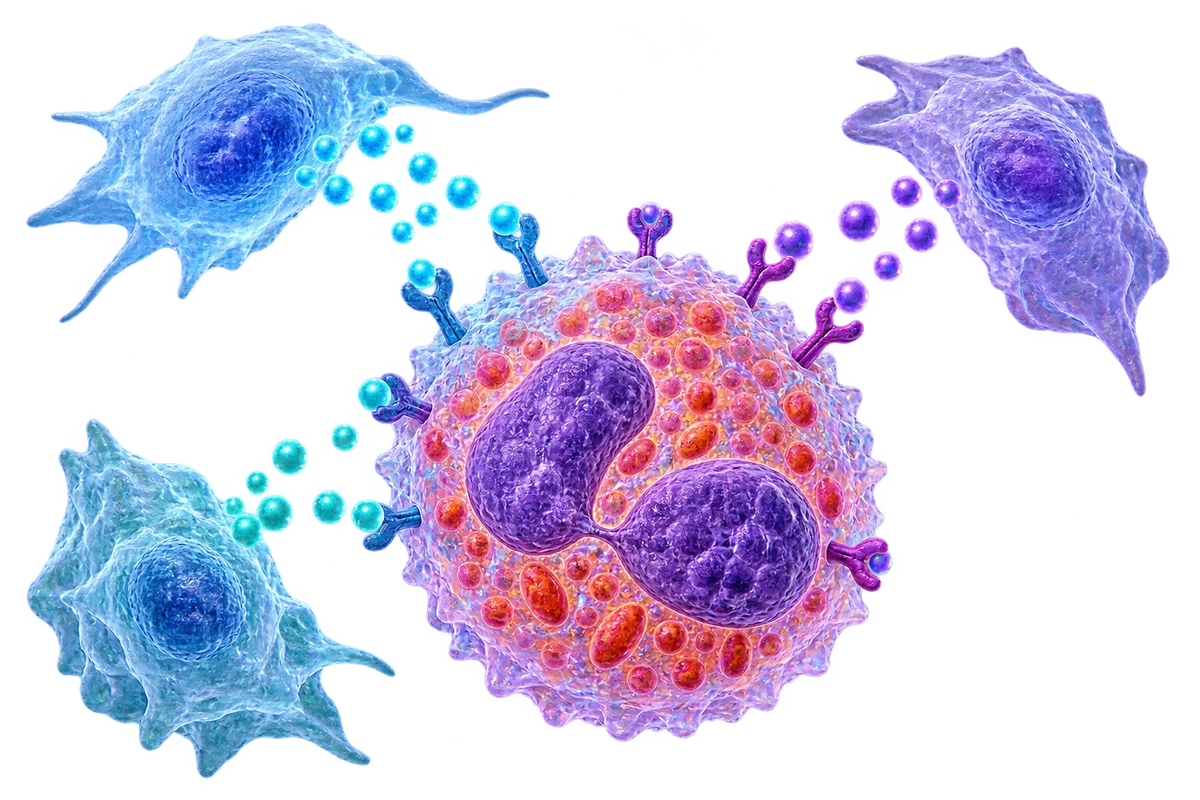
Cytokines, receptors and the local environment shape survival and activation.
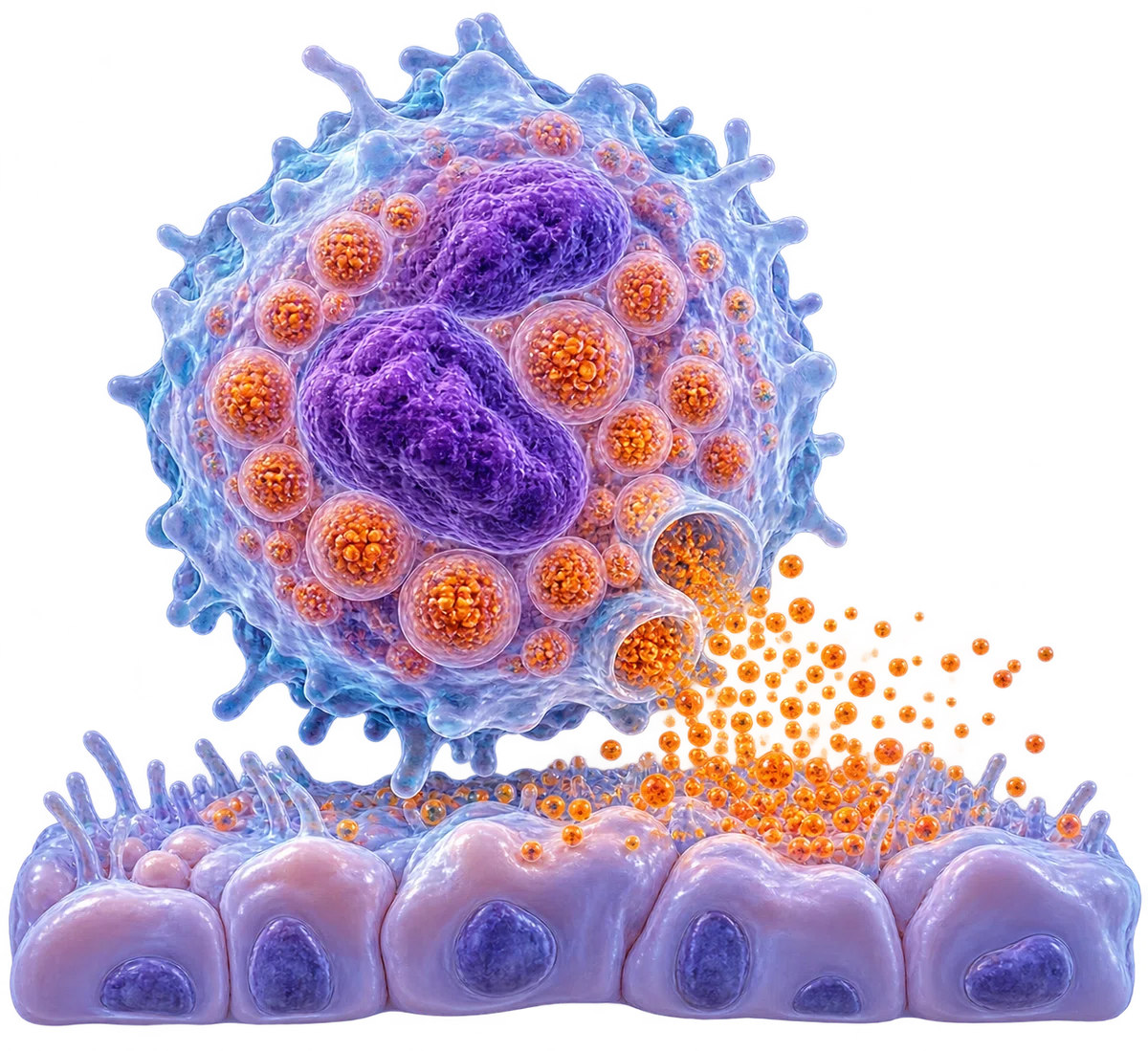
Cells selectively release granule proteins, cytokines and lipid mediators.
Specialized cellular functions contribute to coordinated immunity.
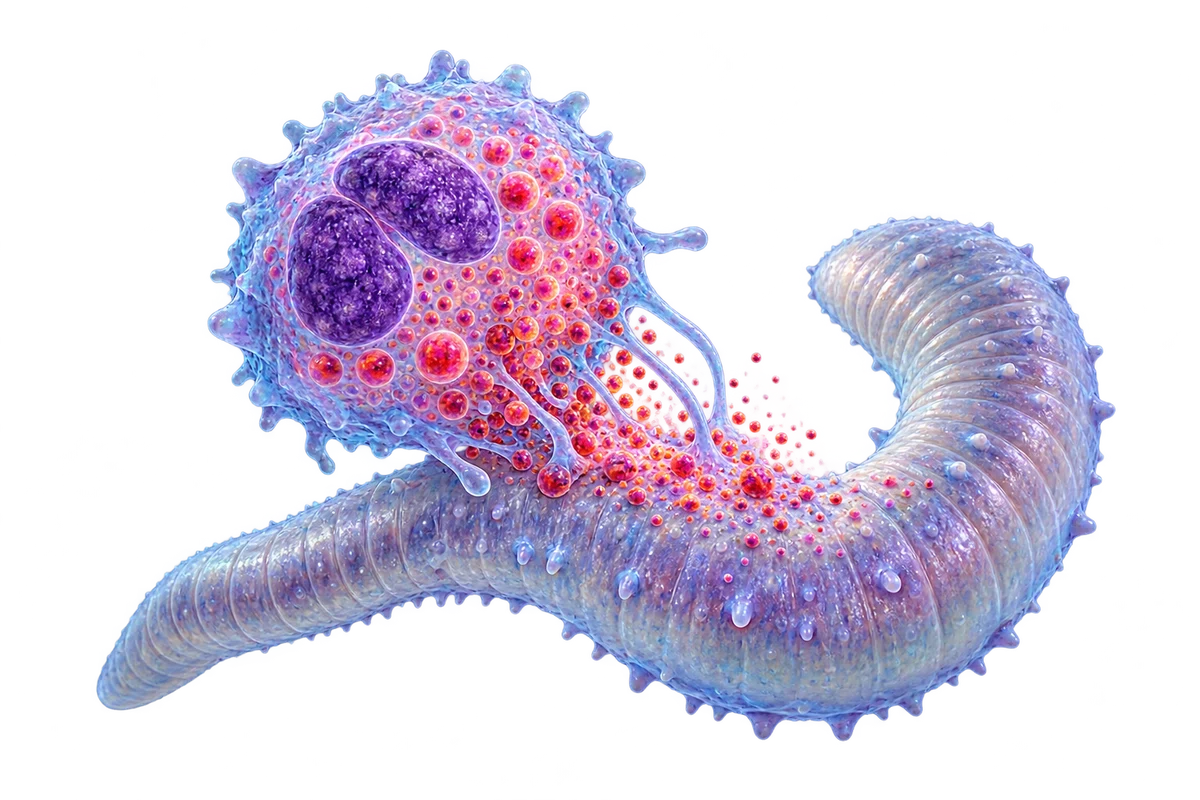
Eosinophils interact with some helminths; effects differ with parasite and setting.
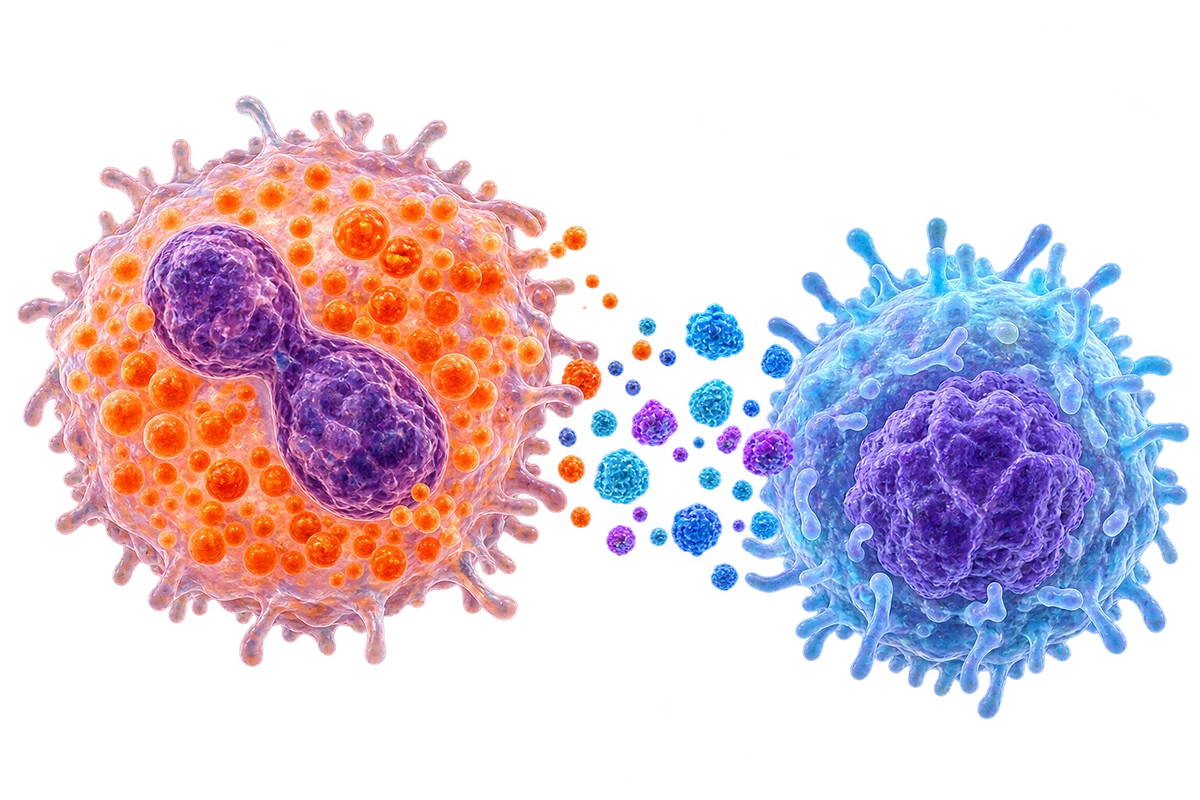
Cytokines and other mediators influence nearby immune and tissue cells.
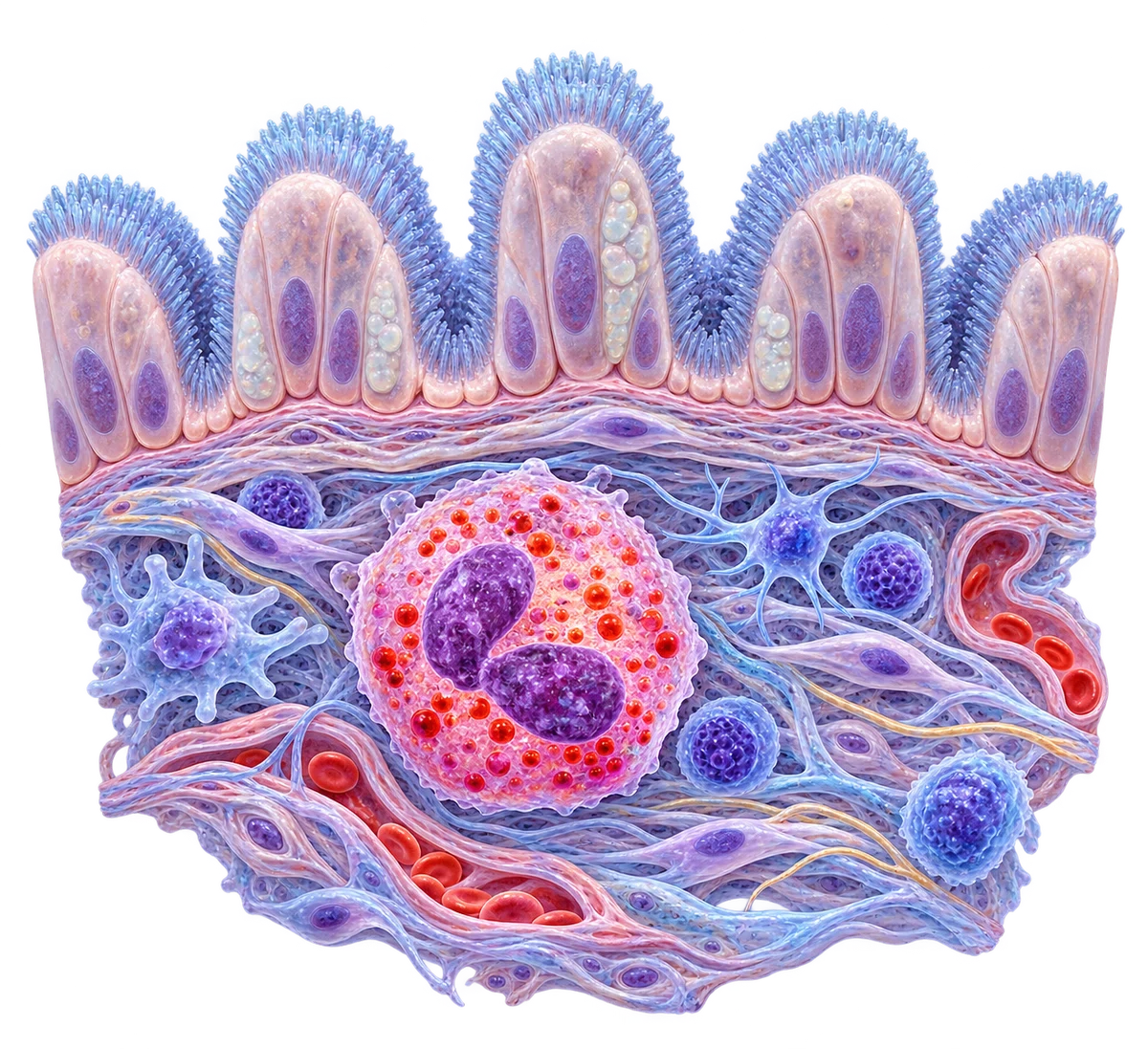
Tissue-adapted eosinophils participate in regulation, especially at mucosal sites.
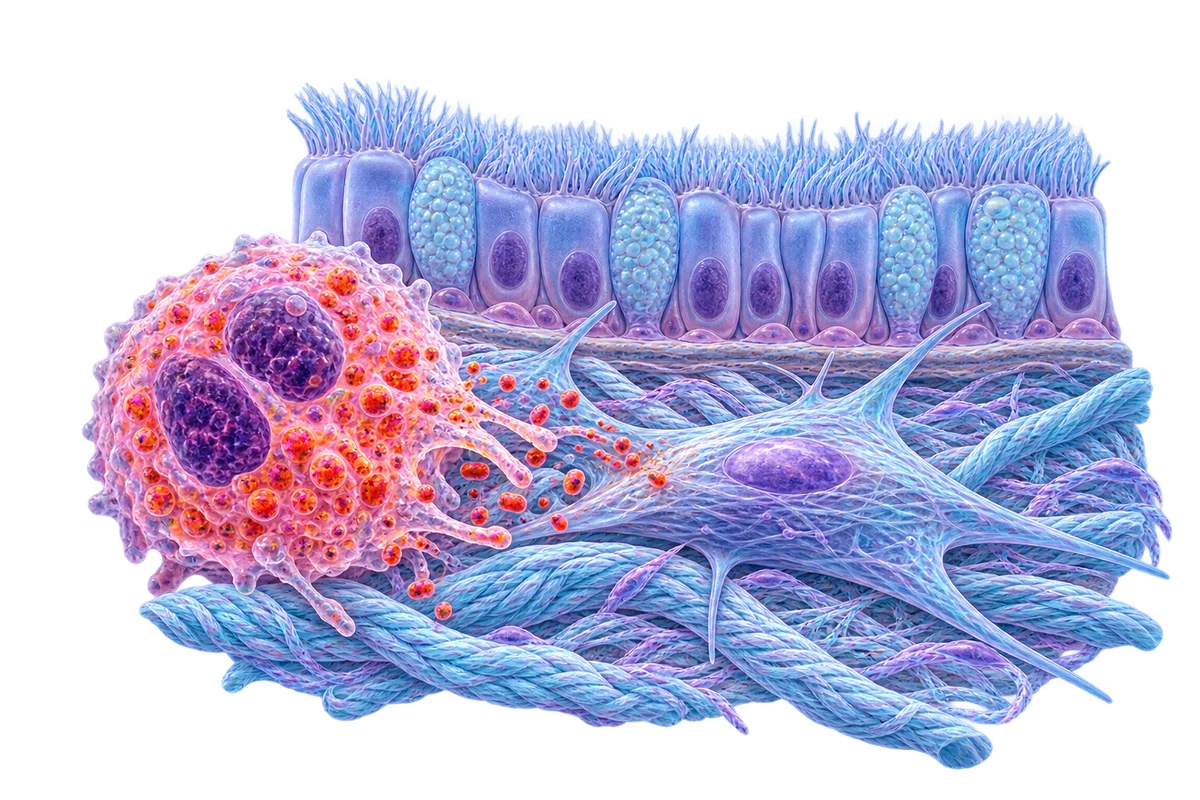
Interactions with epithelial and stromal cells can affect repair and matrix turnover.

Age-associated effects vary across eosinophil functions and clinical contexts.
Artwork illustrates the main mechanisms schematically; molecular sizes, colors and distances are not literal.