1. Sense local signals
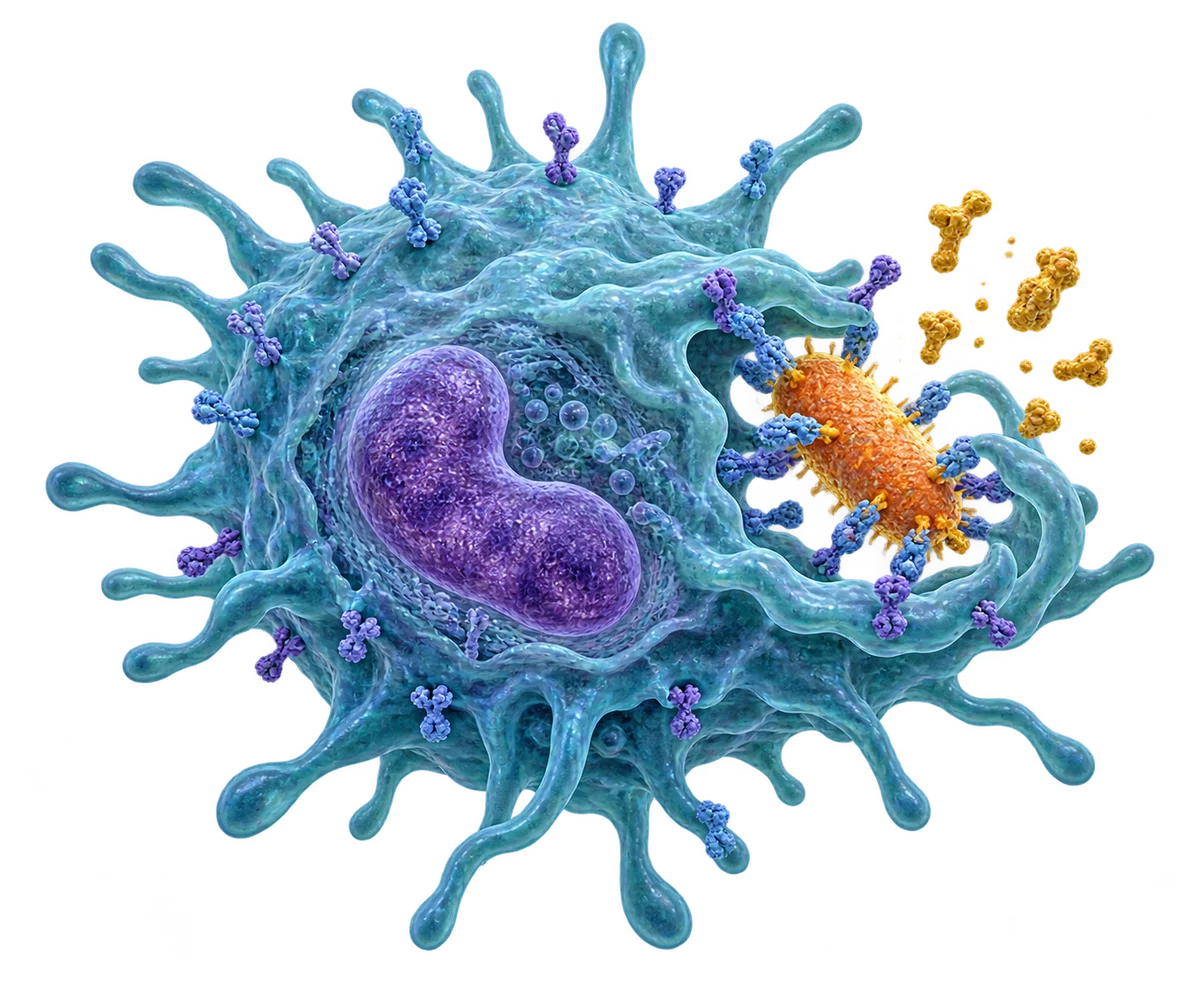
Receptors recognize microbial patterns, damaged-cell material and signals from nearby tissues.
 Subscribe
IMMUNE CELLS
Monocytes and macrophages are related innate immune cells with diverse roles in host defense and tissue maintenance. They detect danger, engulf microbes and damaged cells, coordinate inflammation and support repair. Their origins and functions depend on cell state and tissue context.
Back to all innate immune cells →Monocytes circulate in blood and can enter tissues, where some differentiate into macrophages. Macrophages are tissue-adapted phagocytes with abundant lysosomes and flexible shapes suited to sensing, engulfing and processing material.
Many tissue-resident macrophages are established before birth and can maintain themselves through local self-renewal. Others are replenished by monocytes, especially during inflammation. Macrophage behavior spans many functional states rather than two rigid categories.
Phagocytosis and signaling connect microbial defense with tissue maintenance.
Receptors recognize microbial patterns, damaged-cell material and signals from nearby tissues.
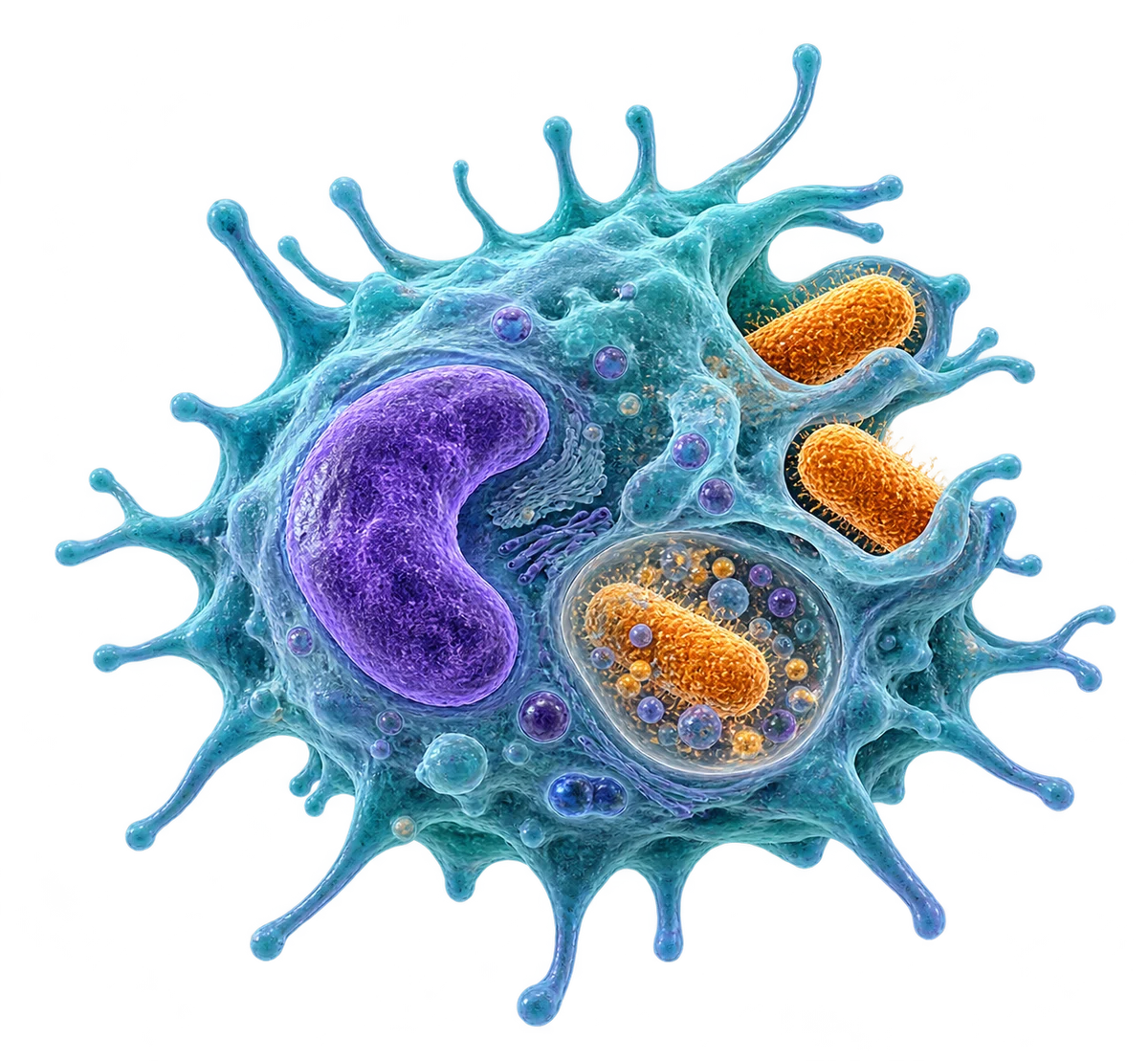
The cell extends pseudopods around a target, enclosing it within a phagosome.

Phagosomes interact with lysosomes, allowing enzymes and other mechanisms to break down material.
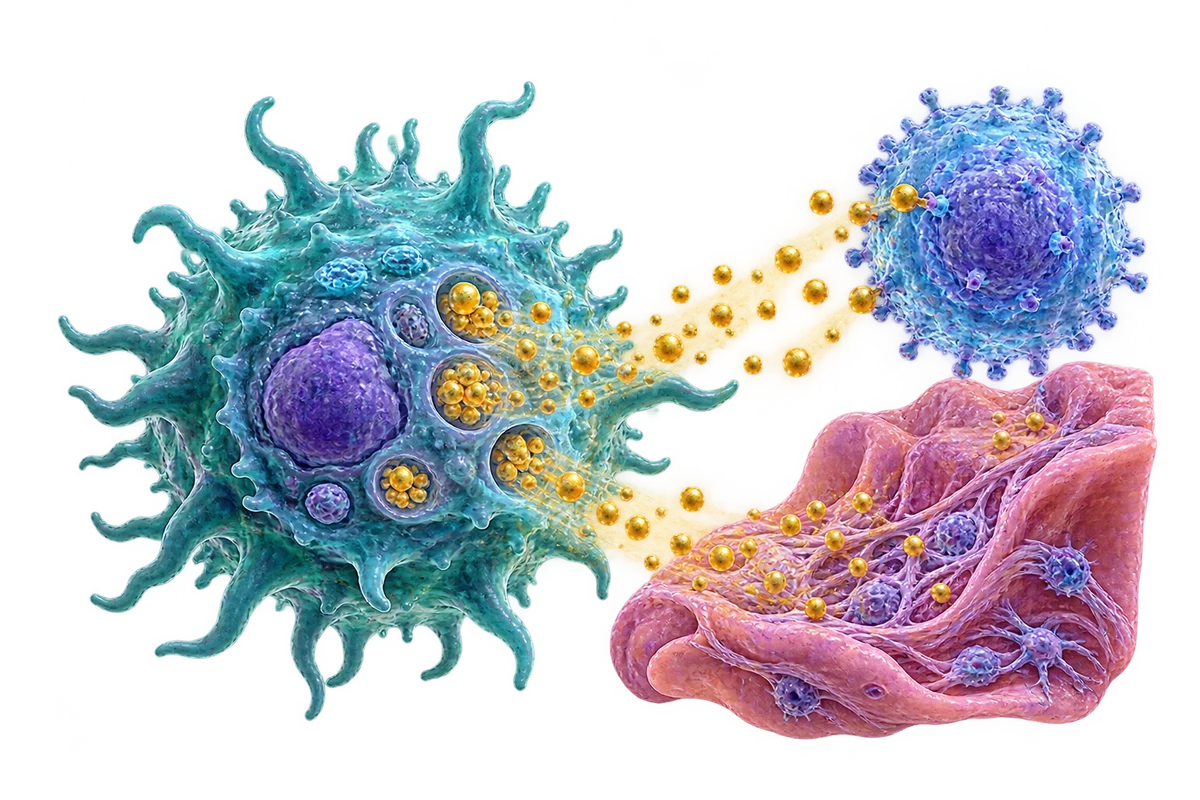
Cytokines, chemokines and antigen presentation help shape the activity of other immune cells.
Specialized cellular functions contribute to coordinated immunity.
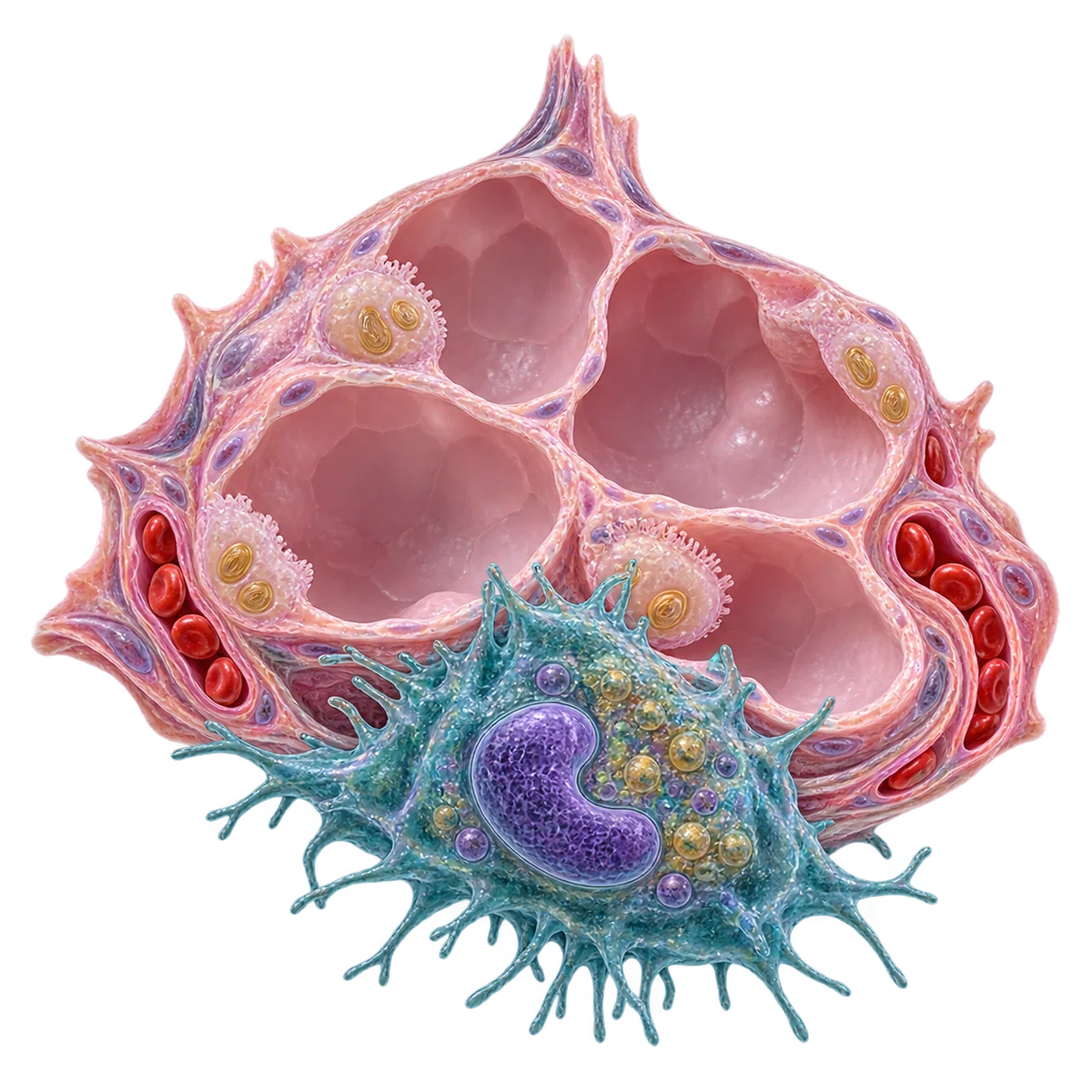
Resident populations monitor their local environment and respond to infection or injury.
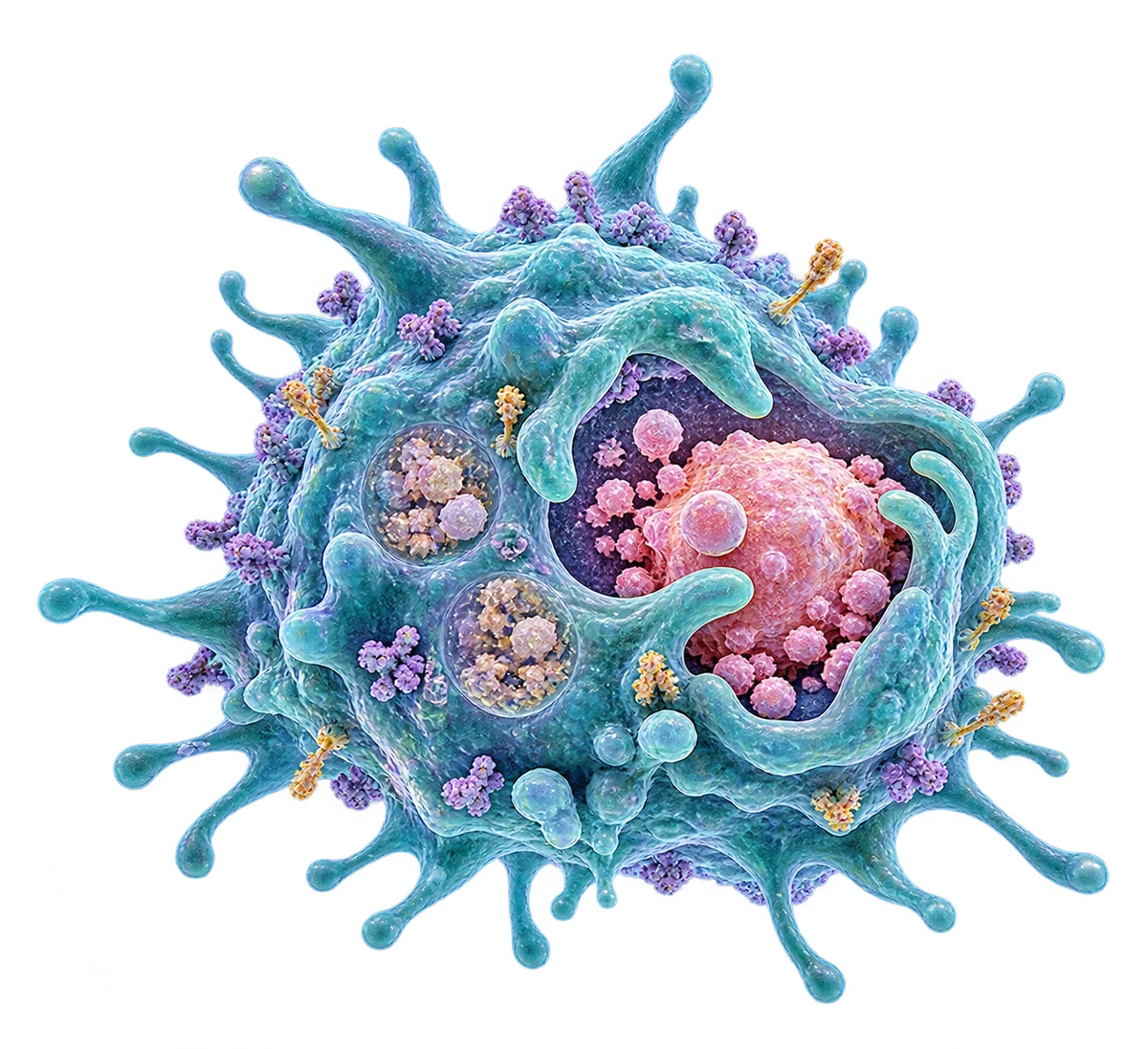
Efferocytosis removes apoptotic cells and helps preserve tissue homeostasis.
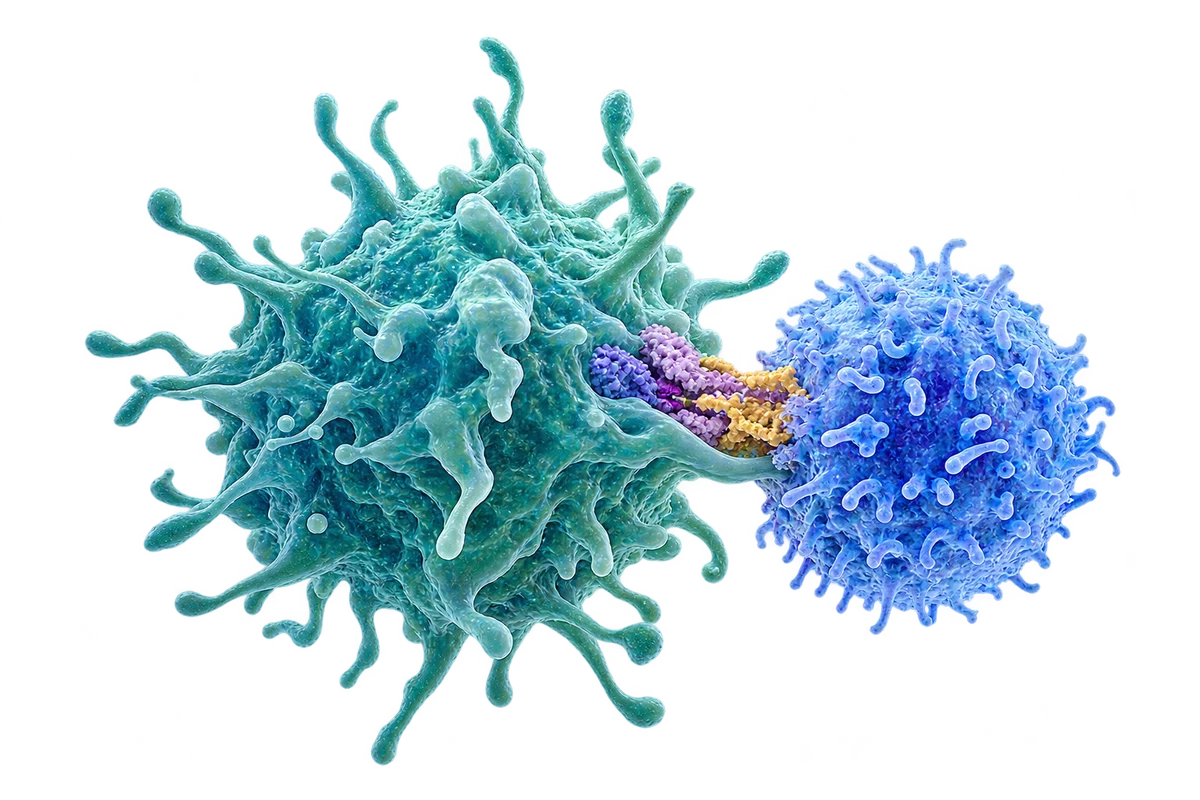
Macrophages can display processed peptides to T cells and provide coordinating signals.
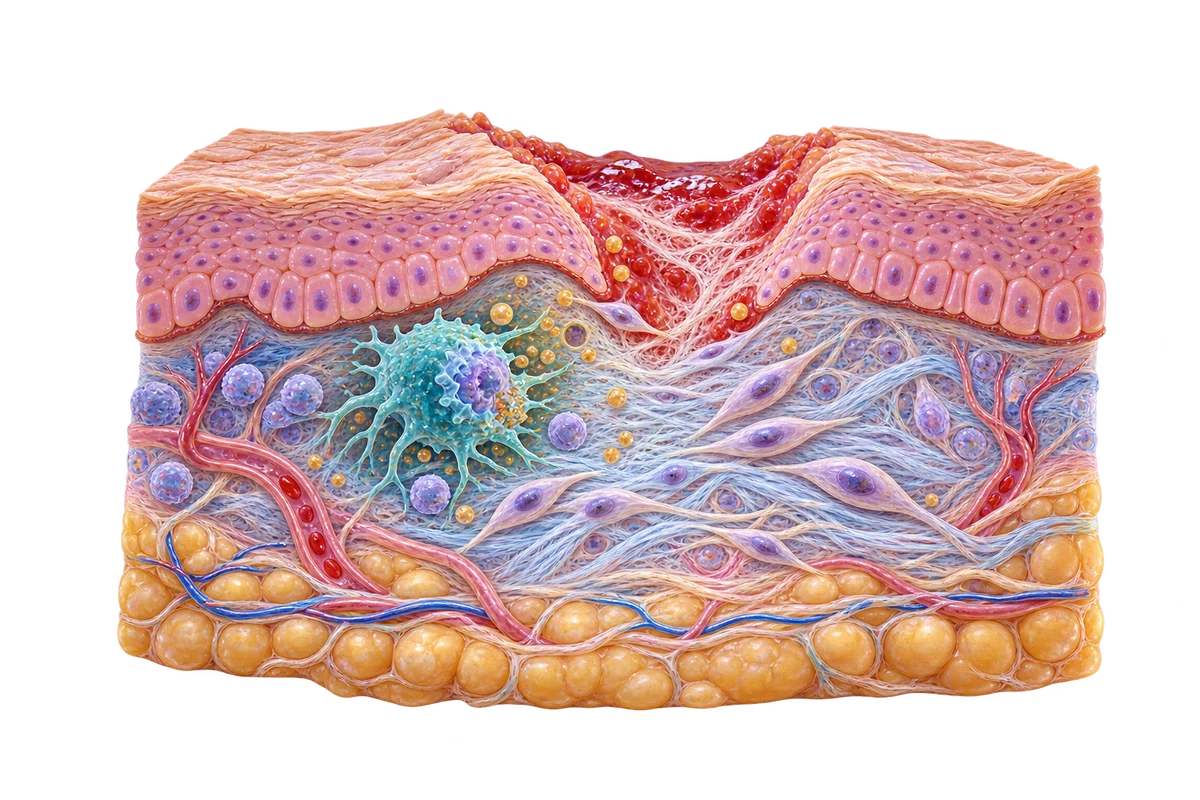
Interactions with tissue cells help organize repair and remodeling after injury.
Local environments shape specialized resident macrophage populations.
Liver

Liver-resident macrophages help clear blood-borne material and maintain local immune balance.
Brain
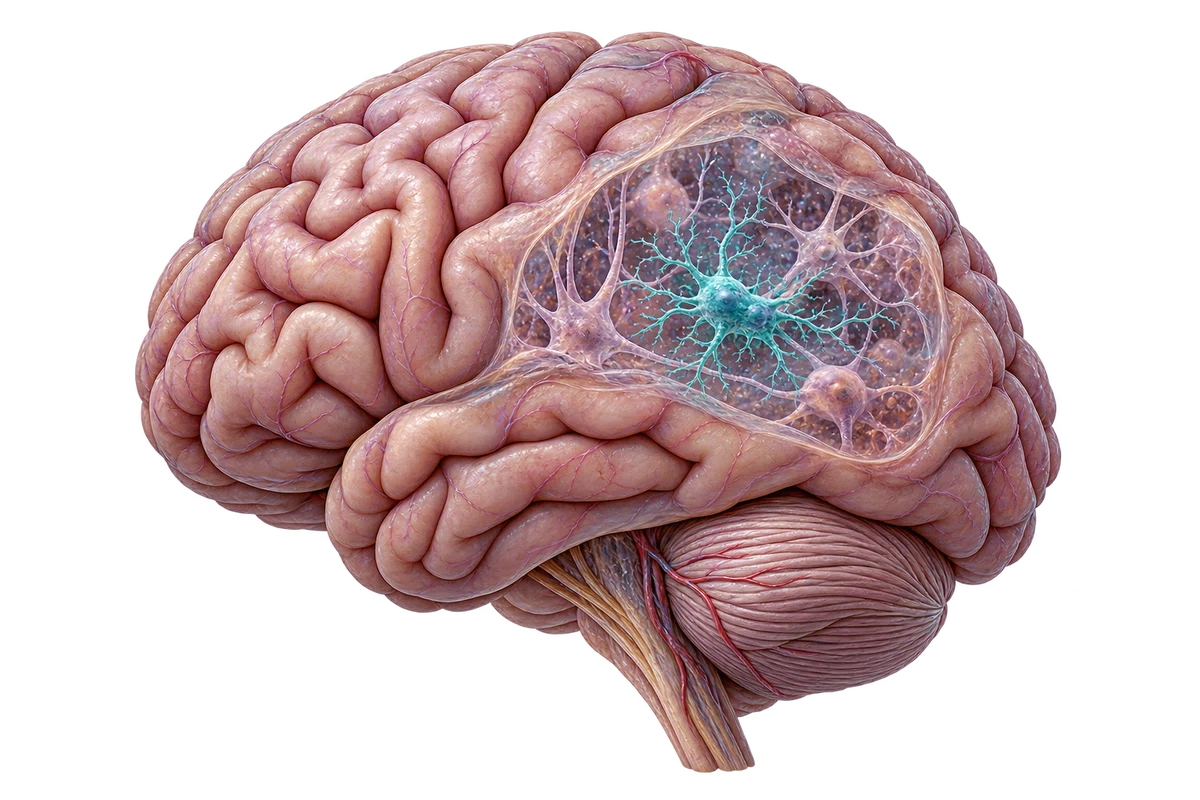
Resident immune cells survey the central nervous system and clear cellular material.
Lung airspaces

Macrophages in alveoli remove inhaled particles, microbes and cellular debris.
Spleen

These macrophages remove aging red blood cells and support iron recycling.
Intestinal tissue
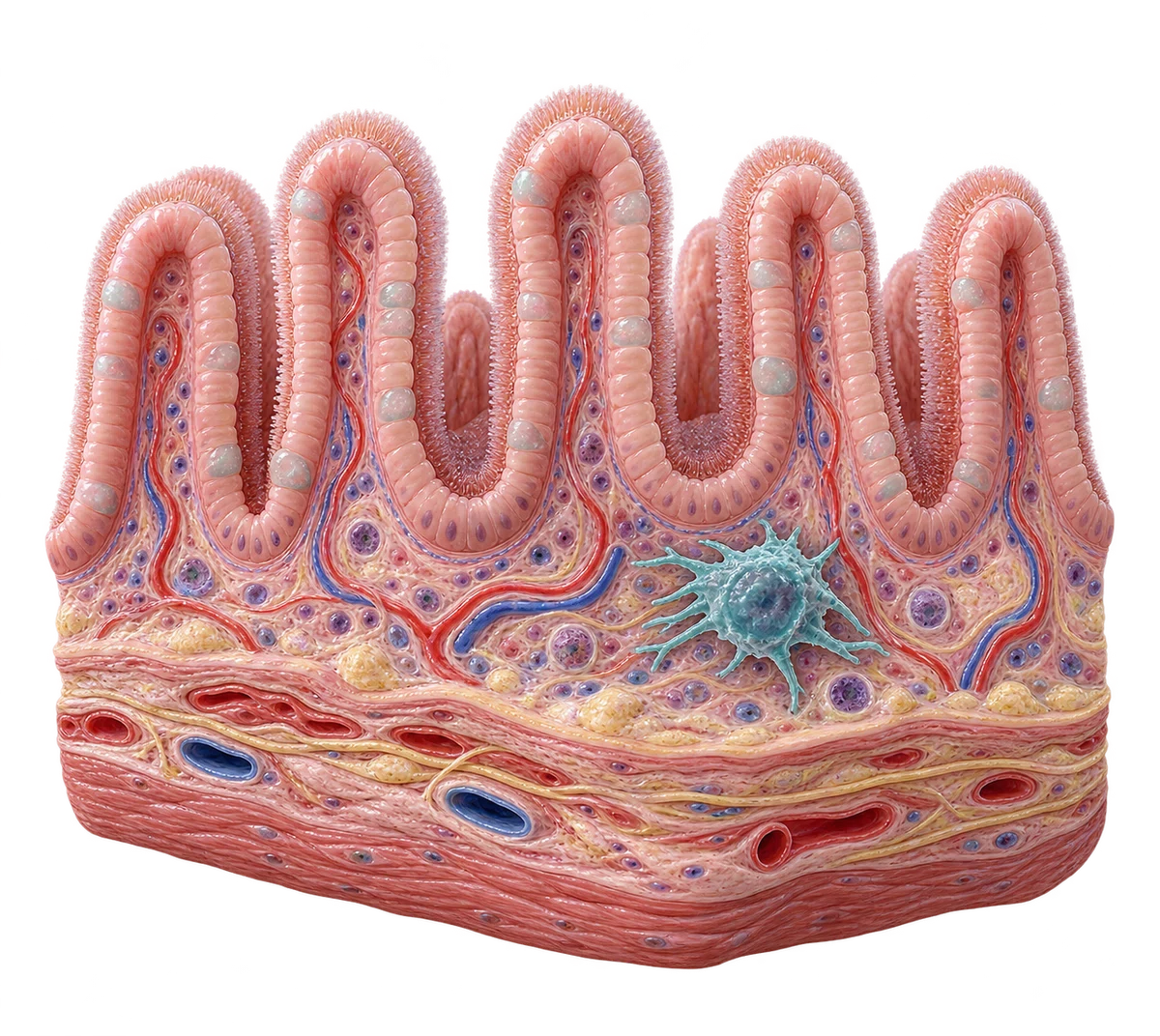
Cells beneath the intestinal lining help clear material and maintain barrier immune balance.
Abdominal cavity
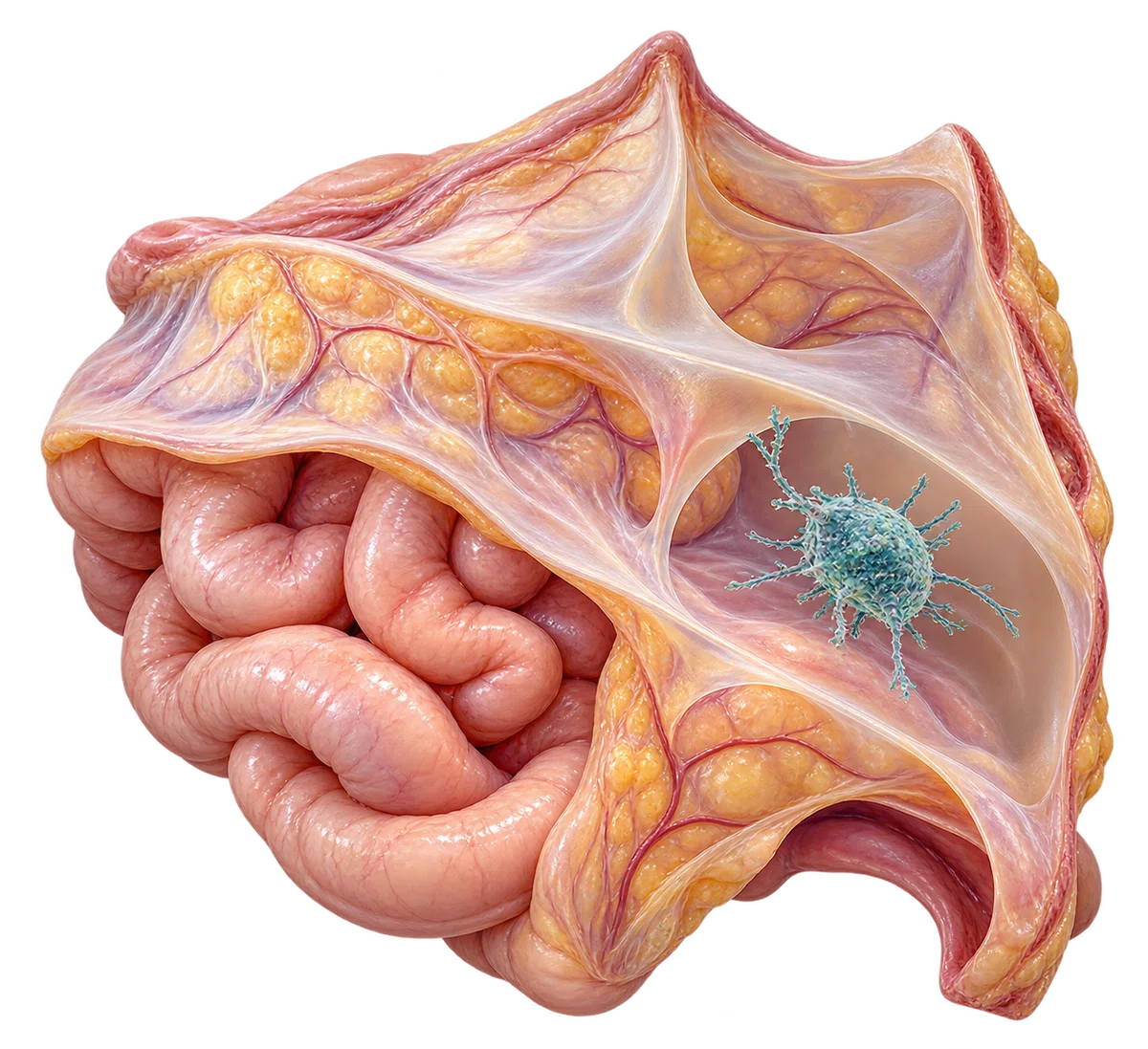
Macrophages in the peritoneal cavity contribute to local surveillance and clearance.
These are selected populations: organs can contain several macrophage subsets with different locations and roles. Scientific overview →

Aging can alter phagocyte function and the tissue signals that shape it.
Artwork illustrates the main mechanisms schematically; molecular sizes, colors and distances are not literal.