1. Recruitment
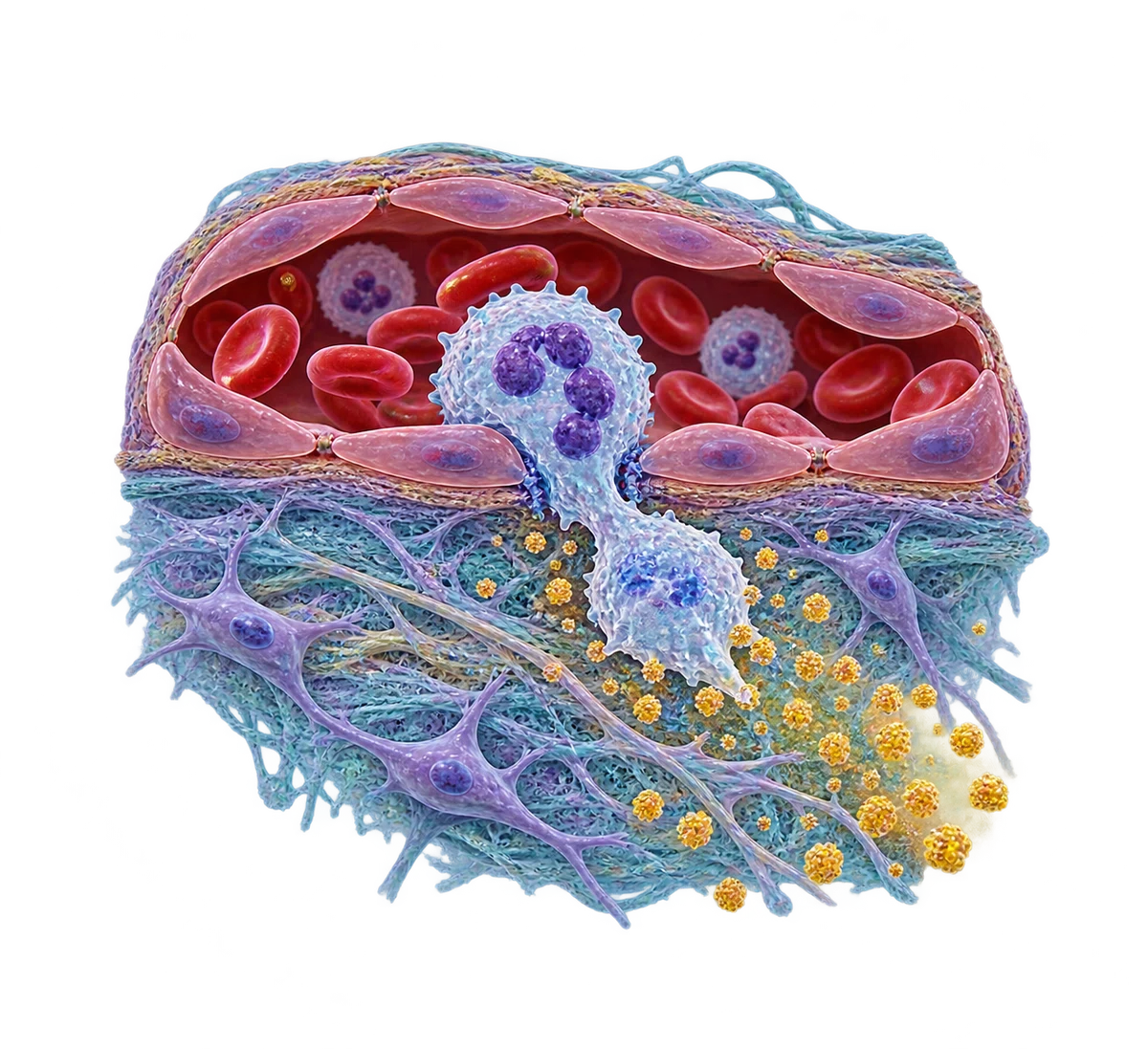
Chemokines guide neutrophils toward affected tissues. Cells adhere to and cross vessel walls.
 Subscribe
IMMUNE CELLS
Neutrophils are abundant innate immune cells that move rapidly toward infection or tissue injury. They engulf microbes, deploy antimicrobial granules and, in some settings, release extracellular traps. Their powerful responses must remain controlled to protect healthy tissues.
Back to all innate immune cells →Neutrophils are granulocytes: white blood cells with a segmented nucleus and granules containing antimicrobial proteins. Produced in the bone marrow, they circulate in blood and can be recruited into tissues by chemokines and other signals.
They are important in early defense against bacteria and fungi. Neutrophils use several cooperating mechanisms rather than one fixed response. Their activation, lifespan and removal depend on the surrounding tissue and inflammatory environment.
Directional migration, recognition and intracellular mechanisms work together.
Chemokines guide neutrophils toward affected tissues. Cells adhere to and cross vessel walls.
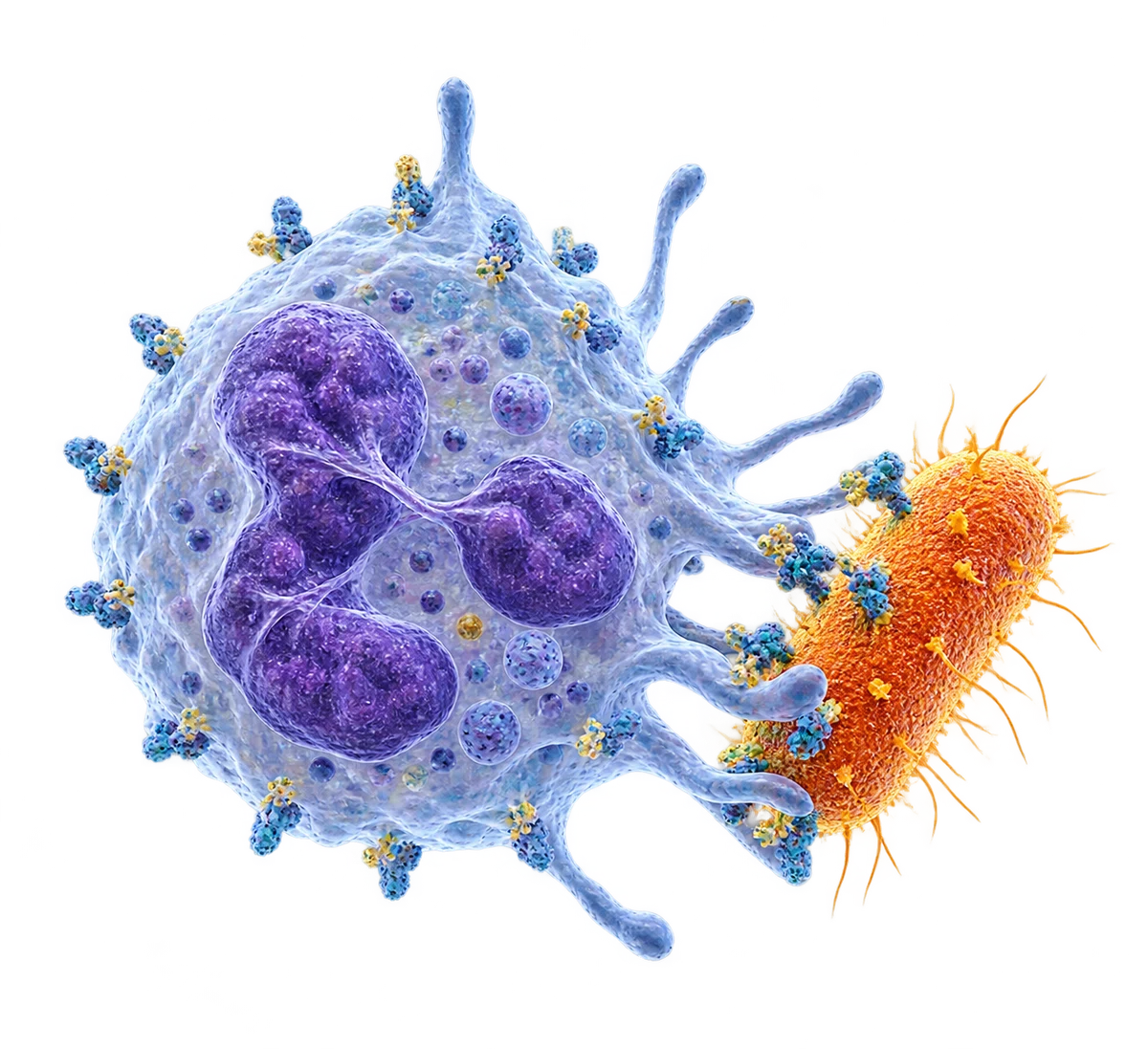
Surface receptors detect microbial patterns and antibody- or complement-coated targets.
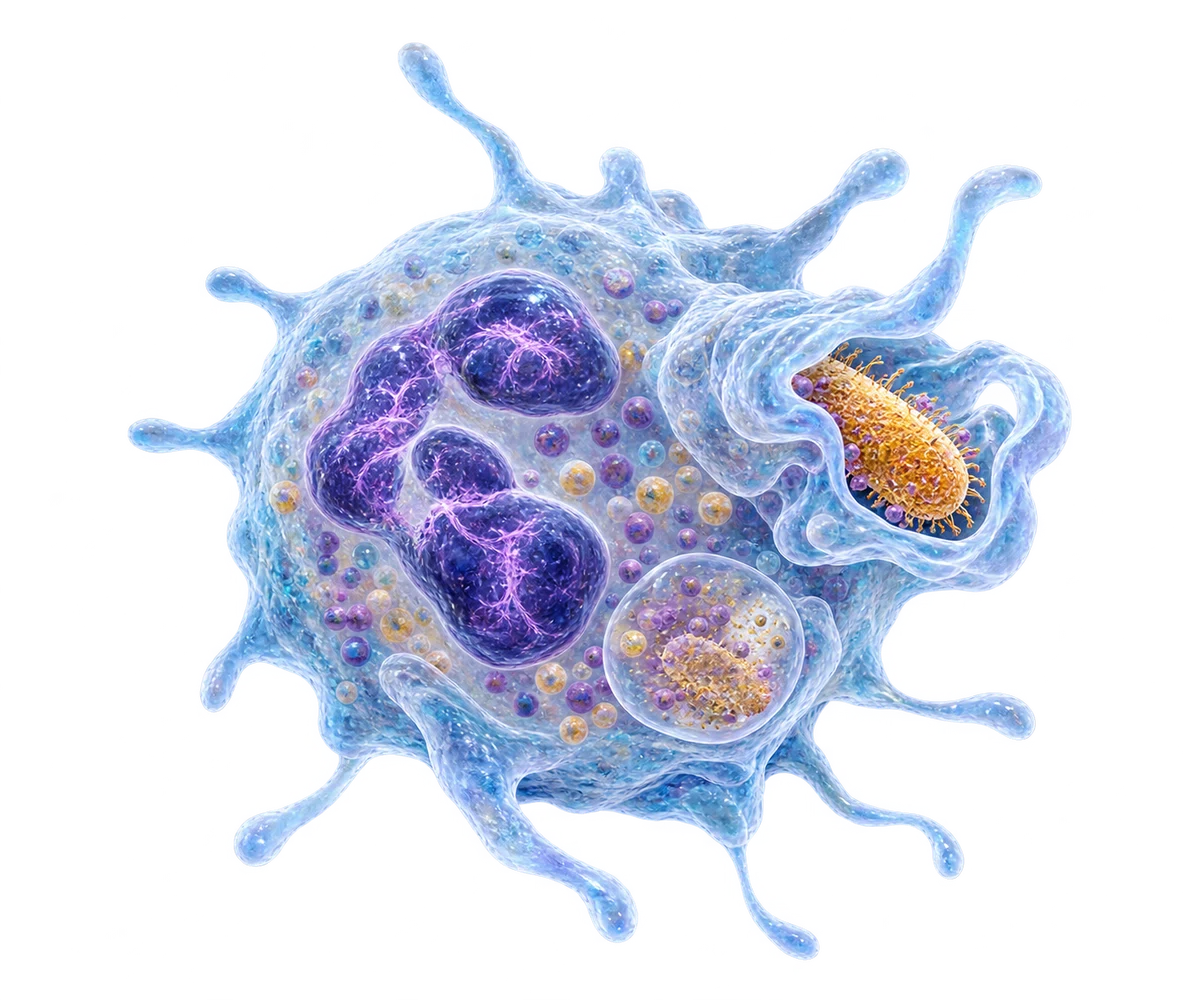
Pseudopods surround a microbe and enclose it within a membrane-bound phagosome.
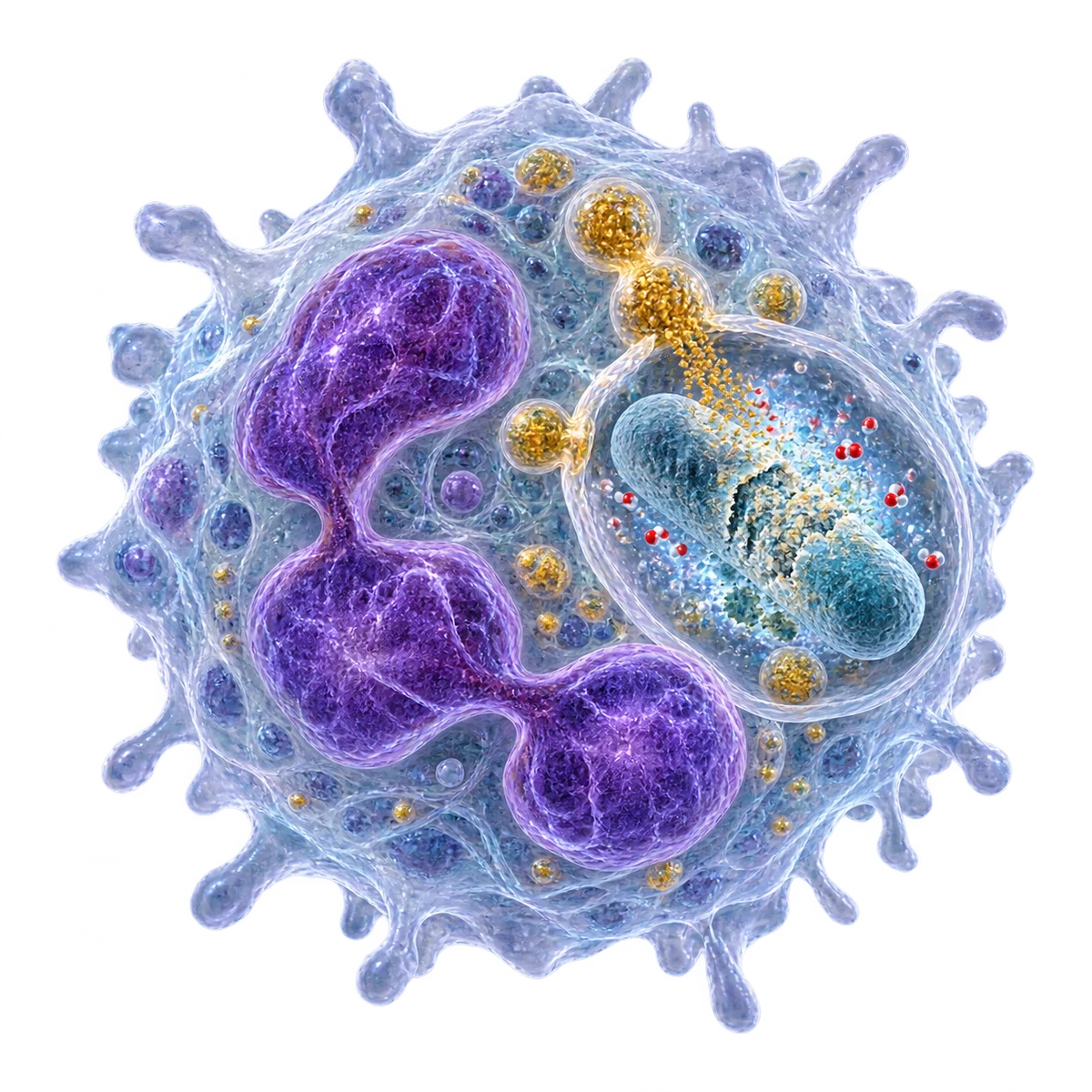
Granule contents and reactive oxygen species help destroy microbes inside the compartment.
Specialized cellular functions contribute to coordinated immunity.
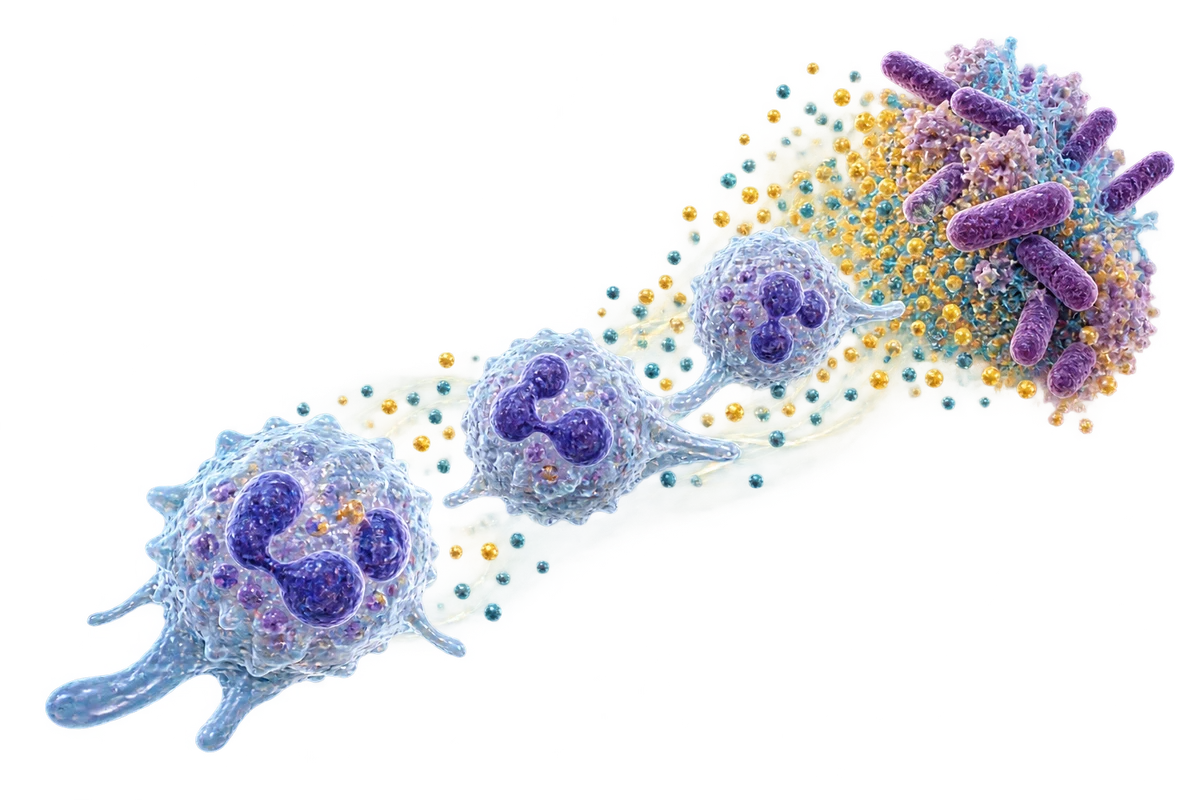
Neutrophils migrate toward local signals and are often among the earliest recruited immune cells.

Granules supply enzymes and antimicrobial proteins that support microbial killing.
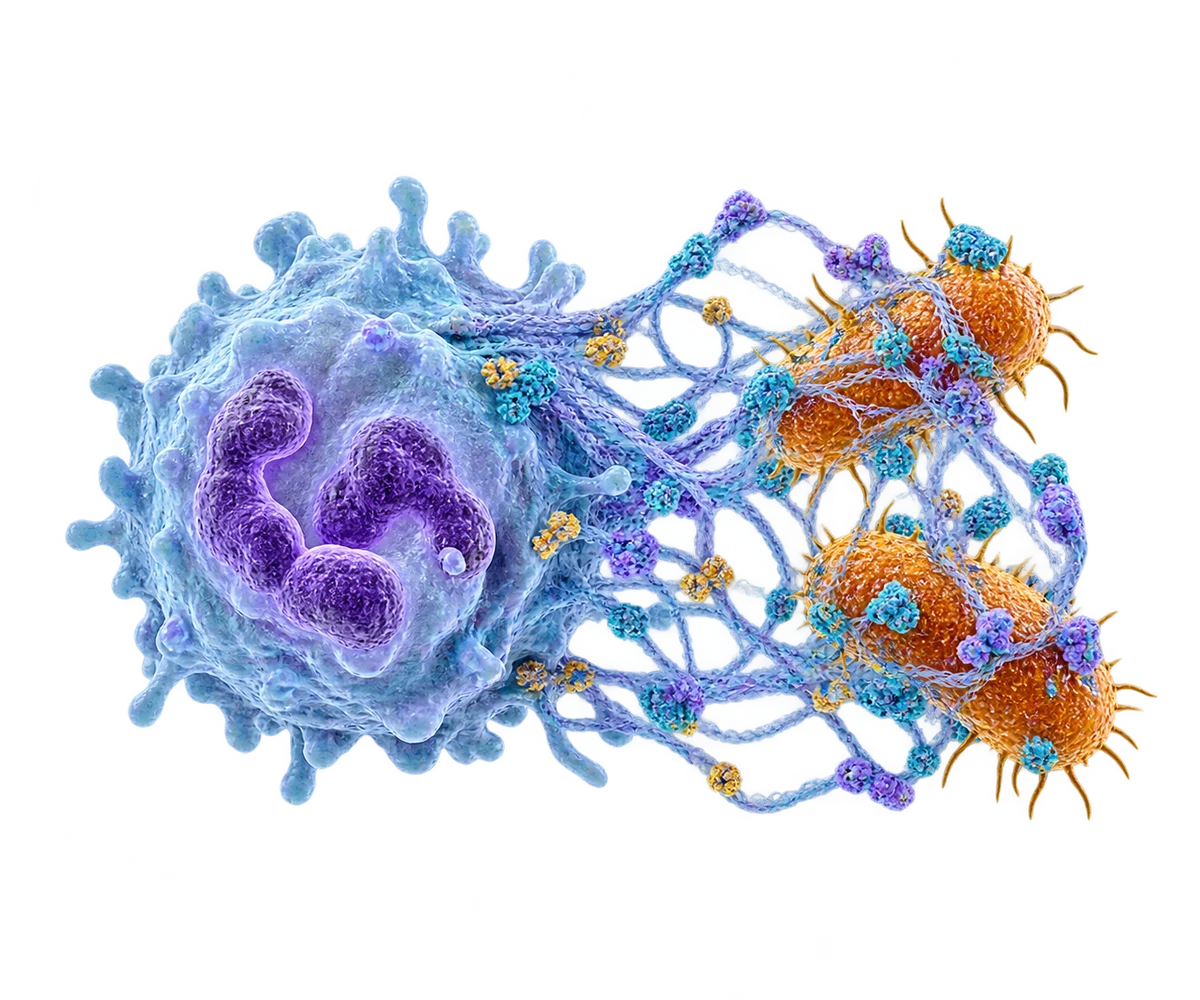
In selected settings, DNA-based traps help contain microbes but can also contribute to injury.
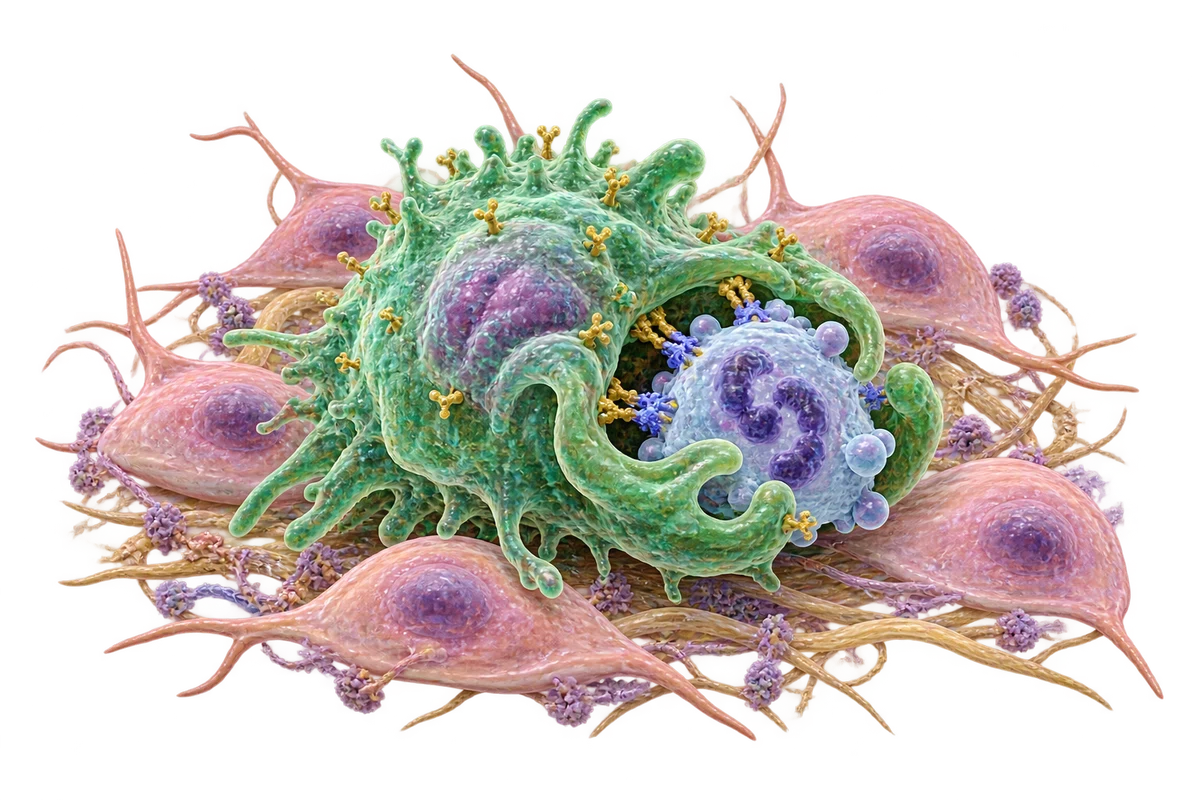
Removal of dying neutrophils by macrophages helps limit inflammation and restore tissue balance.

Age-associated changes can affect neutrophil signaling, migration and antimicrobial responses.
Artwork illustrates the main mechanisms schematically; molecular sizes, colors and distances are not literal.