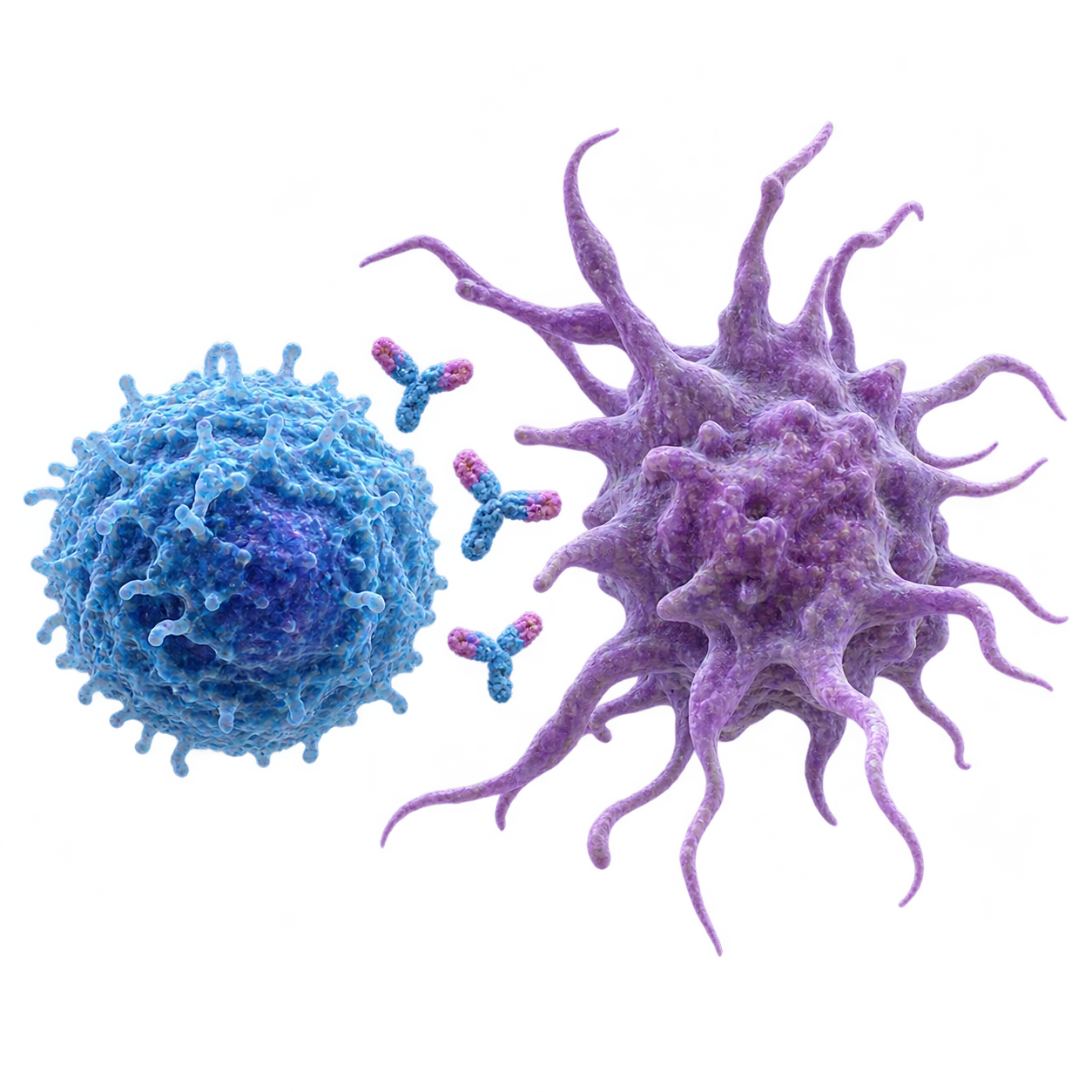
Systemic lupus erythematosus (SLE)
The most common form; can affect multiple organs and systems (Crow, 2023).
 Subscribe
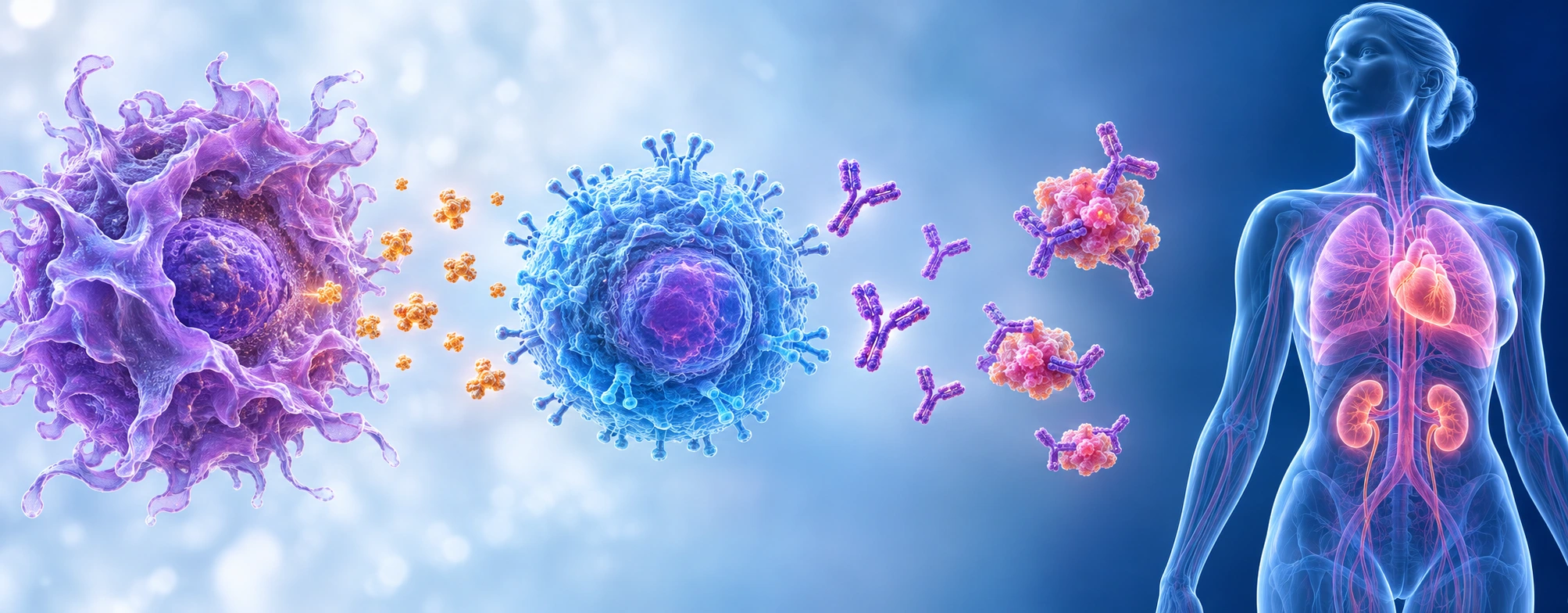
Systemic lupus erythematosus (lupus) is a chronic, heterogeneous autoimmune disease in which the immune system mistakenly attacks the body’s own tissues and organs, leading to inflammation, tissue damage, and periods of flares and remission.
Explore lupus
The most common form; can affect multiple organs and systems (Crow, 2023).
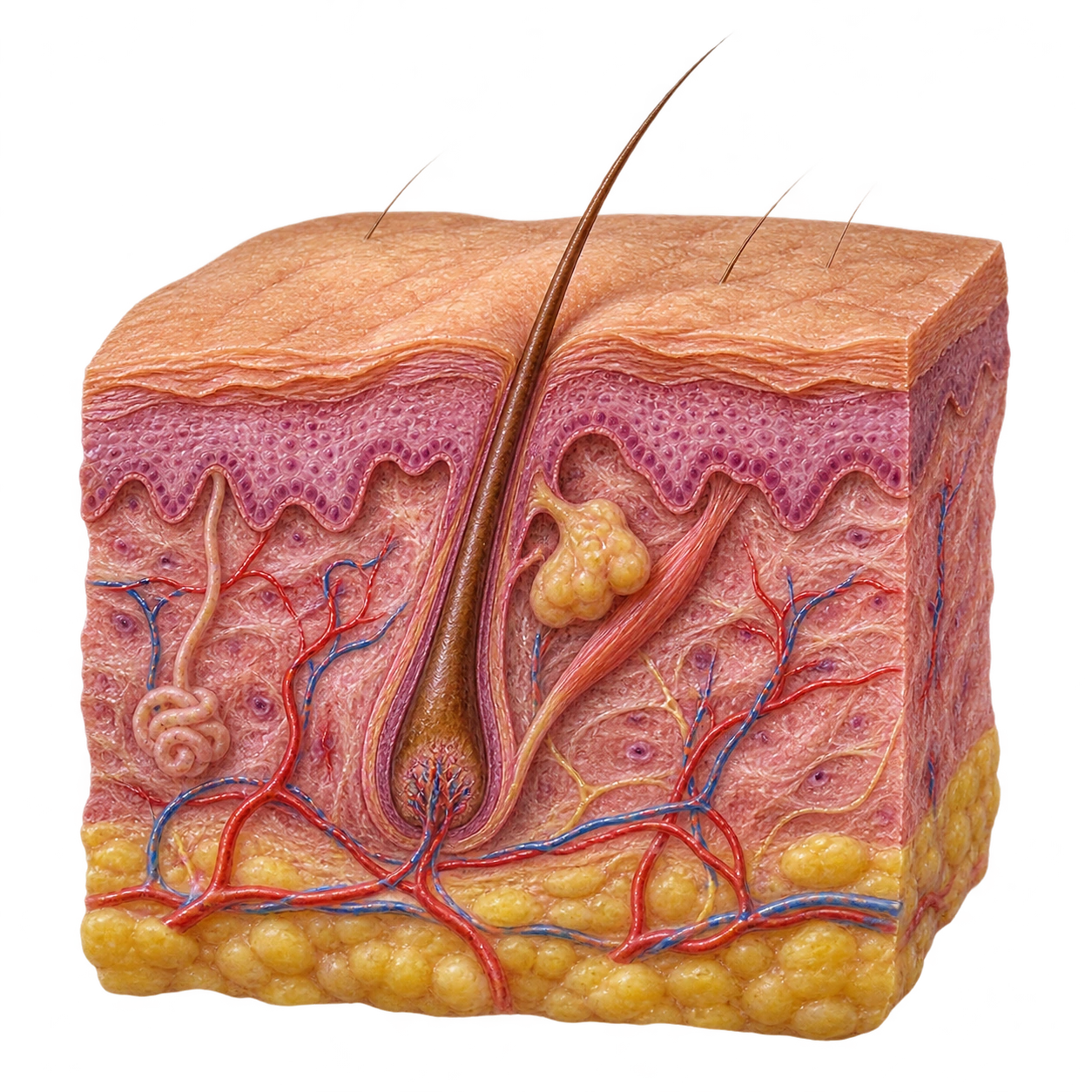
Primarily affects the skin (e.g., discoid or photosensitive rash) (Tebbe & Orfanos, 2014).

A lupus-like condition triggered by certain medications (usually improves after stopping the drug) (Jain, 2019).

A rare, usually temporary condition in newborns linked to maternal autoantibodies (Brucato et al., 2012).
A combination of genetic, environmental and immune factors
can lead to a loss of immune tolerance (Crow, 2023; Arnaud et al., 2024).

Many genes increase risk (e.g., HLA, type I IFN pathway) (Crow, 2023).
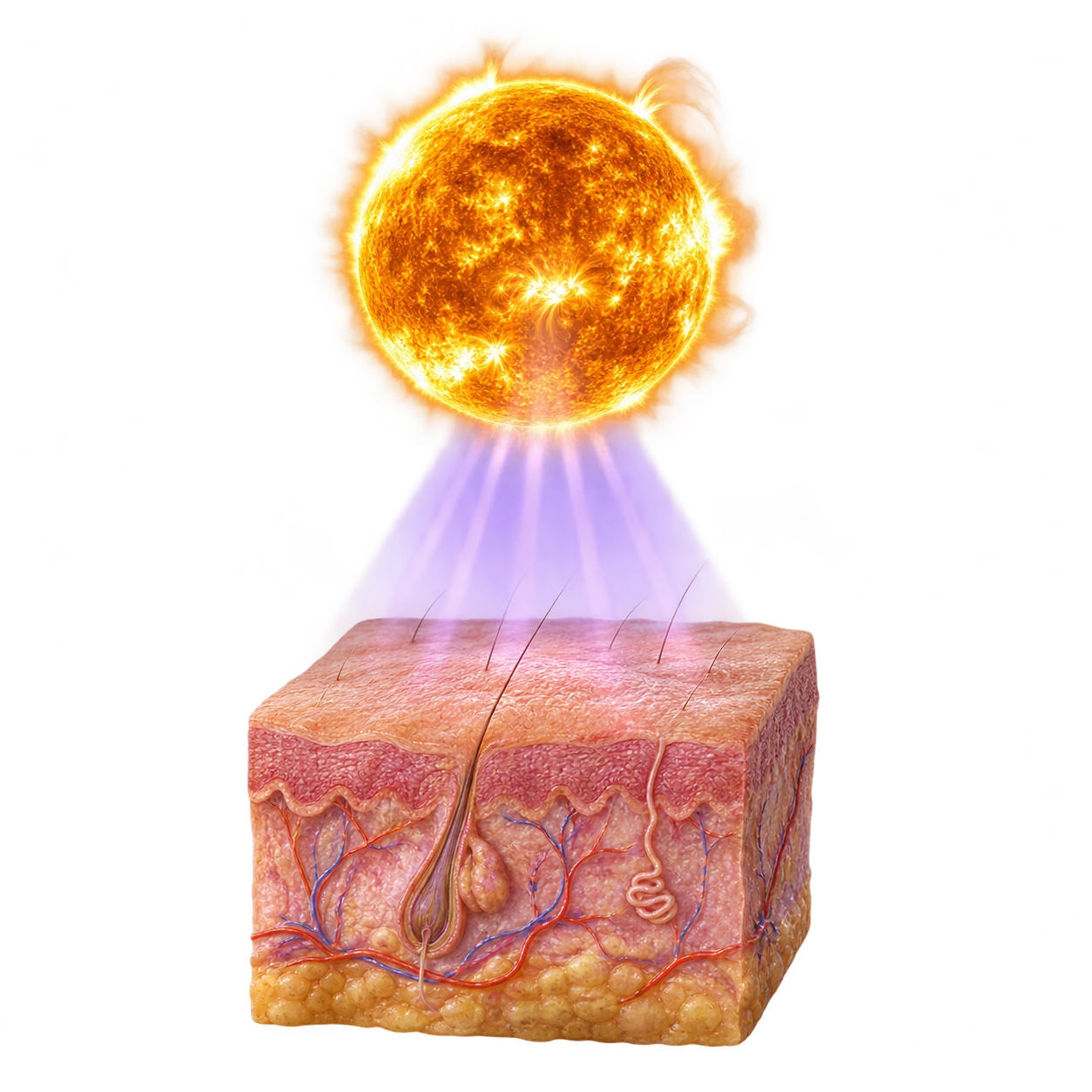
UV light, infections, smoking, and certain drugs can initiate or worsen lupus (Arnaud et al., 2024).
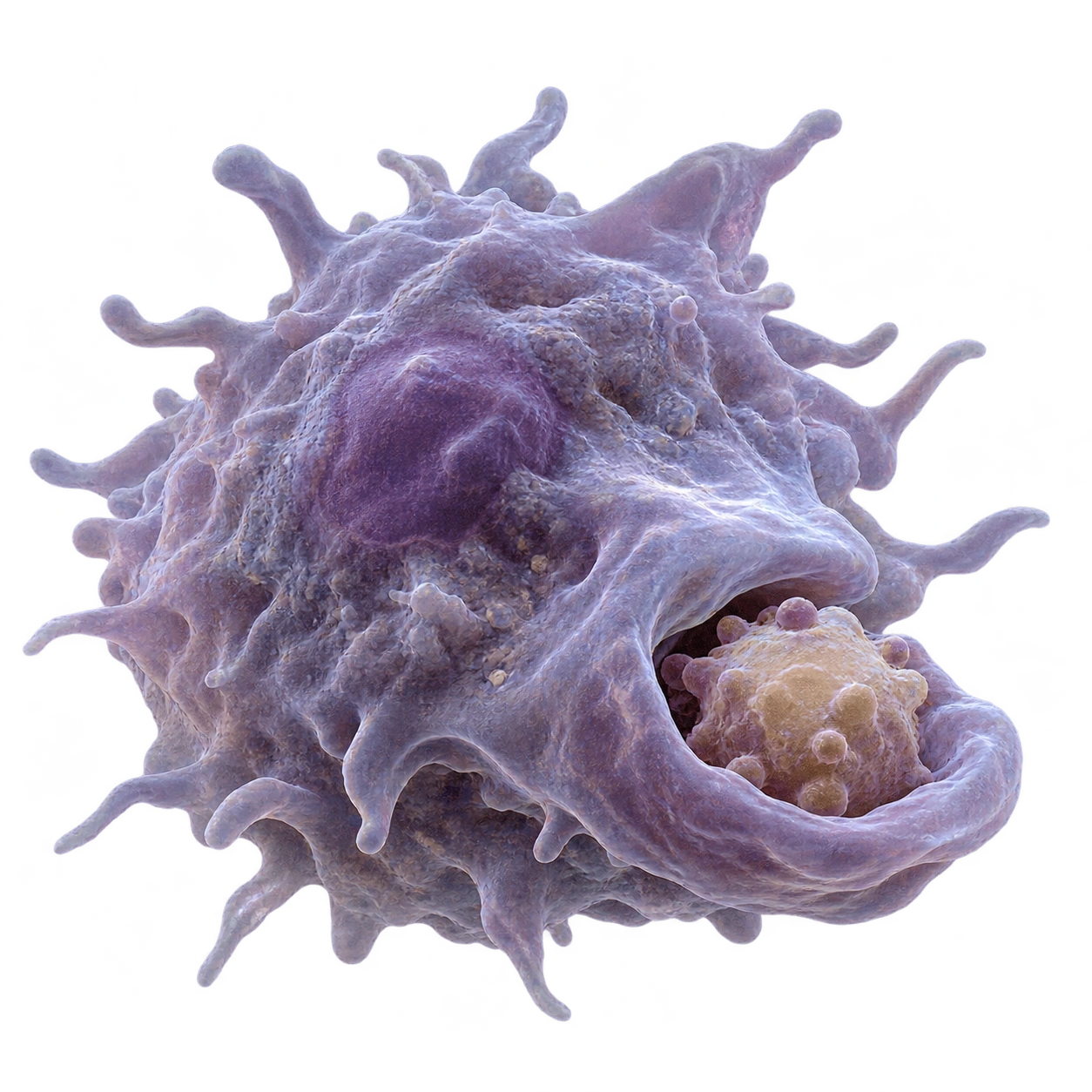
Less efficient removal of dying cells (cell debris), which can trigger immune activation (Caielli et al., 2023).
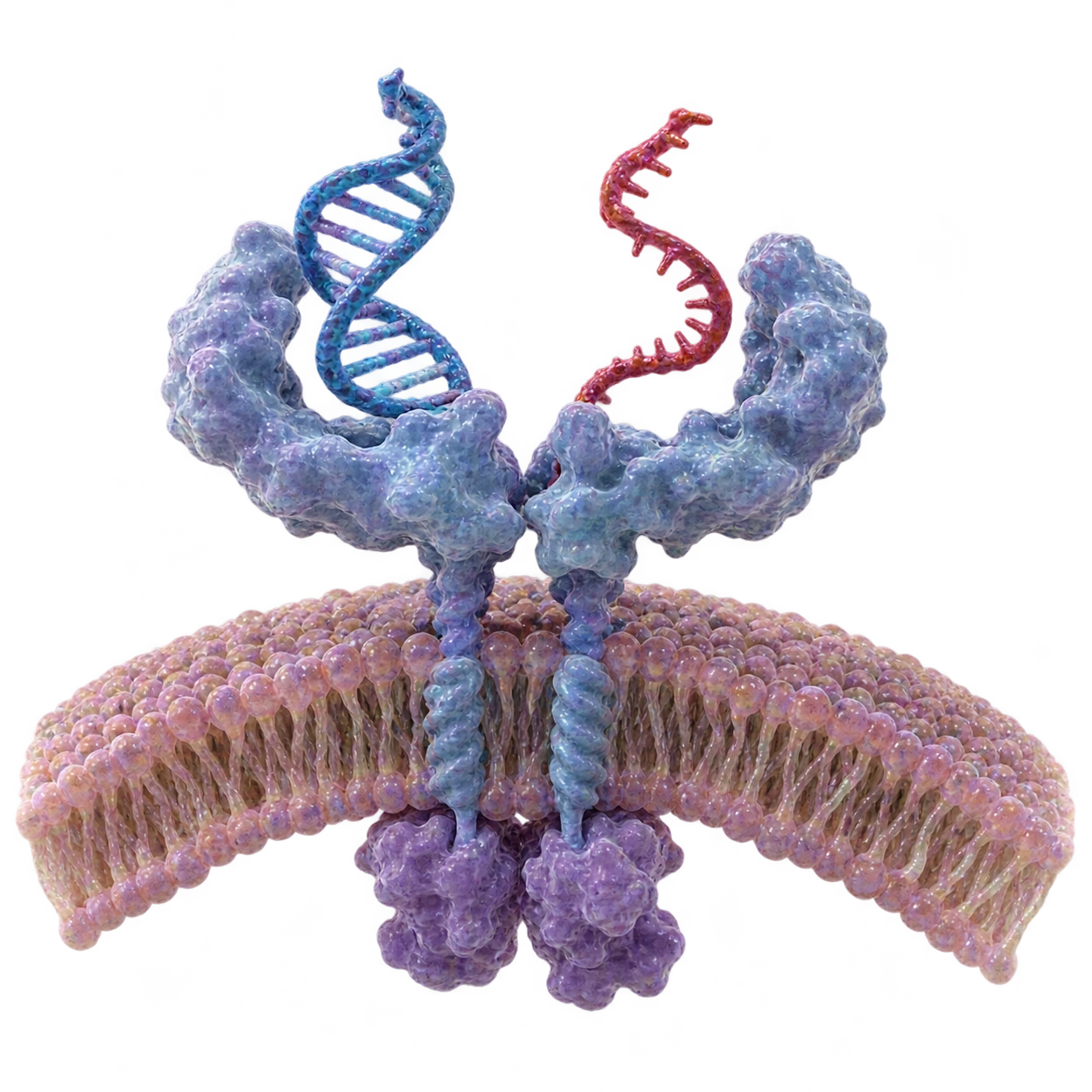
Self-DNA/RNA can activate innate immune receptors (e.g., TLRs, cGAS-STING) (Crow, 2023).
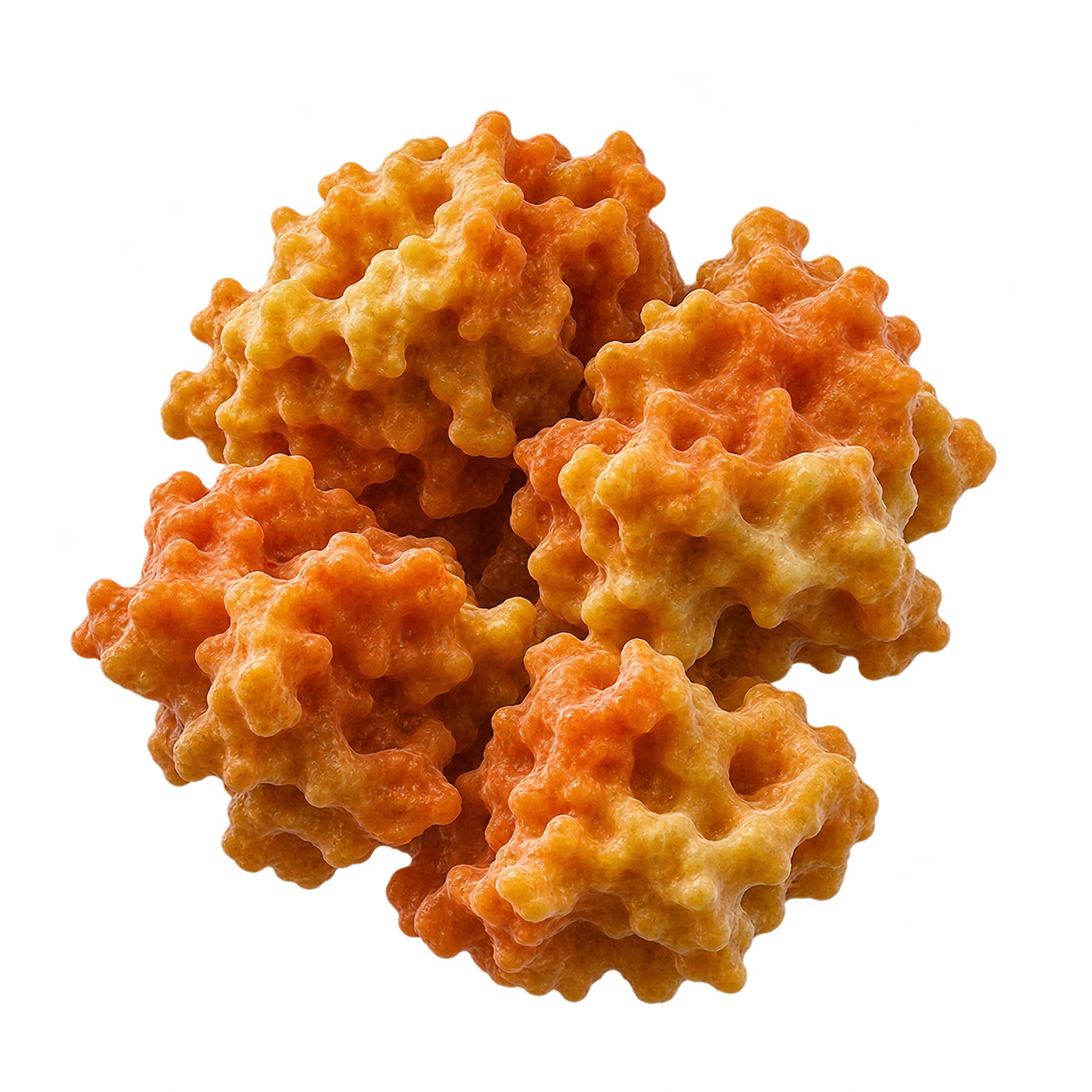
Excess IFN-α/β drives persistent immune activation and inflammation.
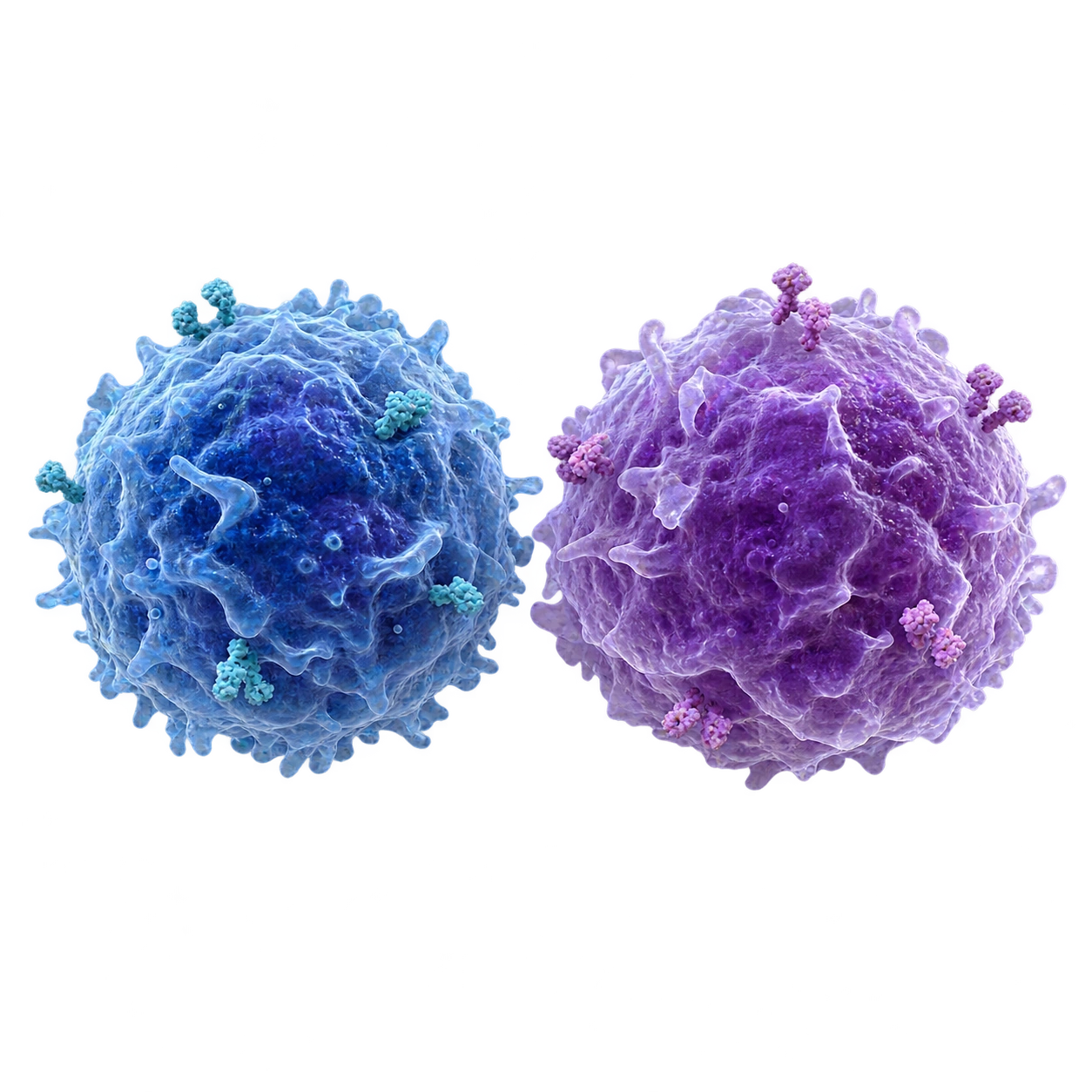
Loss of tolerance leads to autoreactive B and T cells, autoantibodies, and immune complexes (Caielli et al., 2023).
 Dendritic cell(pDC)Type I IFN(IFN-α/β)
 T cell(CD4+)
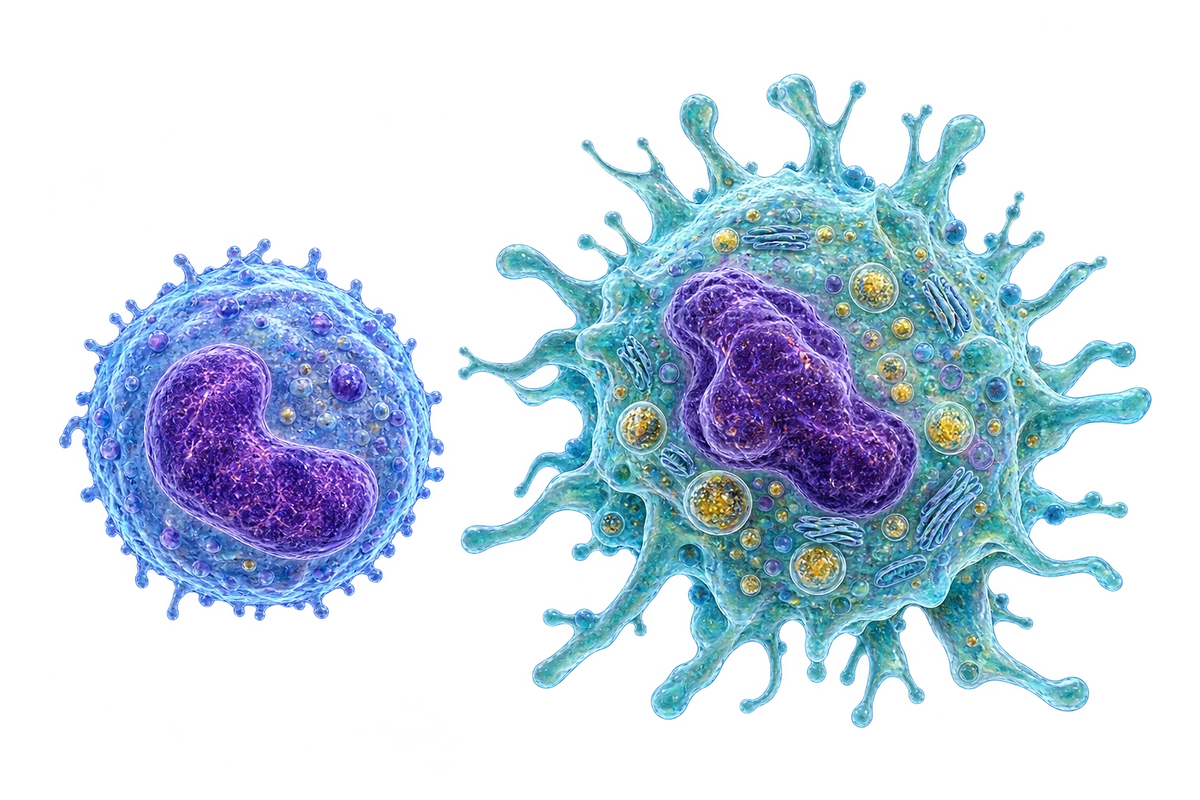 Macrophage(inflammation)
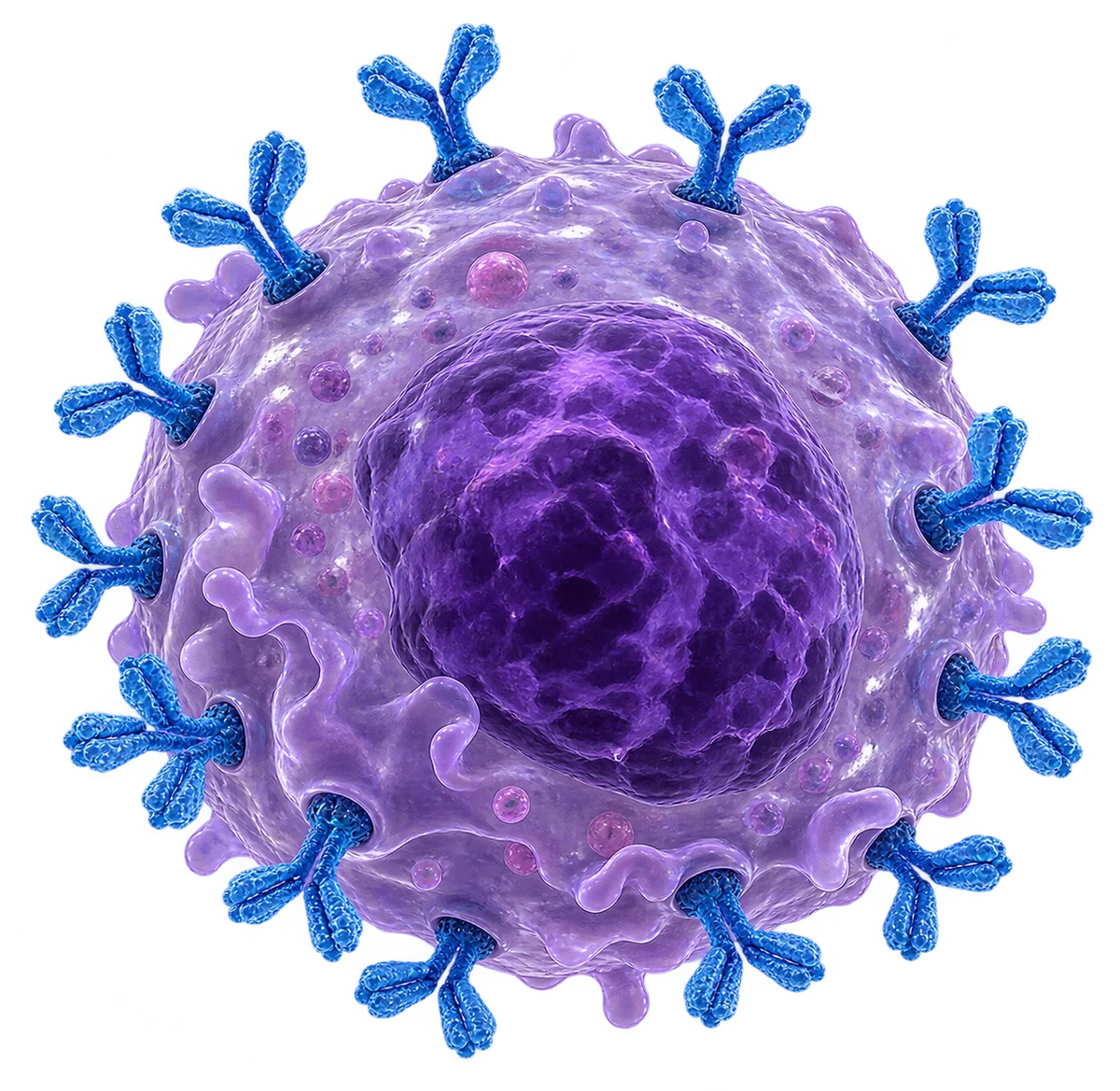 B cell(antibody production)
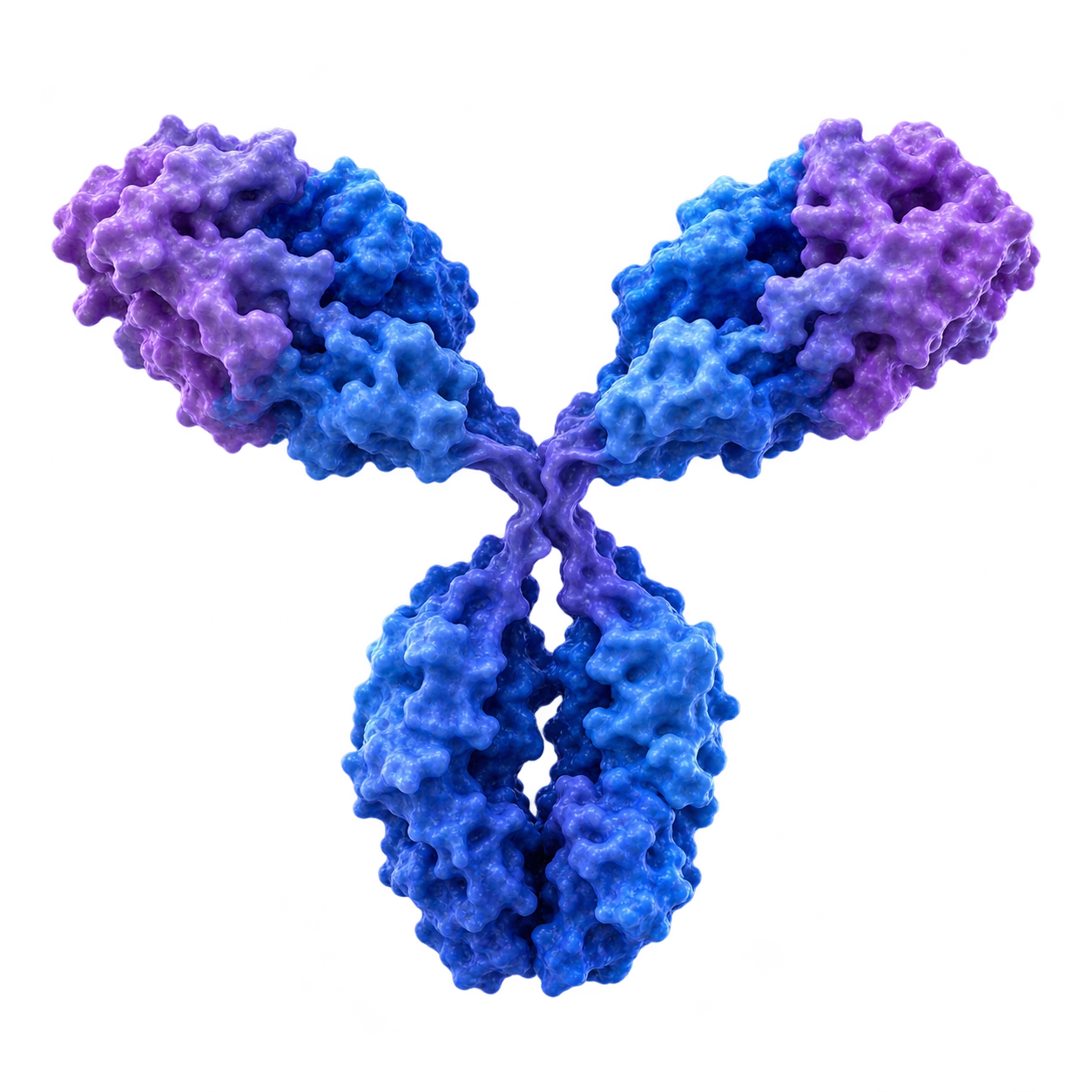 Autoantibodies(e.g., anti-dsDNA)
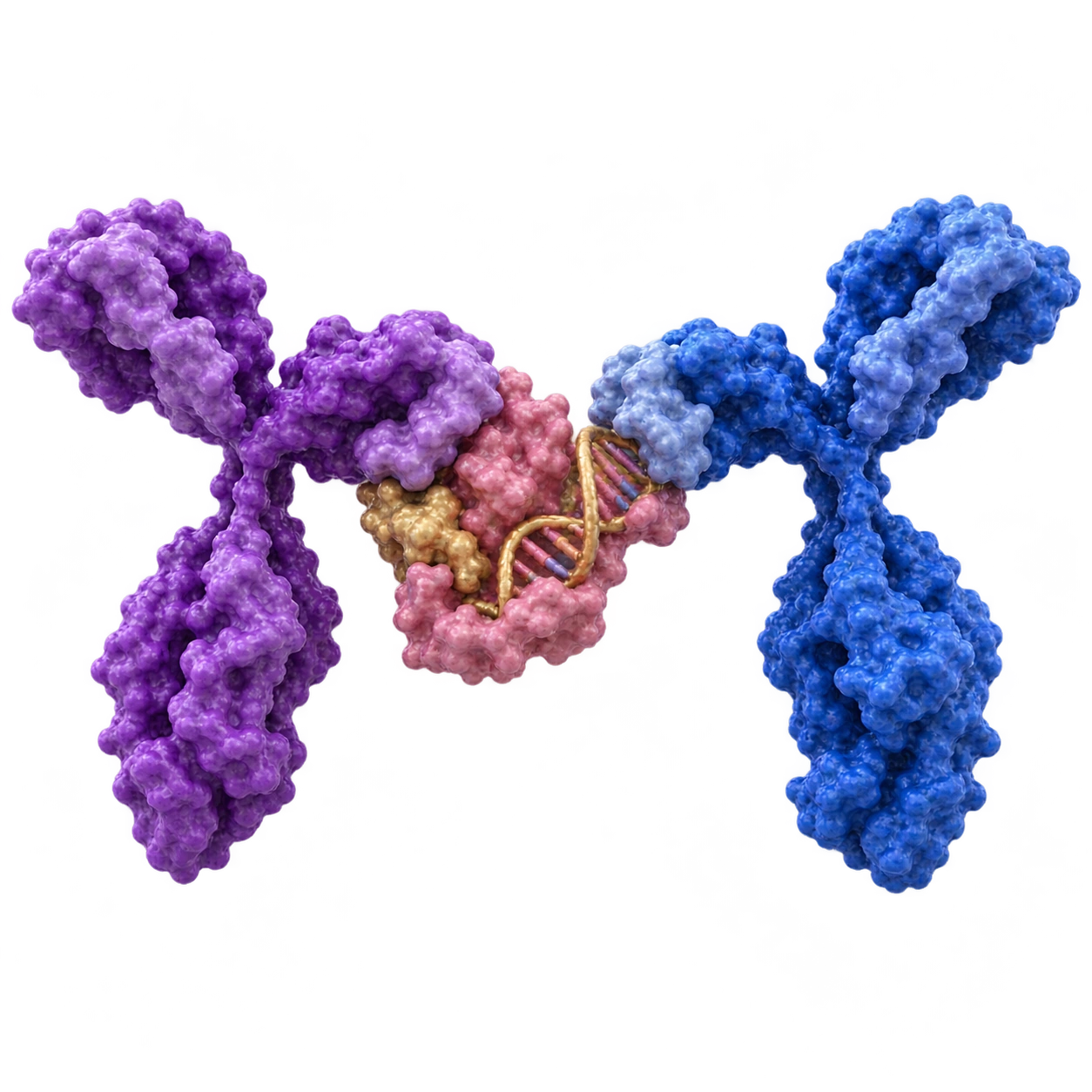 Immune complexes(antibody + self-antigen)
Lupus can involve multiple organs, and the pattern varies
from person to person (Siegel & Sammaritano, 2024).
Rashes (e.g., “butterfly” rash), photosensitivity (Crow, 2023).
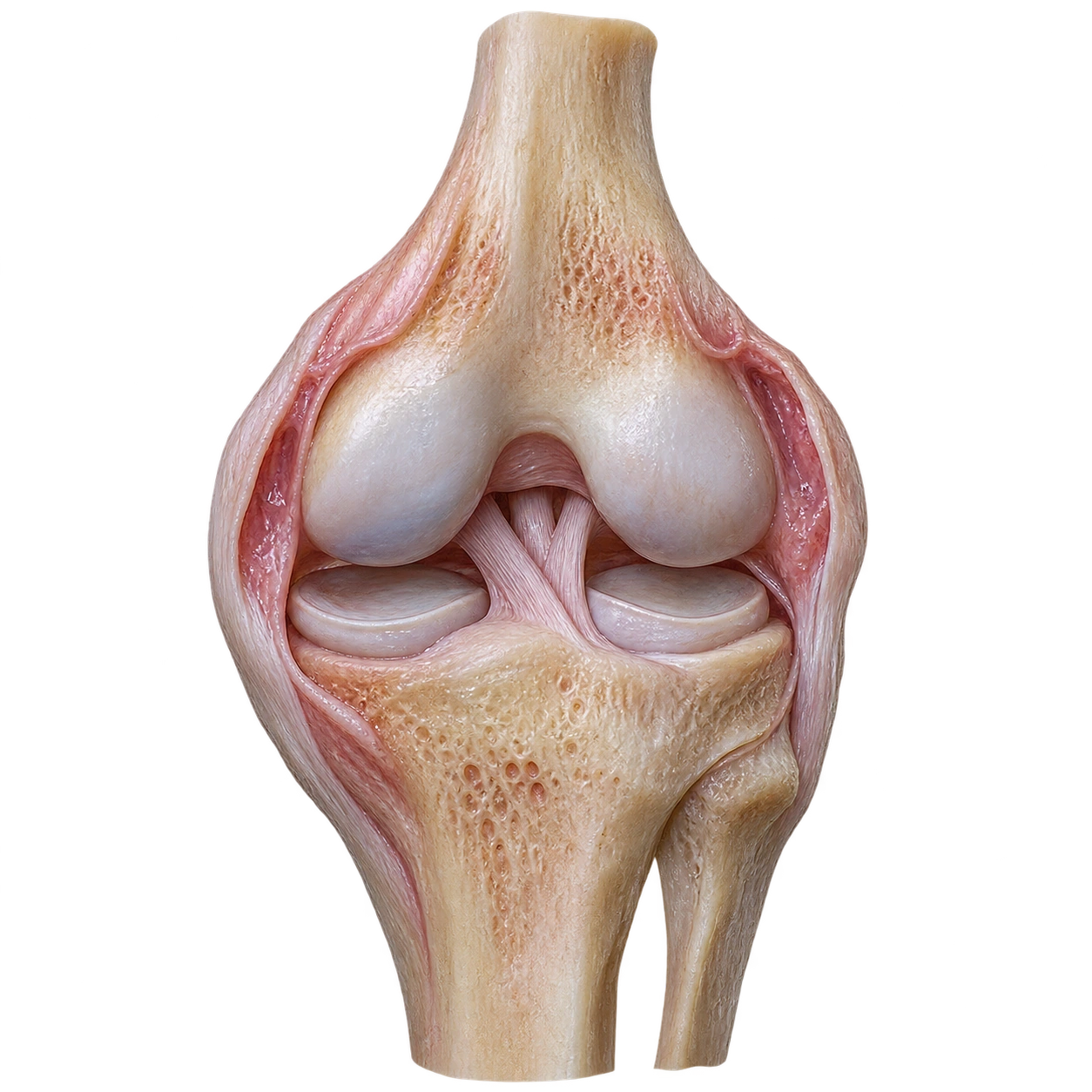
Pain, swelling and stiffness (Arnaud et al., 2024).
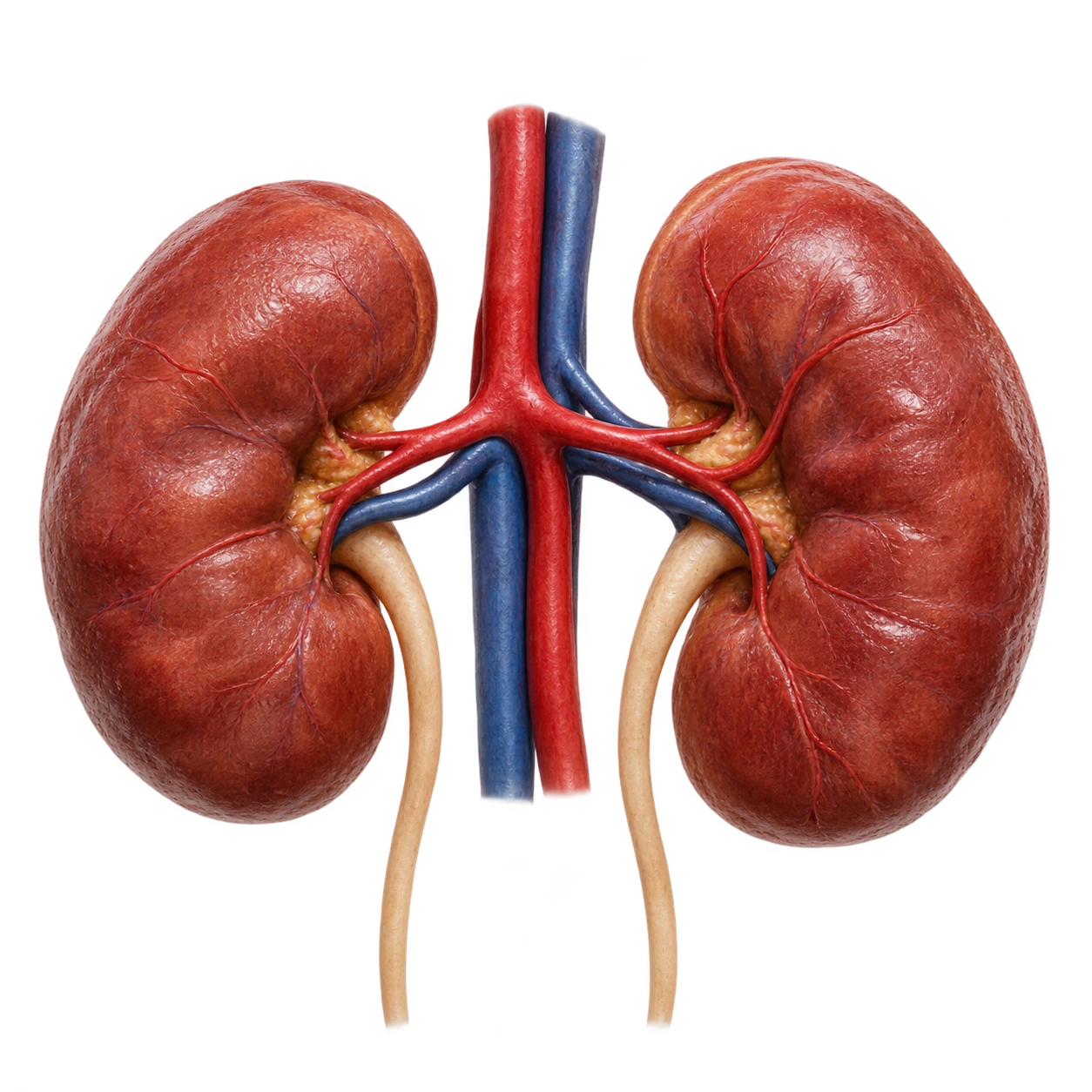
Lupus nephritis (inflammation of the kidneys) (Fanouriakis et al., 2024).
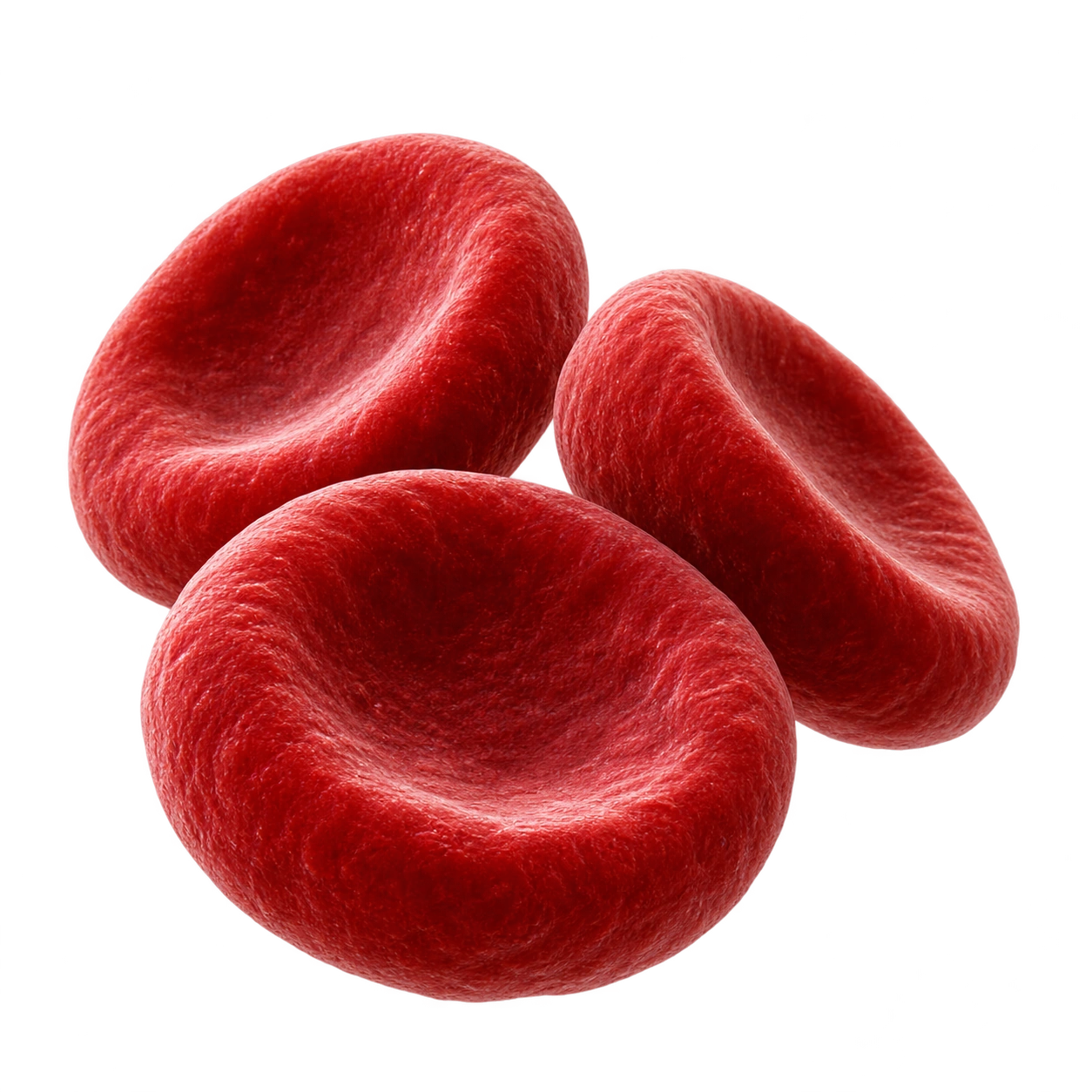
Low blood counts (anemia, low white cells or platelets) (Crow, 2023).
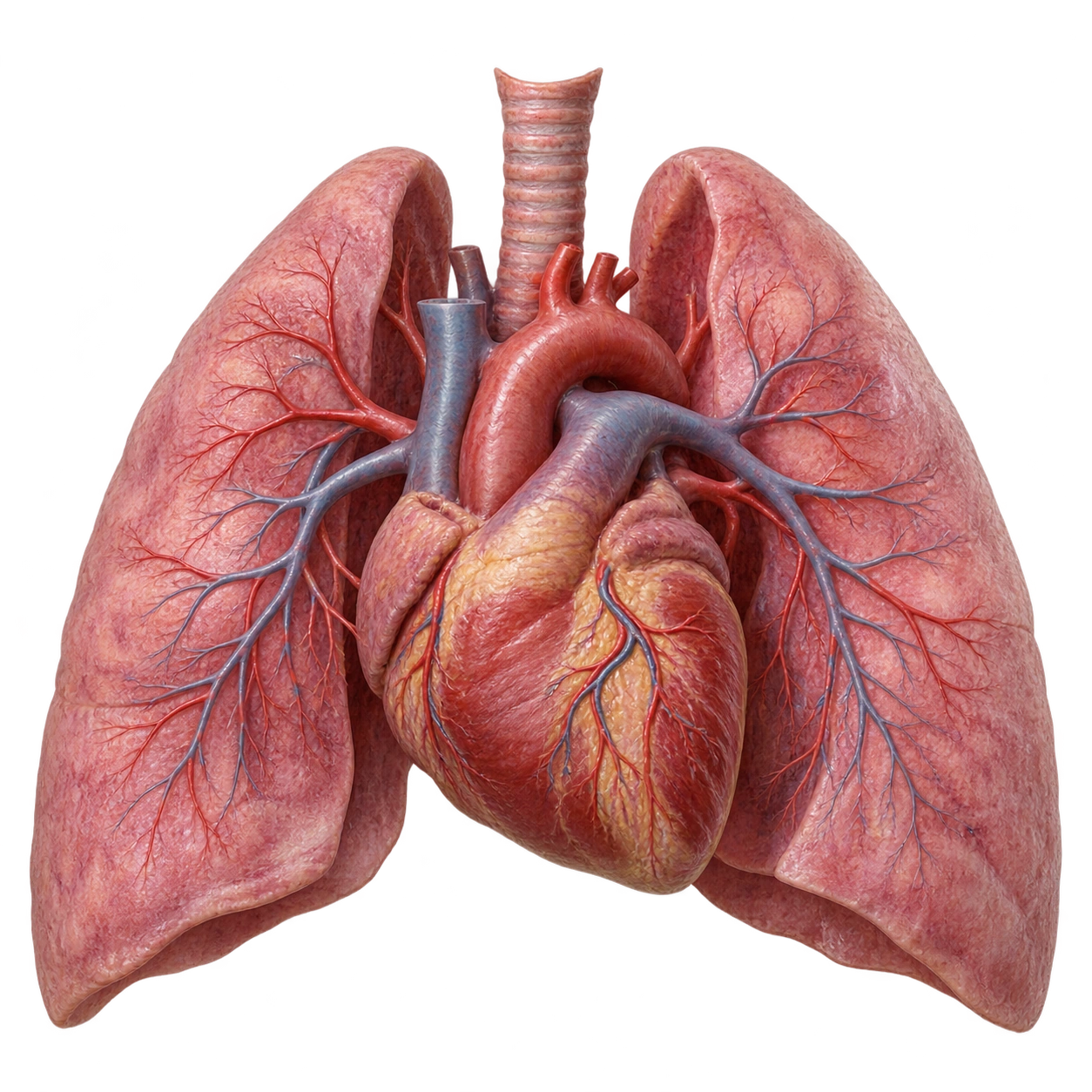
Pleuritis, pericarditis and increased cardiovascular risk (Iglesias et al., 2022).

Headaches, cognitive changes, and—less often—seizures (Hanly, 2020).
Lupus is characterized by periods of increased disease activity
(flares) and periods of lower activity (remission) (NIAMS).
A period when symptoms worsen due to increased immune activity, which can affect the skin, joints, kidneys or other organs (Fanouriakis et al., 2024).
A period of low or no disease activity, which is the goal of treatment (Fanouriakis et al., 2024).
There is no single test that diagnoses lupus. Diagnosis is based on a
combination of clinical features and laboratory tests (Arnaud et al., 2024).

Symptoms, physical exam and medical history.
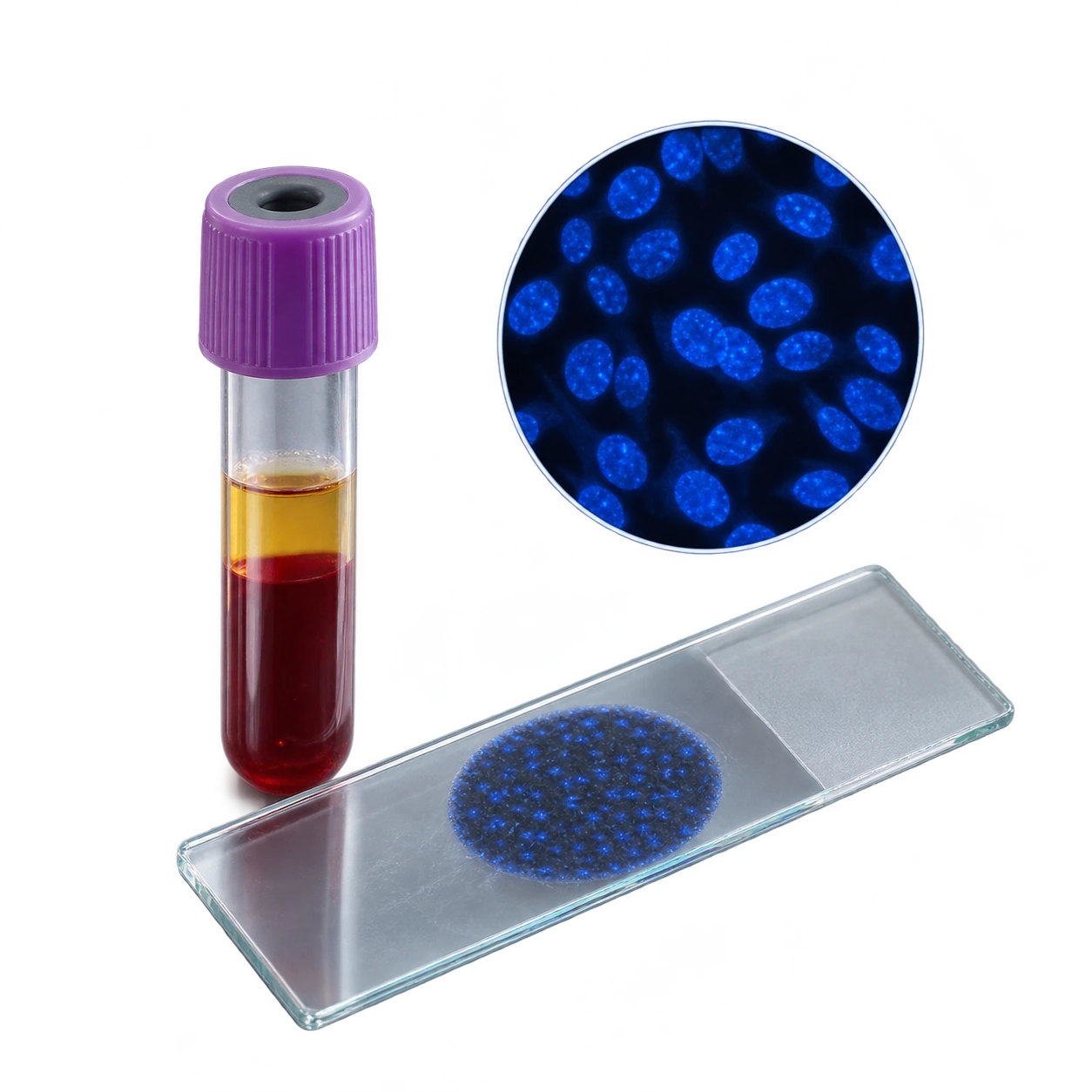
A screening test. A positive ANA alone does not mean you have lupus (NIAMS).
More specific for lupus and can be linked to disease activity (Crow, 2023).
Highly specific (less common) and supportive of the diagnosis (Arnaud et al., 2024).
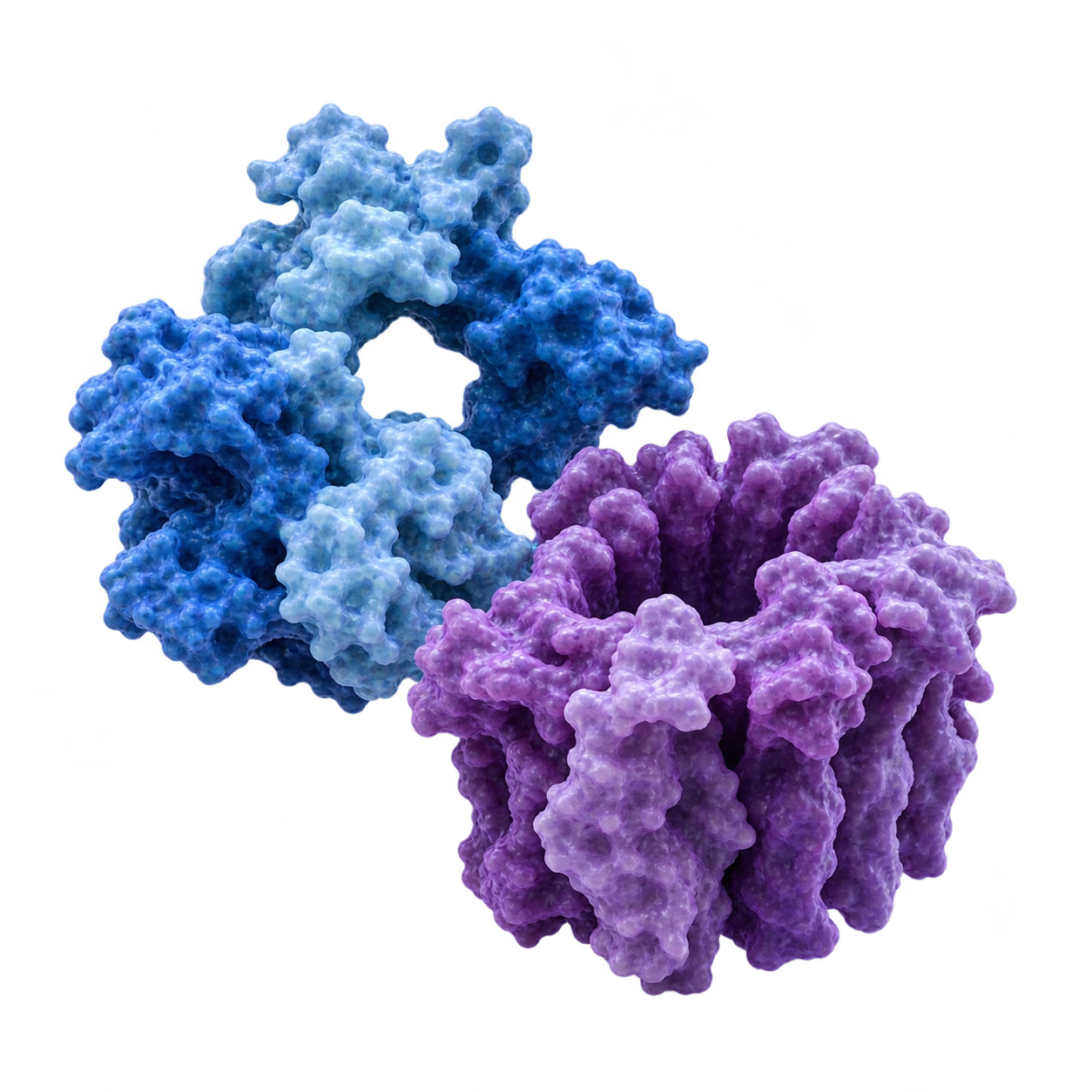
Often lower during active disease (Fanouriakis et al., 2024).
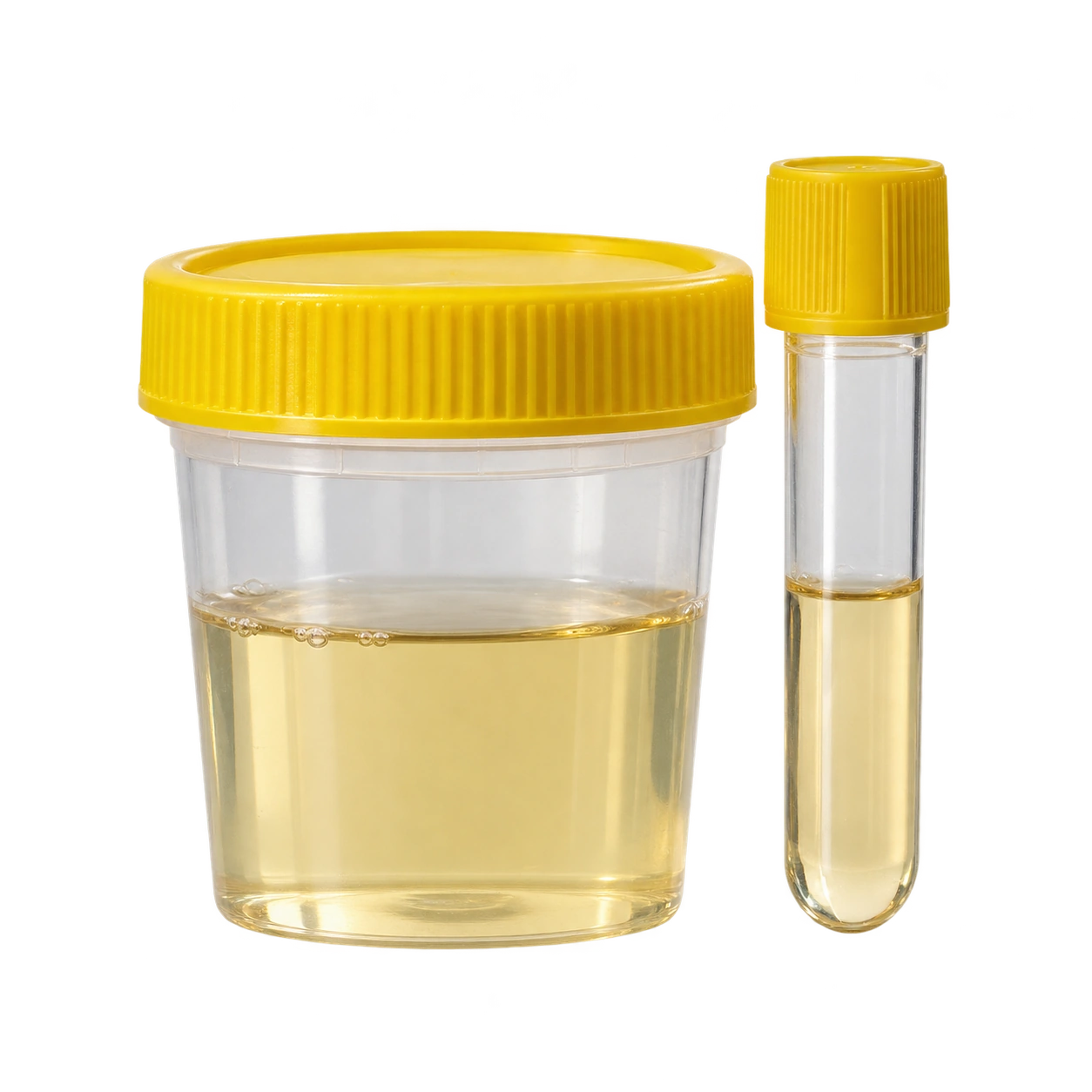
Urine protein and blood tests (e.g., creatinine) monitor kidney involvement (NIAMS).
Treatment is individualized and aims to control disease activity, prevent flares,
and reduce long-term organ damage (Fanouriakis et al., 2024).

Recommended for most people with lupus; reduces flares, protects organs and improves long-term outcomes (Fanouriakis et al., 2024).

Useful for short-term control of flares, but long-term use should be minimized due to significant side effects (Fanouriakis et al., 2024).

(e.g., mycophenolate, azathioprine, cyclophosphamide). Used for more severe disease (e.g., kidney or other major organ involvement) (Fanouriakis et al., 2024).
Belimumab (anti-BAFF): reduces lupus activity and flares (Furie et al., 2011).
Anifrolumab (anti-type I IFN receptor): lowers disease activity, especially skin and joint disease (Morand et al., 2020).

Treatment should be individualized and managed by a rheumatologist or specialist (Fanouriakis et al., 2024).

Protect from UV: use sunscreen, protective clothing and limit intense sun exposure (NIAMS).

Stay active: regular, moderate exercise helps fatigue, mood and cardiovascular health (Satonaka et al., 2020).

Protect heart and bones: control blood pressure, cholesterol and consider bone health (vitamin D, calcium, lifestyle).

Prevent infections: good hand hygiene, manage risk factors and discuss vaccinations (e.g., influenza, pneumococcal, COVID-19) with your clinician (CDC; Furer et al., 2021).

Healthy lifestyle: a balanced diet, adequate sleep and stress management can support overall health (Caielli et al., 2023).

Lupus can begin at any age, including after age 50 (late-onset lupus), and its presentation and challenges can differ from earlier-onset disease (late-onset SLE review, 2025).
MYTH: A positive ANA means you have lupus.
FACT: ANA is a screening test and can be positive in healthy people or other conditions (NIAMS).
MYTH: Lupus is contagious.
FACT: Lupus is not infectious and cannot be spread from person to person (NIAMS).
MYTH: Diet, supplements, or “detox” can cure lupus.
FACT: No diet or supplement can cure lupus, but a healthy lifestyle can support overall health (Crow, 2023).
MYTH: You should always “boost” your immune system.
FACT: Lupus results from an overactive, misdirected immune response; indiscriminate immune stimulation can be harmful (Arnaud et al., 2024).
Contact a healthcare professional promptly if you have:
Active research aims to better understand lupus and develop
more precise and safer treatments (Crow, 2023; Arnaud et al., 2024).
Artwork illustrates the main mechanisms schematically; molecular sizes, colors and distances are not literal.
Because a deeper understanding of your immune system
can help you live a healthier, longer life.